Irritable bowel syndrome, commonly known as IBS, affects an estimated 13 to 20 percent of Canadians at some point in their lives, making it one of the most common functional digestive disorders in the country. Cramping, bloating, unpredictable bowel habits, and chronic discomfort can make daily life genuinely difficult.
With limited conventional options offering complete relief, more Canadians are asking whether CBD might support their gut health alongside their existing care routines. This guide covers what the early science actually says, how cannabidiol interacts with your digestive system, and what you need to know before trying it. This content is for educational purposes only and is not medical advice.
Canadian Cannabinoid Honesty Scorecard
| Claimed Benefit | Evidence Level | Source |
|---|---|---|
| CBD may reduce intestinal inflammation linked to IBS | Studied in Animals or Lab | De Filippis et al., 2011, PLoS ONE |
| CBD interacts with gut endocannabinoid receptors | Studied in Animals or Lab | Sharkey and Wiley, 2016, Gastroenterology |
| CBD may reduce gut motility and spasm | Studied in Animals or Lab | Malik et al., 2017, Neurogastroenterology and Motility |
| CBD reduces IBS pain or discomfort in humans | Anecdotal | No peer reviewed human RCT specific to IBS as of 2025 |
| CBD helps with IBS related anxiety that worsens symptoms | Studied in Animals or Lab | Blessing et al., 2015, Neurotherapeutics |
| CBD improves long term IBS outcomes | Anecdotal | No long term human trial data available as of 2025 |
Evidence levels: Clinically Studied in Humans / Studied in Animals or Lab / Traditional/Observational Use / Anecdotal
How Does CBD Interact With the Gut in Your Body?
Your digestive system is not just a mechanical process. It is deeply connected to your nervous system through what scientists call the gut brain axis. Your gut contains its own extensive network of nerves, sometimes called the enteric nervous system, and it communicates constantly with your brain in both directions. This is why stress and anxiety so reliably worsen IBS symptoms, and why IBS so often worsens mood and anxiety in return.
The endocannabinoid system, or ECS, plays a meaningful role in this relationship. CB1 and CB2 receptors, the two primary receptors in your ECS, are found throughout the gastrointestinal tract, including in the muscles of the gut wall, the immune cells that line the intestine, and the nerves that control gut movement.
A landmark 2016 review in Gastroenterology by Sharkey and Wiley described the ECS as a key regulator of gastrointestinal motility, visceral sensation, and intestinal inflammation. CBD, or cannabidiol, interacts with this system without directly binding to CB1 or CB2 receptors. Instead it works indirectly, supporting the ECS by slowing the breakdown of naturally produced endocannabinoids and influencing several other receptor pathways that affect gut function.
For people with IBS, two aspects of this interaction are particularly relevant. First, CBD may help modulate how intensely the gut responds to stimulation, a quality called visceral hypersensitivity that is believed to contribute significantly to IBS pain. Second, CBD’s well studied interaction with anxiety and stress pathways may help address one of the most common triggers of IBS flare ups.
Full spectrum CBD, which keeps the full plant profile including terpenes and trace THC within Canada’s legal limits, may offer broader gut and nervous system support through the entourage effect. Broad spectrum removes THC while keeping other plant compounds. Isolate is pure CBD only with no additional cannabinoids.
CBD Edibles Collection
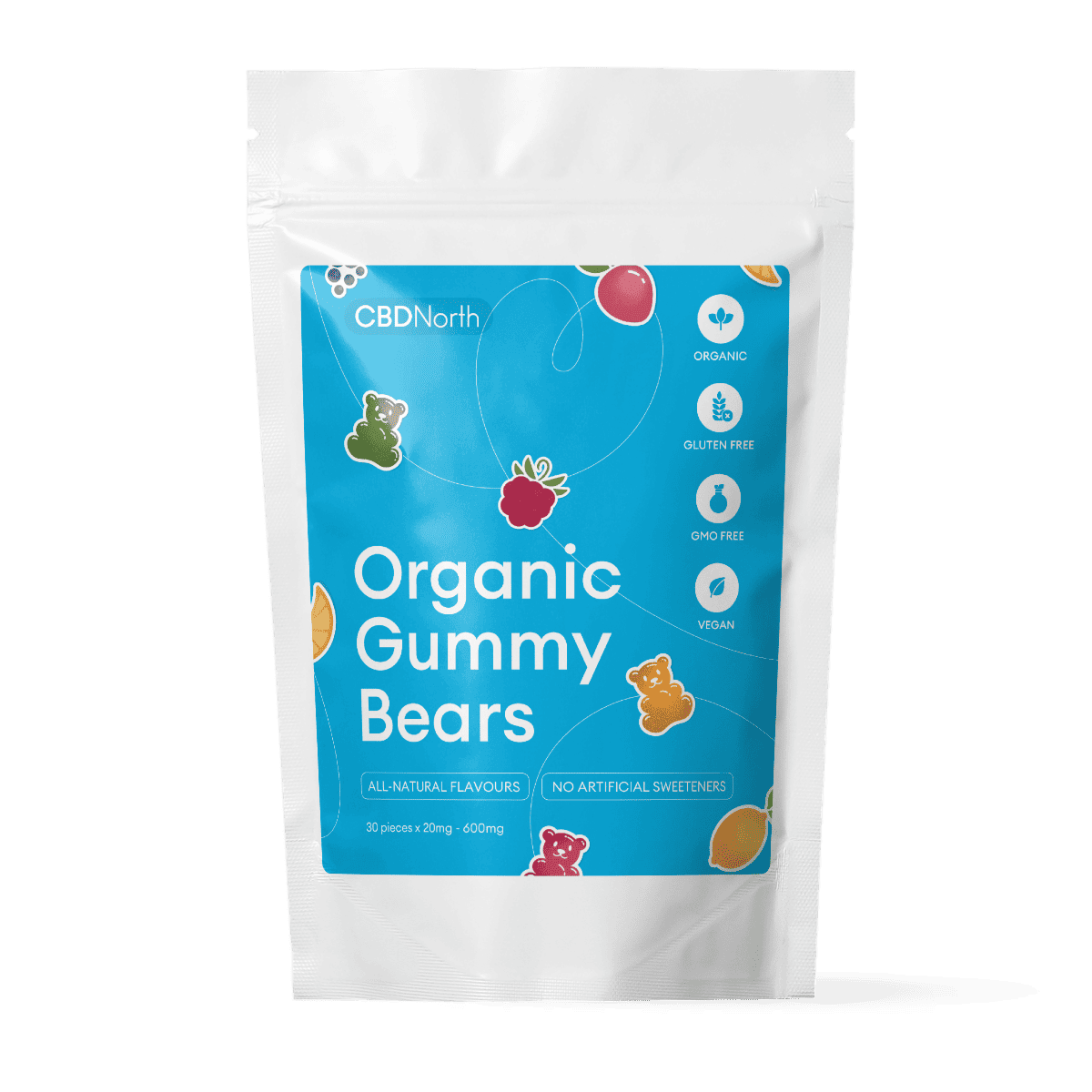
Price range: $17.99 through $32.99
What Are Canadians With IBS Actually Asking About CBD?
Most Canadians who reach out about CBD and IBS are not looking for a cure. They already know IBS is a complex condition that does not have one. What they want to understand is whether CBD might help make symptoms feel more manageable between flares and whether it is safe to try alongside their current approach.
The three concerns that come up most often are abdominal discomfort and cramping, unpredictable bowel habits, and the anxiety that feeds the gut brain loop. On the discomfort side, animal studies have shown that CBD can reduce gut motility and muscle spasm in the intestinal wall, which is mechanistically relevant to the cramping that many IBS sufferers experience.
A 2017 study in Neurogastroenterology and Motility by Malik and colleagues found that cannabinoids reduced contractility in isolated sections of intestinal tissue, though translating this directly to human IBS outcomes requires much more research.
On the anxiety side, the relationship between IBS and anxiety is well established in the medical literature. Managing anxiety does not cure IBS, but for many people it meaningfully reduces the frequency and intensity of flares. CBD’s early research on the 5-HT1A serotonin receptor gives a plausible biological reason why some IBS sufferers report feeling calmer and more settled with regular use. This in turn may reduce the frequency of stress triggered gut symptoms. This is indirect support, not a treatment claim, but it is biologically grounded.
Women with IBS who also manage hormonal fluctuations may find it useful to read CBDNorth’s CBD for hormonal imbalance guide, since hormonal shifts are a known IBS trigger, particularly around the menstrual cycle.
Which CBD Format Makes the Most Sense for IBS Support?
Because IBS affects the digestive system directly, format choice deserves more thought than it might for other conditions.
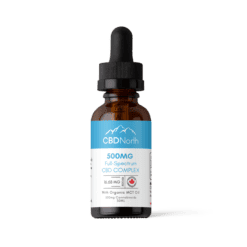
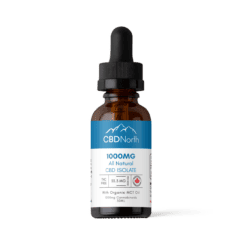
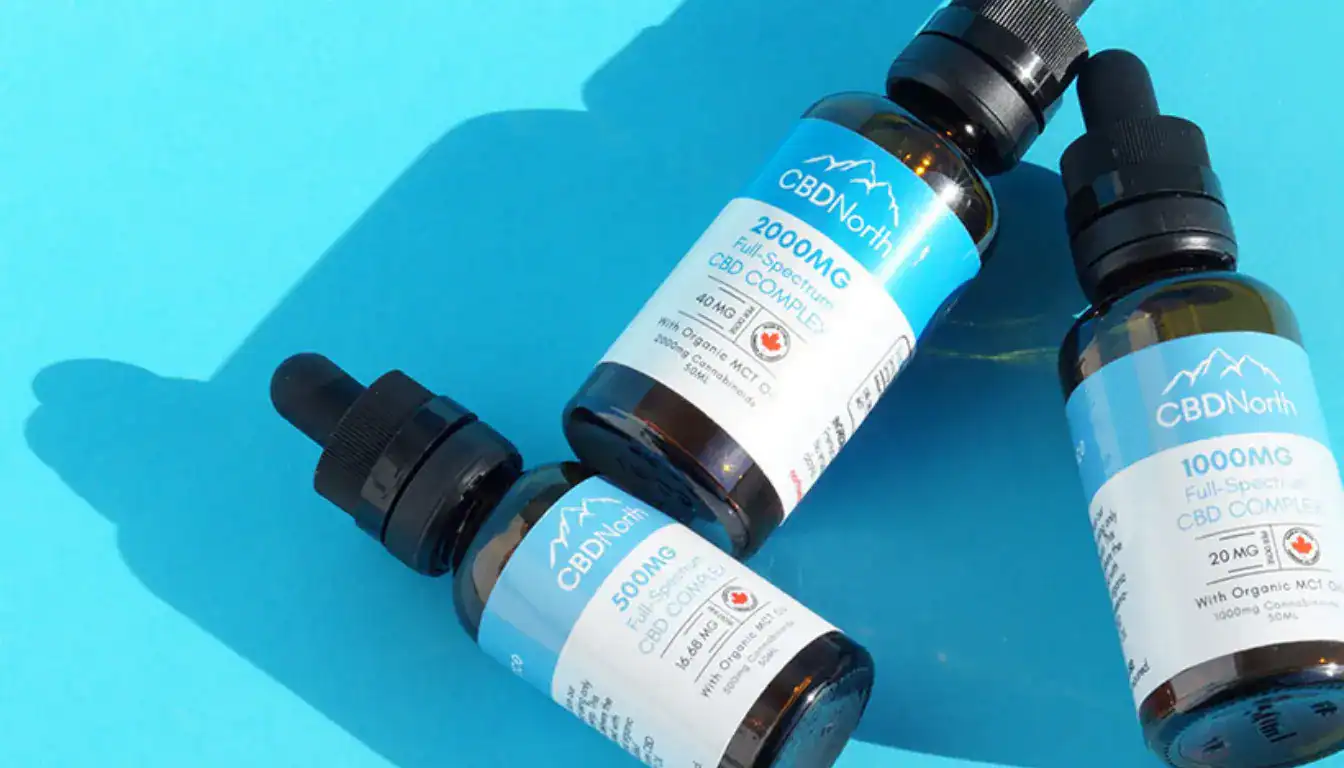
CBD oil taken under the tongue, or sublingually, absorbs through the mucous membranes in the mouth before entering the bloodstream. This bypasses the first pass through the digestive system and tends to work faster, typically within 15 to 45 minutes for most users.
For people with IBS, sublingual oil may also be gentler on an already sensitive gut compared to products that must fully digest before absorbing. Many users with IBS prefer oil for daily consistent use because it allows precise serving adjustments as they learn how their gut responds.
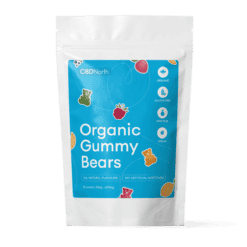
CBD gummies and other edibles pass entirely through the digestive tract before absorbing. For some people with IBS this is fine and the slower, sustained effect is actually preferable for all day symptom support. For others, particularly those with IBS that is triggered by food intake or whose gut is especially reactive, starting with oil may be a more comfortable introduction. Individual gut sensitivity varies considerably with IBS and there is no single right answer.
For dosing guidance, CBDNorth’s CBD Dosage Chart provides a practical Canadian framed starting point. Most adults begin with 10 to 25 mg and adjust gradually. With IBS specifically, starting at the lower end and increasing slowly is particularly important because gut sensitivity can affect how CBD is experienced in the early weeks.
CBD Oil Collection
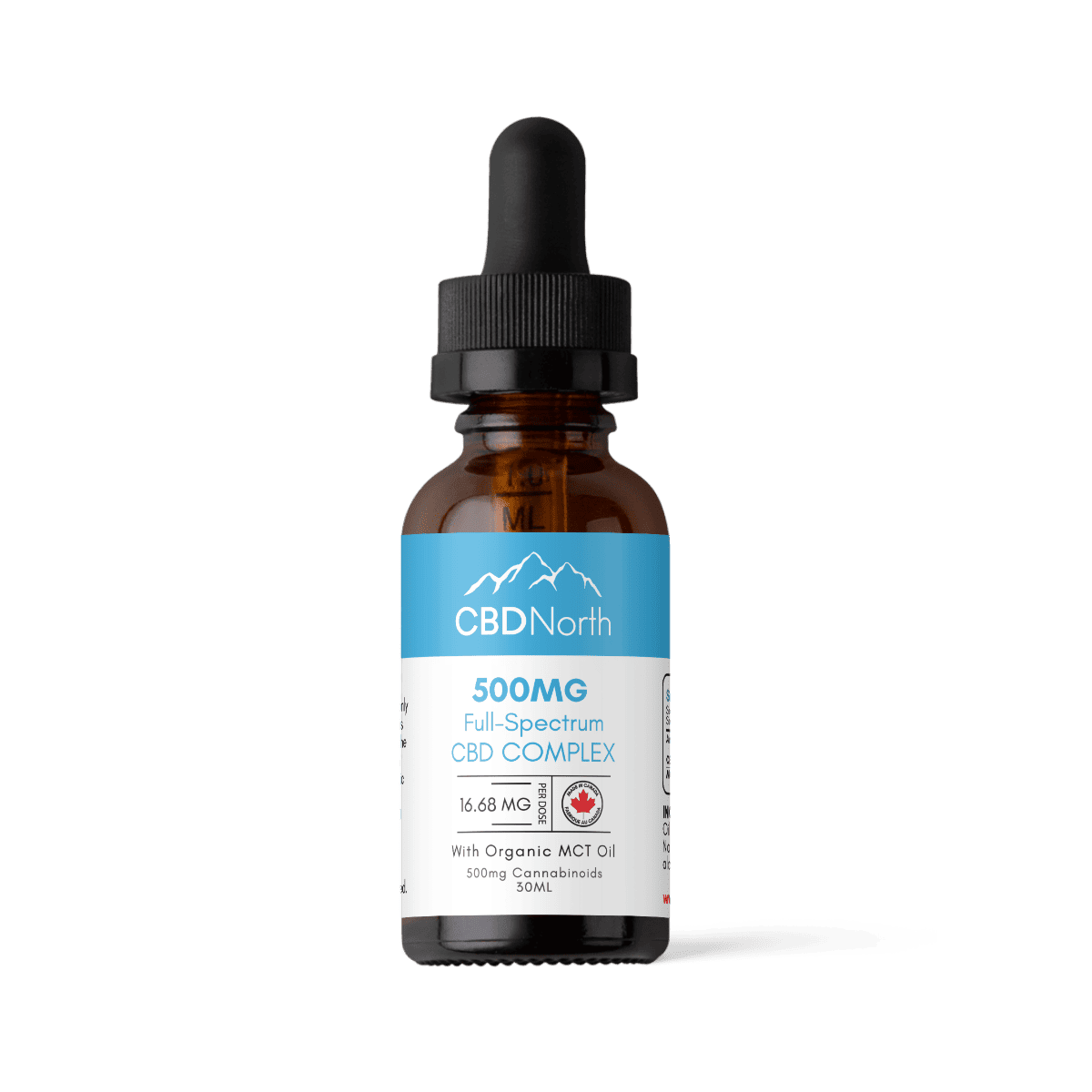
Price range: $45.49 through $160.99
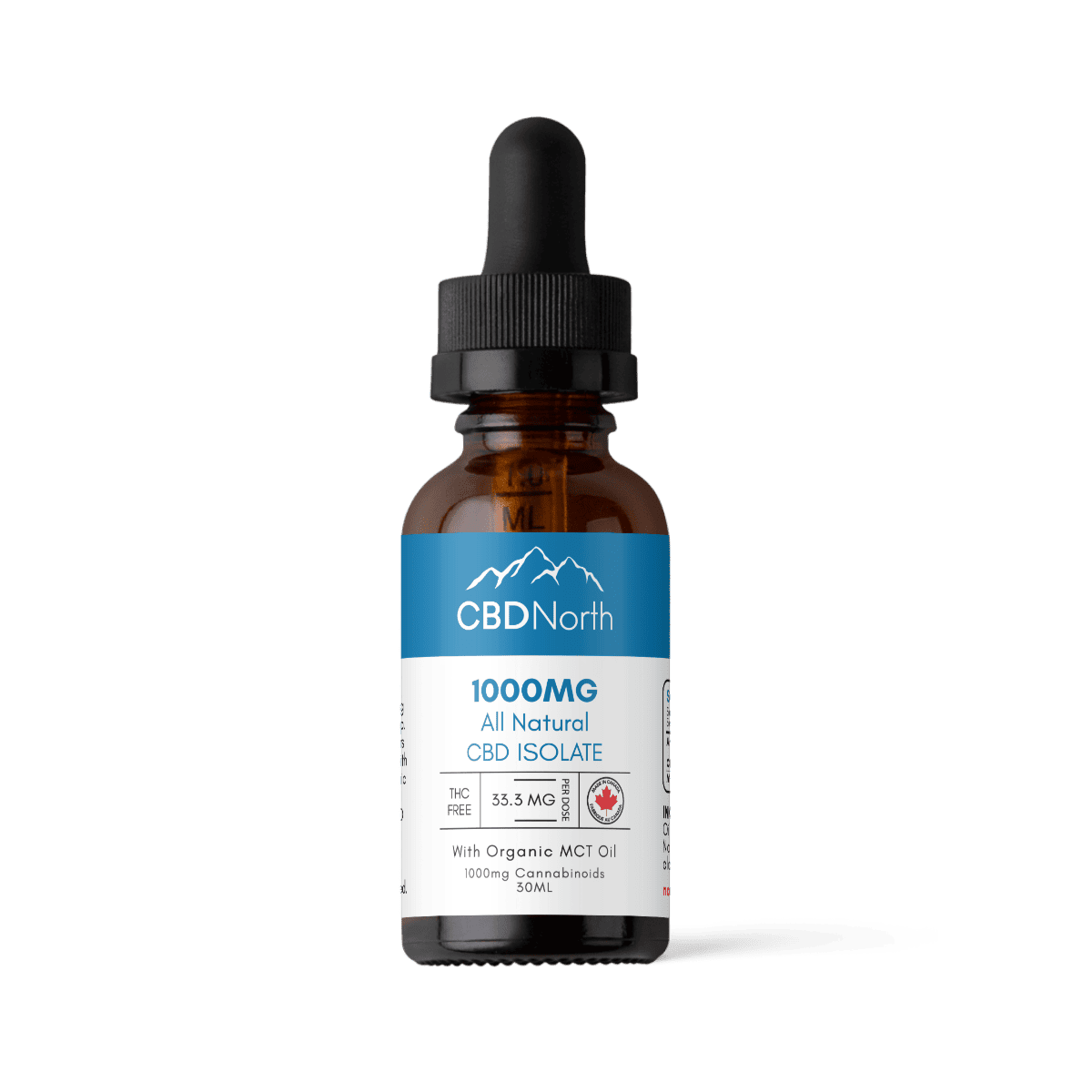
Price range: $45.49 through $146.99
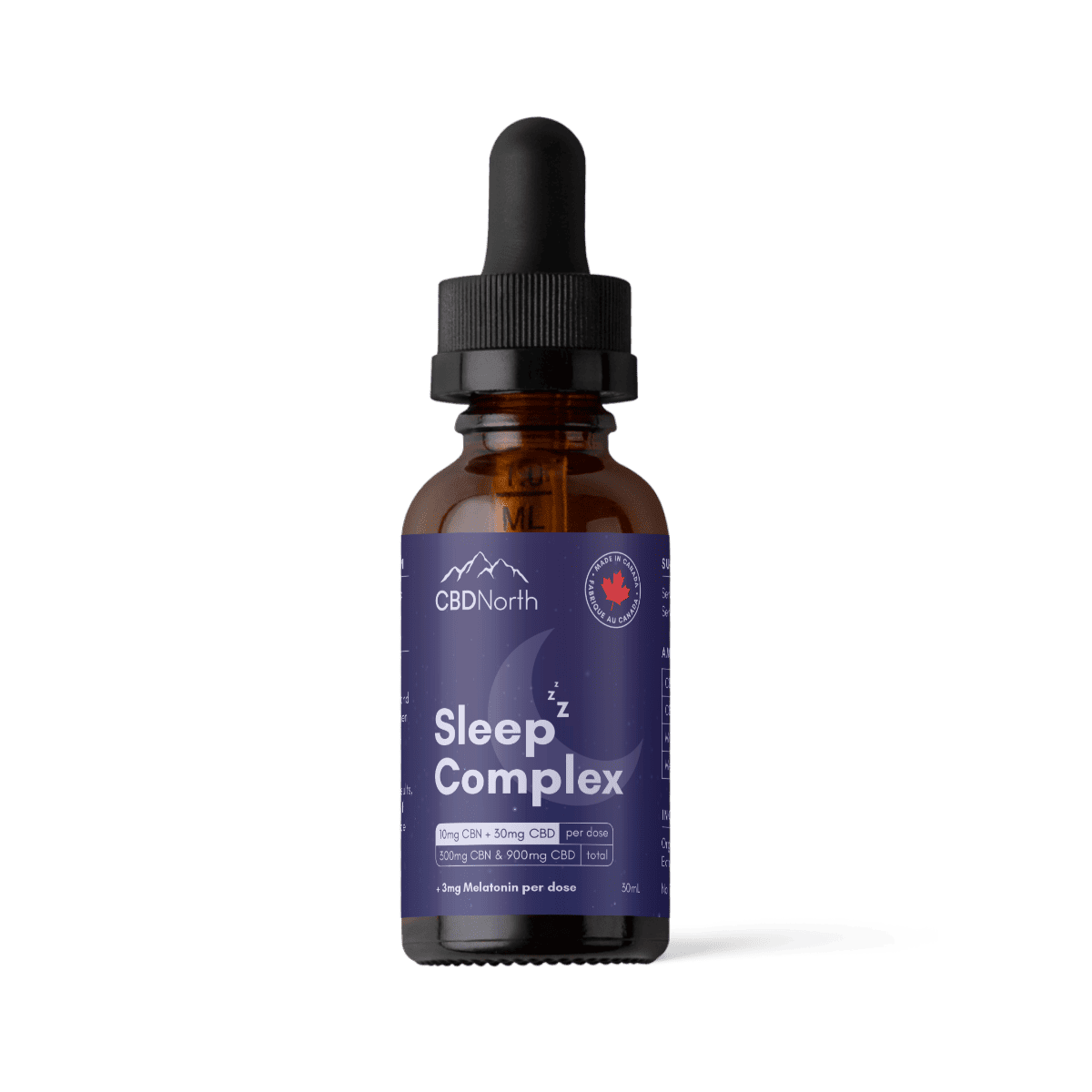
Price range: $80.49 through $139.99
Full Spectrum vs Broad Spectrum vs Isolate for Gut Health
| Type | What Is In It | THC Content in Canada | Entourage Effect | Best For |
|---|---|---|---|---|
| Full Spectrum | All cannabinoids, terpenes, and flavonoids | Up to 1% (Canada allows up to 1%, higher than the US 0.3% limit) | Yes, full plant synergy | Those wanting the broadest ECS and gut support |
| Broad Spectrum | Multiple cannabinoids and terpenes, THC removed | Undetectable | Partial synergy | THC sensitive users or those with drug testing concerns |
| Isolate | Pure CBD only | Zero | None | First time users or those with very sensitive digestion wanting the simplest start |
Canada allows up to 1% THC in cannabis products. Always verify your product’s Certificate of Analysis to confirm actual cannabinoid levels before use.
Onset and Duration Timeline: CBD for IBS Support
| Time Point | CBD Oil Sublingual | CBD Gummies |
|---|---|---|
| T+15 min | Some users notice early calming or settling | No noticeable effect typical |
| T+30 min | Onset beginning for many users | Digestion underway |
| T+1 hr | Peak calming and gut settling effect for most | Effects beginning for most users |
| T+2 hrs | Effects sustained | Full effects for most users |
| T+4 hrs | Gradual tapering for some | Many users report continued support |
| T+6 to 8 hrs | Most effects have faded | Gradual fade; body weight and gut transit time affect duration |
Everyone responds differently. IBS itself can affect how CBD is absorbed from edible formats. Empty stomach, body weight, individual endocannabinoid tone, and gut transit time all play a role. These timelines are general patterns and not guaranteed outcomes.
Who Should NOT Use CBD for IBS?
This section is mandatory and we never skip it.
Pregnancy and breastfeeding: Health Canada advises against using any cannabis product during pregnancy or while breastfeeding. This applies to CBD regardless of THC content or format. IBS symptoms often change during pregnancy and should be managed under medical guidance only.
Children and youth: CBD products are intended for adults aged 18 and older. Age minimums vary by province from 18 to 21. These products are not appropriate for anyone under the legal age in their province.
People taking IBS medications through the CYP450 pathway: CBD affects the liver enzyme system that processes many medications including antispasmodics, antidepressants often prescribed for IBS, and certain anti diarrhoeal medications. This interaction is documented in peer reviewed research by Zendulka et al., 2016, Current Drug Metabolism. If you take any prescription medication for IBS or related conditions, speak with your pharmacist or doctor before adding CBD.
People with inflammatory bowel disease: IBS and inflammatory bowel disease, which includes Crohn’s disease and ulcerative colitis, are different conditions. People managing IBD with prescription biologics or immunosuppressants should seek specialist medical guidance before using CBD due to potential immune system interactions.
Liver conditions: High dose CBD has shown liver enzyme changes in some clinical studies. If you have an existing liver condition, consult your doctor before use.
People with tinnitus linked gut symptoms: Some medications used for tinnitus can also affect gut function. If you manage both conditions, read CBDNorth’s tinnitus and CBD guide and speak with your healthcare provider about how CBD might interact with your full medication list.
Scheduled surgery: Some healthcare practitioners recommend stopping CBD at least two weeks before any planned surgical procedure due to possible effects on blood clotting and anaesthesia.
CBD Pain Relief Products
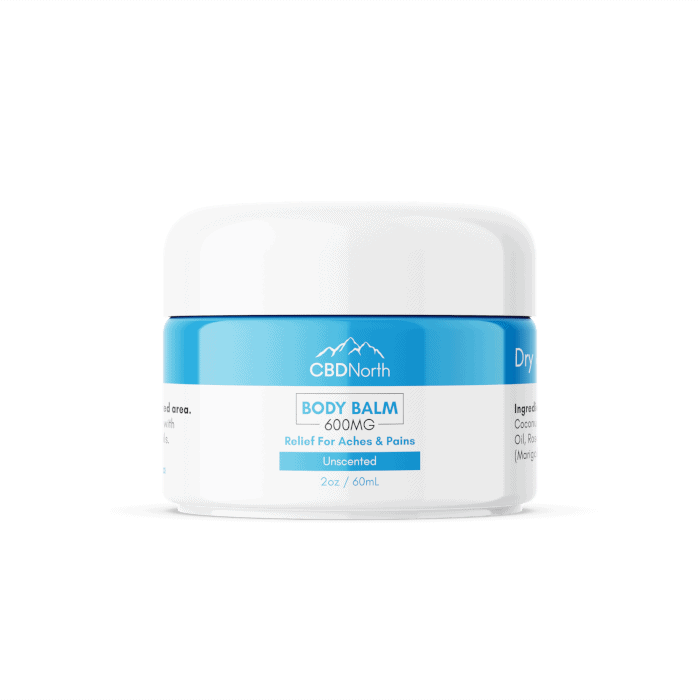
Price range: $41.99 through $73.49
What We Don’t Know Yet: Honest Research Gaps
- No peer reviewed randomised controlled trial as of 2025 has specifically tested CBD in human participants diagnosed with IBS. The existing gut related evidence comes from animal models, tissue studies, and mechanistic reviews rather than clinical human trials focused on IBS as a condition.
- IBS is a highly heterogeneous condition with several recognised subtypes, including IBS with predominant diarrhoea, IBS with predominant constipation, and mixed IBS. No study has examined whether CBD affects these subtypes differently, which matters because the underlying gut dysfunction varies significantly between them.
- The long term effects of regular CBD use on gut microbiome composition in humans are not yet understood. Early animal research suggests cannabinoids may influence the gut microbiome, but human data does not yet exist as of 2025.
- Health Canada’s Natural Health Product pathway for CBD remains under active consultation as of 2025. The regulatory framework for CBD products with health adjacent claims continues to evolve and is not settled.
- It is not yet known whether the format of CBD, oil versus gummy versus topical, produces meaningfully different gut outcomes for IBS sufferers. This is a clinically relevant question that no study has yet addressed directly.
Province by Province Access Snapshot
| Province | Minimum Age | CBDNorth Ships Here | Notes |
|---|---|---|---|
| British Columbia | 19 | Yes | Cannabis Act governs; provincial retailers regulated separately |
| Alberta | 18 | Yes | Lowest provincial minimum age in Canada |
| Ontario | 19 | Yes | AGCO regulates provincial retail |
| Quebec | 21 | Yes | Highest provincial minimum age in Canada |
| Manitoba | 19 | Yes | Standard federal framework applies |
| Saskatchewan | 19 | Yes | Standard federal framework applies |
| Nova Scotia | 19 | Yes | Standard federal framework applies |
| New Brunswick | 19 | Yes | Standard federal framework applies |
| Prince Edward Island | 19 | Yes | Standard federal framework applies |
| Newfoundland | 20 | Yes | Slightly above federal minimum |
| Territories (YT, NT, NU) | 19 | Yes | Varies slightly by territory |
Last Verified: April 2026. Always confirm current rules at canada.ca/health-canada. Provincial rules can and do change.
Real Canadian User Experience Log
The following logs are shared with full user consent. Individual results vary. These are personal experience reports and not medical outcomes.
| Week | Serving | Timing | Reported Effect | Notes |
|---|---|---|---|---|
| Week 1 | 0.5 mL CBD oil (15 mg) sublingual | Morning daily | Noticed slightly less bloating by end of week; gut felt less reactive overall | Chose oil over gummies due to gut sensitivity concerns |
| Week 2 | 0.5 mL CBD oil (15 mg) sublingual | Morning daily | Felt less anxious before meals, which are a common trigger; fewer cramps reported | Still following low FODMAP diet alongside CBD use |
| Week 1 | 1 CBD gummy (25 mg) | Evening daily | No strong gut effect in first week; sleep felt slightly more settled | Primary concern was night time discomfort and disrupted sleep |
| Week 3 | 1 CBD gummy (25 mg) | Evening daily | Reported fewer middle of night gut discomfort episodes; mornings felt calmer | Naturopath aware of CBD use and supportive of continuing |
| Week 4 | 0.75 mL CBD oil sublingual | Before main meals | Preferred taking oil before meals specifically; felt it helped reduce post meal cramping | Personal timing adjustment based on individual pattern |
P.A., Ontario; J.R., British Columbia; M.L., Alberta. Experience logs reflect personal responses and are not predictive of your results. These are not medical outcomes.
CBDNorth Lab Note
For anyone managing a sensitive digestive condition like IBS, knowing exactly what is in your CBD product is not optional. It is essential. Every CBDNorth product is tested batch by batch at an ISO certified Canadian laboratory, with full panel results covering cannabinoid content, pesticides, heavy metals, and residual solvents all published openly on our lab reports page.
Our hemp is USDA organic certified and extracted using supercritical CO2, which means no harsh solvent residues that could further irritate a sensitive gut. If the cost of accessing CBD is a barrier for you, our Assistance Program is available for Canadians who qualify.
Before adding any new wellness product to your routine, especially if you manage IBS alongside anxiety, hormonal conditions, or take prescription medications, please speak with a qualified healthcare practitioner.
Frequently Asked Questions
Q: Can CBD help with IBS symptoms in Canada? Early animal and mechanistic research suggests CBD interacts with the gut endocannabinoid system in ways that may be relevant to IBS, including effects on gut motility, visceral sensitivity, and intestinal inflammation. Some Canadians report improved comfort and reduced anxiety around IBS symptoms with regular CBD use. However, no human clinical trial specific to IBS has been completed as of 2025, and CBD cannot legally be claimed to treat any condition under Canada’s Cannabis Act.
Q: Is CBD oil or CBD gummies better for IBS? For people with IBS, CBD oil taken under the tongue may be a gentler starting point because it does not pass through the digestive tract before absorbing. This may reduce the chance of triggering gut sensitivity in the early weeks. Gummies can work well for some IBS sufferers, particularly for evening or sleep support. Start with oil, assess how your gut responds over two to four weeks, then consider whether adding gummies makes sense for your routine.
Q: How long does it take for CBD to help with IBS? There is no standard timeline for IBS specifically. Most users report needing two to four weeks of consistent daily use before forming a clear picture of how CBD affects their symptoms. IBS symptoms naturally fluctuate, so short trial periods make it hard to separate CBD effects from the normal variation of the condition itself. Keeping a simple symptom log during the trial period can help you track changes more clearly.
Q: What dose of CBD should I start with for IBS? Starting lower than you think you need is especially important with IBS because gut sensitivity can make the first weeks unpredictable. Most Canadian adults begin with 10 to 15 mg per day and increase gradually every one to two weeks based on their response. CBDNorth’s CBD Dosage Chart gives a practical Canadian framed starting framework.
Q: Is CBD safe to take with IBS medications? CBD affects the CYP450 liver enzyme pathway, which processes many medications commonly prescribed for IBS, including antispasmodics, certain antidepressants, and anti diarrhoeal drugs. If you take any prescription medication for IBS or a related condition, speak with your pharmacist before adding CBD to your routine. This is a genuine interaction concern that varies based on your specific medications.
Q: Is CBD legal for IBS support in Canada? Yes. CBD products fall under Canada’s Cannabis Act and can be legally purchased by adults from licensed retailers or reputable online brands. No CBD product can legally claim to treat IBS in Canada. The minimum purchase age ranges from 18 to 21 depending on your province. Health Canada’s Natural Health Product pathway for CBD remains under active consultation as of 2025.
Before starting any new wellness supplement, please speak with a qualified healthcare practitioner, especially if you manage IBS alongside other health conditions or take prescription medications.
These statements have not been evaluated by Health Canada. CBDNorth products are not intended to diagnose, treat, cure, or prevent any disease or medical condition. This content is for educational purposes only and does not constitute medical advice. Please consult a qualified healthcare practitioner before use. Must be 18 and older to purchase; age requirements vary by province.