If you live with a constant ringing, buzzing, or hissing sound in your ears, you already know how exhausting tinnitus can be. It affects concentration, sleep, mood and overall quality of life. Statistics Canada data shows that roughly one in seven Canadian adults experiences some form of tinnitus, and for many, no clear medical solution exists.
It is no surprise that more Canadians are asking whether CBD might offer some relief. This guide gives you an honest look at what the early research says, what it does not say, and what to think about before trying cannabidiol for tinnitus. This content is for educational purposes only and is not medical advice.
Canadian Cannabinoid Honesty Scorecard
| Claimed Benefit | Evidence Level | Source |
|---|---|---|
| CBD reduces tinnitus loudness or frequency | Anecdotal | No peer reviewed human RCT as of 2025 |
| CBD may reduce anxiety linked to tinnitus distress | Studied in Animals or Lab | Blessing et al., 2015, Neurotherapeutics |
| CBD may support sleep disrupted by tinnitus | Clinically Studied in Humans (small trials) | Shannon et al., 2019, The Permanente Journal |
| CBD interacts with auditory nerve inflammation pathways | Studied in Animals or Lab | Zheng et al., 2021, Frontiers in Neurology |
| CBD worsens tinnitus in some cases | Studied in Animals or Lab | Zheng et al., 2021, Frontiers in Neurology |
| CBD reduces cortisol driven stress that amplifies tinnitus | Studied in Animals or Lab | Zuardi et al., 2017, Brazilian Journal of Psychiatry |
Evidence levels: Clinically Studied in Humans / Studied in Animals or Lab / Traditional/Observational Use / Anecdotal
How Does CBD Interact With the Auditory System in Your Body?
Your body runs a built in regulatory network called the endocannabinoid system, or ECS. This system uses receptors, natural compounds, and enzymes to help keep mood, pain, inflammation, sleep, and stress responses in balance. CB1 and CB2 receptors, the two main receptors in this system, are found throughout the brain and nervous system, including in areas that process sound and manage auditory signals.
Tinnitus is not a condition that lives in the ear itself. It is a neurological phenomenon, meaning it originates in how the brain processes auditory signals rather than in any structural problem with the ear canal or drum. Damage to the hair cells of the inner ear, often from noise exposure or ageing, can cause the brain’s auditory cortex to generate phantom sounds. This is why tinnitus is so difficult to treat and why the ECS connection is genuinely complex.
A 2021 review published in Frontiers in Neurology examined cannabinoid research and tinnitus specifically. The findings were sobering for anyone expecting a simple answer. Some animal studies suggested that cannabinoids could actually increase tinnitus related activity in certain auditory brain regions.
At the same time, CBD’s well documented effects on anxiety, stress, and sleep may offer indirect support for people whose tinnitus distress is heavily shaped by those factors. Full spectrum CBD, which keeps the full plant profile including terpenes and trace THC within Canada’s legal limits, may offer broader nervous system support through the entourage effect. Broad spectrum removes THC. Isolate is pure CBD alone.
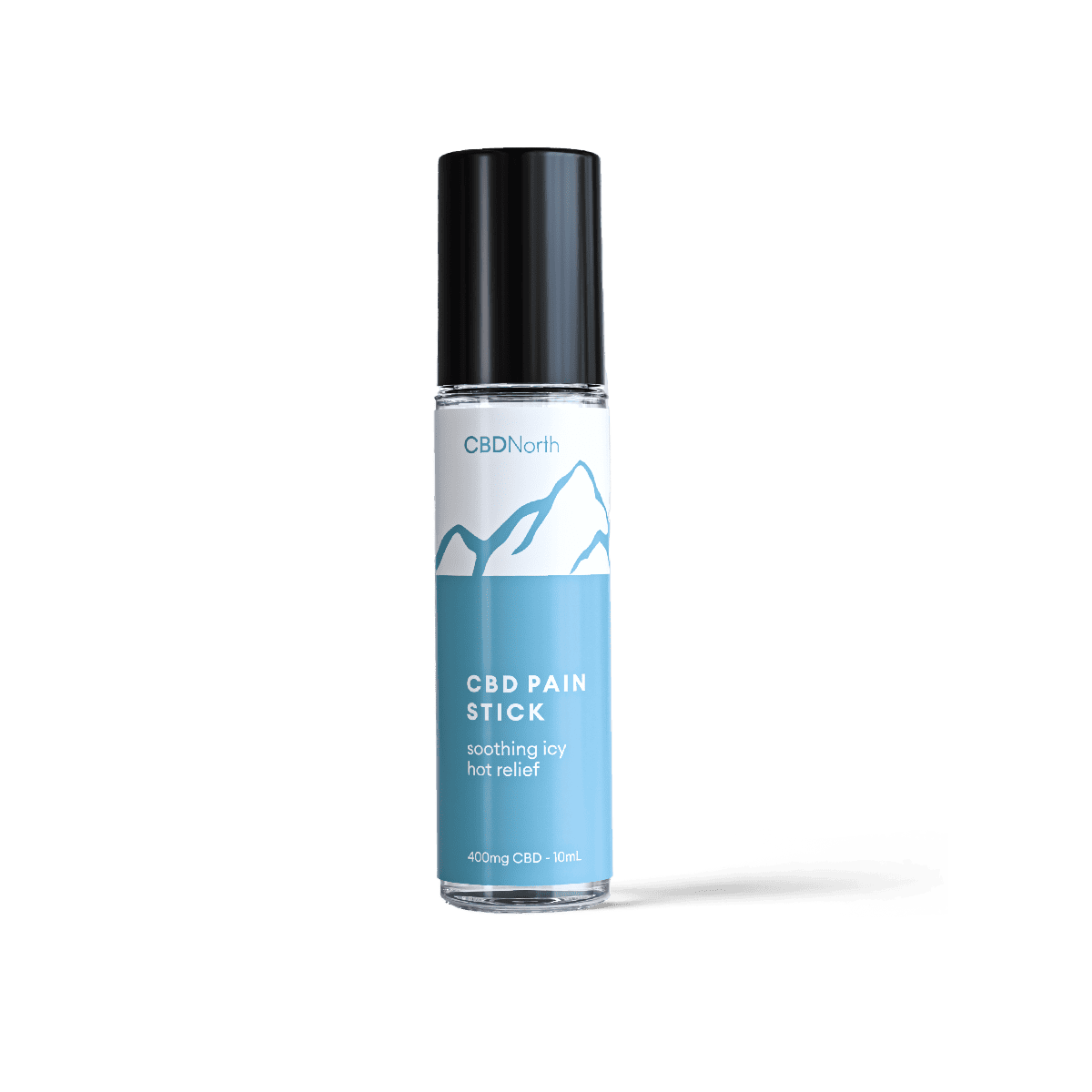
CBD Pain Relief Products
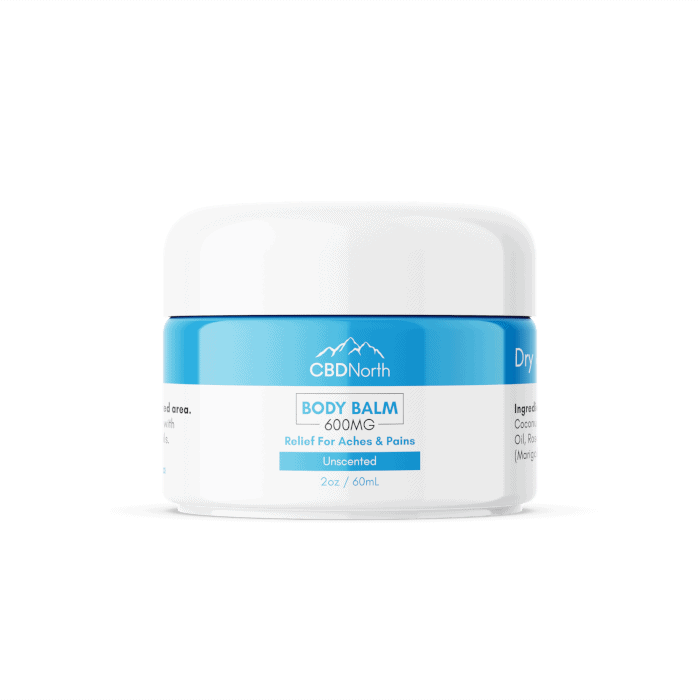
Price range: $29.40 through $73.49
What Canadians Are Actually Asking About CBD and Tinnitus
Most Canadians who reach out about CBD and tinnitus are not asking whether it will silence the ringing. They already know that no treatment currently does that reliably. What they want to know is whether CBD might help them cope better with what tinnitus does to their daily life.
The three most common concerns are sleep disruption, anxiety, and concentration. Tinnitus tends to feel loudest at night when background noise drops away, which makes falling and staying asleep genuinely difficult.
Some users report that CBD helps them feel more settled at bedtime, which may make the perceived volume of tinnitus feel less intrusive even if it has not changed objectively. A 2019 study in The Permanente Journal found sleep scores improved in 66.7% of participants who used CBD, though the study was small and not tinnitus specific.
Anxiety and tinnitus also have a known two way relationship. Stress and anxiety can make tinnitus feel more intense, and tinnitus can worsen anxiety. CBD’s early research on the 5-HT1A serotonin receptor pathway gives a plausible biological reason why some people report feeling calmer with regular use. You can read more about what research says on that connection in CBDNorth’s CBD and anxiety guide.
Some users also report that CBD helps reduce the physical tension and heightened sensitivity that often accompanies chronic tinnitus. This is purely observational at this point, but it fits with what we understand about CBD and nervous system tone.
Which CBD Format Makes Sense for Tinnitus Support?
Because tinnitus affects people in different ways and at different times of day, choosing the right format matters.
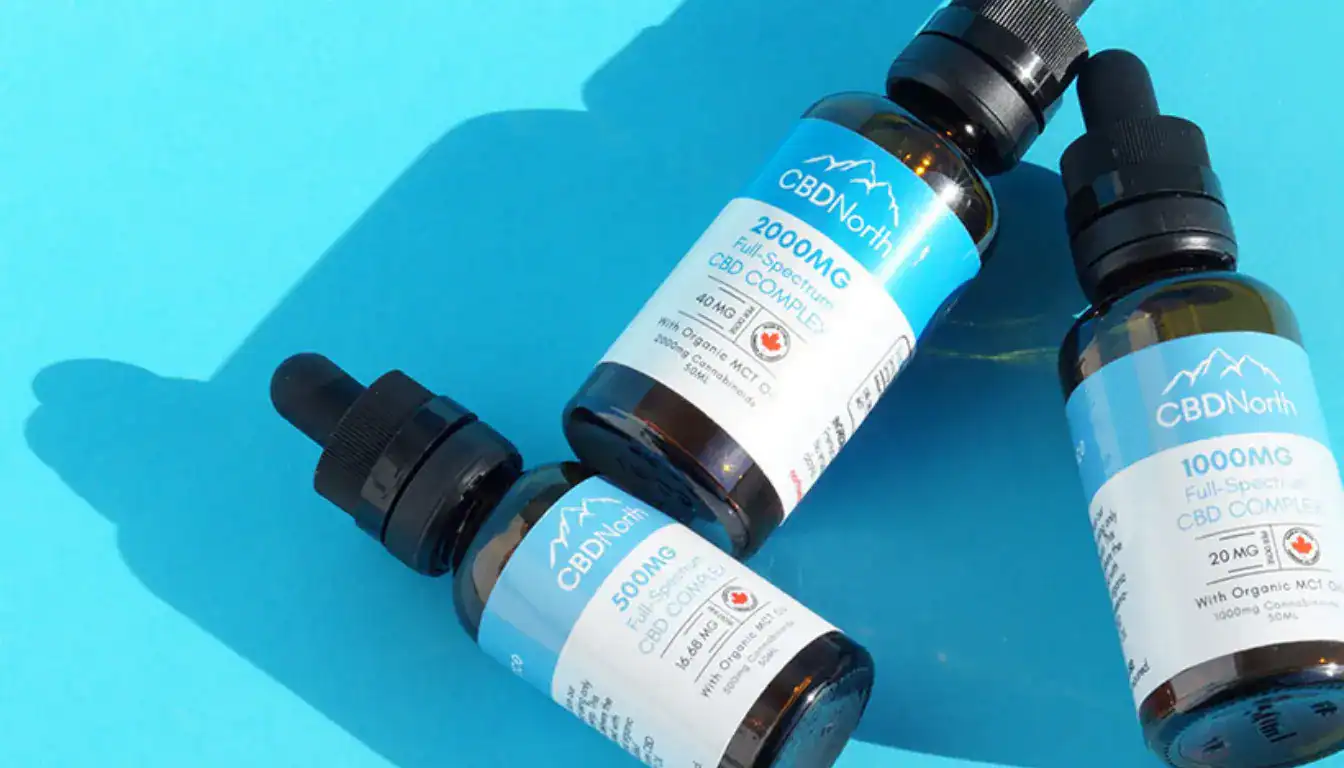
CBD oil taken under the tongue absorbs faster than other formats, typically beginning to take effect within 15 to 45 minutes for most users. This makes it a practical choice for people who want to use CBD as part of a wind down routine before bed, or during particularly stressful moments when tinnitus distress peaks. Oil also allows you to adjust your serving precisely as you find your personal amount. Explore CBDNorth’s full CBD oil range to compare formulations.
CBD gummies take longer to work, typically 45 minutes to two hours, because they pass through the digestive system first. Some users prefer gummies for sustained background support throughout the day. The slower and more gradual onset can feel more comfortable for daily baseline use.
For women managing tinnitus alongside hormonal shifts that affect stress and sleep, it may also be worth reading CBDNorth’s CBD for hormonal imbalance guide, since hormonal fluctuations can influence how intensely tinnitus is perceived. For those wondering whether tinnitus related blood pressure concerns might also be relevant, the CBD and blood pressure guide covers that intersection clearly.
For starting amount guidance, CBDNorth’s CBD Dosage Chart gives a practical Canadian framed starting point. Most adults begin with 10 to 25 mg and adjust gradually.
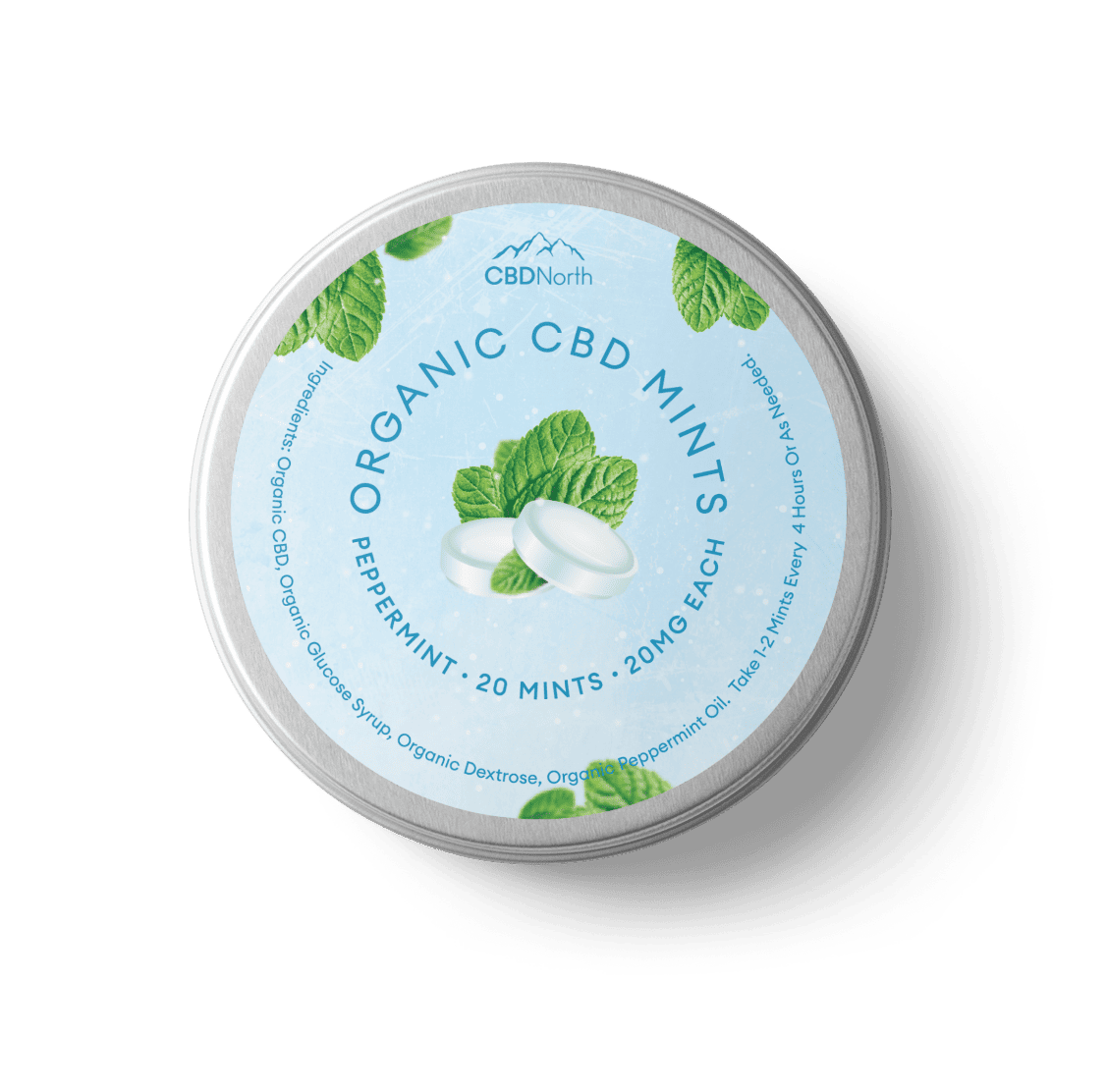
CBD Edibles Collection

Price range: $19.49 through $35.74
Full Spectrum vs Broad Spectrum vs Isolate for Tinnitus Support
| Type | What Is In It | THC Content in Canada | Entourage Effect | Best For |
|---|---|---|---|---|
| Full Spectrum | All cannabinoids, terpenes, and flavonoids | Up to 1% (Canada allows up to 1%, higher than the US 0.3% limit) | Yes, full plant synergy | Those wanting the broadest nervous system support |
| Broad Spectrum | Multiple cannabinoids and terpenes, THC removed | Undetectable | Partial synergy | THC sensitive users or those with drug testing concerns |
| Isolate | Pure CBD only | Zero | None | First time users who want the simplest starting point |
Always check your product’s Certificate of Analysis to confirm actual cannabinoid levels. Canada allows up to 1% THC in cannabis products.
Onset and Duration Timeline: CBD for Tinnitus Related Symptoms
| Time Point | CBD Oil Sublingual | CBD Gummies |
|---|---|---|
| T+15 min | Some users notice early calming or settling | No noticeable effect typical |
| T+30 min | Onset beginning for many users | Digestion underway |
| T+1 hr | Peak calming effect for most | Effects beginning for most users |
| T+2 hrs | Effects sustained | Full effects for most users |
| T+4 hrs | Gradual tapering for some | Many users report continued support |
| T+6 to 8 hrs | Most effects have faded | Gradual fade; body weight affects duration |
Everyone responds differently. Stress levels, sleep quality, and individual endocannabinoid tone all affect how CBD feels on any given day. These timelines are general patterns and not guaranteed outcomes.
Who Should NOT Use CBD for Tinnitus?
This section is mandatory and we never skip it.
Pregnancy and breastfeeding: Health Canada advises against using any cannabis product during pregnancy or while breastfeeding. This applies to CBD regardless of THC content or format. Do not use CBD products if you are pregnant or nursing.
Children and youth: CBD products are intended for adults aged 18 and older. Age minimums vary by province from 18 to 21. These products are not appropriate for anyone under the legal age in their province.
People taking ototoxic medications: Some medications that affect hearing, including certain antibiotics and chemotherapy agents, are processed through the CYP450 liver enzyme pathway. CBD also affects this pathway, as documented by Zendulka et al., 2016, Current Drug Metabolism. If you take any medication that already affects your auditory system, speak with your pharmacist before adding CBD.
People taking blood pressure medication: Tinnitus and blood pressure changes can be connected. CBD may influence blood pressure in some individuals. If you manage blood pressure with prescription medication, read the CBD and blood pressure guide and speak with your doctor before starting.
People taking SSRIs or anxiety medications: CBD interacts with the same serotonin pathways that many antidepressants and anti-anxiety medications target. If you take any of these medications, speak with your doctor or pharmacist before combining them with CBD.
Liver conditions: High dose CBD has shown liver enzyme changes in some clinical studies. If you have an existing liver condition, consult your doctor before use.
Scheduled surgery: Some healthcare practitioners recommend stopping CBD at least two weeks before any planned surgical procedure due to possible effects on blood clotting and anaesthesia.
CBD Oil Collection
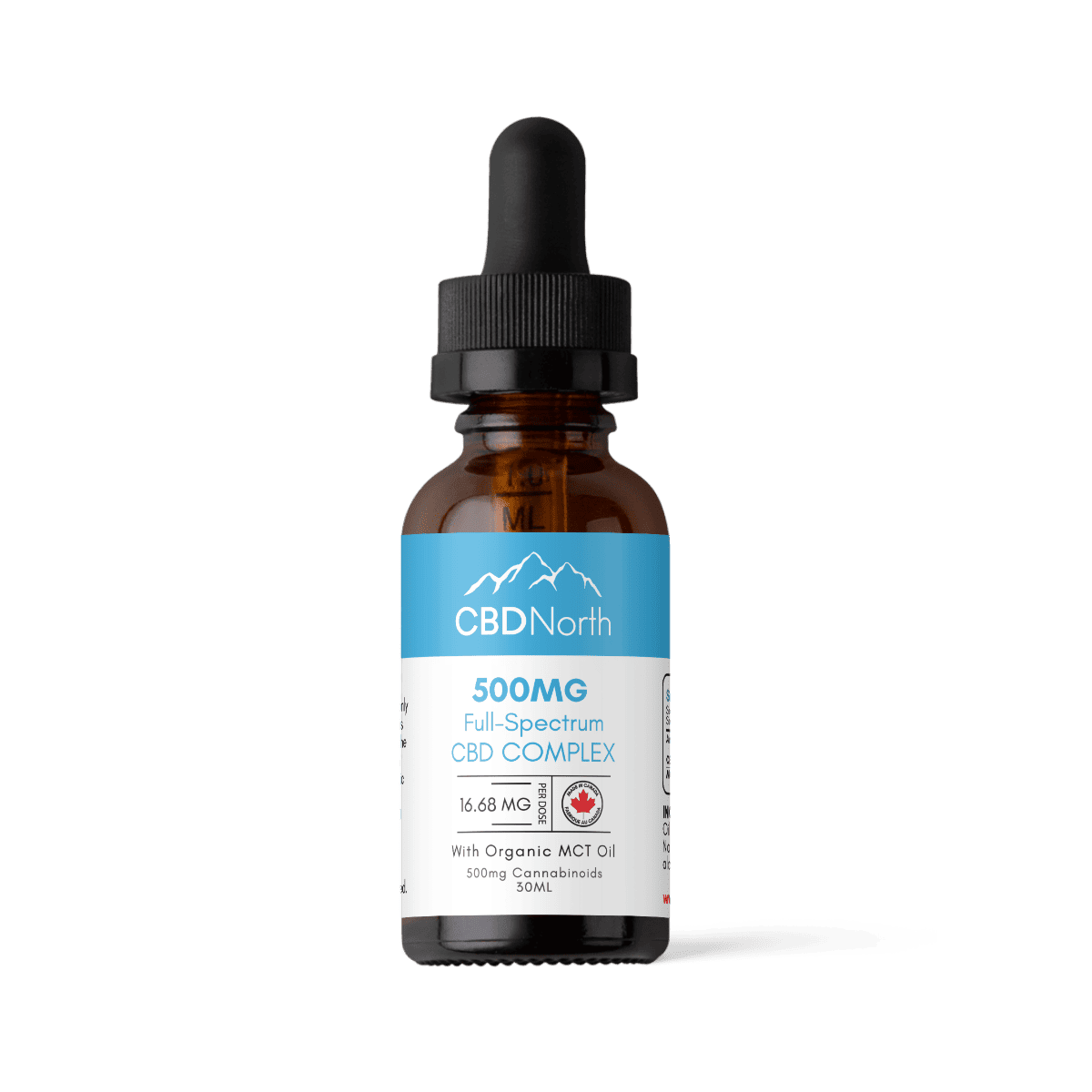
Price range: $42.24 through $149.49
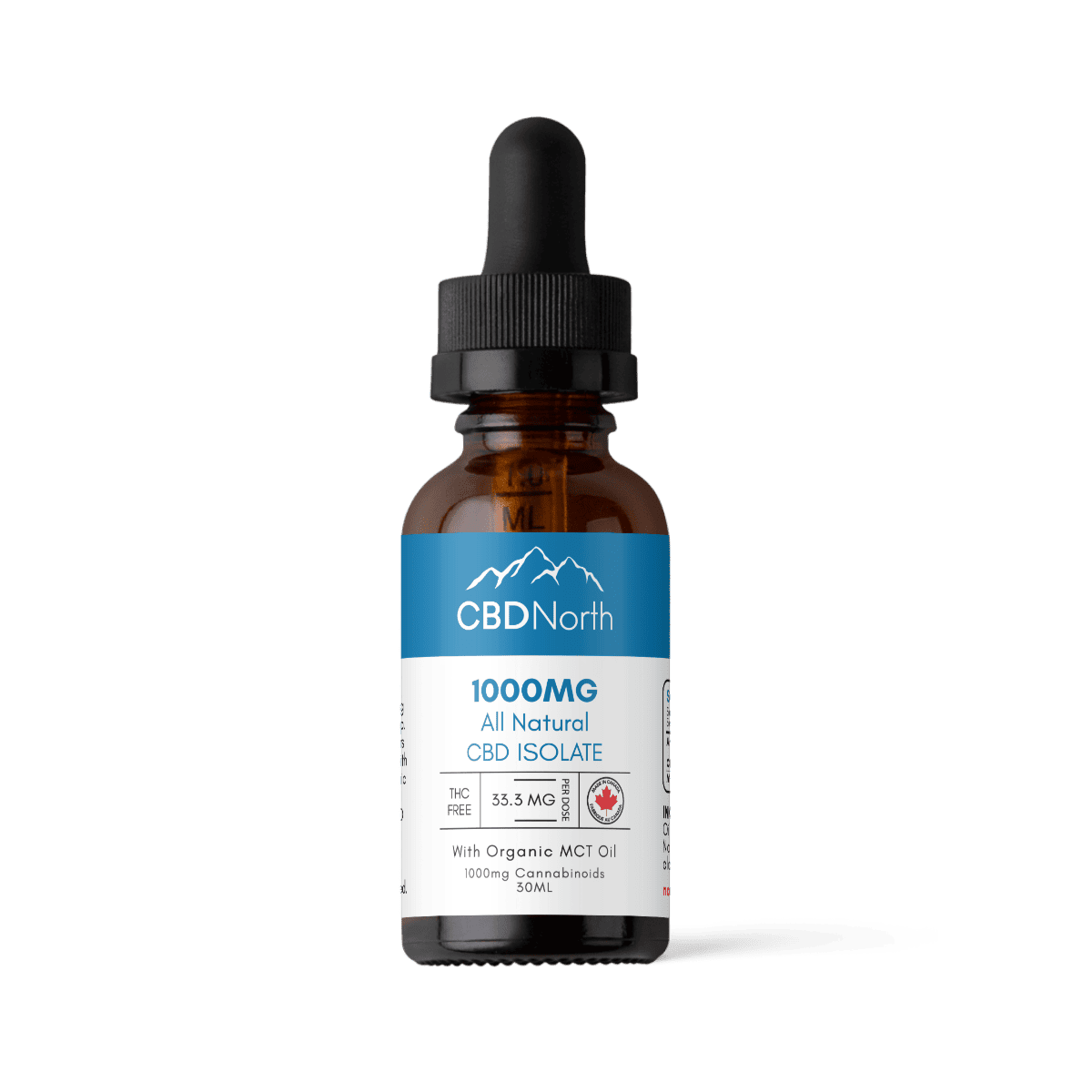
Price range: $42.24 through $136.49
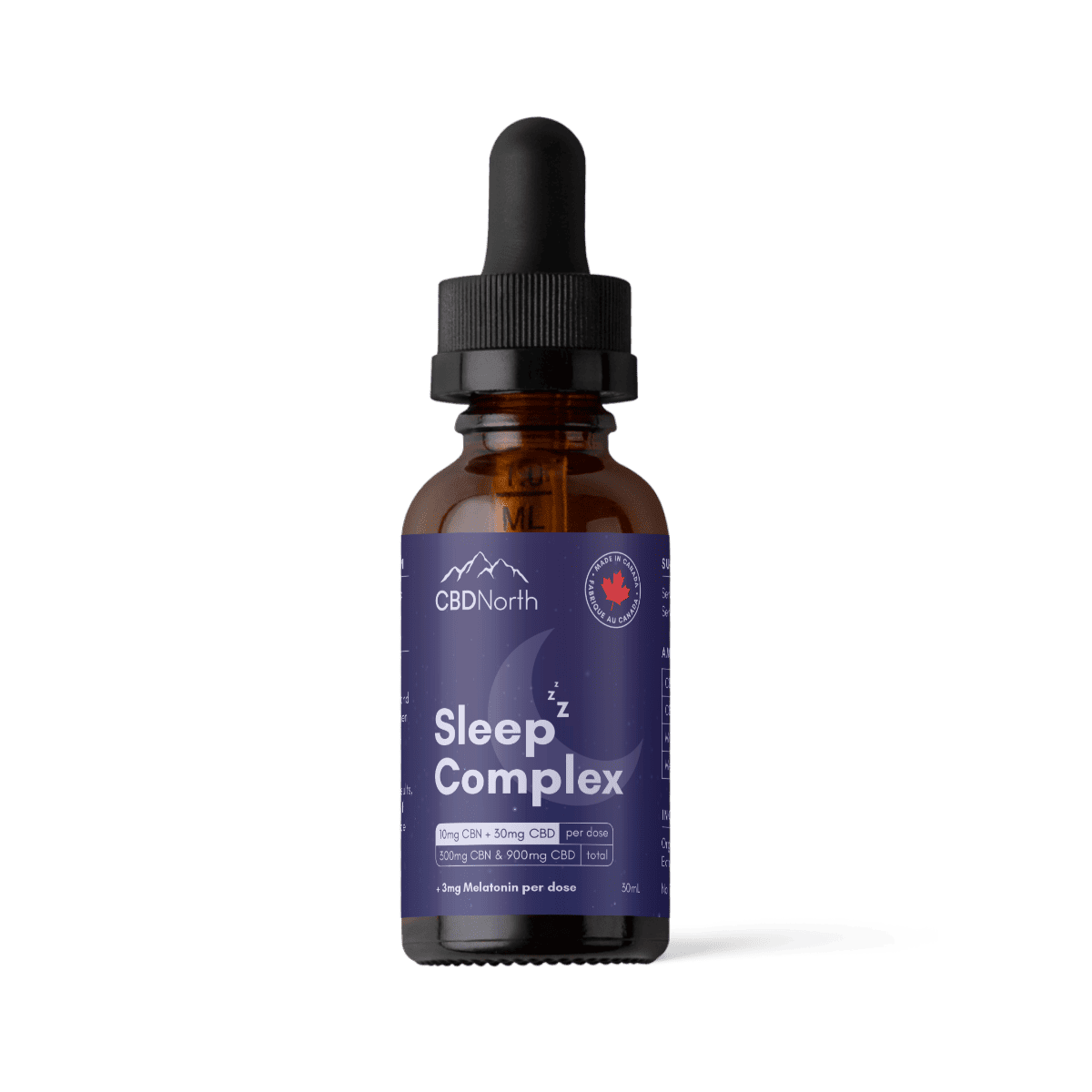
Price range: $74.74 through $129.99
What We Don’t Know Yet: Honest Research Gaps
- No peer reviewed human clinical trial as of 2025 has specifically tested CBD as a tinnitus treatment. The existing evidence comes entirely from animal models, neurological reviews, and general wellness trials that included participants with tinnitus among many other conditions.
- A 2021 review in Frontiers in Neurology found that some animal studies showed cannabinoids could actually increase tinnitus related neural activity in certain brain regions. This is a genuinely important caution that is often left out of consumer facing content about CBD and tinnitus.
- The relationship between CBD and the auditory cortex in humans is not yet understood well enough to make any confident claims about direct tinnitus relief. What exists right now is mechanistic theory, not clinical proof.
- Health Canada’s Natural Health Product pathway for CBD remains under active consultation as of 2025. The regulatory framework for CBD products with health adjacent claims continues to evolve and is not yet settled.
- No study has examined whether CBD affects tinnitus differently based on its cause, whether noise induced, age related, medication induced, or linked to conditions like Meniere’s disease. These are meaningfully different situations that research has not yet separated.
Province by Province Access Snapshot
| Province | Minimum Age | CBDNorth Ships Here | Notes |
|---|---|---|---|
| British Columbia | 19 | Yes | Cannabis Act governs; provincial retailers regulated separately |
| Alberta | 18 | Yes | Lowest provincial minimum age in Canada |
| Ontario | 19 | Yes | AGCO regulates provincial retail |
| Quebec | 21 | Yes | Highest provincial minimum age in Canada |
| Manitoba | 19 | Yes | Standard federal framework applies |
| Saskatchewan | 19 | Yes | Standard federal framework applies |
| Nova Scotia | 19 | Yes | Standard federal framework applies |
| New Brunswick | 19 | Yes | Standard federal framework applies |
| Prince Edward Island | 19 | Yes | Standard federal framework applies |
| Newfoundland | 20 | Yes | Slightly above federal minimum |
| Territories (YT, NT, NU) | 19 | Yes | Varies slightly by territory |
Last Verified: April 2026. Always confirm current rules at canada.ca/health-canada. Provincial rules can and do change.
Real Canadian User Experience Log
The following logs are shared with full user consent. Individual results vary. These are personal experience reports and not medical outcomes.
| Week | Serving | Timing | Reported Effect | Notes |
|---|---|---|---|---|
| Week 1 | 0.5 mL CBD oil (15 mg) sublingual | 30 min before bed | Felt less mentally wound up at bedtime; found it slightly easier to fall asleep despite the ringing | No other changes to routine |
| Week 2 | 0.5 mL CBD oil (15 mg) sublingual | 30 min before bed | Sleep quality felt more consistent; ringing itself unchanged but less distressing at night | Noted that stress at work also lower this week |
| Week 1 | 1 CBD gummy (25 mg) | Evening daily | No strong effect in first week; continued to track | Managing tinnitus alongside mild anxiety |
| Week 3 | 1 CBD gummy (25 mg) | Evening daily | Reported feeling less reactive to the sound; described it as being easier to redirect attention away | Also using CBDNorth anxiety article as reference |
| Week 4 | 0.75 mL CBD oil sublingual | Morning and evening | Preferred splitting the serving; mornings felt calmer and evenings felt more settled | Personal routine adjustment noted |
T.A., Ontario; R.M., Alberta; S.L., British Columbia. Experience logs reflect personal responses and are not predictive of your results. These are not medical outcomes.
CBDNorth Lab Note
Tinnitus is a condition that affects your nervous system every single day, which means the quality and consistency of anything you add to your wellness routine genuinely matters. Every CBDNorth product is tested batch by batch at an ISO certified Canadian laboratory, with full panel results covering cannabinoid content, pesticides, heavy metals, and residual solvents published openly on our lab reports page. Our hemp is USDA organic certified and extracted using supercritical CO2 at every stage. If the cost of accessing CBD is a barrier for you, our Assistance Program is available for Canadians who qualify.
Before adding any new wellness product to your routine, especially if you manage tinnitus alongside anxiety, blood pressure concerns, or take prescription medications, please speak with a qualified healthcare practitioner.
Frequently Asked Questions
Q: Can CBD stop the ringing in my ears? No peer reviewed human trial as of 2025 has shown that CBD stops or reduces tinnitus sounds. Some animal research has actually suggested cannabinoids could increase certain tinnitus related brain activity in some contexts. What some users report is that CBD helps them feel less anxious and sleep better, which may make the ringing feel less distressing even when the sound itself has not changed. Managing tinnitus distress is different from treating tinnitus directly.
Q: Is CBD safe to use if I have tinnitus? For most healthy adults, CBD used at reasonable amounts is generally well tolerated based on existing safety data. However, if your tinnitus is linked to blood pressure changes, medication use, or another underlying condition, it is important to speak with a doctor before adding CBD to your routine. CBD interacts with the CYP450 liver enzyme pathway, which affects how many common medications are processed.
Q: Will CBD make my tinnitus worse? Some animal studies have suggested that cannabinoids could increase tinnitus related neural activity in certain auditory brain regions. This does not mean CBD will definitely make your tinnitus worse, but it is an honest research finding that deserves acknowledgment. If you try CBD and notice your tinnitus feels more intrusive, stop use and speak with your healthcare provider.
Q: How much CBD should I take for tinnitus related anxiety and sleep issues? There is no established amount specifically for tinnitus. Most Canadian adults start with 10 to 25 mg per day and adjust gradually based on their body’s response. CBDNorth’s CBD Dosage Chart gives a practical Canadian framed starting guide. Starting lower and increasing slowly is always the recommended approach.
Q: Does CBD interact with tinnitus medications? CBD affects the CYP450 liver enzyme pathway, which processes many medications. If you take anything prescribed for tinnitus related conditions, including blood pressure medications, SSRIs, or anti-anxiety drugs, speak with your pharmacist before adding CBD. This is a real interaction concern, not just a general caution.
Q: Is CBD legal for tinnitus support in Canada? CBD products fall under Canada’s Cannabis Act. Adults can legally purchase from licensed retailers or reputable online brands. No CBD product can legally claim to treat tinnitus in Canada. The minimum purchase age ranges from 18 to 21 depending on your province. Health Canada’s Natural Health Product pathway for CBD remains under consultation as of 2025.
Before starting any new wellness supplement, please speak with a qualified healthcare practitioner, especially if you manage tinnitus alongside other health conditions or take prescription medications.
These statements have not been evaluated by Health Canada. CBDNorth products are not intended to diagnose, treat, cure, or prevent any disease or medical condition. This content is for educational purposes only and does not constitute medical advice. Please consult a qualified healthcare practitioner before use. Must be 18 and older to purchase; age requirements vary by province.