CBD is not a treatment for type 2 diabetes and does not lower blood sugar on its own. Early research has explored possible links between cannabinoids, inflammation, and insulin sensitivity, but the evidence is far from conclusive. Anyone with diabetes who is curious about CBD must speak with their doctor first, because of real interaction and blood sugar safety concerns.
Type 2 diabetes affects millions of Canadians, and managing it well takes daily attention to medication, diet, and blood sugar. It is natural to wonder whether something like CBD could help. This guide looks honestly at what research is finding, where CBD does and does not fit, and why caution matters. This content is for educational purposes only and is not medical advice.
Key Takeaways
- CBD is not a treatment for type 2 diabetes and does not directly lower blood sugar.
- Early research on cannabinoids, inflammation, and insulin sensitivity is inconclusive.
- CBD can interact with diabetes medications through the liver enzyme system.
- Diabetes management still relies on medication, diet, exercise, and monitoring.
- Anyone with diabetes should speak with their doctor before considering CBD.
What Is Type 2 Diabetes?
Type 2 diabetes is a condition where the body either resists the effects of insulin or does not produce enough of it, leading to high blood sugar. Insulin is the hormone that helps move sugar from the blood into cells for energy. When this system breaks down, blood sugar stays elevated, which over time can damage the body.
Insulin acts like a key. It unlocks your cells so glucose from food can enter and fuel them.
In type 2 diabetes, the cells stop responding properly to that key, a problem called insulin resistance. The pancreas works harder to compensate, but over time it often cannot keep up.
The result is sugar building up in the bloodstream instead of fuelling the body. Persistently high blood sugar can harm the heart, kidneys, nerves, and eyes if left unmanaged.
Chronic low grade inflammation also plays a role in type 2 diabetes. This inflammation link is part of why researchers have looked at compounds like CBD at all.
How Insulin Resistance Develops
A simplified look at what goes wrong in type 2 diabetes
Insulin unlocks cells so glucose enters smoothly. Blood sugar stays in a healthy range after meals.
Cells become less sensitive to insulin. Glucose struggles to enter, so it begins to build up in the blood.
The pancreas makes extra insulin to compensate, but over time it cannot keep pace with demand.
Glucose stays elevated in the bloodstream, the defining feature of type 2 diabetes that needs careful management.
A simplified educational model. Type 2 diabetes develops differently in each person.
Understanding this process makes the role of medication and lifestyle clearer. These genuinely manage the condition, while CBD has no proven role in that core management.
CBD Oil Collection

What Is the Research Actually Finding?
Research on CBD and type 2 diabetes is early, limited, and mixed, with most findings coming from animal and laboratory studies rather than large human trials. Some studies have explored cannabinoids and inflammation or insulin sensitivity, but the results do not show that CBD treats or reverses diabetes. The honest summary is that this remains an open research question.
Much of the interest stems from the inflammation connection. Because type 2 diabetes involves chronic inflammation, and CBD interacts with inflammatory pathways, researchers have asked whether there might be a link.
Some early animal research has looked at cannabinoids and markers related to metabolism. A few studies suggested possible effects on inflammation and insulin related markers, but animal findings often do not translate to humans.
Importantly, no large scale human trial as of 2026 shows CBD lowering blood sugar or improving diabetes outcomes. The gap between early laboratory signals and proven human benefit is significant.
Under Canada’s Cannabis Act, CBD cannot be claimed to treat diabetes. The science simply does not support such a claim, and we will not make one.
The Critical Safety Concern: Blood Sugar and Medications
The most important safety issue is that CBD can interact with diabetes medications, and some of those medications affect blood sugar in ways that matter. CBD is processed by the same liver enzyme system that handles many drugs, so it could change how they work. This makes a doctor’s involvement essential, not optional.
Many people with type 2 diabetes take medications like metformin, sulfonylureas, or insulin. These work in different ways to manage blood sugar, and precise control matters.
CBD affects the CYP450 liver enzyme pathway, as documented by Zendulka and colleagues in 2016 in Current Drug Metabolism. When CBD competes for those enzymes, it can alter the levels of certain medications in the body.
This interaction carries a real risk in diabetes. If a medication’s effect is unexpectedly strengthened, blood sugar could drop too low, a dangerous state known as hypoglycemia.
For this reason, no one with diabetes should add CBD without medical guidance. Only a doctor or pharmacist can assess how CBD might interact with your specific medications and monitoring plan.
Where Might CBD Realistically Fit, If at All?
If CBD has any role for someone with diabetes, it is only as possible support for secondary aspects like stress, sleep, or nerve related discomfort, never as blood sugar management. Even this limited role requires medical clearance first. The diagram below shows the honest scope of where CBD does and does not belong.
CBD and Diabetes: The Honest Scope
Lower or control blood sugar
Treat or reverse diabetes
Replace medication, diet, or exercise
Substitute for blood sugar monitoring
Stress, which some people manage poorly with diabetes
Sleep quality, which affects overall wellbeing
General comfort, with doctor guidance
Only ever alongside, never instead of, real care
Any supportive role is secondary and requires medical clearance first. CBD is never a diabetes treatment.
The stress and sleep angle is the most plausible. Living with a chronic condition is demanding, and stress and poor sleep can affect overall wellbeing, which is where some people explore CBD generally.
Some people with diabetes also experience nerve related discomfort. While CBD is sometimes explored for comfort, this must never distract from proper medical care of nerve complications, which need a doctor’s attention.
Even these secondary uses sit firmly behind a medical conversation. The interaction risk means a doctor must be involved before any diabetic considers CBD for any reason.
CBD Edibles Collection

Why Lifestyle Remains the Foundation
The genuine foundations of managing type 2 diabetes are medication as prescribed, a balanced diet, regular exercise, and consistent blood sugar monitoring. These have strong evidence and real impact. No supplement, including CBD, changes the importance of these proven pillars.
Diet plays a central role. Managing carbohydrate intake and eating balanced meals directly affects blood sugar in a way nothing else replaces.
Exercise improves insulin sensitivity naturally. Regular physical activity helps the body use insulin more effectively, which is genuinely powerful for type 2 diabetes.
Medication and monitoring complete the picture. Taking prescribed medication and checking blood sugar regularly let people and their doctors keep the condition under control.
Against these proven pillars, CBD is at most a minor and unproven extra. Anyone hoping CBD might replace any of these foundations is taking a real risk with their health.
Spectrum Choice and Hidden Sugars to Watch
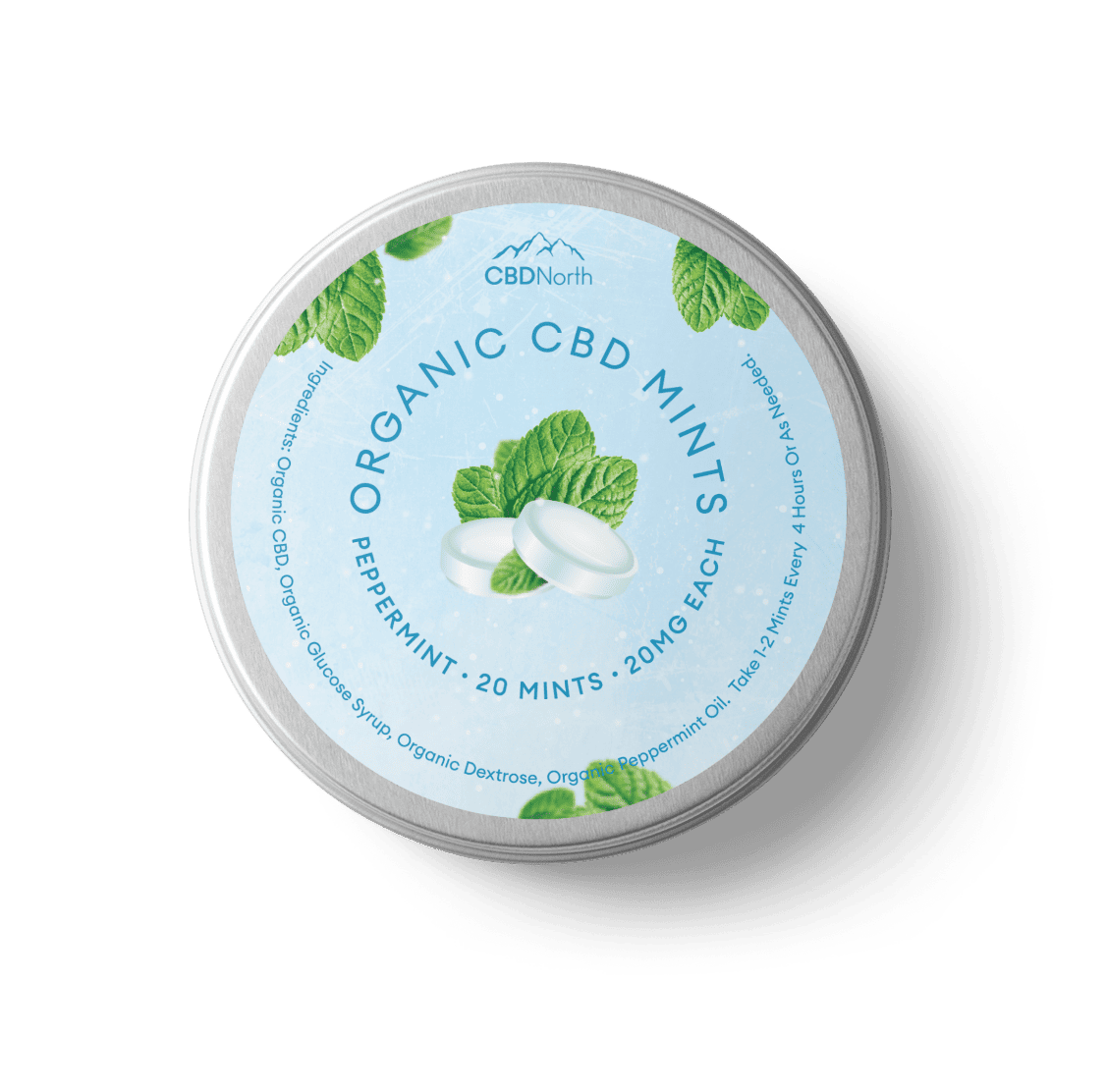
For anyone with diabetes who has medical clearance, two product details matter: the spectrum type and any sugar content in the product. Gummies in particular can contain sugar, which is relevant for blood sugar management. Reading the label carefully becomes especially important here.
Full spectrum CBD contains the full range of cannabinoids, terpenes, and trace THC up to Canada’s legal limit of 1 percent. Broad spectrum removes THC while keeping other cannabinoids, and isolate is pure CBD only.
The sugar point is specific to diabetes. CBD gummies and edibles can contain added sugars, so anyone managing blood sugar should check the product carefully or favour sugar free options and non edible formats.
An oil or capsule avoids the added sugar question entirely. For someone weighing formats, our comparison of how we approach sensitive health topics reflects the same careful, doctor first principle that applies here.
Always verify a product’s Certificate of Analysis to confirm cannabinoid content. Canada allows up to 1 percent THC in cannabis products, which differs from the US federal threshold.
CBD Pain Relief Products

Who Should NOT Use CBD With Diabetes?
This section is mandatory and we never skip it. For diabetes, these cautions are especially important because of the medication and blood sugar concerns.
Anyone on diabetes medication without doctor approval: CBD can interact with metformin, sulfonylureas, insulin, and other drugs through the CYP450 pathway documented by Zendulka et al., 2016. This could affect blood sugar control, so medical clearance is essential first.
Anyone using CBD as a blood sugar treatment: CBD does not manage blood sugar and must never replace prescribed treatment, diet, exercise, or monitoring. Doing so is genuinely dangerous.
Pregnancy and breastfeeding: Health Canada advises against any cannabis product during pregnancy or while breastfeeding. This applies regardless of diabetes status.
Children and youth: CBD products are intended for adults aged 18 and older. Age minimums vary by province from 18 to 21.
People with liver conditions: High dose CBD has shown liver enzyme changes in some studies. Since diabetes can affect the liver, this caution is doubly relevant, and a doctor should be consulted first.
People with diabetic complications: Kidney, eye, or nerve complications need specialist care. CBD must never distract from proper management of these serious issues.
People with allergies to cannabis or hemp: If you have a confirmed allergy to cannabis or hemp, do not use CBD products.
Scheduled surgery: Stop CBD at least two weeks before any planned surgical procedure due to possible effects on blood clotting and anaesthesia interactions.
Province by Province Access Snapshot
CBD access in Canada is governed federally by the Cannabis Act but provincial age minimums vary. In Alberta, adults aged 18 and over can legally purchase CBD products.
In British Columbia, Ontario, Manitoba, Saskatchewan, Nova Scotia, New Brunswick, Prince Edward Island, and the territories of Yukon, Northwest Territories, and Nunavut, the legal age is 19.
Newfoundland and Labrador sets the minimum at 20, while Quebec has the highest provincial minimum at 21. CBDNorth ships organic certified CBD products across all provinces and territories in Canada.
Last Verified: June 2026. Always confirm current rules at canada.ca/health-canada as provincial regulations can change.
What We Don’t Know Yet: Honest Research Gaps
Whether CBD has any meaningful effect on insulin sensitivity in humans is not established. Most signals come from animal and laboratory work that may not translate to people.
The precise way CBD interacts with each specific diabetes medication has not been fully mapped. While the CYP450 pathway is understood broadly, drug specific effects remain unclear.
Long term effects of CBD use in people with diabetes have not been studied. Most research runs over weeks or months in other contexts entirely.
Health Canada’s Natural Health Product pathway for CBD remains under active consultation as of 2026. The regulatory framework continues to evolve.
Common Questions We Get Asked at CBDNorth
These are some of the real questions Canadians with diabetes bring to us about CBD. We share them because the concerns behind them come up often and deserve honest answers. Individual circumstances vary, and these are general responses rather than medical advice.
“Can CBD lower my blood sugar?” No, CBD does not lower blood sugar, and you should never rely on it to do so. The research does not support that, and treating CBD as a blood sugar tool is risky. Your prescribed medication, diet, and monitoring remain the things that actually manage your levels.
“Is it safe to take CBD with metformin or insulin?” This is exactly the question for your doctor, because CBD can interact with these medications through the liver. The concern is that it could affect how your medication works and your blood sugar control. Never combine them without medical clearance and a monitoring plan.
“My friend says CBD cured their diabetes. Is that true?” No, that is not accurate, and we would gently caution against that belief. CBD does not cure or treat diabetes, and no credible evidence supports such claims. Anyone managing diabetes well is doing so through proper care, not through CBD.
“Are CBD gummies okay if I am watching my sugar?” Gummies can contain added sugar, which matters for blood sugar management. If you have clearance to use CBD, an oil or capsule avoids that issue, or you can look for sugar free options. Always read the label carefully.
“Could CBD help with the stress of managing diabetes?” Some people explore CBD generally for stress and sleep, which can be hard with any chronic condition. That said, with diabetes the interaction risk means you must clear it with your doctor first. The stress angle never overrides the safety conversation.
CBDNorth Lab Note
We want to be clear and responsible on this topic. CBDNorth does not present CBD as a treatment for diabetes or as a way to manage blood sugar, and we encourage anyone with diabetes to put their medical care first.
For anyone who has medical clearance to use CBD, product transparency matters, including knowing the exact contents and any sugar in edible products. Every CBDNorth product is tested batch by batch at an ISO certified Canadian laboratory, with full panel results covering cannabinoid levels, pesticides, heavy metals, and residual solvents, all available openly on our lab reports page.
Our hemp is USDA organic certified and extracted using supercritical CO2 with no harsh solvent residues. This transparency lets you and your doctor make informed choices.
If the cost of accessing quality lab tested CBD is a barrier for you, our Assistance Program is available for Canadians who qualify. For anyone with diabetes, please speak with a qualified healthcare practitioner before considering CBD, as we also stress in our guides on conditions like CBD for endometriosis and CBD for Crohn’s disease.
Frequently Asked Questions
Q: Does CBD help manage blood sugar levels?
No, CBD does not directly manage or lower blood sugar. Early research on cannabinoids, inflammation, and insulin sensitivity is limited and mixed, mostly from animal studies.
No large human trial as of 2026 shows CBD improving blood sugar or diabetes outcomes. CBD cannot be claimed to treat diabetes under Canada’s Cannabis Act.
Q: Can CBD interact with diabetes medications?
Yes, this is the central safety concern. CBD is processed by the same CYP450 liver enzyme system as many diabetes medications, including some that affect blood sugar.
This interaction could affect how your medication works and, in some cases, risk blood sugar dropping too low. Always speak with your doctor before combining CBD with diabetes medication.
Q: Can CBD treat or cure type 2 diabetes?
No. CBD does not treat, manage, or cure type 2 diabetes, and no credible evidence supports such claims.
Type 2 diabetes is managed through prescribed medication, diet, exercise, and blood sugar monitoring. CBD has no proven role in that core management and should never replace it.
Q: Are CBD gummies safe for people watching their sugar?
CBD gummies can contain added sugar, which matters for anyone managing blood sugar. If you have medical clearance to use CBD, an oil or capsule avoids the added sugar question entirely.
You can also look for sugar free options. Always read the product label carefully and check with your doctor.
Q: Could CBD help with insulin sensitivity?
Some early animal and laboratory research has explored cannabinoids and insulin related markers, but the results are inconclusive and do not translate to proven human benefit.
Whether CBD meaningfully affects insulin sensitivity in people is not established. This remains an open research question rather than a basis for any health claim.
Q: Should someone with diabetes ever use CBD?
Only with a doctor’s guidance and never as a substitute for diabetes care. If someone with diabetes is curious about CBD for stress or sleep, the interaction risk means a medical conversation must come first.
Diabetes management through medication, diet, exercise, and monitoring always remains the priority.
Before considering any wellness supplement with diabetes, please speak with a qualified healthcare practitioner, especially given the medication and blood sugar concerns. Never use CBD as a substitute for your prescribed diabetes treatment, diet, exercise, or monitoring.
These statements have not been evaluated by Health Canada. CBDNorth products are not intended to diagnose, treat, cure, or prevent any disease or medical condition. This content is for educational purposes only and does not constitute medical advice. Please consult a qualified healthcare practitioner before use. Must be 18 and older to purchase; age requirements vary by province.