One of the most common safety questions Canadians ask about CBD is whether it affects the liver. It is a sensible question, because the liver is the organ that does most of the work processing CBD, and headlines about CBD and liver enzymes have circulated widely over the past few years.
The honest answer is more nuanced than either the reassuring or the alarming headlines suggest. For most healthy adults using typical wellness doses, the evidence does not point to meaningful liver harm.
At the same time, there are real considerations involving very high doses, medication interactions, and people with existing liver conditions. This guide walks through what the research actually shows, why the liver matters so much for CBD specifically, and how to use it sensibly.
This content is for educational purposes only and is not medical advice.
Why Does the Liver Matter So Much for CBD?
The liver is your body’s primary detoxification and processing organ. Almost everything you ingest, whether food, medication, alcohol, or supplements, passes through the liver where it is broken down into components your body can use or eliminate.
CBD is no exception. When you swallow CBD, it travels through your digestive system and then through the liver before reaching the rest of your body.
The liver processes CBD using a family of enzymes called the cytochrome P450 system, usually abbreviated as CYP450. This same enzyme family is responsible for metabolising a large proportion of common medications.
Two specific enzymes within this system, CYP3A4 and CYP2C19, do most of the work breaking down CBD. The reason this matters is that these enzymes have a finite processing capacity.
When CBD occupies these enzymes, it can slow down the processing of other substances that rely on the same pathway. This is the root of both the medication interaction concern and the liver enzyme discussion.
Understanding this enzyme system is the key to understanding the whole CBD and liver picture. The liver is not being damaged simply by processing CBD under normal circumstances.
Rather, the concern arises in specific situations where the processing load becomes unusually high, whether through very large doses or through competition with other medications. We covered the broader picture of dosing limits in our guide on what happens if you take too much CBD, and the liver is central to that discussion.
What Does the Research Say About CBD and Liver Enzymes?
The concern about CBD and liver enzymes traces back largely to clinical trials of pharmaceutical grade CBD used to treat severe epilepsy. These trials used very high doses, often in the range of hundreds of milligrams per day or dosed by body weight at levels far above typical wellness use.
In these high dose trials, some participants showed elevated levels of liver enzymes called transaminases, specifically ALT and AST. Elevated transaminases are a marker that can indicate the liver is under stress.
A 2021 review published in Molecules by Watkins and colleagues examined the available evidence on CBD and liver function. The review found that elevated liver enzymes have been observed in high dose CBD trials, but importantly noted that these elevations were usually reversible when CBD was reduced or discontinued.
The review also noted that many of the participants who showed enzyme elevations were simultaneously taking other medications known to affect the liver, particularly valproate, an antiepileptic drug. This is a critical detail.
The enzyme elevations seen in these trials were strongly associated with the combination of high dose CBD plus other liver processed medications, rather than CBD alone in isolation. This makes it difficult to attribute the effect purely to CBD.
The doses involved are also worth keeping in perspective. The epilepsy trials that raised these concerns used doses that were many times higher than what a typical Canadian takes for wellness purposes.
A wellness user taking 10 to 50 mg of CBD per day is operating in a completely different dose range from a clinical trial participant taking 600 mg or more per day. Extrapolating the high dose findings directly to everyday wellness use overstates the risk for most people.
This does not mean the findings are irrelevant. They tell us that CBD does interact with liver function in a measurable way at high enough doses, which is exactly why dose, medication interactions, and existing liver conditions all matter.
The takeaway is not that CBD is dangerous for the liver, but that it deserves respect and sensible use rather than casual high dosing.
CBD Oil Collection
Understanding the CYP450 Medication Interaction
The most practically important liver related consideration for most Canadians is not direct liver damage but the interaction between CBD and other medications through the CYP450 enzyme system. This is documented in peer reviewed research by Zendulka and colleagues in Current Drug Metabolism, 2016.
The mechanism is straightforward to understand. When CBD occupies the CYP450 enzymes, those enzymes have less capacity to process other medications that use the same pathway.
This can cause those other medications to be broken down more slowly, which means they stay in the body longer and at higher concentrations than intended. For some medications this is harmless, but for medications with a narrow therapeutic window, where the difference between an effective dose and a problematic dose is small, this can matter significantly.
Medications that are commonly affected by this interaction include blood thinners like warfarin, certain antiepileptic drugs, some antidepressants, statins used for cholesterol, certain heart medications, and some immunosuppressants. There is a useful rule of thumb that some doctors mention.
If a medication carries a grapefruit warning, telling you not to consume grapefruit while taking it, there is a reasonable chance it is processed through the same enzyme pathway that CBD affects. Grapefruit inhibits CYP3A4 in a similar way to CBD.
While this is not a perfect guide, it is a helpful starting point for thinking about which medications warrant a conversation with your pharmacist before adding CBD. The key practical action here is simple.
If you take any prescription medication regularly, speak with your pharmacist or doctor before starting CBD. Pharmacists are particularly well placed to advise on this because they have detailed knowledge of drug interactions and can check your specific medications against the CYP450 pathway.
This single step prevents the large majority of CBD related liver and medication concerns. It is worth noting that this interaction works in both directions and can also relate to blood pressure medications.
If you are exploring CBD while managing cardiovascular health, our guide on whether CBD lowers blood pressure covers some of the considerations relevant to combining CBD with heart and blood pressure medications.
Who Is Most at Risk for CBD Related Liver Concerns?
Understanding who faces elevated risk helps put the liver discussion in proper perspective. For a healthy adult with normal liver function taking a moderate wellness dose, the risk is low.
The risk profile changes meaningfully for certain groups, and knowing whether you fall into one of them is the most useful thing you can take from this article. People taking multiple medications, often called polypharmacy, face higher interaction risk simply because more medications mean more opportunities for CYP450 competition.
Older Canadians who take several daily medications should be particularly careful and should always involve their pharmacist before adding CBD. The cumulative interaction picture can be complex.
People with pre existing liver conditions face higher risk because their liver already has reduced processing capacity. Conditions like hepatitis, fatty liver disease, cirrhosis, or any other diagnosed liver impairment mean the organ is working with less reserve.
Adding the processing load of CBD to an already compromised liver is a genuine concern that warrants medical guidance before any use. People taking very high doses of CBD face higher risk regardless of their other circumstances.
The enzyme elevations seen in research occurred at doses far above typical wellness use. Anyone considering high doses, particularly self directed high doses without medical supervision, is moving into the dose range where the liver findings become more relevant.
People who consume significant amounts of alcohol also place additional load on the liver. Combining heavy alcohol use with regular CBD is not well studied, but since both are processed by the liver, prudence suggests moderation and medical guidance.
How Format and Dose Affect Liver Load
The way you take CBD affects how much of it reaches your liver and how it is processed. This is a useful and often overlooked dimension of the liver safety conversation.
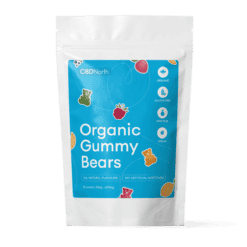
Swallowed CBD, including gummies, capsules, and oil that is swallowed rather than held under the tongue, passes through the liver via first pass metabolism. This means the full swallowed dose reaches the liver to be processed.
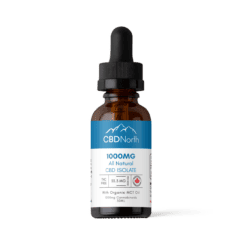
Sublingual oil held under the tongue absorbs partly through the mouth’s mucous membranes directly into the bloodstream, bypassing some of the first pass liver processing. In practical terms, this distinction is most relevant at higher doses.
At typical wellness doses the difference in liver load between formats is modest, but the principle is worth understanding. Topical CBD products work locally at the application site and do not reach the bloodstream or liver in meaningful amounts.
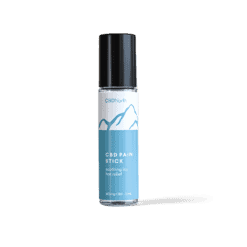
This is why topicals are generally considered low risk from a liver and medication interaction perspective. For people who want CBD’s potential localised benefits without any liver processing consideration, topicals are a sensible option.
The single most important factor for liver safety, however, is dose. Keeping your dose in the moderate wellness range rather than chasing high doses is the simplest and most effective way to stay well clear of the dose levels associated with liver enzyme changes in research.
Most Canadian adults find their effective wellness dose somewhere between 10 and 50 mg per day, which is far below the levels involved in the high dose epilepsy trials. The principle of finding the minimum effective dose serves both your wallet and your liver.
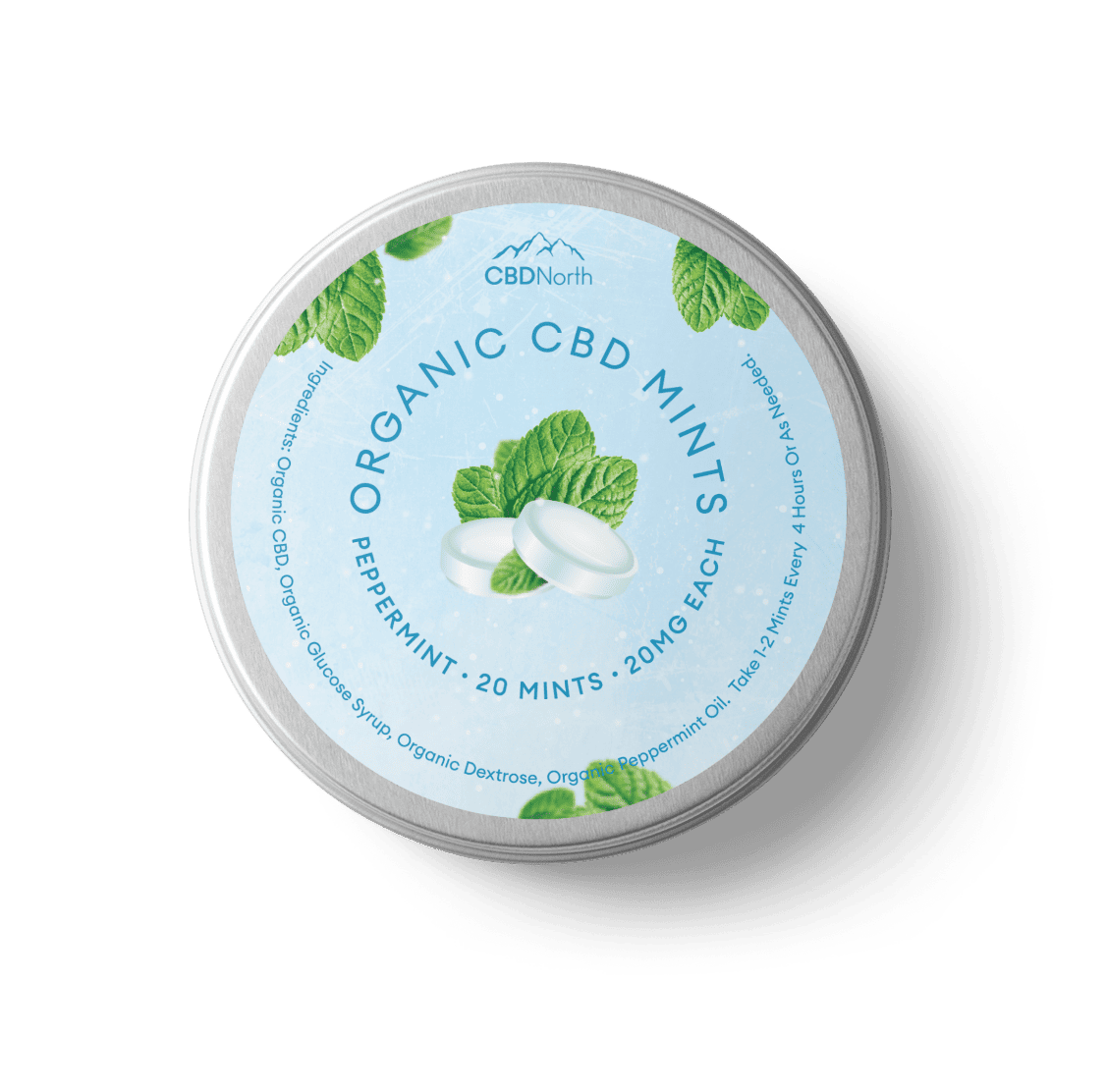
CBD Edibles Collection
Practical Steps to Protect Your Liver When Using CBD
If you want to use CBD while being sensible about liver health, there are several practical steps that meaningfully reduce risk. These are not complicated and most come down to common sense combined with the specific knowledge that CBD is liver processed.
Speak with your pharmacist or doctor before starting if you take any prescription medication. This is the single most important step and addresses the most common liver related concern, which is medication interaction.
Start low and stay moderate. Beginning at a low dose and only increasing gradually keeps you well within the safe wellness range and away from the high doses associated with enzyme changes.
If you have any existing liver condition, do not start CBD without medical clearance. This is not an area for self experimentation.
Consider periodic liver function testing if you use CBD daily over a long period, particularly if you have any risk factors. A simple blood test can check your liver enzymes and provide reassurance or early warning.
Many Canadians who use CBD long term include liver function in their routine annual blood work as a sensible precaution. Moderate your alcohol intake if you use CBD regularly, since both place processing demand on the liver.
Choose products that are accurately labelled and third party tested. A product that contains far more CBD than its label states could deliver an unintentionally high dose, undermining your careful dosing.
This is one of the practical reasons that lab tested products matter for safety, not just for quality assurance.
Does Spectrum Choice Affect Liver Considerations?
The spectrum of CBD you choose, full spectrum, broad spectrum, or isolate, does not dramatically change the liver picture, but there are minor considerations worth understanding. The CBD itself is processed by the liver the same way regardless of spectrum.
Full spectrum products contain additional cannabinoids and the trace THC permitted under Canada’s 1 percent limit, along with terpenes and other plant compounds. Some of these additional compounds are also processed by the liver, which means a full spectrum product introduces a slightly more complex mix of substances for the liver to handle.
For most people this is not a meaningful concern, but for those with liver sensitivity it is a reason some choose isolate. Broad spectrum products remove THC while keeping other cannabinoids and terpenes.
Isolate products contain pure CBD only, which means the liver is processing a single known compound rather than a mix. For people who want the most predictable and simplest profile from a liver processing standpoint, isolate offers that simplicity.
The trade off is that isolate does not offer the entourage effect that some users value in full spectrum products. As always, verify your product’s Certificate of Analysis to confirm exactly what cannabinoids and what THC level are present.
Who Should NOT Use CBD Because of Liver Considerations?
This section is mandatory and we never skip it.
People with diagnosed liver conditions: If you have hepatitis, fatty liver disease, cirrhosis, or any other liver impairment, do not use CBD without explicit medical clearance. Your liver has reduced processing capacity and the additional load is a genuine concern.
Pregnancy and breastfeeding: Health Canada advises against using any cannabis product during pregnancy or while breastfeeding. This applies to CBD regardless of format or liver considerations.
Children and youth: CBD products are intended for adults aged 18 and older. Age minimums vary by province from 18 to 21. These products are not appropriate for anyone under the legal age in their province.
People taking medications through the CYP450 pathway: This is the central caution of this article. CBD affects the liver enzyme system that processes blood thinners, antiepileptic drugs, antidepressants, statins, certain heart medications, and many others.
This interaction is documented in peer reviewed research by Zendulka et al., 2016, Current Drug Metabolism. If you take any prescription medication regularly, speak with your pharmacist before adding CBD.
People undergoing treatment for serious illness: Many medications used in cancer treatment and other serious conditions are processed through the same liver pathway as CBD. Anyone in active treatment should speak with their specialist before considering CBD.
Heavy alcohol users: Combining significant alcohol consumption with regular CBD places compounded demand on the liver. Moderation and medical guidance are advisable.
People with allergies to cannabis or hemp: If you have a confirmed allergy to cannabis or hemp, do not use CBD products regardless of any other consideration.
Scheduled surgery: Some healthcare practitioners recommend stopping CBD at least two weeks before any planned surgical procedure due to possible effects on blood clotting and anaesthesia interactions, both of which involve liver processed medications.
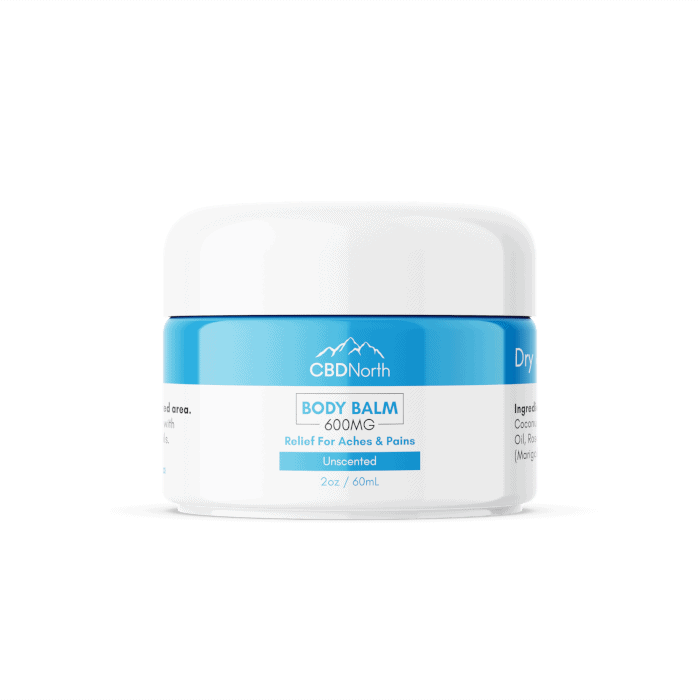
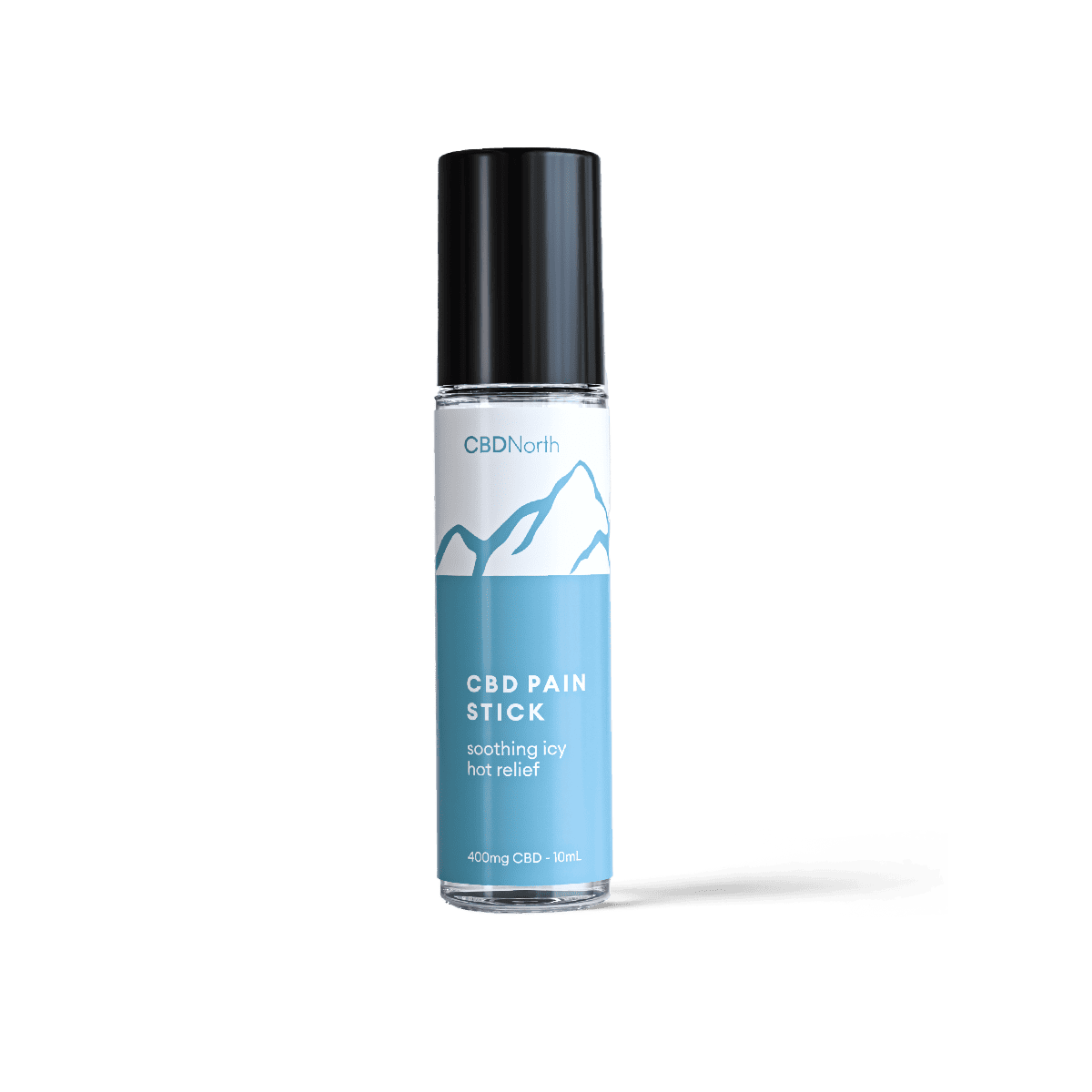
CBD Pain Relief Products
Province by Province Access Snapshot
CBD access in Canada is governed federally by the Cannabis Act but provincial age minimums vary. In Alberta, adults aged 18 and over can legally purchase CBD products.
In British Columbia, Ontario, Manitoba, Saskatchewan, Nova Scotia, New Brunswick, Prince Edward Island, and the territories of Yukon, Northwest Territories, and Nunavut, the legal age is 19.
Newfoundland and Labrador sets the minimum at 20, while Quebec has the highest provincial minimum at 21. CBDNorth ships organic certified CBD products across all provinces and territories in Canada.
Last Verified: May 2026. Always confirm current rules at canada.ca/health-canada as provincial regulations can change.
What We Don’t Know Yet: Honest Research Gaps
The exact dose threshold at which CBD causes clinically meaningful liver enzyme changes in healthy everyday wellness users has not been precisely established. Most data comes from high dose pharmaceutical trials rather than typical wellness dosing.
The long term effects of daily moderate dose CBD use on liver function across many years have not been studied in robust form. Most clinical trials run for weeks or months, not the years that many wellness users continue.
Whether certain people are genetically predisposed to greater CBD related liver enzyme sensitivity through variations in their CYP450 enzymes is not well characterised. Personalised liver risk profiling based on genetics does not exist for CBD as of 2025.
The specific interaction effects between CBD and many individual medications have not been studied in dedicated trials. The general CYP450 caution applies but precise effects with precise medications often remain unclear.
Health Canada’s Natural Health Product pathway for CBD remains under active consultation as of 2025. The regulatory framework continues to evolve.
Real Canadian User Experience Log
The following logs are shared with full user consent. Individual results vary. These are personal experience reports and not medical outcomes.
J.M., Ontario, pharmacist consult: Spoke with pharmacist before starting CBD because of cholesterol statin medication. Pharmacist advised starting low and monitoring.
Began at 10 mg daily and included liver function in routine annual blood work. No enzyme changes observed over the following year at the low dose.
L.R., British Columbia, dose moderation: Initially used 60 mg daily thinking more would help. After reading about liver considerations, reduced to 20 mg daily.
Found the lower dose just as effective for sleep support and felt more comfortable about long term use. Considers the lower dose more sustainable.
A.D., Alberta, topical preference: Has fatty liver diagnosis and was advised against ingestible CBD by doctor. Switched entirely to topical CBD balm for localised joint discomfort.
Topical approach avoided the liver processing concern while still addressing the targeted area. Confirmed approach with doctor before continuing.
N.S., Quebec, long term monitoring: Has used 25 mg CBD daily for over two years for general wellness. Includes liver function tests in annual physical as a precaution.
No liver enzyme changes observed across multiple years of monitoring at the moderate dose. Attributes peace of mind partly to the regular testing routine.
CBDNorth Lab Note
Accurate labelling is a genuine liver safety issue, not just a quality matter. If a product contains far more CBD than its label claims, you could be taking a much higher dose than intended, which moves you closer to the dose range associated with liver enzyme changes in research.
Every CBDNorth product is tested batch by batch at an ISO certified Canadian laboratory, with full panel results covering cannabinoid levels, pesticides, heavy metals, and residual solvents all available openly on our lab reports page. This means the dose on the label is the dose in the bottle.
Our hemp is USDA organic certified and extracted using supercritical CO2 with no harsh solvent residues. Clean formulation matters because contaminants place their own additional burden on the liver.
If the cost of accessing quality lab tested CBD is a barrier for you, our Assistance Program is available for Canadians who qualify. Before adding any new wellness product to your routine, especially if you take prescription medications or have any liver concern, please speak with a qualified healthcare practitioner.
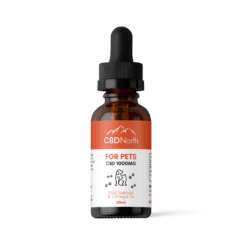
It is also worth noting that liver considerations apply to pets as well as people. If you are exploring CBD for an animal, our guide on CBD for dogs with arthritis and joint pain covers the separate considerations relevant to animals, including the importance of veterinary guidance.
Frequently Asked Questions
Q: Is CBD safe for your liver?
For most healthy adults using typical wellness doses of 10 to 50 mg per day, the evidence does not point to meaningful liver harm. Liver enzyme elevations have been observed in high dose pharmaceutical trials, often in people also taking other liver processed medications, and these were usually reversible.
The main practical concern is the interaction between CBD and other medications, not direct liver damage. If you take prescription medication or have a liver condition, speak with your doctor first.
Q: Does CBD raise liver enzymes?
Elevated liver enzymes have been observed in clinical trials using very high doses of pharmaceutical grade CBD, often hundreds of milligrams per day. These elevations were usually reversible when CBD was reduced.
At typical wellness doses, which are far lower, this effect is much less likely. The findings come from a dose range most wellness users never approach.
Q: Can I take CBD with my prescription medication?
It depends on the medication. CBD affects the CYP450 liver enzyme system that processes many common medications, including blood thinners, statins, antidepressants, and antiepileptic drugs.
A useful clue is that medications carrying a grapefruit warning often use the same pathway CBD affects. Always speak with your pharmacist before combining CBD with any prescription medication.
Q: Should I get my liver checked if I use CBD?
For most healthy adults at moderate doses, routine liver monitoring beyond normal medical care is not strictly necessary. However, if you use CBD daily over a long period, take other medications, or have any risk factors, including liver function in your routine annual blood work is a sensible precaution.
A simple blood test can check your liver enzymes and provide reassurance.
Q: Is topical CBD safer for the liver than oil or gummies?
Topical CBD products work locally at the application site and do not reach the bloodstream or liver in meaningful amounts. This makes them generally low risk from a liver and medication interaction perspective.
For people with liver concerns who want localised support, topicals are often a sensible choice. They cannot, however, address whole body wellness needs like sleep or stress the way ingestible formats can.
Q: Does the format of CBD affect liver load?
Swallowed CBD like gummies and capsules passes through the liver via first pass metabolism, so the full dose reaches the liver. Sublingual oil bypasses some of this first pass processing.
At typical wellness doses the difference is modest. The most important factor for liver safety is keeping your dose moderate rather than which format you choose. For comparing oil and gummies, our CBD sleep gummies vs oil guide covers the practical differences.
Before starting any new wellness supplement, please speak with a qualified healthcare practitioner, especially if you take prescription medications or have any liver condition.
These statements have not been evaluated by Health Canada. CBDNorth products are not intended to diagnose, treat, cure, or prevent any disease or medical condition. This content is for educational purposes only and does not constitute medical advice. Please consult a qualified healthcare practitioner before use. Must be 18 and older to purchase; age requirements vary by province.