Crohn’s disease affects roughly 1 in every 150 Canadians, making Canada one of the countries with the highest rates of inflammatory bowel disease in the world. The condition causes chronic inflammation along the digestive tract.
It brings unpredictable flares of abdominal pain, urgent bowel movements, fatigue, and the kind of physical and emotional toll that can dominate a person’s daily life. Conventional treatments work for many Canadians but not all, and many come with side effects.
More Canadians living with Crohn’s are now asking whether CBD might offer some additional support alongside their existing treatment plan. This guide takes an honest look at what the early research actually shows, why this is one of the conditions where caution matters most, and what to think about before trying cannabidiol for Crohn’s.
This content is for educational purposes only and is not medical advice.
Canadian Cannabinoid Honesty Scorecard
Evidence Strength at a Glance
Naftali et al., 2017, Digestive Diseases and Sciences
De Filippis et al., 2011, PLoS ONE
Sharkey and Wiley, 2016, Gastroenterology
Mixed results in Naftali et al. trials; CDAI improvement seen, inflammatory markers not
Not supported by clinical evidence
Not supported by clinical evidence as of 2025
What Is Crohn’s Disease and How Does It Affect the Body?
Crohn’s disease is one of two main forms of inflammatory bowel disease, or IBD. The other is ulcerative colitis. Both are autoimmune conditions where the body’s immune system mistakenly attacks healthy tissue in the digestive tract.
Crohn’s specifically can affect any part of the digestive system from the mouth to the anus, though it most commonly involves the small intestine and the beginning of the large intestine. The inflammation tends to occur in patches rather than continuously.
This can affect not just the surface lining but deeper layers of the bowel wall. This is why complications like strictures, fistulas, and abscesses can develop over time in people whose Crohn’s is not well controlled.
The symptoms vary widely between individuals and even within the same person over time. Active flares can bring severe abdominal cramping, persistent diarrhoea, blood in the stool, dramatic weight loss, fatigue that is hard to describe to people who have not experienced it, and complications outside the gut.
These external complications can include joint pain, skin issues, and eye inflammation. Between flares, people may experience periods of remission where symptoms are minimal or absent, but the underlying disease process continues.
This is what makes Crohn’s particularly difficult. It is chronic, unpredictable, and currently incurable.
Conventional treatment focuses on reducing inflammation, managing flares, maintaining remission, and preventing long term complications. The medications used include corticosteroids, immunomodulators, biologic therapies like anti TNF drugs, and in some cases surgery.
These treatments work well for many Canadians but they also carry meaningful side effects and not everyone responds completely. This is part of why interest in complementary approaches like CBD has grown.
How Might CBD Interact With Crohn’s Disease Mechanisms?
The endocannabinoid system, or ECS, is present throughout the digestive tract. CB1 and CB2 receptors, the two main receptors of the ECS, are found in the gut wall, the immune cells lining the intestine, and the nerves that control gut movement and sensation.
A 2016 review in Gastroenterology by Sharkey and Wiley described the ECS as a regulator of gut motility, visceral sensation, intestinal inflammation, and immune balance. All four of these are directly relevant to Crohn’s disease.
This is why researchers have been interested in cannabinoids as a potential approach to IBD for years. CBD does not bind directly to CB1 or CB2 receptors the way THC does. Instead it works indirectly by slowing the breakdown of naturally produced endocannabinoids.
CBD also influences several other receptor pathways including PPAR-gamma and TRPV1, both of which are involved in inflammation and gut function. Lab and animal research has shown that CBD can reduce intestinal inflammation in models of colitis.
A 2011 study published in PLoS ONE by De Filippis and colleagues found that CBD reduced inflammatory markers and intestinal damage in chemically induced colitis models. This is mechanistically encouraging but the translation from lab models to human Crohn’s disease is far from automatic.
The human evidence is where things get complicated. Two small randomised controlled trials by Naftali and colleagues, published in Digestive Diseases and Sciences and other journals, examined CBD in Crohn’s disease patients.
The findings were genuinely mixed. Patients reported feeling better in terms of quality of life and overall symptom scores, but objective inflammatory markers like C reactive protein and calprotectin did not show meaningful improvement.
This is a critically important distinction. It means CBD may help people with Crohn’s feel better without actually reducing the underlying disease activity. Feeling better is not nothing, but in a condition where unchecked inflammation causes long term damage, symptom relief without disease modification is not a safe substitute for proper treatment.
What the Clinical Trials Actually Found
The two most directly relevant human trials in this space come from research groups in Israel. The first, published in 2013, examined cannabis (which contains THC and CBD together) in 21 patients with Crohn’s disease who had not responded well to conventional treatments.
The patients reported significant improvement in disease activity scores. However, this trial used cannabis containing THC rather than CBD alone, so it does not tell us much about CBD specifically.
A follow up trial by the same group, published in 2017 in Digestive Diseases and Sciences, looked specifically at oral CBD in Crohn’s disease. This trial was small, with around 20 patients, and used 10 mg of CBD twice daily over eight weeks.
The findings showed no significant difference between the CBD group and the placebo group in terms of disease activity scores or inflammatory markers. The authors suggested that the dose may have been too low to produce meaningful effects, but the trial as conducted did not support CBD as an effective Crohn’s intervention at that dose.
This is what makes the Crohn’s situation different from many other CBD use cases. The honest summary is that the strongest available human evidence does not yet show CBD as effective for Crohn’s disease specifically.
What we have is encouraging mechanistic research, mixed clinical results, and ongoing patient reports of subjective improvement that has not been clearly tied to objective disease changes. Anyone considering CBD for Crohn’s should approach it with this clear picture rather than the hype that sometimes surrounds cannabinoid wellness claims.
Where Might CBD Realistically Fit Into a Crohn’s Routine?
If CBD is not yet demonstrated to treat Crohn’s disease at a fundamental level, the next question is whether it has any reasonable place in a broader management approach. The honest answer, based on existing evidence, is that it might offer adjunctive support for some related concerns.
This is not the same as treating the disease itself, and the distinction matters.
Three areas where Canadians with Crohn’s sometimes report finding CBD useful are anxiety, sleep, and the secondary nausea that can accompany flares or treatments. Crohn’s is genuinely linked to higher rates of anxiety and depression.
This makes sense given the unpredictability of the condition and its impact on daily life. CBD’s research on the 5-HT1A serotonin receptor and the HPA axis gives a plausible biological basis for some users finding it useful for the anxiety and stress that comes with chronic illness.
Sleep is often disrupted in active Crohn’s, both by physical symptoms and by the stress of managing a chronic condition. CBD’s potential effects on sleep architecture are not specific to Crohn’s but may offer some support during difficult periods.
Nausea is a common feature of Crohn’s flares and a frequent side effect of some Crohn’s medications. CBD’s animal research on nausea pathways through the 5-HT1A receptor is interesting in this context, and we explore that connection more in our CBD for nausea guide.
None of this is the same as treating Crohn’s. It is potential support for some of the wider impacts of living with Crohn’s. Anyone considering this approach should view CBD as a possible addition to a treatment plan rather than a replacement for it.
This decision should be made with the involvement of the gastroenterologist who manages the underlying disease.
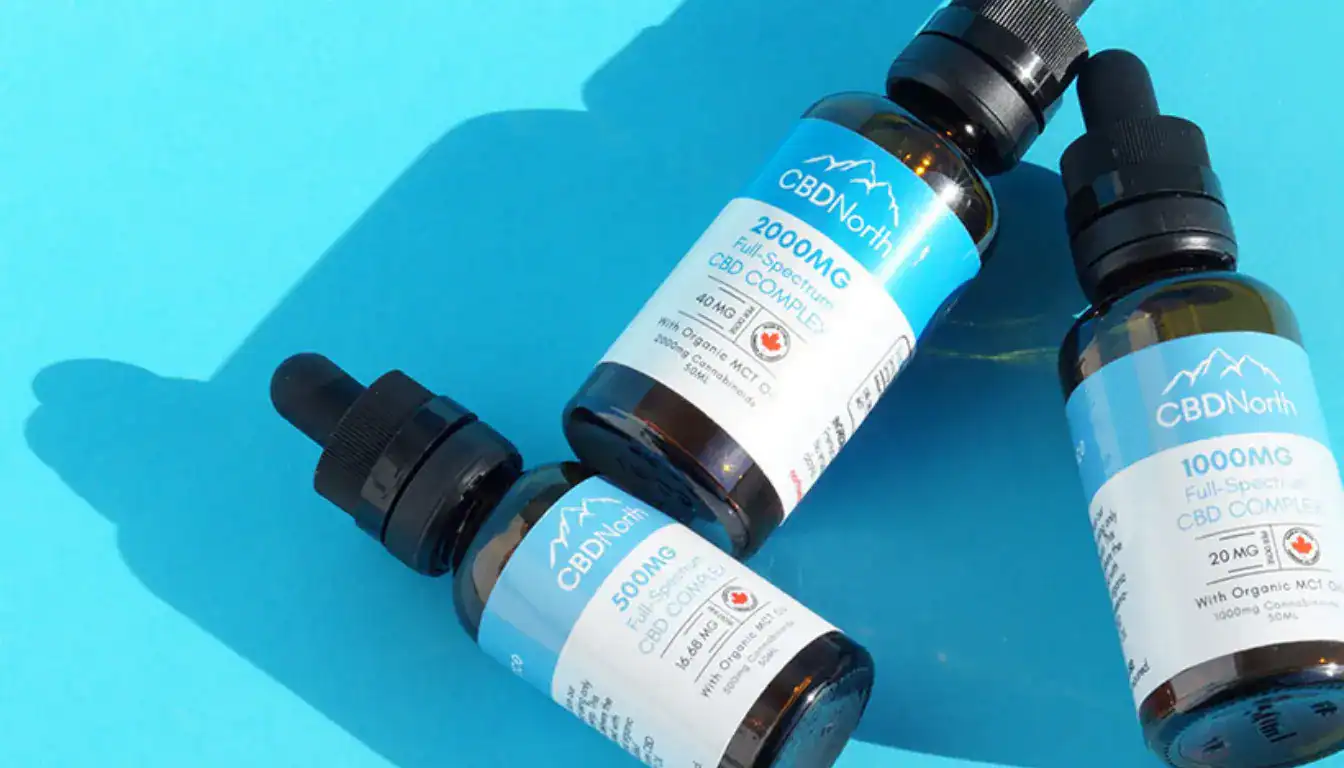
CBD Oil Collection
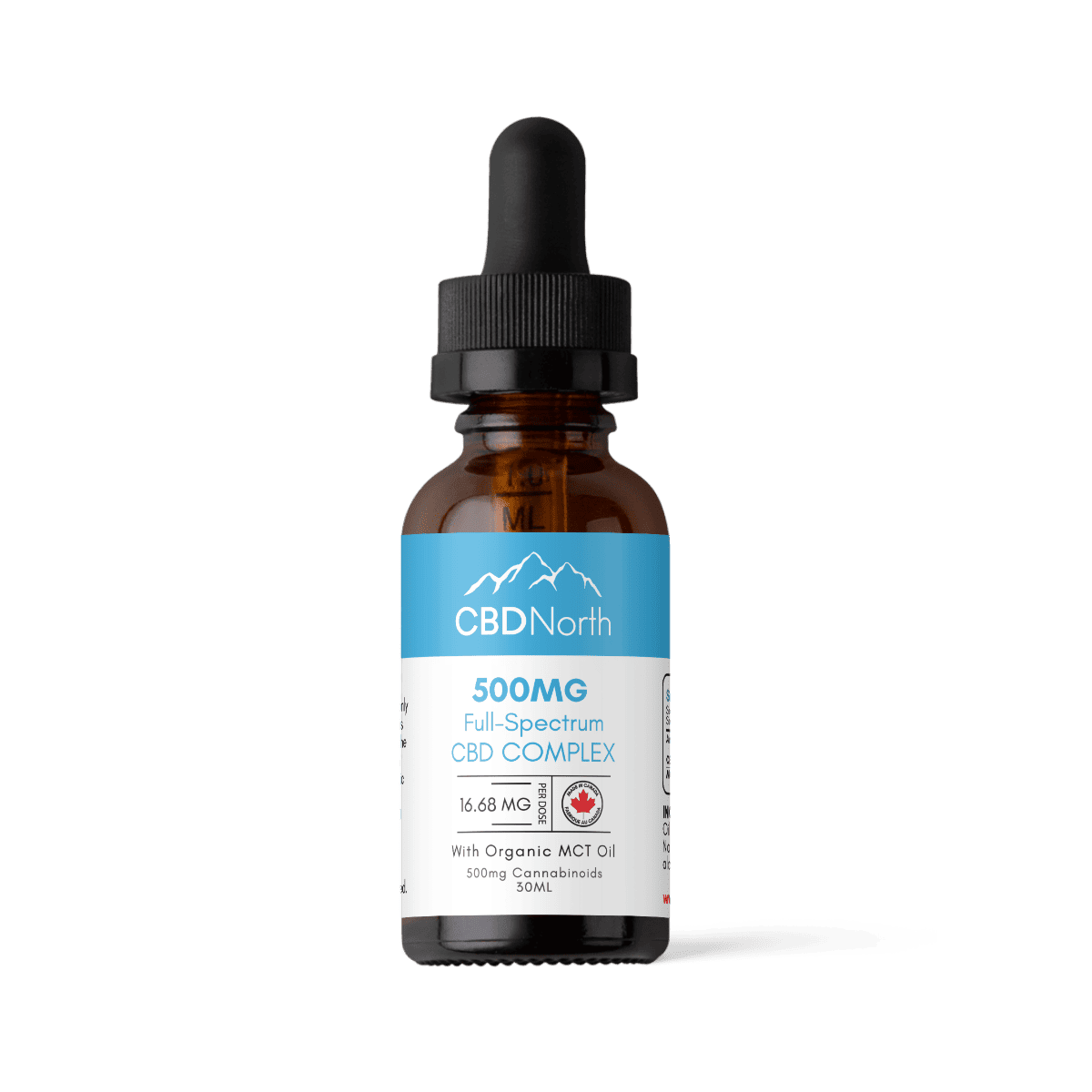
Price range: $42.24 through $149.49
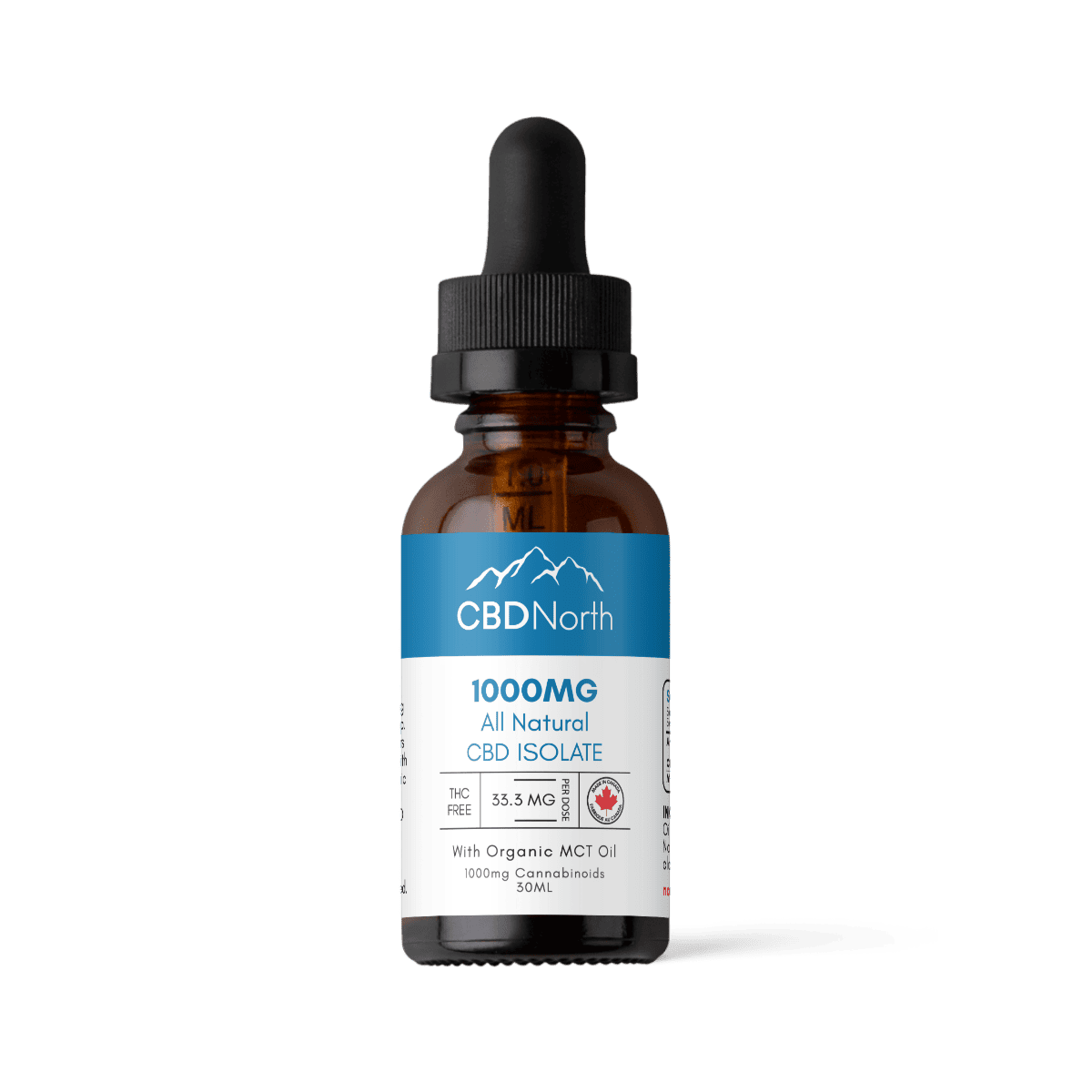
Price range: $42.24 through $136.49
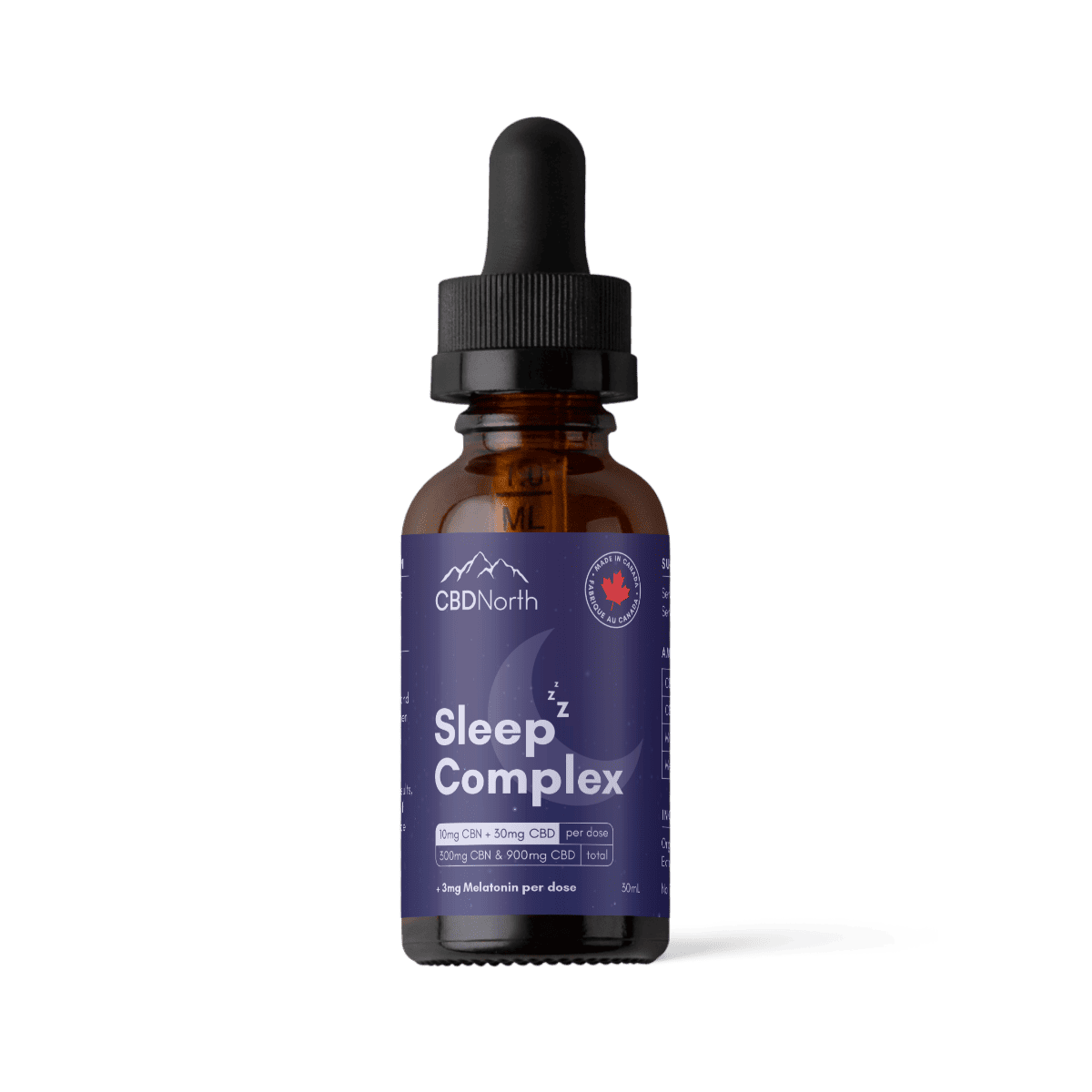
Price range: $74.74 through $129.99
Which CBD Format Makes the Most Sense for Crohn’s Patients?
Format choice for someone with Crohn’s deserves more thought than for general wellness use because the digestive tract is already affected. The very route of absorption for most CBD products is the area where the disease lives.
CBD oil taken sublingually, meaning under the tongue, is generally the most practical option. The CBD absorbs through the mucous membranes in the mouth rather than passing through an inflamed or irritated digestive tract.
Onset is also faster, typically within 15 to 45 minutes, which matters when symptoms can shift quickly during a flare. Sublingual oil also allows you to titrate the dose precisely.
This precision is genuinely important in Crohn’s where individual tolerance varies considerably. Starting with a very small dose and adjusting slowly over weeks is the safer approach.
CBD gummies and edibles can work for some Crohn’s patients, particularly during periods of remission when the digestive tract is less reactive. However, during flares or active symptoms, edibles may be poorly tolerated because they require digestion before absorption.
Many patients who have explored both formats settle on oil as their primary approach during difficult periods, with gummies reserved for stable times.
For dosing guidance, starting much lower than the typical wellness recommendation is wise. Most Crohn’s patients exploring CBD begin at 5 mg per day rather than 10 to 25 mg.
They increase by 5 mg increments only every two to three weeks based on response. The signs covered in our guide on what happens if you take too much CBD become particularly relevant here because Crohn’s already involves heightened gut sensitivity.
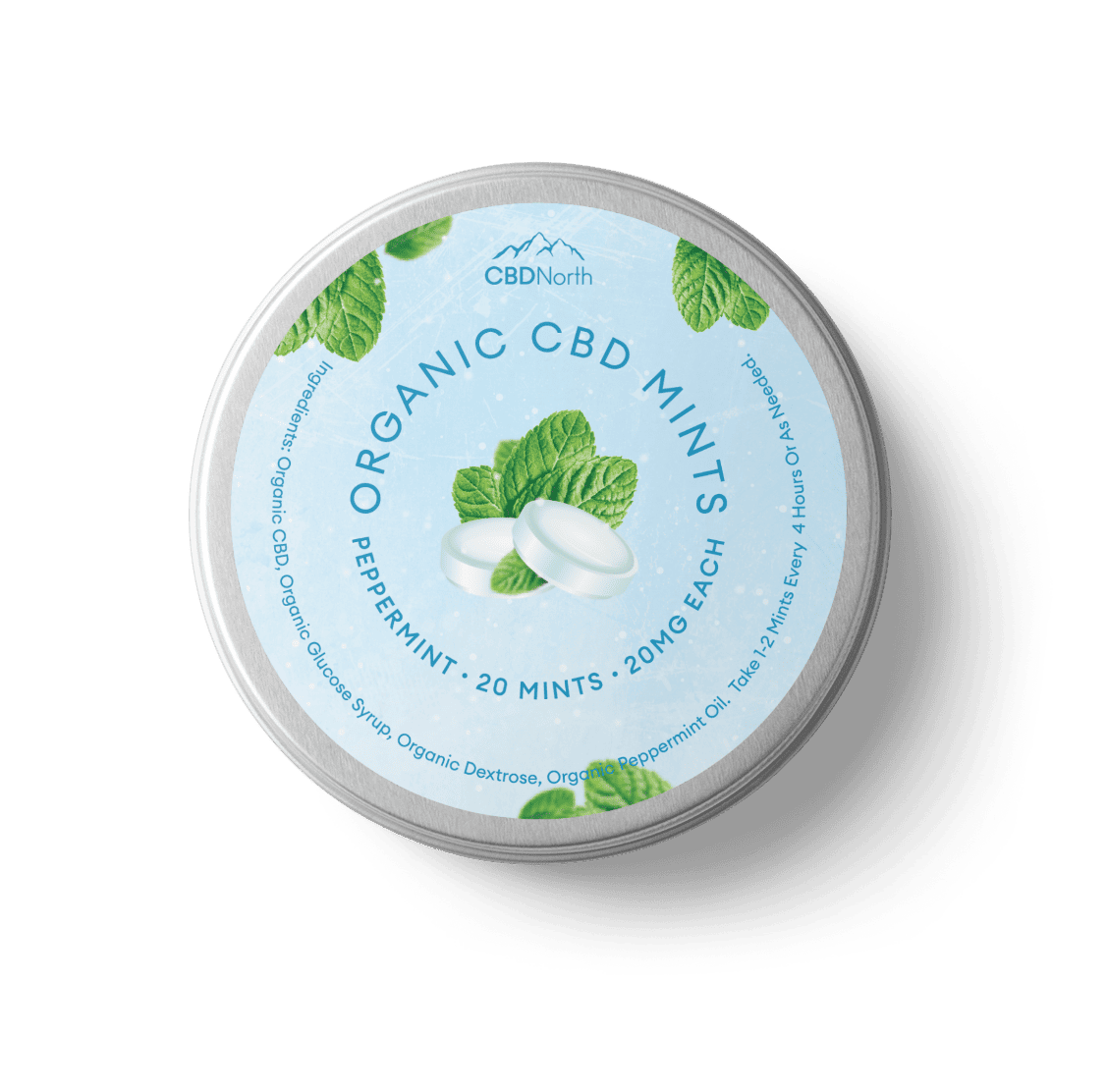
CBD Edibles Collection
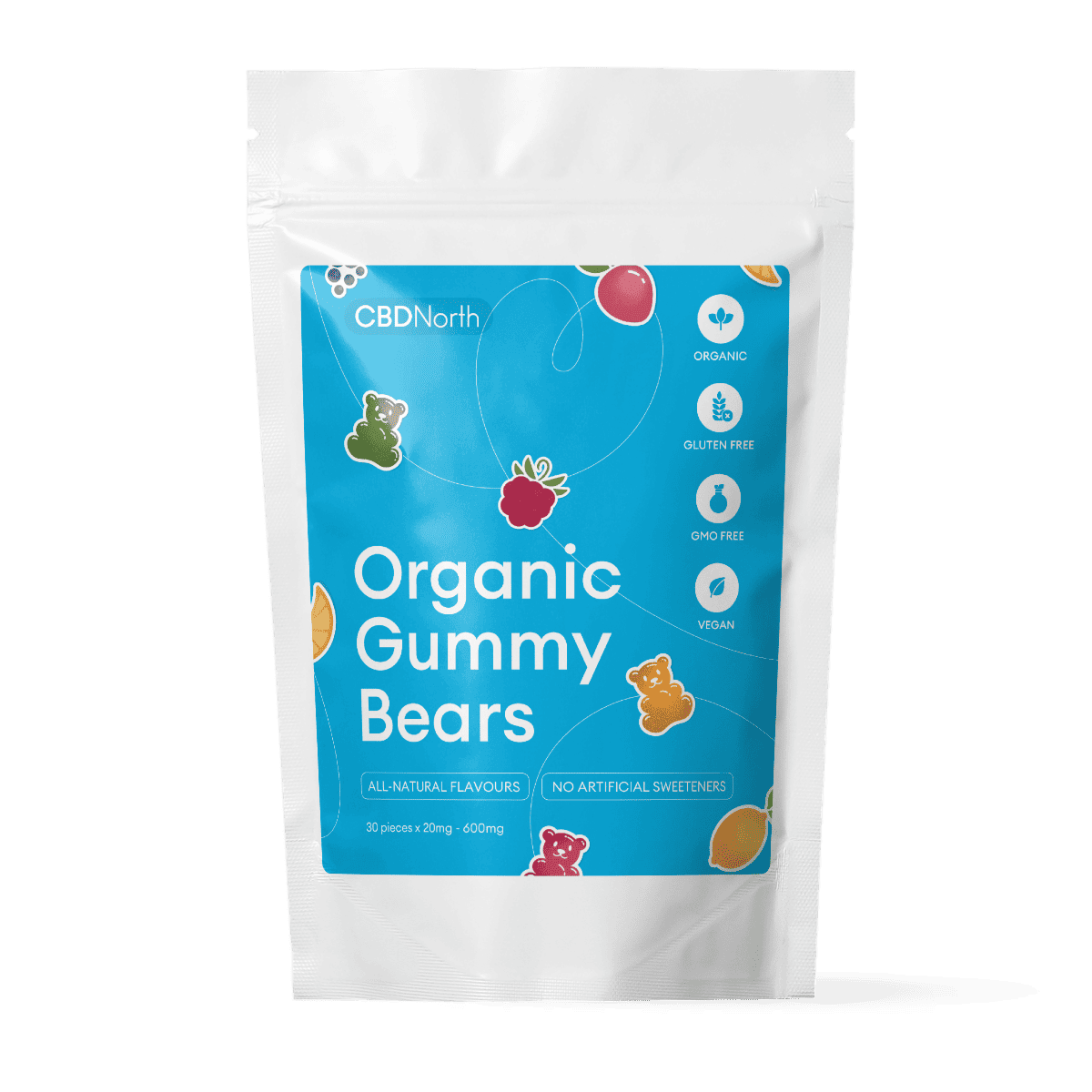
Price range: $19.49 through $35.74
Spectrum Choice for Crohn’s Disease
Choosing Your Spectrum
Full Spectrum
Contains: All cannabinoids, terpenes, flavonoids
THC: Up to 1% (Canadian limit)
Entourage Effect: Full plant synergy
Best for: Those wanting broader gut and immune support, with specialist approval
Broad Spectrum
Contains: Multiple cannabinoids and terpenes
THC: Undetectable
Entourage Effect: Partial synergy
Best for: Those subject to workplace testing or sensitive to THC
Isolate
Contains: Pure CBD only
THC: Zero
Entourage Effect: None
Best for: First time use with very sensitive digestion
Canada allows up to 1% THC. Always verify your product’s Certificate of Analysis before use.
Who Should NOT Use CBD for Crohn’s Disease?
This section is mandatory and we never skip it. For Crohn’s specifically, these cautions are even more important than usual.
Pregnancy and breastfeeding: Health Canada advises against using any cannabis product during pregnancy or while breastfeeding. This is particularly important for Crohn’s patients because pregnancy with Crohn’s already involves complex medication considerations.
Children and youth: CBD products are intended for adults aged 18 and older. Age minimums vary by province from 18 to 21. Crohn’s in children and adolescents requires specialist paediatric gastroenterology care, not supplement experimentation.
People on biologic therapies like infliximab, adalimumab, or vedolizumab: Biologics are sophisticated medications that work on very specific immune pathways. CBD’s immune modulating effects and CYP450 enzyme interactions can theoretically interfere with how these medications work.
The interaction risks are not fully characterised. Anyone on biologic therapy for Crohn’s must speak with their gastroenterologist before considering CBD. Do not start CBD without explicit clinical approval.
People on immunomodulators like azathioprine, methotrexate, or 6-mercaptopurine: These medications are processed through liver enzyme pathways that CBD also affects. The interaction documented by Zendulka et al., 2016, Current Drug Metabolism, applies here.
Combining them without medical supervision is not safe.
People on corticosteroids: Corticosteroids like prednisone are commonly used for active Crohn’s flares. They are also processed through the same CYP450 enzyme system as CBD. Combining without medical guidance can affect how each medication works.
People with active severe flares: An active severe Crohn’s flare is a medical situation, not a supplement opportunity. Severe abdominal pain, persistent bleeding, signs of obstruction, or significant weight loss require urgent medical care, not CBD.
Do not use CBD as a way to delay seeking proper treatment during an active flare.
People with liver complications from Crohn’s: Primary sclerosing cholangitis and other liver complications can occur with IBD. High dose CBD has shown liver enzyme changes in some clinical studies. If you have any liver involvement from Crohn’s, speak with your specialist before any CBD use.
People with allergies to cannabis or hemp: If you have a confirmed allergy to cannabis or hemp, do not use CBD products. Our CBD for seasonal allergies guide covers this caution in more detail.
Scheduled surgery: Crohn’s patients sometimes need surgical intervention. Stop CBD at least two weeks before any planned procedure due to possible effects on blood clotting, anaesthesia interactions, and post operative healing.
What We Know vs What We Don’t Know
What the Evidence Supports
- CBD interacts with the gut endocannabinoid system, which is biologically relevant to IBD pathways.
- Lab and animal studies show CBD can reduce intestinal inflammation in colitis models.
- Some small human trials suggest improved quality of life and symptom scores in Crohn’s patients.
- CBD may help with anxiety, sleep, and nausea that often accompany living with Crohn’s.
What the Evidence Does Not Show
- No clinical trial has shown CBD meaningfully reduces objective inflammatory markers in Crohn’s.
- No evidence supports CBD inducing or maintaining remission in Crohn’s disease.
- The optimal dose, formulation, and duration for any potential Crohn’s effect remain unknown.
- Long term safety data for daily CBD use in Crohn’s patients across years has not been established.
The gap between subjective improvement and objective disease control is the central issue with CBD and Crohn’s. People may feel better while their inflammation continues to cause damage they cannot perceive directly.
This is exactly why ongoing monitoring with a gastroenterologist remains essential, even for patients who add CBD to their routine and report feeling better. Inflammatory markers, imaging, and endoscopy provide the objective view that subjective experience alone cannot.
Health Canada’s Natural Health Product pathway for CBD remains under active consultation as of 2025. The regulatory framework for CBD products with health adjacent claims continues to evolve and is not yet settled.
Province by Province Access Snapshot
Canadian Access Overview
Age 19 to Ships Yes
Age 18 to Ships Yes
Age 19 to Ships Yes
Age 21 to Ships Yes
Age 19 to Ships Yes
Age 19 to Ships Yes
Age 19 to Ships Yes
Age 19 to Ships Yes
Age 19 to Ships Yes
Age 20 to Ships Yes
Age 19 to Ships Yes
Last Verified: May 2026. Always confirm current rules at canada.ca/health-canada.
Real Canadian User Experience Log
The following logs are shared with full user consent. Individual results vary. These are personal experience reports and not medical outcomes.
Importantly, all of these users continued their prescribed Crohn’s medications throughout and worked with their gastroenterologist when adding CBD.
Used 5 mg sublingual CBD oil twice daily alongside prescribed biologic therapy. Reported feeling less anxious about flares and better overall mood. Gastroenterologist approved trial. No changes to medication.
Continued 5 mg twice daily over three months. Sleep felt more consistent during periods of stress. Inflammatory markers remained stable on existing biologic. No adverse events.
Added 10 mg CBD oil daily during stable remission period on immunomodulator. Found nausea on medication felt slightly more manageable. Specialist supportive of trial with monitoring.
Tried increasing to 20 mg daily but experienced some loose stools. Returned to 10 mg which felt balanced. Confirmed that more is not always better.
Discussed CBD with gastroenterologist at length before starting due to multiple medications. Started at 2.5 mg twice daily under close monitoring. No interaction issues observed but no clear benefit either at this dose.
CBDNorth Lab Note
For anyone living with a chronic inflammatory condition like Crohn’s, the cleanliness of every supplement matters more than for the general population. Pesticide residues, heavy metals, or solvent residues in a low quality CBD product add to an already overworked immune and digestive system rather than support it.
Every CBDNorth product is tested batch by batch at an ISO certified Canadian laboratory, with full panel results covering cannabinoid levels, pesticides, heavy metals, and residual solvents all available openly on our lab reports page.
Our hemp is USDA organic certified and extracted using supercritical CO2, which means no harsh solvent residues. If the cost of accessing quality lab tested CBD is a barrier for you, our Assistance Program is available for Canadians who qualify.
Before adding any new wellness product to your routine, especially if you have Crohn’s disease, please speak with your gastroenterologist. This is one of the conditions where specialist involvement is genuinely essential rather than just recommended.
CBD Pain Relief Products
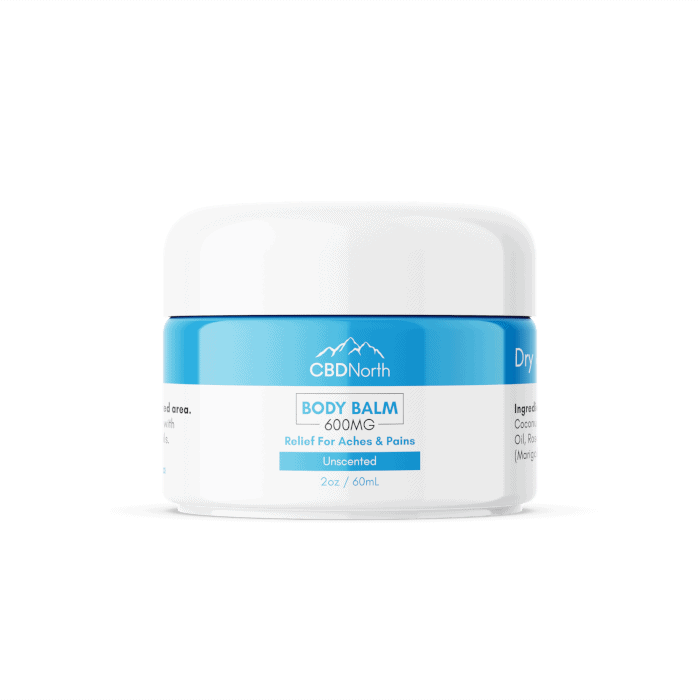
Price range: $29.40 through $73.49
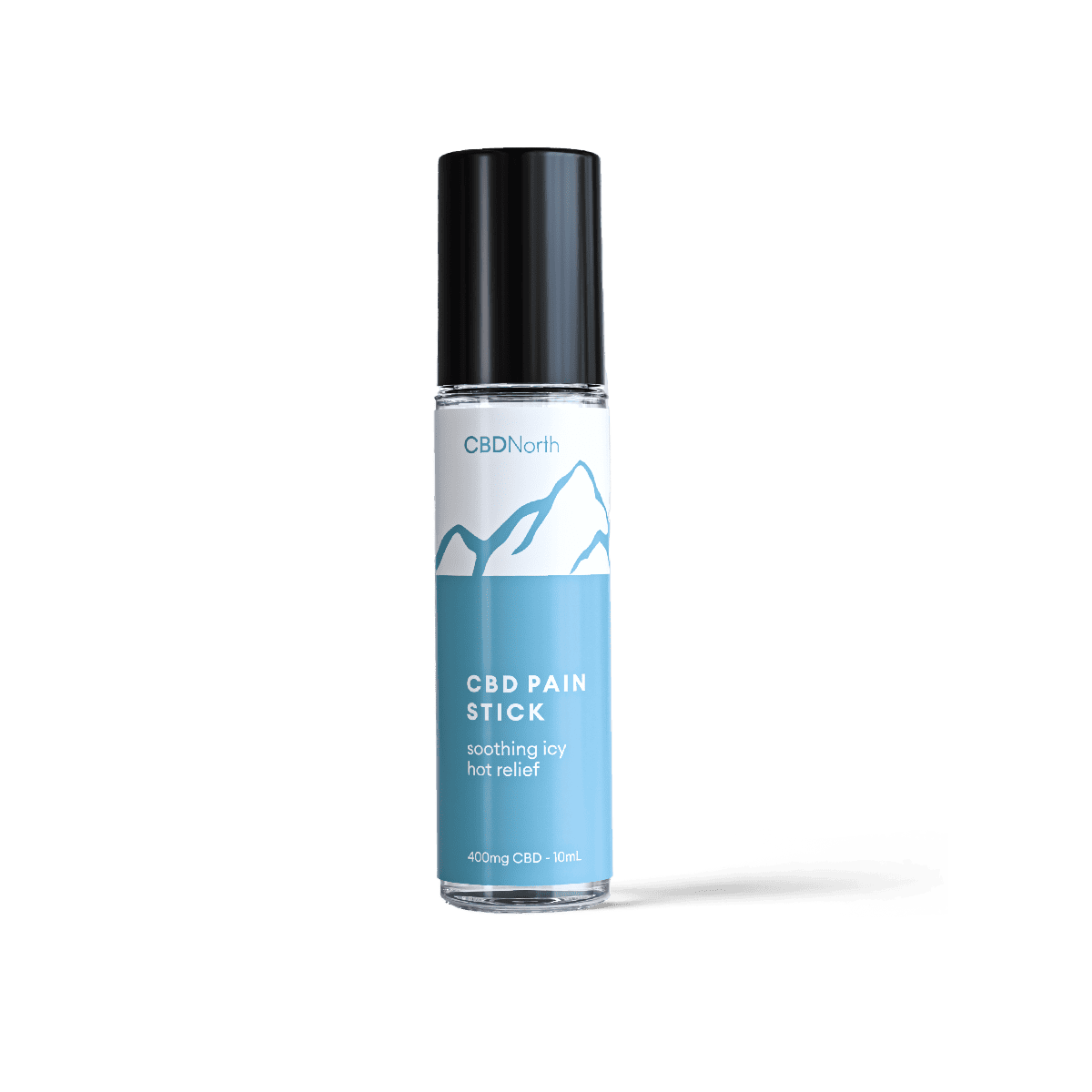
For Crohn’s patients who also experience joint pain or skin involvement, topical CBD products may offer some localised support without contributing to your systemic CBD intake. This can be a useful approach when keeping ingestible amounts low for medication safety reasons.
Frequently Asked Questions
Q: Can CBD treat Crohn’s disease in Canada?
No. CBD cannot legally be claimed to treat any disease in Canada under the Cannabis Act, and importantly, the current human evidence does not actually support CBD as effective for treating Crohn’s disease.
Small clinical trials have shown improved symptom scores but no meaningful improvement in objective inflammatory markers. CBD is not a substitute for prescribed Crohn’s medications.
Q: Should I stop my Crohn’s medication if I start CBD?
No, never. Stopping prescribed Crohn’s medications without medical supervision can lead to rapid disease progression, severe flares, and long term complications.
If you are considering adding CBD to your routine, it should be in addition to your existing treatment, not as a replacement. Any changes to your medication plan must be made with your gastroenterologist.
Q: Does CBD interact with biologic drugs like Humira or Remicade?
The interaction between CBD and biologic medications is not fully characterised in research. CBD has immune modulating effects and affects the CYP450 liver enzyme pathway that processes many medications.
This combination introduces theoretical risks that have not been studied in controlled trials. Anyone on a biologic for Crohn’s must speak with their gastroenterologist before considering CBD.
Q: What dose of CBD should I start with if I have Crohn’s?
Start much lower than typical wellness guidance. Most Crohn’s patients exploring CBD begin at 2.5 to 5 mg twice daily rather than the 10 to 25 mg typical for general use.
Increase only by small amounts every two to three weeks and only with the awareness of your gastroenterologist. Sublingual oil is generally a more practical format than edibles during active disease.
Q: Can CBD trigger a Crohn’s flare?
There is no established evidence that CBD directly triggers Crohn’s flares. However, carrier oils like MCT used in some CBD products can cause loose stools in sensitive individuals, which may be confused with a flare or may worsen symptoms during a vulnerable period.
Starting at a very low dose and using sublingual rather than edible formats helps minimise this risk during active disease.
Q: Are there other CBD considerations for people with autoimmune conditions?
Yes. CBD’s immune modulating effects mean that anyone with an autoimmune condition, including Crohn’s, ulcerative colitis, rheumatoid arthritis, or lupus, should approach CBD with extra caution.
The interaction between CBD and prescribed immune modulating medications is the main concern. Specialist involvement is essential, not optional.
Before starting any new wellness supplement, please speak with a qualified healthcare practitioner, especially your gastroenterologist if you live with Crohn’s disease or another form of inflammatory bowel disease.
These statements have not been evaluated by Health Canada. CBDNorth products are not intended to diagnose, treat, cure, or prevent any disease or medical condition. This content is for educational purposes only and does not constitute medical advice. Please consult a qualified healthcare practitioner before use. Must be 18 and older to purchase; age requirements vary by province.