Endometriosis affects roughly 1 in 10 Canadian women of reproductive age, yet it remains one of the most underdiagnosed and undertreated conditions in women’s health. The average time from first symptoms to diagnosis in Canada is between seven and ten years.
During those years, many women live with debilitating pelvic pain, painful periods, pain during intercourse, and the kind of fatigue that goes far beyond ordinary tiredness. Conventional treatments help some women but leave others searching for additional support.
More Canadian women living with endometriosis are now asking whether CBD might offer some pain support alongside their existing treatment plan. This guide takes an honest look at what early research suggests, how cannabidiol interacts with the systems involved in endometriosis pain, and what to consider before trying it.
This content is for educational purposes only and is not medical advice.
What Is Endometriosis and Why Is It So Painful?
Endometriosis is a chronic condition where tissue similar to the lining of the uterus grows outside the uterus, often on the ovaries, fallopian tubes, the outer surface of the uterus, and other structures within the pelvis. In more severe cases, this tissue can spread to the bowel, the bladder, and rarely even more distant sites in the body.
This misplaced tissue behaves like uterine lining tissue throughout the menstrual cycle. It thickens, breaks down, and bleeds with each cycle, but unlike normal menstrual blood it has no way to leave the body.
The result is local inflammation, scarring, and the formation of adhesions where tissues stick together that should normally move independently. Over time these adhesions can cause significant chronic pain even between periods.
The pain of endometriosis is not just about heavy or painful periods. It can include constant pelvic ache, sharp pain during ovulation, deep pain during sex, painful bowel movements, painful urination during periods, and pain radiating into the lower back and legs.
Many women describe the pain as having multiple distinct types occurring at different times of the cycle. The severity also varies dramatically between individuals, which is one of the reasons the condition is often dismissed or underdiagnosed.
The biological mechanisms driving this pain are complex. Inflammation in the affected tissues releases compounds called prostaglandins, which intensify pain signals and cause muscle contractions in the surrounding tissue.
Prostaglandins are part of the body’s normal inflammatory response, but in endometriosis they are produced in excessive amounts. This is why anti inflammatory medications like ibuprofen are often the first line treatment for endometriosis pain.
They work by reducing prostaglandin production. The nerves in the pelvic region also become sensitised over time, a process called central sensitisation, where the nervous system itself amplifies pain signals.
This means that women with endometriosis may experience pain at higher intensity than the underlying tissue damage alone would suggest. The combination of local inflammation and central sensitisation makes the pain particularly difficult to manage with any single approach.
How Might CBD Interact With Endometriosis Pain Pathways?
The endocannabinoid system is present throughout the female reproductive tract, the immune system, and the nervous system. All three of these are directly involved in endometriosis pain.
This biological overlap is why researchers have been interested in cannabinoids as a potential approach to endometriosis management for several years now. CB1 and CB2 receptors, the two main receptors of the endocannabinoid system, are found in uterine tissue, ovaries, and the immune cells that drive inflammation in endometriosis lesions.
A 2010 study published in the Journal of Clinical Endocrinology and Metabolism by Sanchez and colleagues found that the endocannabinoid system is altered in endometriotic tissue compared to healthy uterine tissue. This suggests a biological connection between the condition and the system that CBD interacts with.
CBD does not bind directly to CB1 or CB2 receptors the way THC does. Instead, it works indirectly by slowing the breakdown of naturally produced endocannabinoids and by influencing other receptor pathways including TRPV1 and PPAR gamma.
Both of these are involved in inflammation and pain signalling. CBD also affects the 5 HT1A serotonin receptor, which is relevant for both pain modulation and anxiety, both of which often accompany endometriosis.
The research specifically connecting CBD to endometriosis remains in early stages. A 2017 review published in Reproductive Biomedicine Online examined the role of the endocannabinoid system in endometriosis and suggested that cannabinoid based approaches deserve further investigation.
A 2019 observational survey study published in the Journal of Cannabis Research found that women with endometriosis using cannabis products reported reductions in pain and other symptoms, though the study used cannabis broadly rather than CBD alone. The cannabis used in these studies typically contained both CBD and THC, making it difficult to isolate the effects of CBD specifically.
For pain conditions where both CBD and THC may contribute to relief, this is a meaningful limitation in the existing research. What Canadian women living with endometriosis often report when trying CBD is something more nuanced than dramatic pain elimination.
Many describe feeling more able to manage the pain rather than being free of it. Some find it useful for the inflammatory component of cycle related pain.
Others find it most helpful for the nausea, anxiety, and sleep disruption that accompany severe pain flares. These reports are valuable but they are not controlled clinical trials, and they should not be mistaken for evidence that CBD treats endometriosis.
Under Canada’s Cannabis Act, no such claim can be made.
Where Might CBD Realistically Fit Into an Endometriosis Routine?
If CBD is not yet demonstrated to treat endometriosis directly, the next question is whether it has any place in a broader management approach. The honest answer, based on existing evidence, is that it may offer adjunctive support for some related concerns.
This is not the same as treating the underlying condition.
Three areas where Canadian women with endometriosis sometimes find CBD useful are inflammation related discomfort, nausea, and sleep disruption during flares. The inflammatory component is biologically plausible given CBD’s documented effects on PPAR gamma and TRPV1 pathways.
Whether this translates into meaningful pain reduction varies significantly between individuals. Some women report a clear sense that their cycle related inflammation feels less intense with consistent CBD use, while others notice no difference.
Nausea during severe flares is common, particularly during periods when prostaglandin levels are highest. Our CBD for nausea guide covers the research and mechanism behind this in more detail, including the 5 HT1A serotonin pathway that CBD affects.
Sleep disruption is also nearly universal for women with significant endometriosis pain. The pain itself disrupts sleep, and the disrupted sleep makes pain perception worse the next day.
This creates a self reinforcing cycle that is particularly hard to break during severe flare weeks. CBD’s potential effects on sleep architecture may offer some support here, particularly when paired with other sleep hygiene measures.
Anxiety often accompanies chronic pain conditions, and endometriosis is no exception. The unpredictability of pain flares, the experience of being dismissed by healthcare providers over years of seeking diagnosis, and the impact on daily life all contribute to higher rates of anxiety in women with endometriosis.
CBD’s research on the 5 HT1A receptor and the HPA axis provides a biological basis for some users finding it useful for this dimension of living with the condition. None of this is the same as treating endometriosis.
It is potential support for some of the wider impacts of living with the condition. Anyone considering this approach should view CBD as a possible addition to a treatment plan rather than a replacement for it, with the involvement of the gynaecologist or specialist managing the underlying condition.
CBD Oil Collection
Which CBD Format Makes the Most Sense for Endometriosis?
Format choice for endometriosis depends on what kind of support you are looking for and when you tend to need it most. Different formats suit different aspects of living with the condition.
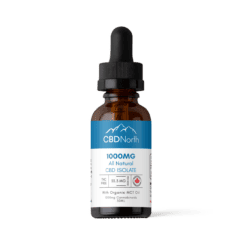
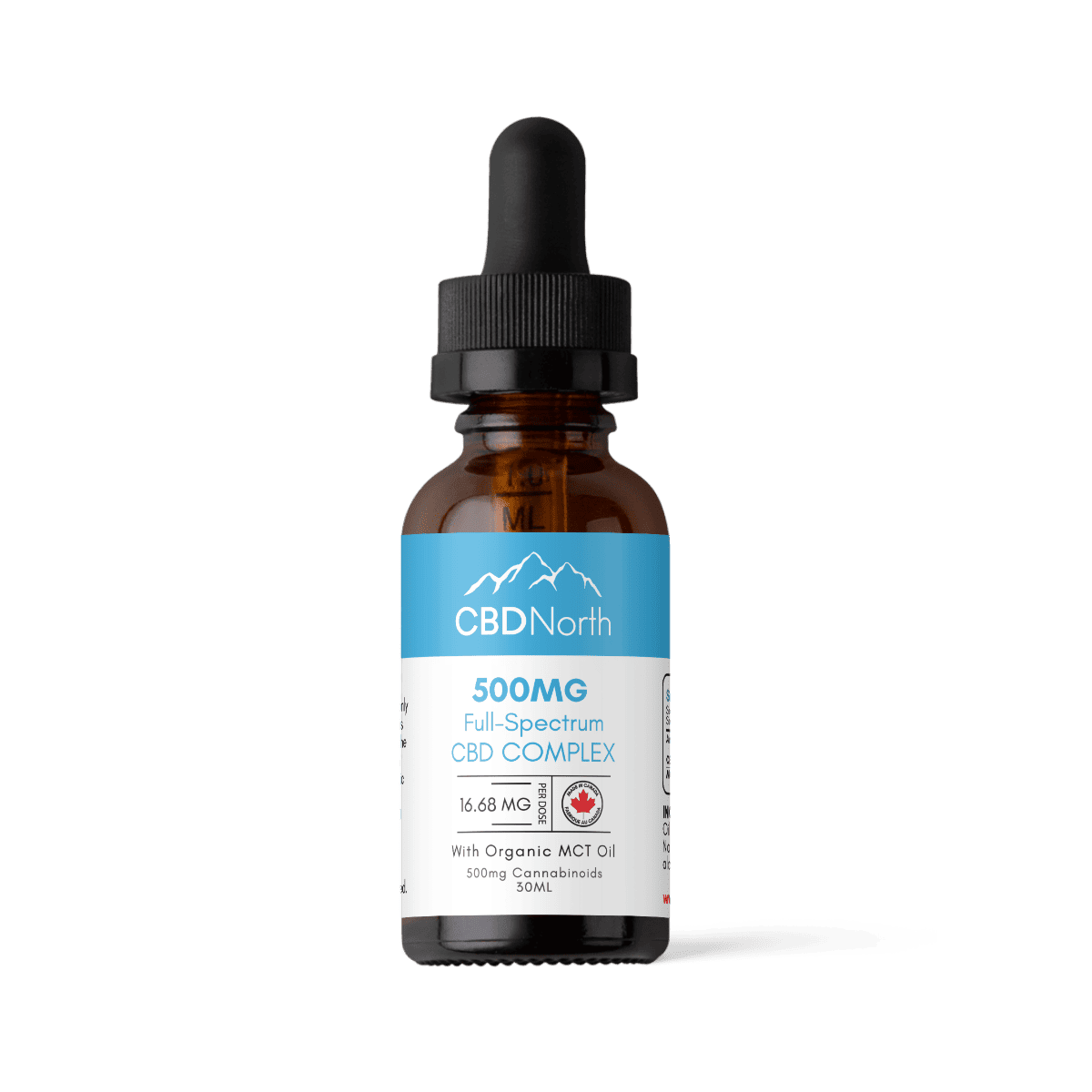
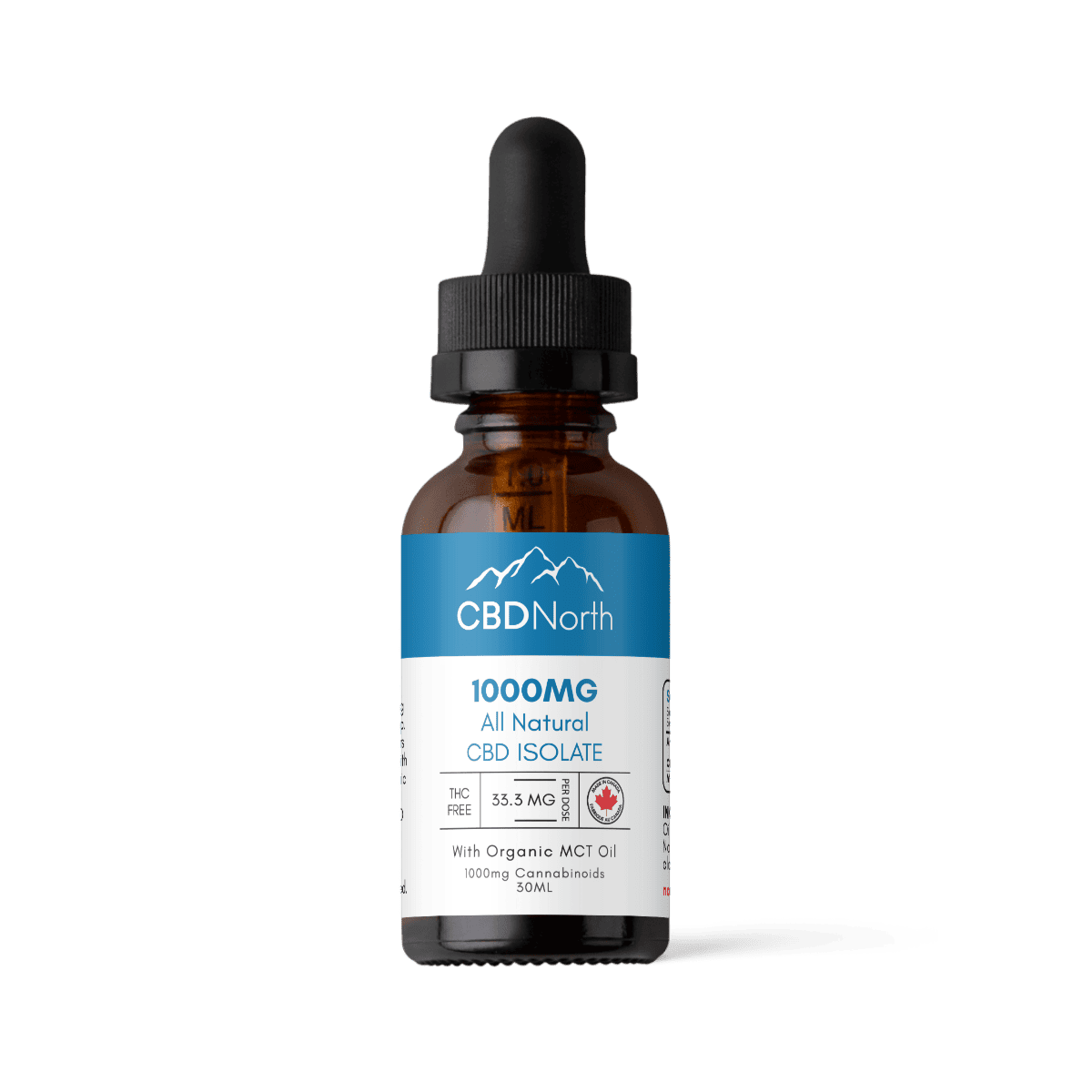
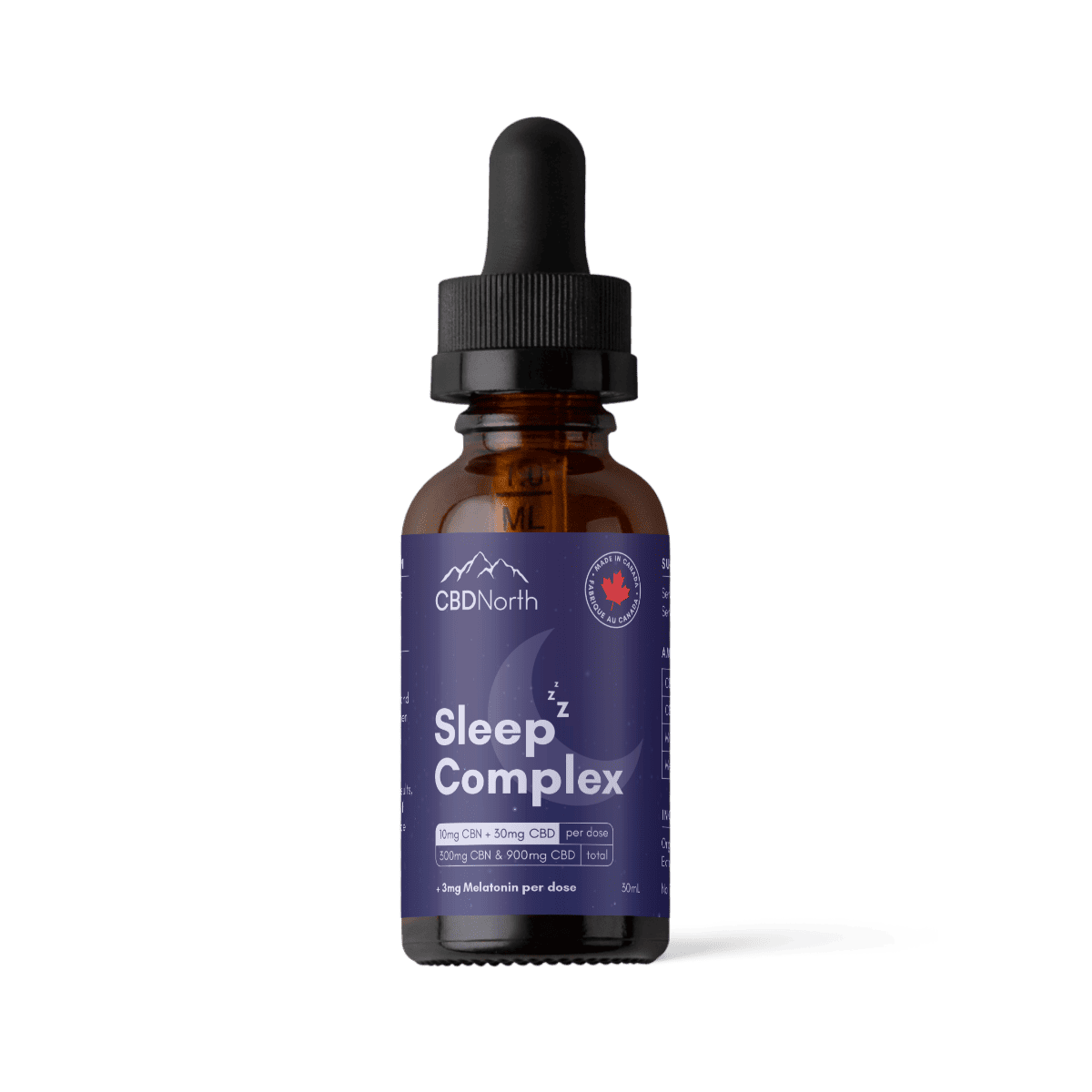
CBD oil taken sublingually, meaning under the tongue, is generally the most flexible option for cycle related pain. The CBD absorbs through the mucous membranes in the mouth rather than passing through the digestive tract.
Onset is faster, typically within 15 to 45 minutes, which matters when pain can escalate quickly during severe flares. Sublingual oil also allows precise dose adjustment, which is genuinely useful when pain levels vary throughout your cycle.
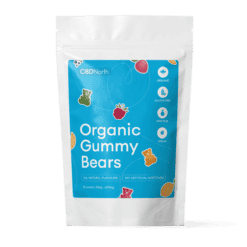
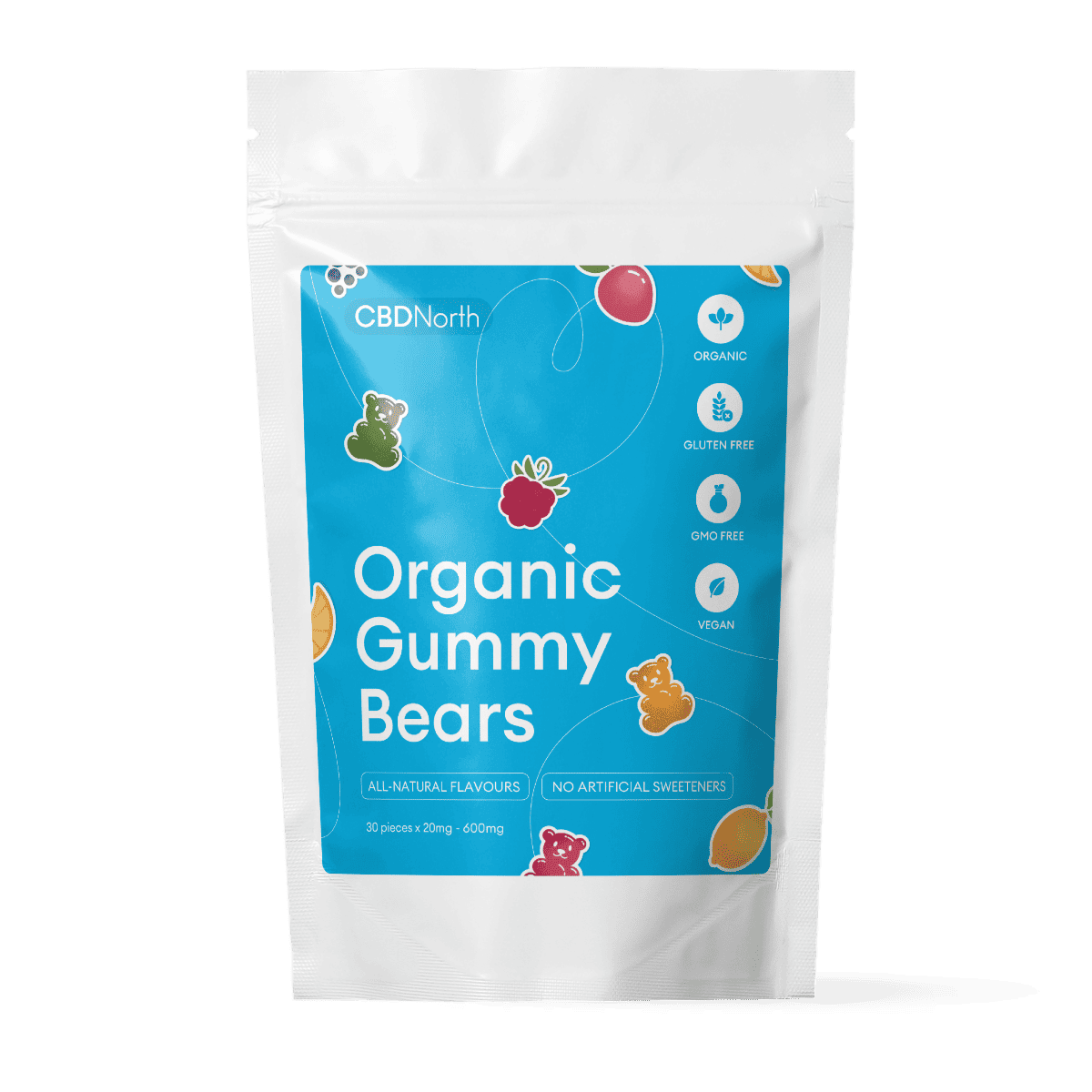
You can take a small dose for everyday baseline support and increase only during the days when pain is at its worst. CBD gummies offer a more consistent daily routine and pre measured dosing.
For Canadians who want to take CBD as part of their evening routine throughout the entire cycle for ongoing baseline support, gummies are easy to maintain. The slower onset, typically 45 minutes to two hours, is generally not a drawback for sustained background support.
CBD Edibles Collection
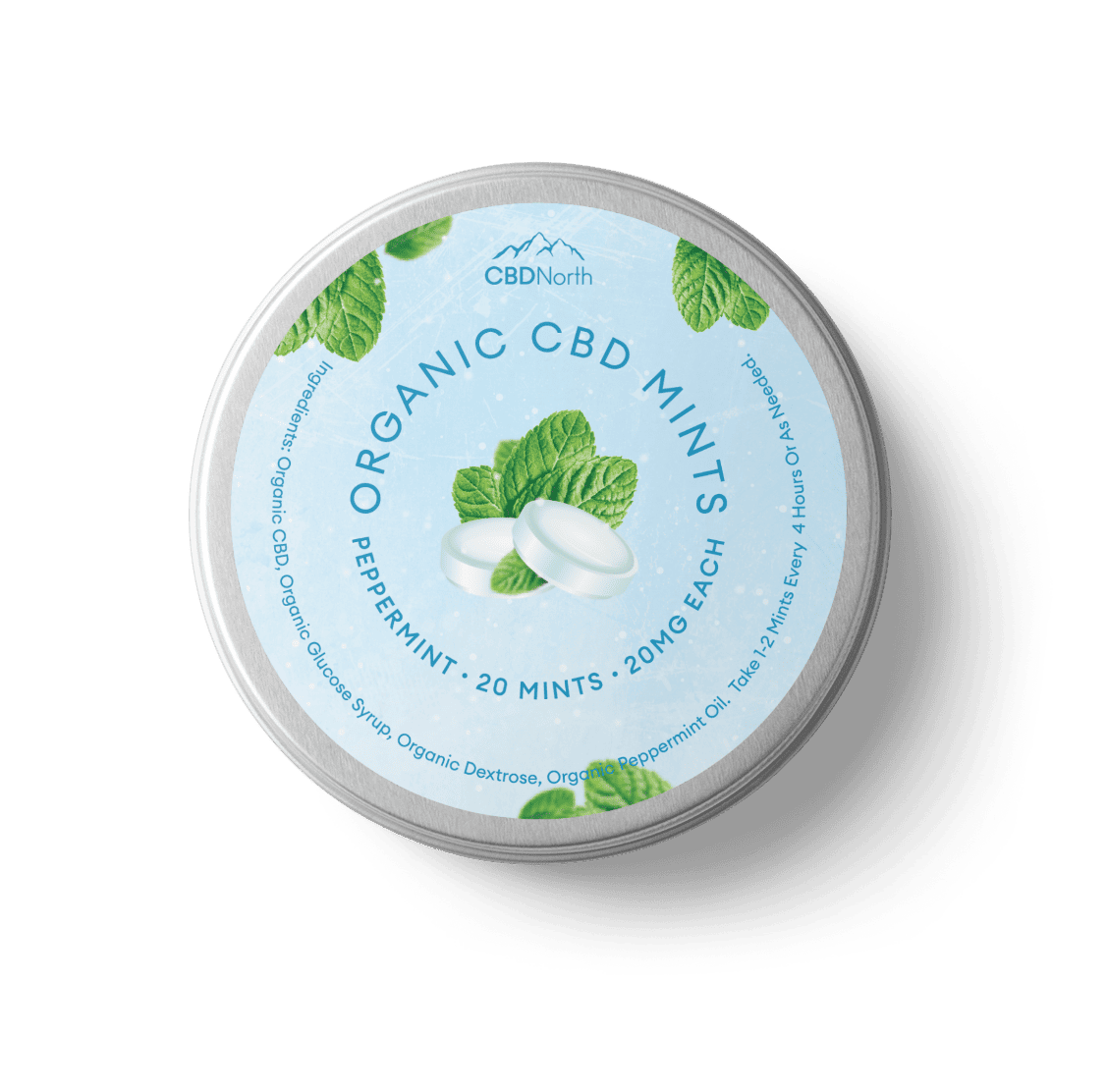
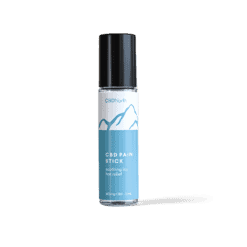
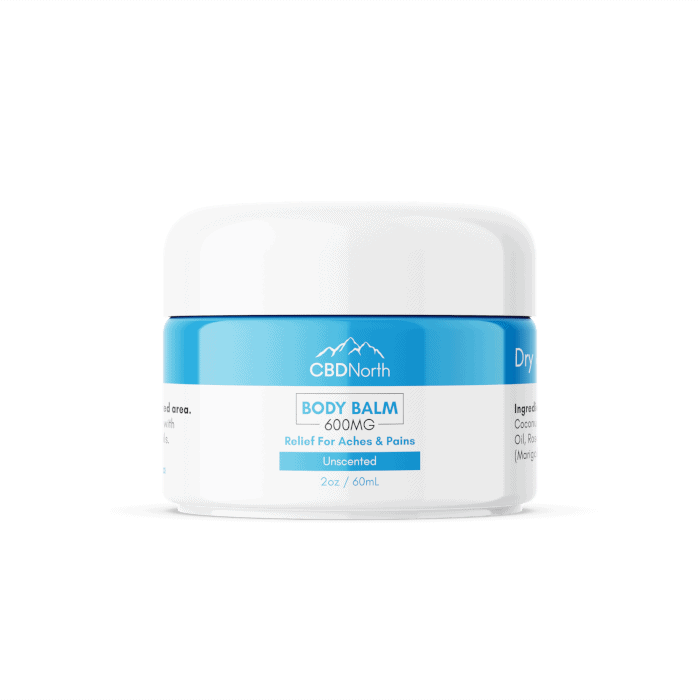
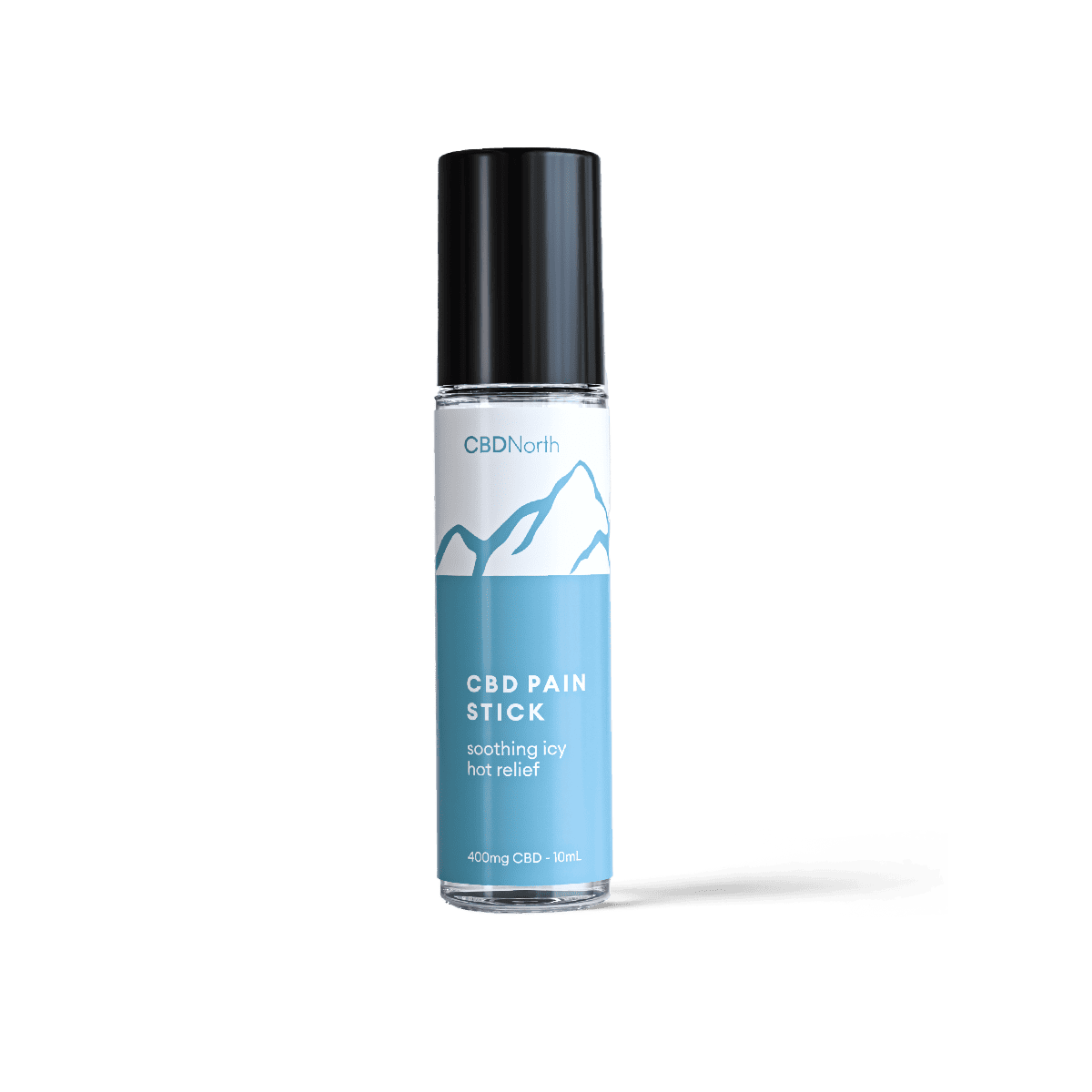
Topical CBD products may also have a role. For localised lower back or hip pain that often accompanies endometriosis flares, topicals can provide concentrated support to the affected area without contributing to your systemic CBD intake.
This combined approach, where ingestible CBD addresses overall wellness and topicals address specific body areas, is increasingly common among Canadian women managing chronic pain conditions. For dose guidance, starting low is particularly important given that hormonal cycles can affect how cannabinoids feel in the body.
Most Canadian women exploring CBD for endometriosis support begin with 10 to 15 mg per day and adjust over two week intervals. The signs covered in our guide on what happens if you take too much CBD become particularly relevant during cycle weeks when sensitivity may be heightened.
CBD Pain Relief Products
Spectrum Choice for Endometriosis Support
Spectrum choice for endometriosis support follows the same principles as for other applications, with some specific considerations worth noting. Full spectrum CBD contains the full range of cannabinoids, terpenes, and trace THC up to Canada’s legal limit of 1 percent.
The entourage effect from full plant compounds may offer broader support for the multiple dimensions of endometriosis pain. This is preferred by many women seeking the most comprehensive plant profile.
Broad spectrum CBD removes THC while keeping other cannabinoids and terpenes. This suits women who want plant complexity but need to avoid all THC, whether due to workplace testing requirements, personal preference, or sensitivity to THC effects.
Isolate CBD is pure CBD with no other plant compounds. This is the most predictable option for women who want to know exactly what they are taking with no plant variability.
It is also useful for women with sensitivities to other plant compounds. Across all three spectrums, the quality of the source hemp matters enormously.
For a chronic condition where you may be using CBD daily over years, the cleanliness of every batch matters cumulatively. Our organic CBD oil buying guide covers what to look for in certifications and lab testing.
Always verify your product’s Certificate of Analysis to confirm actual cannabinoid content. Canada allows up to 1 percent THC in cannabis products, which is meaningfully different from the US federal threshold.
Who Should NOT Use CBD for Endometriosis?
This section is mandatory and we never skip it. For endometriosis specifically, these cautions deserve particular attention.
Pregnancy and breastfeeding: Health Canada advises against using any cannabis product during pregnancy or while breastfeeding. This is particularly important context for women with endometriosis because some pregnancy related decisions intersect with endometriosis management.
Pregnancy related pain or symptom management must be guided by your obstetrician or specialist only. Do not use CBD if you are pregnant, trying to conceive, or breastfeeding.
Children and youth: CBD products are intended for adults aged 18 and older. Age minimums vary by province from 18 to 21.
Adolescent endometriosis is increasingly recognised but requires paediatric and gynaecology specialist care, not supplement experimentation. Underage women with suspected endometriosis should be evaluated by a specialist.
People taking hormonal medications: Many women with endometriosis use hormonal treatments including birth control pills, progestins, GnRH analogues, and other hormonal therapies. CBD affects the same liver enzyme system that processes many hormonal medications.
The interaction is documented in peer reviewed research by Zendulka et al., 2016, Current Drug Metabolism. CBD can theoretically affect the effectiveness or duration of action of hormonal contraceptives, which is a particularly important consideration.
Speak with your gynaecologist or pharmacist before combining CBD with any hormonal medication.
People taking prescription pain medications: Many women with severe endometriosis use prescription pain medications including opioids, gabapentin, pregabalin, or amitriptyline at low doses for chronic pain. These medications interact with CBD in various ways.
Combining them without medical supervision is not safe. Speak with your prescriber before adding CBD.
People with endometriosis affecting the bowel: If your endometriosis involves bowel symptoms, particularly during severe flares, our broader guide on CBD for Crohn’s disease covers some of the gut related considerations that may also be relevant for you. Specialist input is essential.
Liver conditions: High dose CBD has shown liver enzyme changes in some clinical studies. If you have any liver condition, consult your doctor before use.
People with allergies to cannabis or hemp: If you have a confirmed allergy to cannabis or hemp, do not use CBD products regardless of organic certification or quality. The allergen is the plant itself.
Scheduled surgery: Many women with endometriosis undergo laparoscopic or other surgical procedures as part of their treatment. Some healthcare practitioners recommend stopping CBD at least two weeks before any planned surgical procedure due to possible effects on blood clotting and anaesthesia interactions.
Province by Province Access Snapshot
CBD access in Canada is governed federally by the Cannabis Act but provincial age minimums vary. In Alberta, adults aged 18 and over can legally purchase CBD products.
In British Columbia, Ontario, Manitoba, Saskatchewan, Nova Scotia, New Brunswick, Prince Edward Island, and the territories of Yukon, Northwest Territories, and Nunavut, the legal age is 19.
Newfoundland and Labrador sets the minimum at 20, while Quebec has the highest provincial minimum at 21. CBDNorth ships organic certified CBD products across all provinces and territories in Canada.
Last Verified: May 2026. Always confirm current rules at canada.ca/health-canada as provincial regulations can change.
What We Don’t Know Yet: Honest Research Gaps
Despite endometriosis affecting approximately 10 percent of women of reproductive age, dedicated clinical research on CBD for the condition specifically is limited. Most existing studies have used cannabis broadly rather than isolating CBD, making it difficult to know what CBD alone contributes.
The optimal dose, format, and timing for any potential CBD effect on endometriosis pain remain unknown. Whether CBD’s effects on inflammation translate into measurable reduction in endometriotic lesions or progression has not been studied.
The interaction between CBD and hormonal contraceptives is theoretically possible based on CYP450 enzyme research but has not been studied directly in clinical trials. This is a significant gap given how many women with endometriosis use hormonal treatments.
Long term effects of daily CBD use specifically in women with endometriosis across years of use have not been characterised. Most evidence comes from shorter term studies.
Health Canada’s Natural Health Product pathway for CBD remains under active consultation as of 2025. The regulatory framework continues to evolve.
Real Canadian User Experience Log
The following logs are shared with full user consent. Individual results vary. These are personal experience reports and not medical outcomes.
All of these users continued working with their gynaecologist and existing treatment plans while adding CBD.
S.K., Ontario, cycle support: Began 15 mg sublingual CBD oil daily, increasing to 20 mg during pre menstrual days when pain peaks. Continued prescribed birth control pill alongside.
Reported feeling more able to sleep through cycle pain after six weeks of consistent use. Did not stop conventional treatment.
F.G., British Columbia, combined approach: Used 10 mg evening CBD gummy alongside CBD body balm applied to lower back during flares. Continued pain medication as prescribed by gynaecologist.
Found combined approach more sustainable than higher CBD doses alone. Spoke with pharmacist about combination before starting.
U.N., Alberta, anxiety reduction: Started 12 mg sublingual oil for anxiety associated with anticipating cycle pain. Used consistently over three months and noticed less pre cycle anticipatory stress.
Could not isolate this from general anxiety improvement. Continued working with mental health support alongside CBD use.
B.E., Quebec, sleep focus: Used 20 mg evening gummy specifically during flare weeks. Reported more consistent sleep through usually disrupted nights.
Did not notice change in pain intensity but better sleep made the next day more manageable. Continued usual treatments throughout.
CBDNorth Lab Note
For women managing a chronic condition like endometriosis, the cleanliness of every supplement matters. Pesticide residues, heavy metals, or solvent residues in a low quality CBD product add to an already overworked system rather than support it.
Every CBDNorth product is tested batch by batch at an ISO certified Canadian laboratory, with full panel results covering cannabinoid levels, pesticides, heavy metals, and residual solvents all available openly on our lab reports page.
Our hemp is USDA organic certified and extracted using supercritical CO2 with no harsh solvent residues. The clean formulation matters more for daily long term users than for occasional ones.
If the cost of accessing quality lab tested CBD is a barrier for you, our Assistance Program is available for Canadians who qualify. Before adding any new wellness product to your routine, especially if you have endometriosis or take hormonal medications, please speak with a qualified healthcare practitioner.
Frequently Asked Questions
Q: Does CBD help endometriosis pain in Canada?
Early research suggests CBD interacts with the endocannabinoid system, which is altered in endometriotic tissue, and with inflammation pathways relevant to endometriosis pain. Survey data shows that women with endometriosis using cannabis products report symptom reduction.
However, dedicated clinical trials on CBD alone for endometriosis are still limited. CBD cannot legally be claimed to treat endometriosis under Canada’s Cannabis Act.
Q: Can I use CBD with birth control pills?
CBD affects the CYP450 liver enzyme pathway that processes hormonal contraceptives. The interaction is theoretically possible and could affect contraceptive effectiveness.
Speak with your gynaecologist or pharmacist before combining CBD with any hormonal contraceptive. Do not rely on the combination without medical guidance.
Q: What dose of CBD should I start with for endometriosis?
Most Canadian women exploring CBD for endometriosis support start at 10 to 15 mg per day and adjust over two week intervals. Some increase only during cycle weeks when pain peaks.
Starting low is important because hormonal cycles can affect how cannabinoids feel in the body. Sublingual oil is generally the most flexible format for adjusting dose based on cycle phase.
Q: Should I stop my prescribed endometriosis treatment if I start CBD?
No, never. Stopping prescribed endometriosis treatments without medical supervision can lead to disease progression and worsening symptoms.
If you are considering adding CBD to your routine, it should be in addition to your existing treatment, not as a replacement. Any changes to your treatment plan must be made with your gynaecologist or specialist.
Q: Can CBD help with the heavy bleeding of endometriosis?
There is no established evidence that CBD reduces menstrual bleeding in endometriosis. The bleeding component of endometriosis is driven by hormonal mechanisms that CBD does not directly address.
CBD’s potential support relates more to inflammation, pain perception, and the associated effects on sleep and anxiety. For heavy bleeding management, work with your gynaecologist.
Q: Does CBD help with the painful sex caused by endometriosis?
Painful intercourse, or dyspareunia, is one of the most distressing symptoms of endometriosis. Whether CBD specifically helps with this aspect has not been directly studied.
Some women report that overall reduction in pelvic pain and tension during consistent CBD use translates into less discomfort during intimacy, but this remains anecdotal. Pelvic floor physiotherapy and specialist gynaecology input are evidence based approaches for this symptom.
Before starting any new wellness supplement, please speak with a qualified healthcare practitioner, especially if you have endometriosis or take hormonal medications, including birth control pills.
These statements have not been evaluated by Health Canada. CBDNorth products are not intended to diagnose, treat, cure, or prevent any disease or medical condition. This content is for educational purposes only and does not constitute medical advice. Please consult a qualified healthcare practitioner before use. Must be 18 and older to purchase; age requirements vary by province.