Lupus affects an estimated 1 in 1,000 Canadians, with women making up roughly nine out of ten cases. It is a chronic autoimmune condition where the immune system, which normally defends the body against infection, instead turns against the body’s own healthy tissue.
The result can be inflammation and damage across many different organs and systems, producing a bewildering and unpredictable range of symptoms. Conventional treatments help many Canadians manage lupus, but they often come with significant side effects, and the unpredictable nature of the disease leaves many patients searching for additional support.
More Canadians living with lupus are now asking whether CBD might offer some help alongside their existing treatment. This guide takes an honest look at what early research suggests, why lupus is one of the conditions where caution matters most, and what to consider before trying cannabidiol.
This content is for educational purposes only and is not medical advice.
What Is Lupus and Why Is It So Complex?
Lupus, or more formally systemic lupus erythematosus, is an autoimmune disease in which the immune system produces antibodies that attack the body’s own tissues. Unlike conditions that affect a single organ, lupus can affect almost any part of the body, which is what makes it so difficult to diagnose and manage.
This is also why lupus is sometimes called the disease of a thousand faces. The symptoms vary enormously from person to person and can change over time within the same person.
The disease typically follows a pattern of flares, where symptoms worsen, and remissions, where they ease. During a flare, the immune system is in an especially overactive state, driving inflammation that can affect multiple systems at once.
This unpredictability is one of the hardest aspects of living with lupus. The range of systems lupus can affect helps explain why patients experience such varied symptoms.
How Lupus Can Affect the Body
Lupus is systemic, meaning it can involve many systems at once. Common areas of impact include:
Butterfly rash across cheeks, sensitivity to sunlight, lesions
Pain, swelling, and stiffness, often in hands and wrists
Lupus nephritis, a serious complication needing close monitoring
Profound fatigue, one of the most common and disabling symptoms
Inflammation of the lining around the heart or lungs
Brain fog, headaches, and higher rates of anxiety and depression
Lupus presentation varies widely. Not everyone experiences all of these, and severity differs greatly between individuals.
At the centre of all of this is immune system overactivity and the inflammation it produces. The conventional treatments for lupus, including antimalarials like hydroxychloroquine, corticosteroids, and immunosuppressants, work largely by calming this overactive immune response.
This is the essential context for understanding both the interest in CBD and the serious cautions around it. Because CBD interacts with the immune system, and because lupus is fundamentally an immune system disease being managed with immune affecting drugs, the picture is more complicated than for many other conditions.
How Might CBD Interact With Autoimmune Inflammation?
The endocannabinoid system plays a role in regulating immune function, which is the basis for research interest in cannabinoids and autoimmune conditions. CB2 receptors in particular are found on immune cells and appear to be involved in modulating immune responses.
A 2020 review in Cannabis and Cannabinoid Research by Nichols and Kaplan described CB2 receptor activity as a regulatory check on overactive immune responses. Since lupus is defined by an overactive immune response, this is the biological logic that drives interest in CBD for autoimmune conditions.
CBD does not bind directly to CB2 receptors the way some cannabinoids do. Instead it works indirectly, influencing the endocannabinoid system and several other pathways involved in inflammation, including PPAR gamma.
Laboratory and animal studies have shown that CBD can reduce certain markers of inflammation in various models. The challenge with autoimmune conditions like lupus is that immune modulation is a double edged concept.
The Immune Balance Challenge in Lupus
In lupus, the immune system attacks healthy tissue, driving inflammation and flares. This is what treatment aims to calm.
A balanced immune system defends against threats without attacking the body. This is the goal of lupus management.
CBD’s immune modulating effects are why it draws interest, but also why it could theoretically interfere with carefully balanced lupus medications. This is the central caution.
This is where the situation becomes genuinely complicated. Lupus patients are often on medications specifically designed to suppress or modulate immune activity in carefully calibrated ways.
Introducing CBD, which has its own immune modulating effects, into this carefully balanced system creates a real and underexplored interaction concern. It is not simply a question of whether CBD reduces inflammation, but whether it could disrupt the precise immune balance that lupus treatment works hard to achieve.
There is no large scale human clinical trial as of 2025 testing CBD specifically for lupus. The interest is based on CBD’s documented interactions with immune pathways and on the biological logic, combined with patient reports, not on direct evidence that CBD treats lupus.
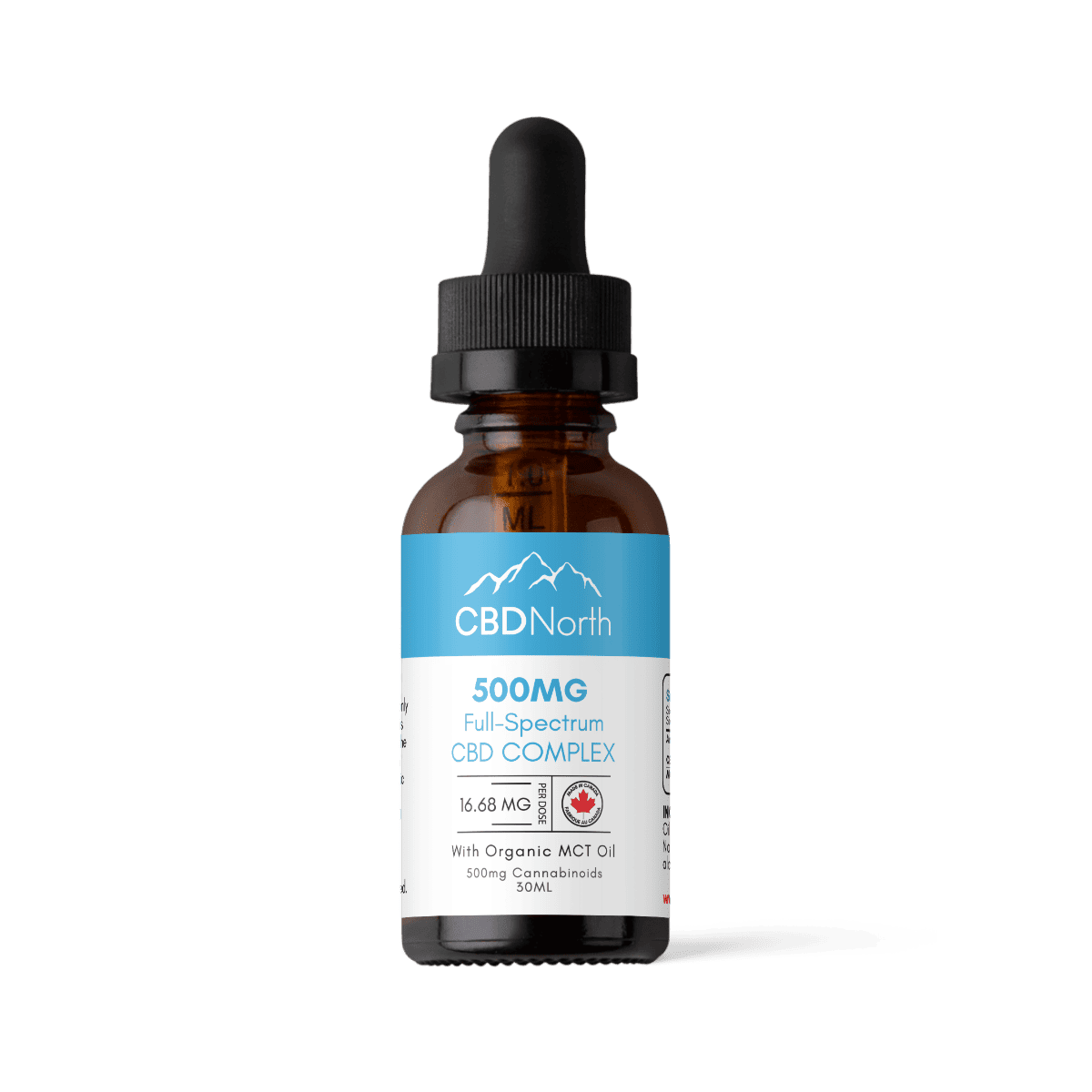
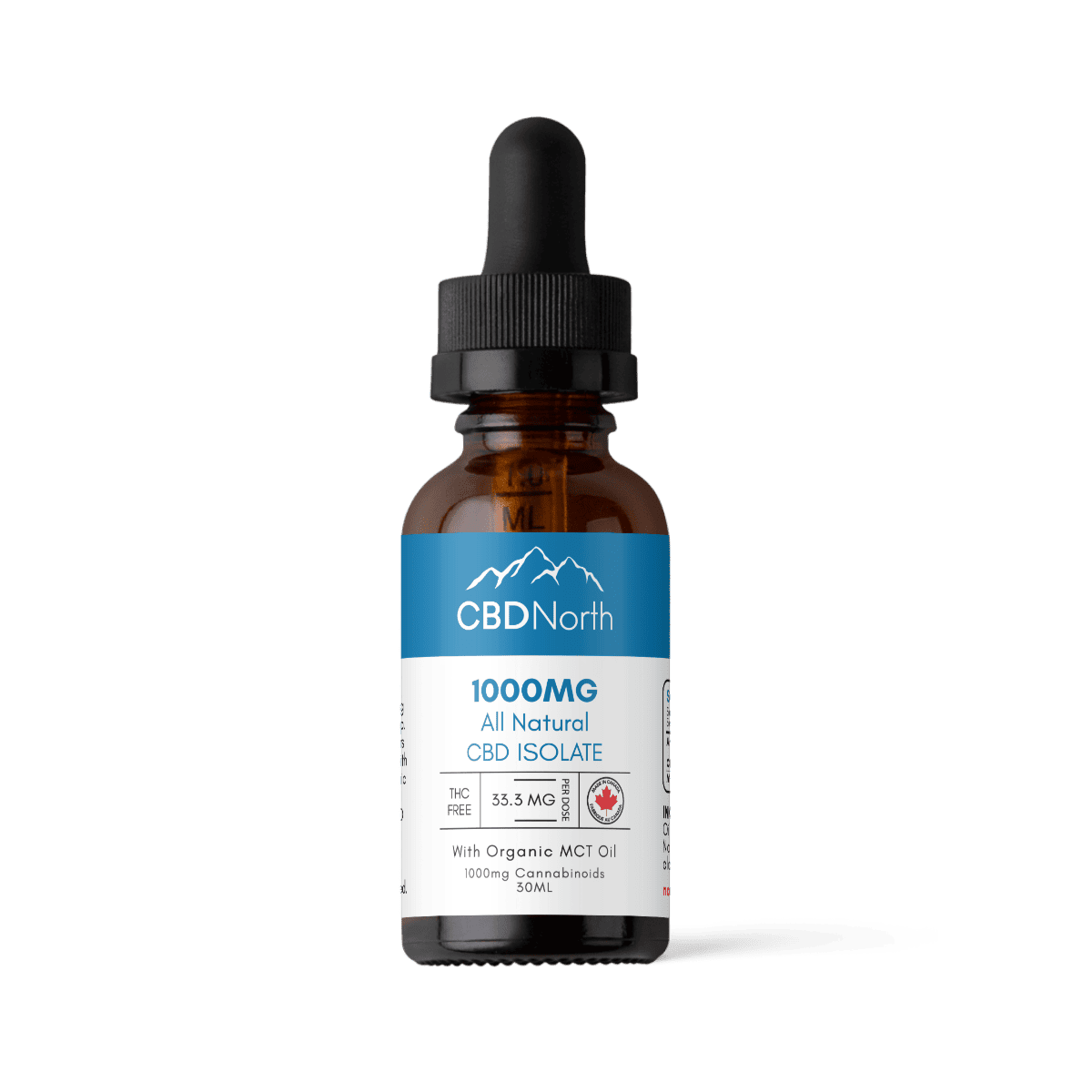
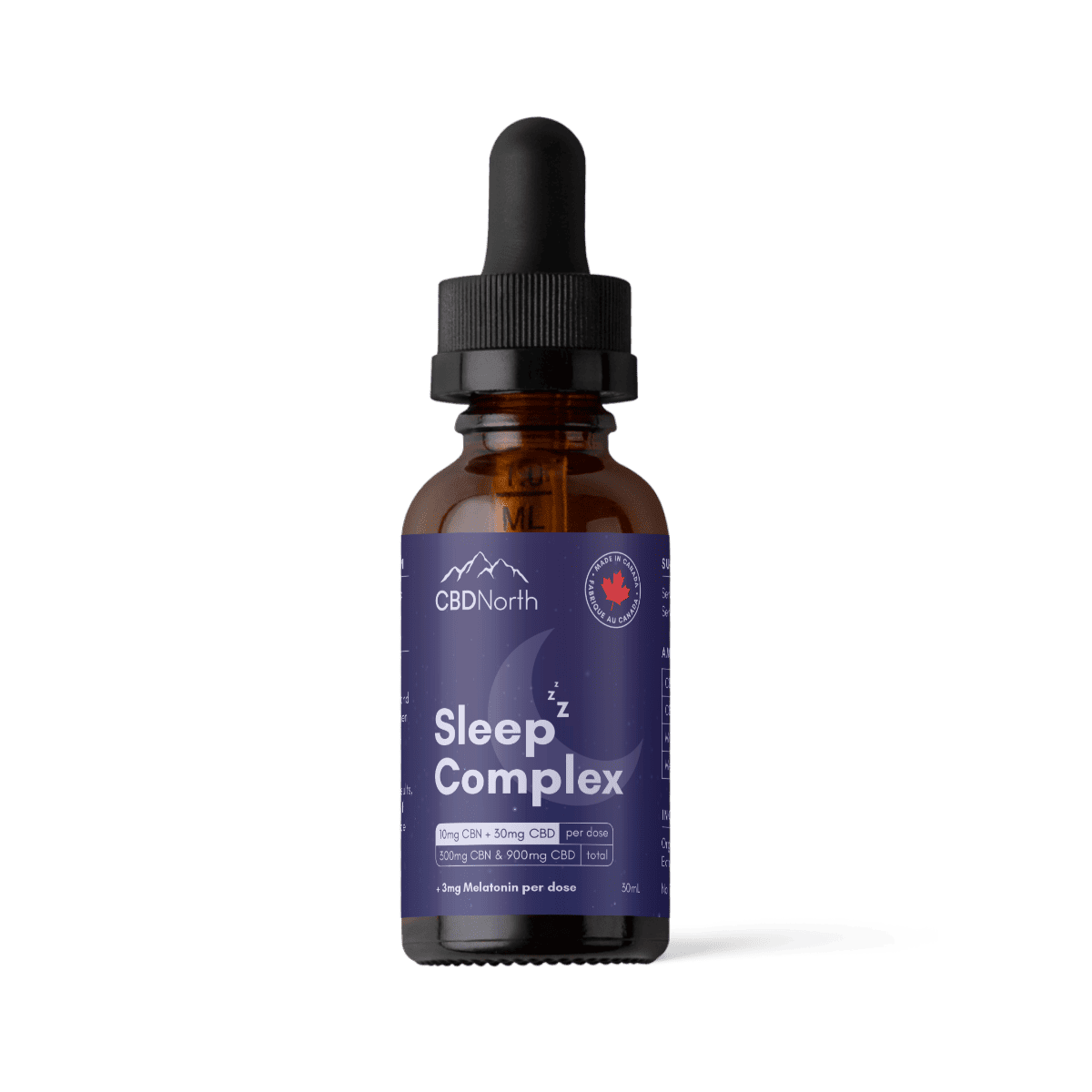
CBD Oil Collection
Where Might CBD Realistically Fit for Lupus Patients?
If CBD is not demonstrated to treat lupus, and carries genuine interaction concerns, the question becomes whether it has any place at all in a lupus patient’s life. The honest answer is that it might offer support for some of the secondary effects of living with lupus, but only with explicit specialist involvement.
Pain is a major feature of lupus, particularly joint pain. While CBD should never replace prescribed treatment, some patients explore it as a complementary support for the discomfort that persists despite treatment.
Sleep disruption is also extremely common in lupus, driven by pain, stress, and the disease itself. CBD’s potential effects on sleep are among the more commonly reported benefits, and better sleep can meaningfully affect quality of life during difficult periods.
Anxiety and depression occur at higher rates in lupus patients than in the general population. This is unsurprising given the unpredictability of the disease, the impact on daily life, and the inflammation itself.
CBD’s research on the 5 HT1A serotonin receptor provides a biological basis for some patients finding it useful for the emotional dimension of living with chronic illness, an angle we explore more in our CBD for seasonal depression guide. The mental health burden of chronic illness is real and deserves attention.
None of this is the same as treating lupus. It is potential support for some of the wider impacts of living with the condition.
The critical point for lupus specifically is that this must never be done without the involvement of the rheumatologist managing the disease. The immune interaction concern makes specialist oversight essential rather than just advisable.
Which CBD Format Makes the Most Sense for Lupus?
For lupus patients who have specialist clearance to try CBD, format choice depends on which aspect of their experience they are focusing on. Different formats suit different needs.
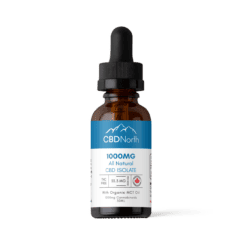
CBD oil taken sublingually offers faster onset, typically 15 to 45 minutes, and precise dose control. This precision matters especially for lupus patients, where starting very low and adjusting slowly is the safest approach given the medication interaction concerns.
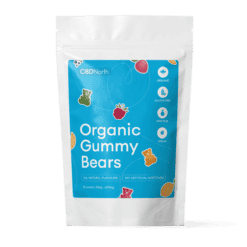
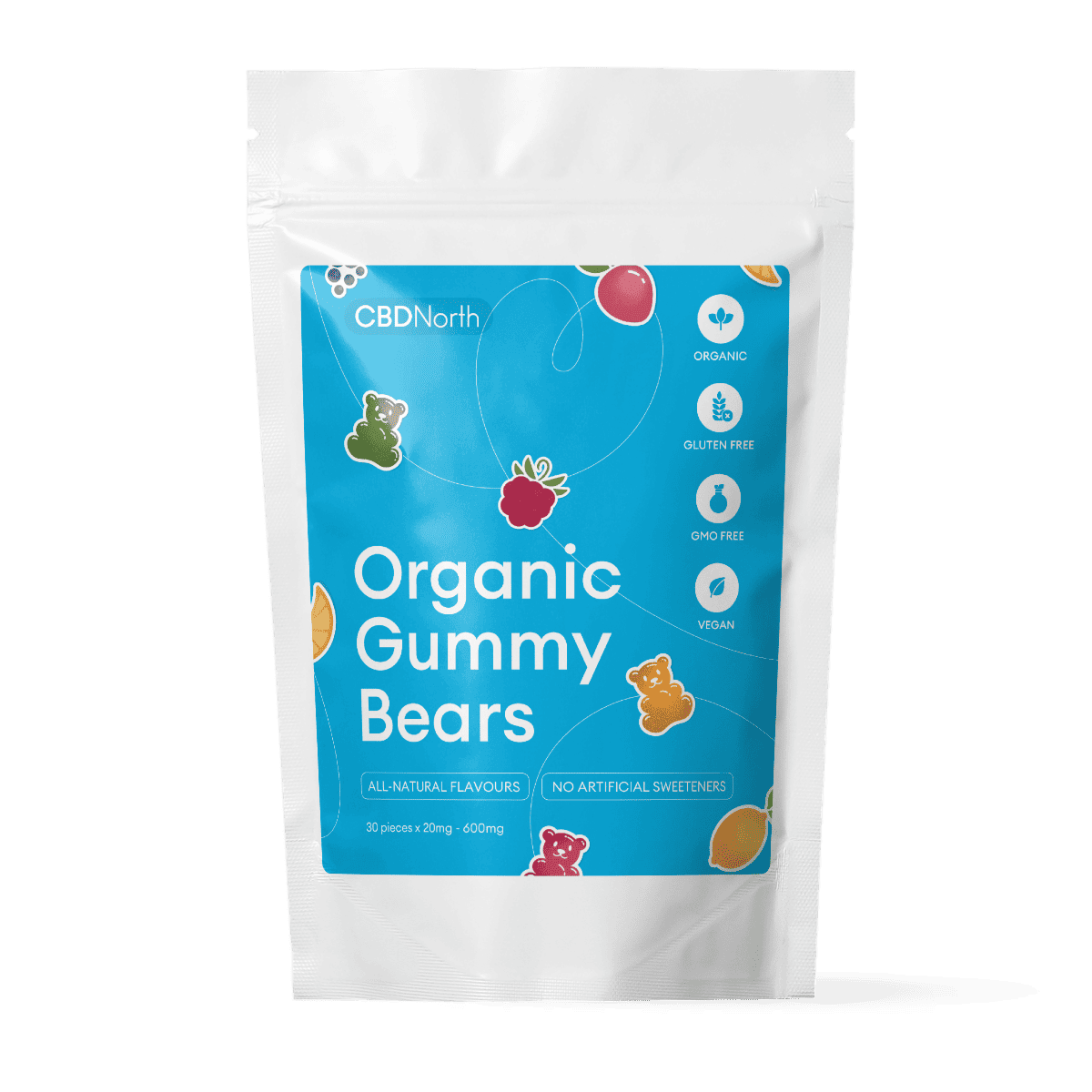
The ability to fine tune the dose drop by drop is genuinely valuable here. CBD gummies offer consistent, easy daily dosing, which suits patients who want a steady routine during stable periods.
However, the slower onset and fixed dosing make them less flexible than oil for careful titration. For lupus, the precision of oil is often the more sensible starting point.
CBD Edibles Collection
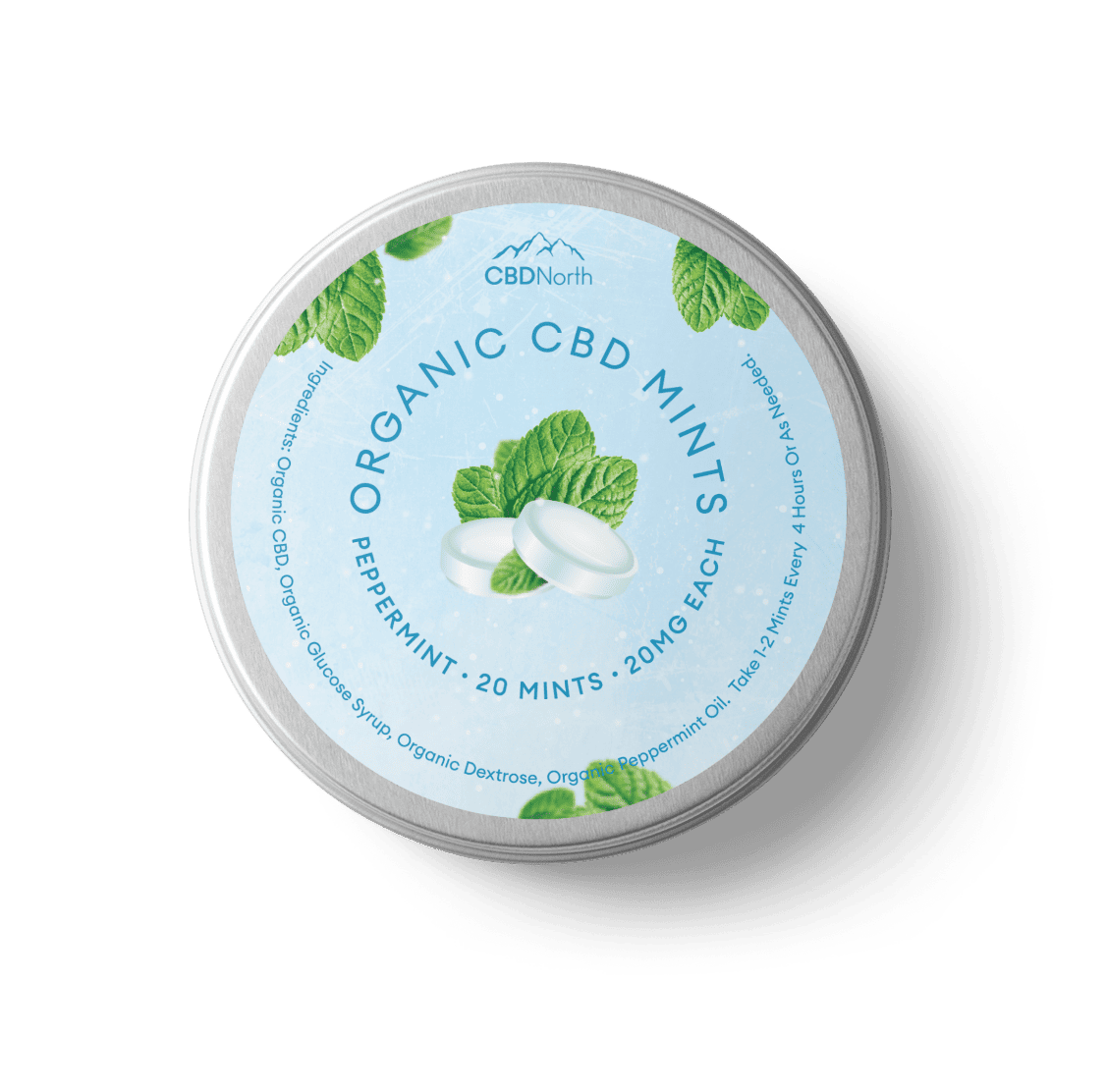
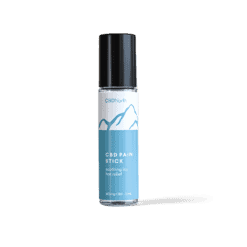
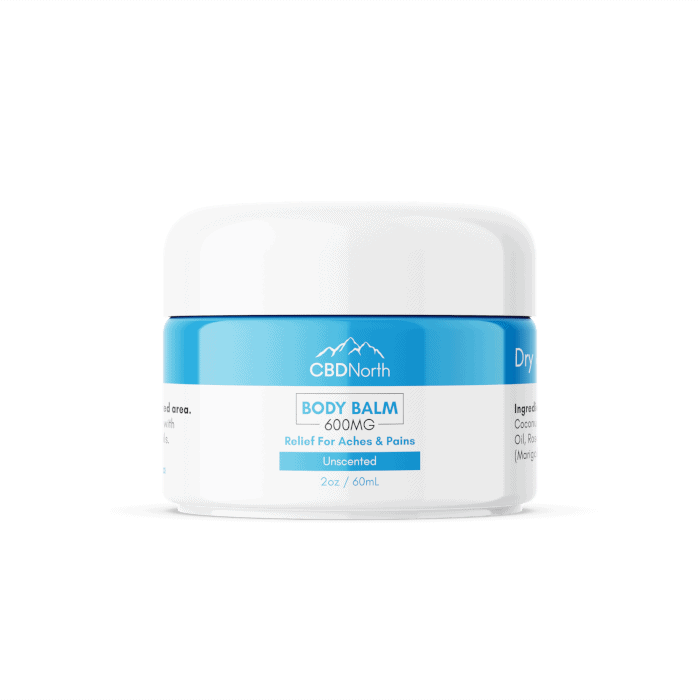
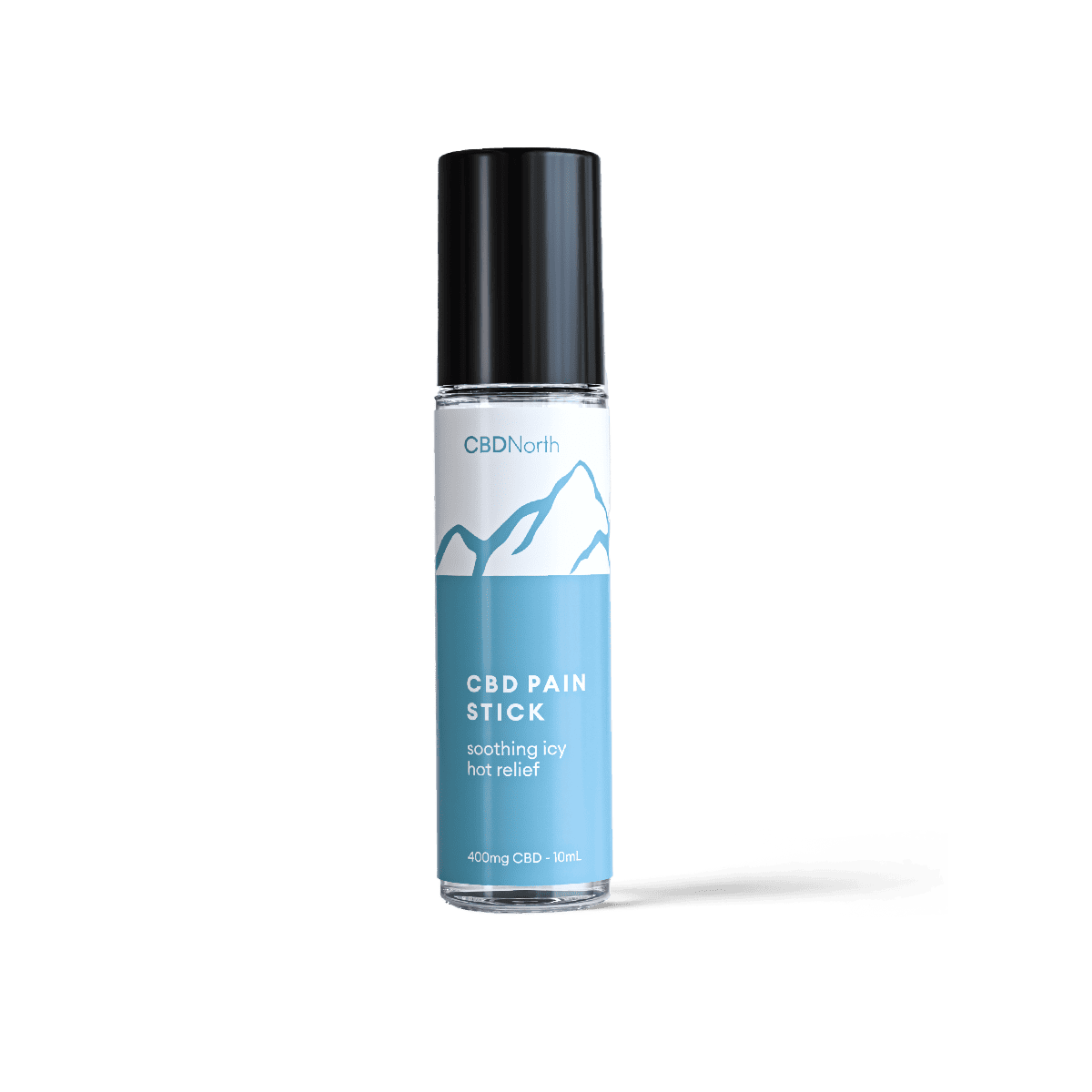
Topical CBD products may have a role for the localised joint pain that affects many lupus patients. Because topicals work at the application site and do not enter the bloodstream meaningfully, they carry less interaction concern than ingestible formats.
For a lupus patient who wants to keep systemic CBD intake minimal for medication safety reasons, a topical for joint discomfort can be a more cautious option. This is similar to the targeted approach we discuss in our CBD for sciatica guide for nerve and joint pain.
For dosing, lupus patients should start much lower than typical wellness guidance, often at 2.5 to 5 mg, and increase only in small steps over weeks, always with specialist awareness. Building any routine slowly and carefully is the priority, as covered in our guide on building a daily CBD routine.
CBD Pain Relief Products
Spectrum Choice for Lupus
Spectrum choice carries some specific considerations for lupus patients. Full spectrum CBD contains the full range of cannabinoids, terpenes, and trace THC up to Canada’s legal limit of 1 percent.
While the entourage effect is valued by some, the additional compounds mean more substances interacting with an already complex medication picture. Broad spectrum CBD removes THC while keeping other cannabinoids and terpenes, which some lupus patients prefer for a slightly simpler profile.
Isolate CBD is pure CBD only, offering the most predictable single compound experience. For lupus patients navigating multiple medications, isolate can be the most cautious choice because it introduces only one known compound rather than a mix.
This simplicity is worth considering when interaction risk is a genuine concern. Always verify your product’s Certificate of Analysis to confirm actual cannabinoid content.
Canada allows up to 1 percent THC in cannabis products, which is meaningfully different from the US federal threshold.
Who Should NOT Use CBD for Lupus?
This section is mandatory and we never skip it. For lupus specifically, these cautions are among the most important in any of our guides.
Anyone not under active specialist care: Lupus is a serious systemic disease that requires ongoing rheumatology management. CBD should never be used as a way to self manage lupus or to avoid or delay proper medical care.
People on immunosuppressants: Many lupus patients take immunosuppressants like azathioprine, mycophenolate, or methotrexate. CBD has its own immune modulating effects and is processed through the same CYP450 liver enzyme system as many of these drugs.
This combination creates genuine and underexplored interaction risks. Anyone on immunosuppressants must speak with their rheumatologist before considering CBD. Do not start without explicit clearance.
People on hydroxychloroquine or antimalarials: These are foundational lupus medications. The interaction between CBD and antimalarials is not well characterised, which is itself a reason for caution. Specialist guidance is essential.
People on corticosteroids: Corticosteroids like prednisone are commonly used for lupus flares and are processed through the same liver pathway as CBD. The interaction documented by Zendulka et al., 2016, Current Drug Metabolism, applies here.
People with lupus nephritis or kidney involvement: Kidney complications are a serious aspect of lupus for some patients. Any substance processed by the body should be discussed with the specialist managing kidney involvement before use.
Pregnancy and breastfeeding: Health Canada advises against using any cannabis product during pregnancy or while breastfeeding. This is especially relevant since lupus predominantly affects women of childbearing age and lupus pregnancies require careful specialist management.
Children and youth: CBD products are intended for adults aged 18 and older. Age minimums vary by province from 18 to 21. Paediatric lupus requires specialist care.
People with liver involvement: Lupus can affect the liver, and high dose CBD has shown liver enzyme changes in some studies. Any liver involvement makes specialist clearance essential before use.
People with allergies to cannabis or hemp: If you have a confirmed allergy to cannabis or hemp, do not use CBD products.
Scheduled surgery: Stop CBD at least two weeks before any planned surgical procedure due to possible effects on blood clotting and anaesthesia interactions.
Province by Province Access Snapshot
CBD access in Canada is governed federally by the Cannabis Act but provincial age minimums vary. In Alberta, adults aged 18 and over can legally purchase CBD products.
In British Columbia, Ontario, Manitoba, Saskatchewan, Nova Scotia, New Brunswick, Prince Edward Island, and the territories of Yukon, Northwest Territories, and Nunavut, the legal age is 19.
Newfoundland and Labrador sets the minimum at 20, while Quebec has the highest provincial minimum at 21. CBDNorth ships organic certified CBD products across all provinces and territories in Canada.
Last Verified: May 2026. Always confirm current rules at canada.ca/health-canada as provincial regulations can change.
What We Don’t Know Yet: Honest Research Gaps
No large scale human clinical trial as of 2025 has tested CBD specifically for lupus. The interest is based on CBD’s documented interactions with immune pathways and on the biological logic, not on direct clinical evidence in lupus patients.
The interaction between CBD and the specific immunosuppressants and antimalarials used in lupus has not been studied in dedicated trials. This is a significant gap given how central these medications are to lupus treatment.
Whether CBD’s immune modulating effects would help or potentially interfere with the immune balance that lupus treatment aims to achieve is genuinely unknown. This uncertainty is the core reason for caution.
The long term effects of CBD use in autoimmune patients across years have not been characterised. Most evidence comes from short term studies in other conditions.
Health Canada’s Natural Health Product pathway for CBD remains under active consultation as of 2025. The regulatory framework continues to evolve.
Real Canadian User Experience Log
The following logs are shared with full user consent. Individual results vary. These are personal experience reports and not medical outcomes.
Critically, all of these users worked closely with their rheumatologist and continued their prescribed lupus medications throughout.
A.M., Ontario, specialist guided: Discussed CBD at length with her rheumatologist before starting due to immunosuppressant use. Began at 2.5 mg sublingual oil twice daily under close monitoring.
Reported feeling the joint pain was slightly more manageable but emphasised she made no medication changes. Continued regular blood work as advised.
J.L., British Columbia, sleep focus: Used 10 mg evening CBD oil primarily for the sleep disruption that worsened during flares. Continued hydroxychloroquine as prescribed.
Found better sleep made flare periods more bearable. Rheumatologist was aware and supportive of the trial with monitoring.
S.R., Alberta, topical only: Chose to use only topical CBD balm on painful joints to avoid systemic interaction with her medications. Discussed the approach with her specialist first.
Preferred the localised approach for peace of mind regarding her immunosuppressant regimen. Found it a comfortable compromise.
K.B., Quebec, cautious decision: After discussing with her rheumatologist, decided not to use CBD because of her complex medication regimen and kidney involvement. Felt the interaction uncertainty was not worth the risk in her case.
Valued having the conversation rather than experimenting alone. Continued focusing on her established treatment plan.
CBDNorth Lab Note
For anyone living with a complex autoimmune condition like lupus, product purity matters more than for almost any other group. Pesticide residues, heavy metals, or contaminants in a low quality CBD product add to an immune system that is already dysregulated.
Every CBDNorth product is tested batch by batch at an ISO certified Canadian laboratory, with full panel results covering cannabinoid levels, pesticides, heavy metals, and residual solvents all available openly on our lab reports page.
Our hemp is USDA organic certified and extracted using supercritical CO2 with no harsh solvent residues. Knowing exactly what is in the product is essential when interaction risk is already a serious concern.
If the cost of accessing quality lab tested CBD is a barrier for you, our Assistance Program is available for Canadians who qualify. We want to be especially clear for lupus that CBD is never a substitute for rheumatology care, and specialist involvement is essential rather than optional before any use.
Frequently Asked Questions
Q: Does CBD help lupus symptoms in Canada?
CBD interacts with immune pathways including CB2 receptors that help regulate immune responses, which is the basis for interest in autoimmune conditions. However, no large scale human clinical trial as of 2025 has tested CBD specifically for lupus.
Some patients report support for secondary symptoms like pain and sleep, but this is observational. CBD cannot legally be claimed to treat lupus under Canada’s Cannabis Act and is not a substitute for treatment.
Q: Can CBD interfere with my lupus medications?
Yes, this is the central concern. CBD has its own immune modulating effects and is processed through the same CYP450 liver enzyme system as many lupus medications, including immunosuppressants and corticosteroids.
The interaction is underexplored, which is itself a reason for caution. Anyone on lupus medications must speak with their rheumatologist before considering CBD.
Q: Should I stop my lupus treatment if I start CBD?
No, never. Stopping prescribed lupus medications without medical supervision can lead to serious flares and organ damage.
If you are considering CBD, it would only ever be in addition to your existing treatment and only with your rheumatologist’s involvement, never as a replacement. Any changes to your treatment plan must be made with your specialist.
Q: What dose of CBD should a lupus patient start with?
Lupus patients should start much lower than typical wellness guidance, often at 2.5 to 5 mg, and increase only in small steps over weeks, always with specialist awareness. Sublingual oil allows the most precise dose control.
The careful, slow approach matters because of the medication interaction concerns specific to lupus. This is not a condition for self directed experimentation.
Q: Is topical CBD safer for lupus than oil or gummies?
Topical CBD works at the application site and does not enter the bloodstream in meaningful amounts, so it carries less medication interaction concern than ingestible formats. For lupus patients on complex medication regimens, a topical for localised joint pain can be a more cautious option.
It cannot, however, address systemic concerns like sleep or mood. Discuss any approach with your specialist first.
Q: Why is CBD riskier for autoimmune conditions than for general wellness?
Autoimmune conditions like lupus involve a dysregulated immune system being managed with carefully calibrated immune affecting medications. CBD has its own immune modulating effects, so introducing it could theoretically disrupt that balance.
Combined with the liver enzyme interaction that affects many lupus drugs, this makes specialist involvement essential rather than optional. The risk profile is genuinely different from general wellness use.
Before starting any new wellness supplement, please speak with a qualified healthcare practitioner, especially your rheumatologist if you live with lupus or another autoimmune condition.
These statements have not been evaluated by Health Canada. CBDNorth products are not intended to diagnose, treat, cure, or prevent any disease or medical condition. This content is for educational purposes only and does not constitute medical advice. Please consult a qualified healthcare practitioner before use. Must be 18 and older to purchase; age requirements vary by province.