CBD is not a treatment for multiple sclerosis and does not slow or reverse the disease. Some people with MS explore CBD for secondary symptoms like spasticity, pain, or poor sleep, and Canada does have an approved prescription cannabis medicine for MS spasticity that a neurologist can prescribe. However, general CBD products differ from that medicine, so anyone with MS should involve their neurologist before trying CBD.
Multiple sclerosis affects many Canadians, and living with it can bring daily challenges that make people search widely for relief. This guide looks honestly at what MS involves, where CBD interest realistically sits, how the approved medicine differs, and why medical guidance matters so much. This content is for educational purposes only and is not medical advice.
Key Takeaways
- CBD is not a treatment for MS and does not slow or reverse the disease.
- MS is an autoimmune condition where the immune system attacks the myelin around nerves.
- Any CBD interest relates to secondary symptoms like spasticity, pain, or sleep.
- Canada has an approved prescription cannabis medicine for MS spasticity, which differs from general CBD.
- A neurologist must guide any decision, since MS medications and CBD can interact.
What Is Multiple Sclerosis?
Multiple sclerosis is an autoimmune condition where the immune system mistakenly attacks myelin, the protective covering around nerve fibres, which disrupts the signals between the brain and the body. This damage causes the wide range of MS symptoms. In fact, Canada has one of the highest rates of MS in the world, so many families know it well.
Myelin works like insulation around an electrical wire. Because of it, nerve signals travel quickly and smoothly along the nerves.
In MS, however, the immune system damages this myelin. Scarring then forms, and nerve signals slow down or fail to get through properly.
This disruption explains the symptoms. Depending on which nerves the damage affects, people experience very different problems from one another.
Meanwhile, neurologists manage MS with proven disease modifying therapies. These medications form the foundation of care and genuinely help many people slow the condition.
How MS Affects the Nerves
A simplified look at what happens to myelin
Myelin insulates the nerves, so signals travel quickly and smoothly between the brain and body.
The immune system attacks the myelin, causing inflammation and gradually damaging the protective covering.
Scarring slows or blocks nerve signals, which leads to symptoms like spasticity, fatigue, and numbness.
A simplified educational model. MS varies widely and needs proper medical assessment.
Understanding this process explains where CBD interest arises. Importantly, that interest relates to easing certain symptoms, never to repairing myelin or treating the disease itself.
CBD Oil Collection
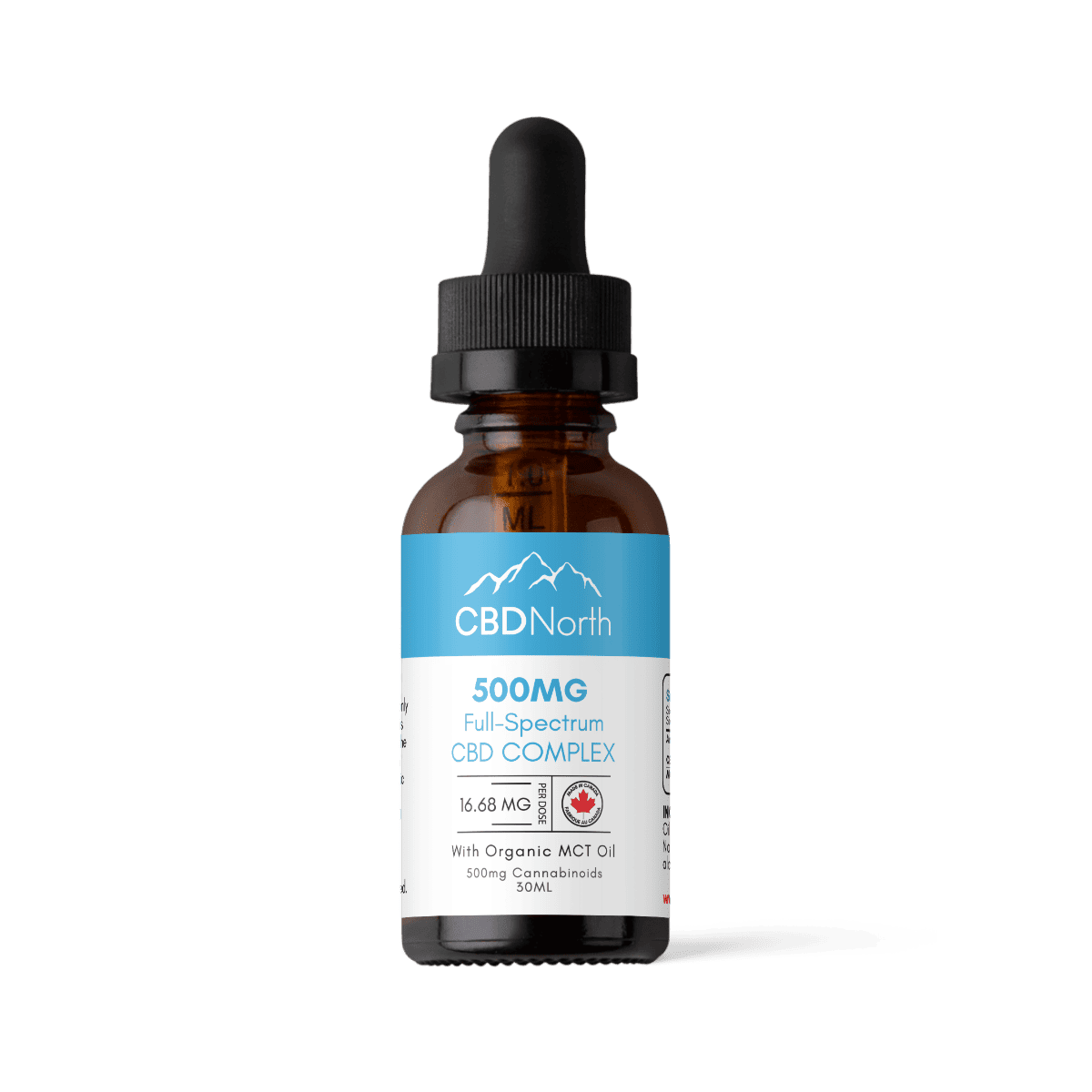
Price range: $42.24 through $149.49
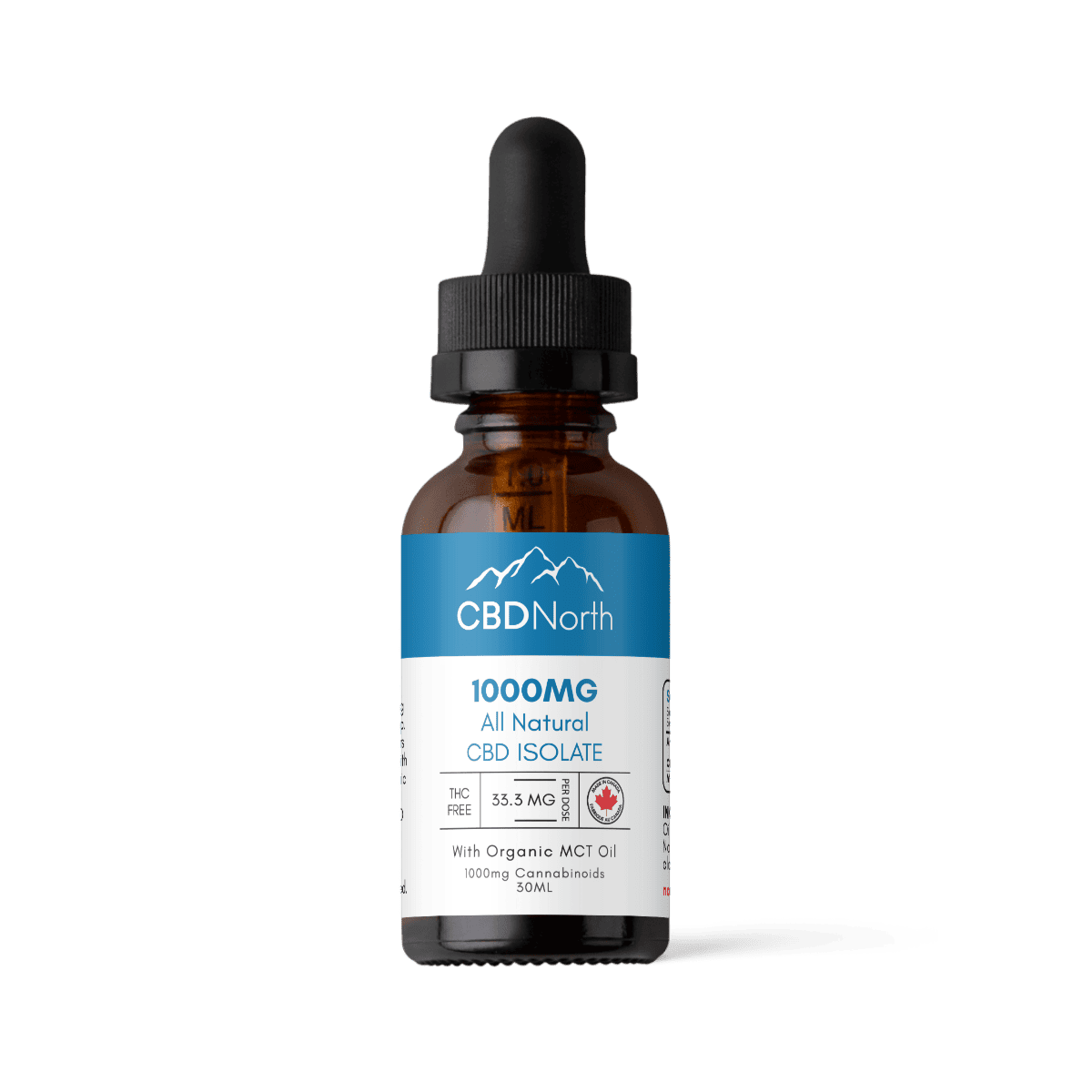
Price range: $42.24 through $136.49
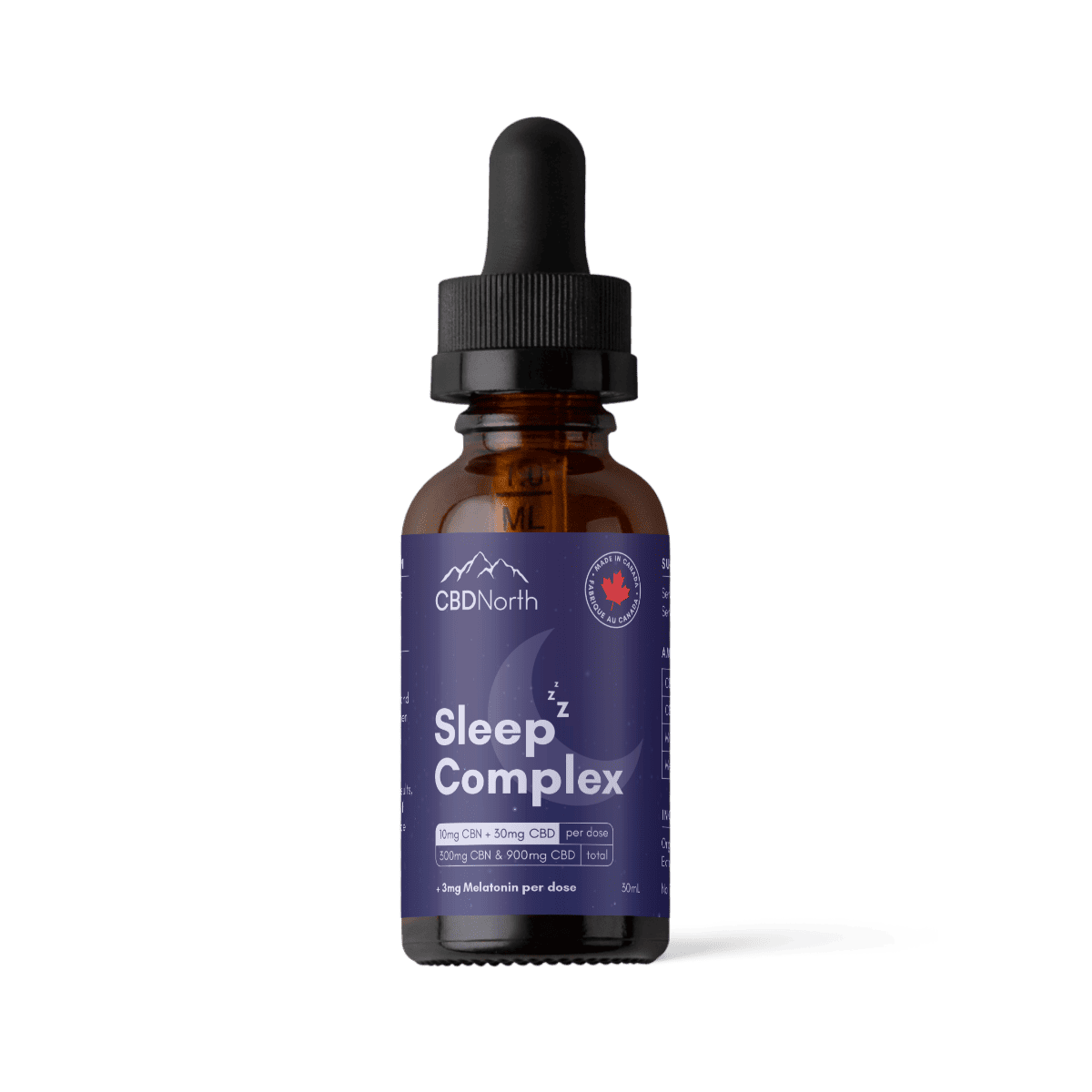
Price range: $74.74 through $129.99
What Are the Main Symptoms of MS?
MS symptoms vary widely between people but commonly include spasticity, which means muscle stiffness and spasms, along with fatigue, pain, numbness, mobility difficulties, and sometimes cognitive changes. Spasticity in particular drives much of the CBD interest. Because each person experiences a different mix, care always needs a personal approach.
Spasticity ranks among the most troubling symptoms. Muscles tighten or spasm, which causes discomfort and can limit movement.
Fatigue, meanwhile, affects a large share of people with MS. This exhaustion goes far beyond ordinary tiredness and can shape daily life significantly.
Pain and altered sensations also occur often. For example, numbness, tingling, and nerve pain all reflect the disrupted signals that MS causes.
Because spasticity involves muscles, some people wonder about topical support, similar to the muscle comfort we discuss in our guide on CBD cream for muscle pain. Any such use, however, belongs within a neurologist led plan.
The Approved Medicine You Should Know About
Canada has an approved prescription cannabis based medicine for MS spasticity, which a neurologist can prescribe when standard treatments do not give enough relief. This medicine is a specific, regulated product that combines THC and CBD, and it differs greatly from a general CBD wellness product. Therefore, knowing this distinction matters for anyone with MS.
This approved medicine went through clinical testing and regulatory approval. A doctor prescribes it, controls the dose, and monitors its use.
A general CBD product, by contrast, is not the same thing. It is a wellness supplement, not a prescription medicine tested specifically for MS spasticity.
This difference carries a clear message. If MS spasticity troubles you, the right step is a conversation with your neurologist about proper options, which may include the approved medicine, rather than self treating with a CBD product.
Your neurologist can then weigh what suits your situation. Since they understand the difference between a regulated medicine and a supplement, they can guide you safely.
Where Does CBD Interest Realistically Sit?
If a general CBD product has any role for someone with MS, it is only as possible support for secondary symptoms like spasticity related discomfort, pain, or sleep, never as a treatment for the disease. Even this narrow interest needs neurologist approval first. The panel below shows the honest boundary between interest and proven care.
CBD and MS: The Honest Boundary
Treat, slow, or reverse MS
Repair damaged myelin
Replace disease modifying therapies
Substitute for the approved prescription medicine
Spasticity related discomfort, with specialist input
Pain and sleep difficulties
General comfort and wellbeing
Only ever alongside, never instead of, neurology care
Any interest is secondary and requires neurologist clearance. CBD is never an MS treatment.
Spasticity discomfort draws the most interest. Because it affects daily comfort so much, some people ask whether CBD might help alongside their proper treatment.
Sleep and pain matter greatly too. Since MS often disrupts both, support for wellbeing genuinely helps, though it must come through the right channels.
Even these secondary interests carry a firm caveat. A neurologist must lead any decision, because MS care is complex and interactions are a real concern, much as we stress for other neurological conditions in our guide on CBD for Parkinson’s disease.
CBD Edibles Collection

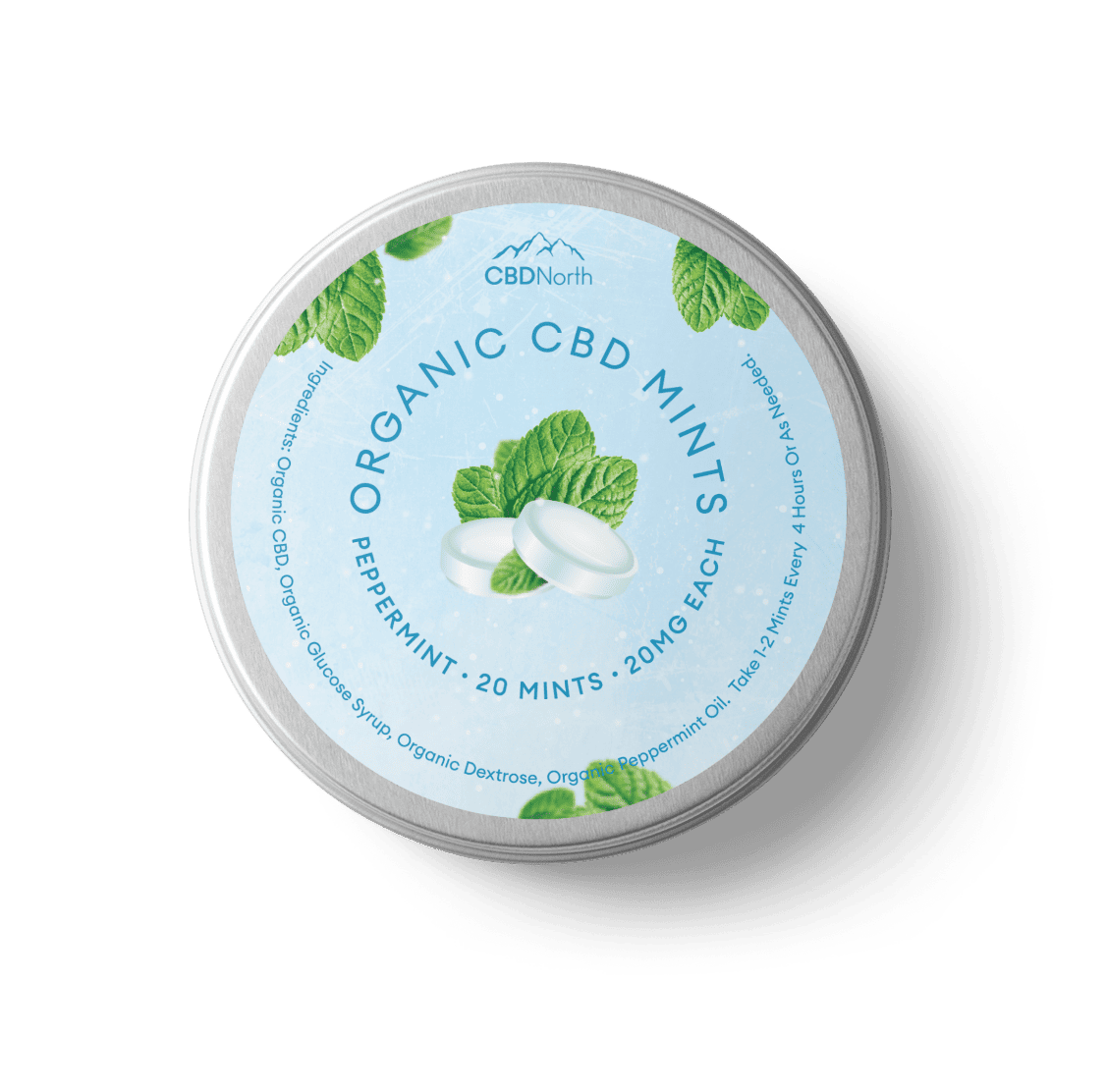
Price range: $19.49 through $35.74
The Critical Safety Concern: Medication Interactions
The most important safety issue is that CBD can interact with MS medications through the liver enzyme system, so a neurologist must oversee any use. MS treatment often involves several medications, and anything that changes their levels could affect the person’s care. Therefore, specialist guidance is essential, not optional.
MS medications work in carefully balanced ways. Disease modifying therapies and symptom treatments need to work as intended.
CBD affects the CYP450 liver enzyme pathway, as Zendulka and colleagues documented in 2016 in Current Drug Metabolism. When CBD competes for these enzymes, it can change how the body processes certain medications.
For someone managing MS, that risk carries real weight. A shift in medication levels could undermine treatment or cause unexpected effects.
Only a neurologist can weigh these risks properly. Because they know the person’s full regimen, they can advise whether CBD fits and how to monitor safely, as we also explain in our guide on talking to your doctor about CBD.
What Does the Research Say?
Research on cannabis and MS focuses mostly on the approved THC and CBD medicine for spasticity, not on general CBD products used alone. Some studies suggest the combined medicine may help spasticity for certain people, but evidence for CBD on its own treating MS symptoms stays limited. In short, CBD alone lacks strong proof here.
The strongest evidence involves the combined medicine. Its THC and CBD formula went through trials specifically for MS spasticity.
General CBD products, however, differ from that. Research on CBD used alone for MS symptoms remains far more limited and less conclusive.
This gap shapes what we can honestly say. Under Canada’s Cannabis Act, a CBD wellness product cannot claim to treat MS, and we will not suggest it does.
CBD Pain Relief Products
Price range: $29.40 through $73.49
Who Should NOT Use CBD With MS?
This section is mandatory and we never skip it. For MS, these cautions matter especially given the medication and neurological concerns.
Anyone on MS medication without neurologist approval: CBD can interact with disease modifying therapies and other drugs through the CYP450 pathway that Zendulka et al., 2016 documented. Because this could affect treatment, specialist clearance comes first.
Anyone using CBD to treat MS: CBD does not treat the disease and must never replace disease modifying therapies or the approved medicine. Substituting it could genuinely harm your care.
Pregnancy and breastfeeding: Health Canada advises against any cannabis product during pregnancy or while breastfeeding, regardless of any other condition.
Children and youth: CBD products suit adults aged 18 and older only. Age minimums vary by province from 18 to 21.
People with liver conditions: High dose CBD has shown liver enzyme changes in some studies. Consult the medical team before use if any liver condition is present.
People with allergies to cannabis or hemp: If you have a confirmed allergy to cannabis or hemp, do not use CBD products.
Scheduled surgery: Stop CBD at least two weeks before any planned surgical procedure due to possible effects on blood clotting and anaesthesia interactions.
Province by Province Access Snapshot
CBD access in Canada is governed federally by the Cannabis Act but provincial age minimums vary. In Alberta, adults aged 18 and over can legally purchase CBD products.
In British Columbia, Ontario, Manitoba, Saskatchewan, Nova Scotia, New Brunswick, Prince Edward Island, and the territories of Yukon, Northwest Territories, and Nunavut, the legal age is 19.
Newfoundland and Labrador sets the minimum at 20, while Quebec has the highest provincial minimum at 21. CBDNorth ships organic certified CBD products across all provinces and territories in Canada.
Last Verified: July 2026. Always confirm current rules at canada.ca/health-canada as provincial regulations can change.
What We Don’t Know Yet: Honest Research Gaps
Whether general CBD used alone helps MS symptoms, beyond the approved combined medicine, remains unclear. Most solid evidence involves the THC and CBD prescription product.
Furthermore, the long term effects of CBD in people with MS have not been well studied. Research in this specific group stays limited.
Researchers have not fully mapped how CBD interacts with each MS medication. While the CYP450 pathway is understood broadly, drug specific effects stay unclear.
Health Canada’s Natural Health Product pathway for CBD remains under active consultation as of 2026. The regulatory framework continues to evolve.
Common Questions We Get Asked at CBDNorth
These are some of the real questions Canadians with MS bring to us about CBD. We share them because the concerns behind them come up often. Individual circumstances vary, and these are general responses rather than medical advice.
“Does CBD oil help MS spasticity?” We cannot claim that a general CBD product treats spasticity. However, Canada does have an approved prescription cannabis medicine, combining THC and CBD, that a neurologist can prescribe for MS spasticity. If spasticity troubles you, ask your neurologist about proper options rather than self treating with a CBD product.
“Is the approved medicine the same as CBD oil?” No, they differ greatly. The approved medicine is a regulated, prescription product tested for MS spasticity, combining THC and CBD under a doctor’s control. A CBD oil, by contrast, is a wellness supplement, not a prescription medicine. Your neurologist can explain which option suits your situation.
“Can CBD replace my MS medication?” No, please never replace your treatment with CBD. Disease modifying therapies genuinely help manage MS, whereas CBD does not treat the disease. Any changes to your treatment must come only from your neurologist, never by substituting a supplement.
“Is CBD safe with my MS drugs?” This is exactly the question for your neurologist, because CBD can interact with MS medications through the liver. The concern is that it could change how your medication works. Therefore, never combine them without specialist clearance and a monitoring plan.
“Could CBD at least help me sleep with MS?” Sleep problems are common with MS, and some people explore CBD for rest generally. With MS, though, the interaction risk means your neurologist must be involved first. Treat this as possible secondary support at most, never as treatment for the disease.
CBDNorth Lab Note
We want to stay clear and responsible on this topic. CBDNorth does not present CBD as a treatment for multiple sclerosis, and we urge anyone with MS to keep their neurologist at the centre of every decision.
For anyone who has specialist clearance to explore CBD for secondary symptoms, product transparency matters, especially when interactions are a concern. Every CBDNorth product goes through batch by batch testing at an ISO certified Canadian laboratory, with full panel results covering cannabinoid levels, pesticides, heavy metals, and residual solvents, all available openly on our lab reports page.
Our hemp is USDA organic certified and extracted using supercritical CO2 with no harsh solvent residues. Because of this, knowing exactly what a product contains helps the medical team advise accurately.
If the cost of accessing quality lab tested CBD is a barrier for you, our Assistance Program is available for Canadians who qualify. For anyone with MS, please involve a neurologist before considering CBD, and remember that Canada’s approved prescription medicine is a distinct, doctor guided option worth discussing with them.
Frequently Asked Questions
Q: Does CBD oil help MS spasticity?
A general CBD product cannot claim to treat MS spasticity. However, Canada does have an approved prescription cannabis medicine, combining THC and CBD, that a neurologist can prescribe for spasticity.
If spasticity troubles you, ask your neurologist about proper options rather than self treating. Any CBD use must involve your specialist first.
Q: Can CBD treat or slow multiple sclerosis?
No. CBD does not treat, slow, or reverse MS, and it does not repair damaged myelin.
Instead, neurologists manage MS with proven disease modifying therapies. CBD has no role in that core treatment and should never replace it.
Q: What is the approved cannabis medicine for MS?
Canada has an approved prescription medicine that combines THC and CBD, which a neurologist can prescribe for MS spasticity when standard treatments do not give enough relief.
This regulated medicine differs greatly from a general CBD wellness product. A doctor controls the dose and monitors its use.
Q: Can CBD interact with MS medications?
Yes, this is the central safety concern. The same CYP450 liver enzyme system processes both CBD and many MS medications.
Because of this, the interaction could affect how your treatment works. Anyone with MS must speak with their neurologist before considering CBD.
Q: Could CBD help with MS symptoms like pain or sleep?
Pain and sleep problems are common with MS, and some people explore CBD for these generally. With MS, however, the interaction risk means the neurologist must be involved first.
This is potential secondary support at most, never treatment of the disease, and only ever with specialist clearance.
Q: What should someone with MS do if they are curious about CBD?
Bring the question to your neurologist rather than starting CBD on your own. They can weigh the interaction risk and discuss proper options, including the approved medicine.
Starting CBD without telling your specialist could affect your carefully managed treatment. Therefore, openness with the medical team is the safest approach.
Before considering any wellness supplement with multiple sclerosis, please speak with a neurologist, especially given the medication interaction concerns. Never use CBD as a substitute for prescribed MS treatment or specialist care.
These statements have not been evaluated by Health Canada. CBDNorth products are not intended to diagnose, treat, cure, or prevent any disease or medical condition. This content is for educational purposes only and does not constitute medical advice. Please consult a qualified healthcare practitioner before use. Must be 18 and older to purchase; age requirements vary by province.