Nausea is one of those symptoms that touches almost every part of daily life when it hits. It interrupts meals, disrupts sleep, ruins travel plans, and can make even getting through a work day feel like an enormous task.
Canadians experience nausea for a wide range of reasons including motion sickness, hormonal shifts, anxiety driven gut reactions, side effects from medications, post operative recovery, and chronic digestive conditions. With antiemetic medications working well for some people but causing unwanted side effects for others, more Canadians are now asking whether CBD might offer some support.
This guide takes an honest look at what early research suggests, how cannabidiol interacts with the systems that control nausea, and what to consider before trying it. This content is for educational purposes only and is not medical advice.
Canadian Cannabinoid Honesty Scorecard
Evidence at a Glance
CBD may reduce nausea through 5-HT1A serotonin receptor activity (Parker et al., 2011, British Journal of Pharmacology)
CBD reduces anticipatory and toxin induced nausea in animal models (Rock and Parker, 2016, European Journal of Pharmacology)
CBD interacts with gut endocannabinoid receptors involved in nausea (Sharkey and Wiley, 2016, Gastroenterology)
Cannabis has been used to address nausea for centuries across cultures
CBD reliably stops active vomiting (limited human data; THC has stronger evidence)
CBD replaces conventional antiemetics for chemotherapy related nausea (not supported)
What Actually Causes Nausea in the Body?
Before getting to what CBD might do, it helps to understand what is happening when you feel sick to your stomach. Nausea is not a stomach problem. It is a brain signal that originates in an area called the chemoreceptor trigger zone and is processed through the area postrema in the brainstem.
Your stomach contributes information, but the actual sensation of nausea is generated by the brain in response to a wide range of inputs. This is why people can feel nauseous from motion, from emotional stress, from medication side effects, from hormonal changes, from low blood sugar, and from countless other triggers that have nothing to do with stomach upset.
Common Triggers of Nausea
Motion
Mismatch between inner ear and visual signals
Anxiety
Stress activates the gut brain axis
Medications
Side effects from prescriptions and treatments
Hormones
Cycle, pregnancy, and menopause shifts
Digestive
Food sensitivities and gut conditions
Illness
Infections, migraines, and fevers
Three biological systems are most directly involved in generating nausea. The first is serotonin signalling, particularly through 5-HT3 receptors in the brainstem and gut, which is why many conventional antiemetic medications target serotonin pathways.
The second is the endocannabinoid system, which has receptors throughout the gut and the brain regions that process nausea signals. The third is the gut brain axis itself, the constant communication network linking your digestive system to your nervous system.
Each of these systems is relevant to how CBD might influence the nausea experience.
How Might CBD Interact With Nausea Pathways?
Research on cannabinoids and nausea has been ongoing for decades. Most of the strongest clinical evidence relates to THC and chemotherapy induced nausea and vomiting, where pharmaceutical cannabinoid medications have been used for over thirty years.
CBD’s role is different and less well documented in humans, but the animal and mechanistic research is genuinely interesting.
How CBD May Influence Nausea Signalling
Nausea Trigger
Brainstem receives input from gut, motion, hormones, or stress.
Serotonin Release
5-HT3 receptors activate; nausea signal begins.
CBD Indirect Influence
May modulate 5-HT1A receptors and endocannabinoid tone.
Reduced Reactivity
Animal studies suggest dampened nausea response.
Simplified mechanism. Human clinical evidence is still developing.
A 2011 study published in the British Journal of Pharmacology by Parker and colleagues found that CBD reduced nausea and vomiting behaviours in animal models. The researchers proposed that the effect was mediated through indirect activation of the 5-HT1A serotonin receptor.
This is the same receptor pathway that has come up in CBD’s research on anxiety, stress hormones, and mood, which is one reason why CBD’s potential effects on nausea may overlap with its effects on anxiety driven gut symptoms.
A follow up review by Rock and Parker in the European Journal of Pharmacology in 2016 examined the broader picture and concluded that CBD showed promise for both acute and anticipatory nausea in animal models.
Anticipatory nausea is a particularly interesting category. This is the nausea that develops before a known trigger, often associated with chemotherapy, where patients begin to feel sick in anticipation of an upcoming treatment rather than as a direct response to it.
Anticipatory nausea is notoriously resistant to conventional antiemetic medications because it is rooted more in anxiety and conditioning than in direct chemical triggers. The early CBD evidence in animal models specifically points to this category as one where CBD’s combined effects on serotonin signalling and anxiety pathways might be relevant.
The human evidence is still limited.
CBD also interacts with the gut endocannabinoid system directly. A 2016 review in Gastroenterology by Sharkey and Wiley described CB1 and CB2 receptors throughout the gut as part of a system that regulates motility, visceral sensation, and inflammation.
All three of these can contribute to nausea in different situations. This is the same biology covered in our broader guide on how CBD interacts with the immune system, where the gut connection plays a major supporting role.
What Does the Human Evidence Show?
The honest answer is that the human evidence specifically for CBD as a standalone nausea treatment is limited. Most rigorous clinical trials in this space have studied THC, sometimes in combination with CBD, rather than CBD alone.
THC has well documented effects on nausea, particularly chemotherapy related nausea, and pharmaceutical cannabinoid medications based on THC have been approved for medical use for decades. CBD’s contribution to that combined effect is harder to isolate in clinical research because most trials simply have not separated the two.
What Canadians who try CBD for nausea typically report is something more subtle than the strong antiemetic effect THC can produce. Many describe feeling less queasy, less likely to be set off by minor triggers, and generally more settled in their gut.
This is particularly true during stressful periods or hormonal shifts when their nausea pattern is closely linked to anxiety or tension. This fits with what the mechanistic research suggests CBD is doing through the 5-HT1A pathway and the gut brain axis.
It does not match the kind of fast acting symptom suppression you might get from a conventional antiemetic, and it should not be expected to.
For anyone managing chemotherapy related nausea or any other clinically significant condition, CBD should not be considered a replacement for prescribed antiemetic medications. The evidence base for those conventional treatments is far stronger and they remain the standard of care.
CBD may be relevant as an adjunctive support tool for some patients but only with the awareness and approval of the treating oncologist or specialist, particularly because of medication interaction considerations.
Which CBD Format Makes the Most Sense for Nausea?
This is where format choice for nausea gets practical and a bit different from other use cases. The problem with nausea is that the very act of swallowing something can make it worse.
Once vomiting is involved, anything you have just taken orally may not be retained long enough to absorb. This is why format choice for nausea support deserves more thought than it might for other applications.
CBD oil taken under the tongue, or sublingually, is generally the most practical option when nausea is a concern. The CBD absorbs through the mucous membranes in the mouth rather than needing to pass through the digestive tract.
Onset is faster, typically within 15 to 45 minutes, and you do not have to keep food or liquid down for the CBD to start working. Many users with motion sickness, anxiety driven nausea, or hormonally driven nausea find oil under the tongue the most reliable approach.
CBD gummies and other edibles can absolutely work for nausea support, particularly for preventive use when nausea is likely but not yet present. Taking a gummy an hour before a known trigger like a long car ride, a flight, or a stressful event lets the CBD reach effective levels before symptoms begin.
However, once active nausea has started, taking something that needs to be chewed and digested may not be the most comfortable option.
If you are exploring edibles, our CBD gummies vs THC gummies guide explains how each works and what to expect. This is particularly relevant given that THC has stronger antiemetic evidence than CBD does on its own.
CBD Oil Collection
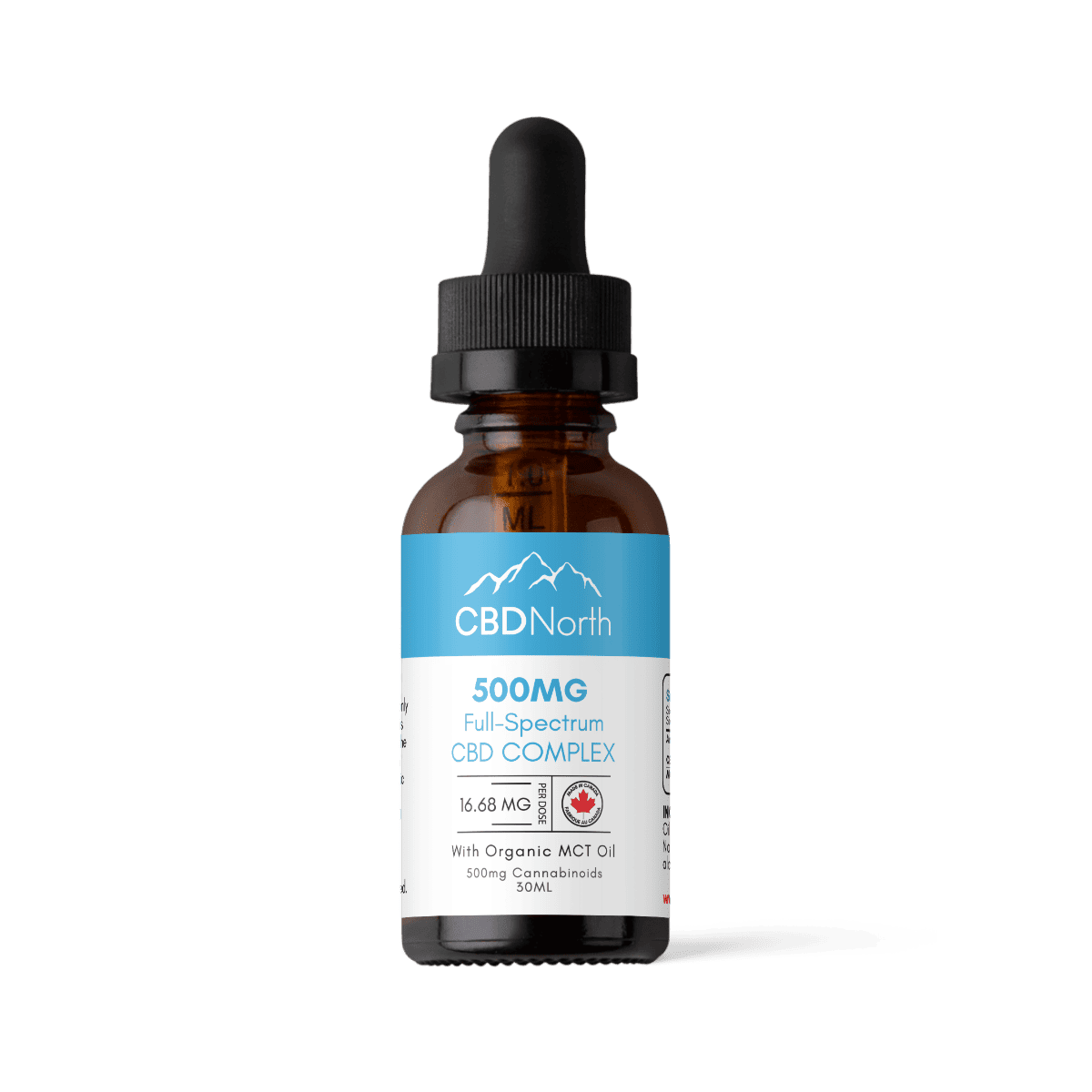
Price range: $42.24 through $149.49
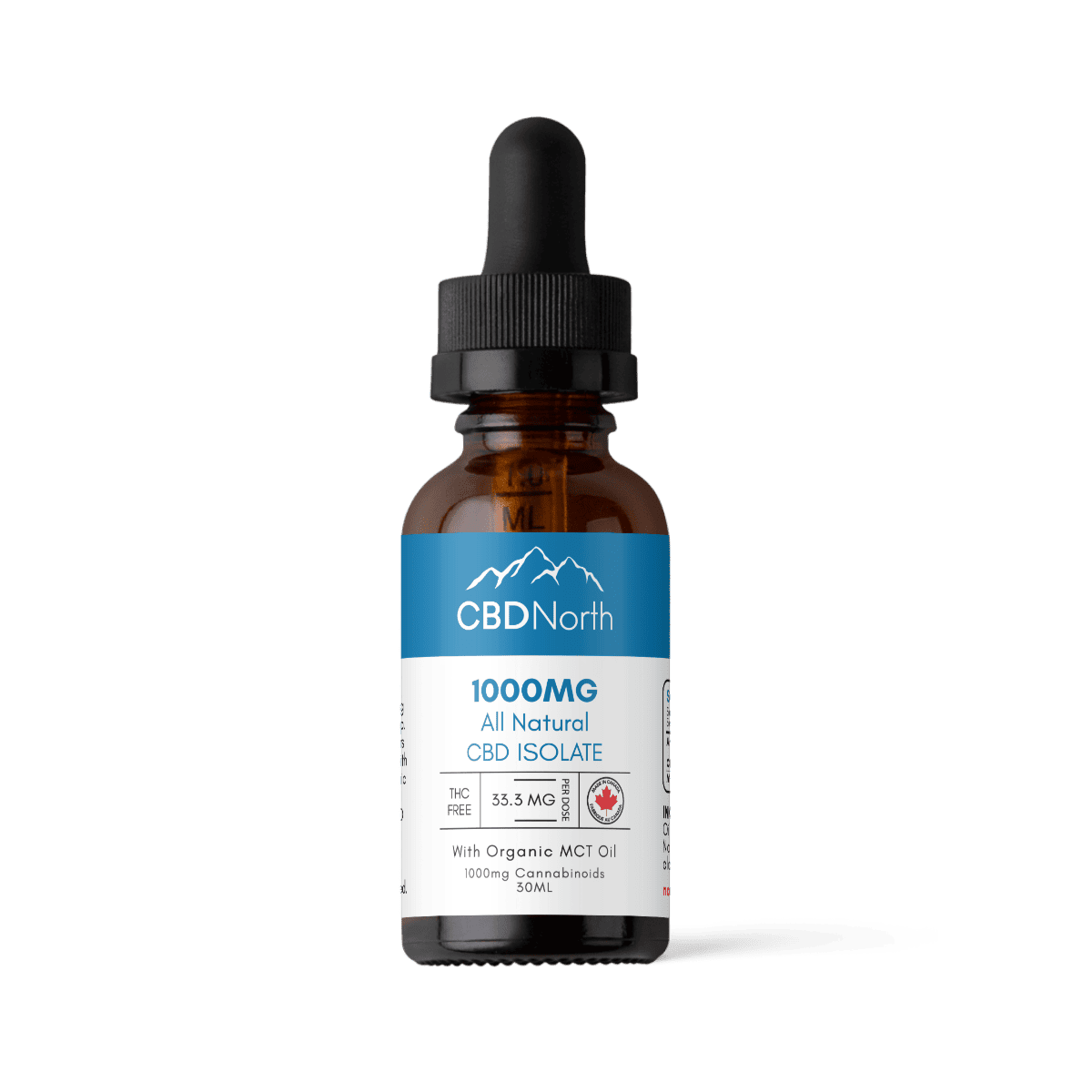
Price range: $42.24 through $136.49
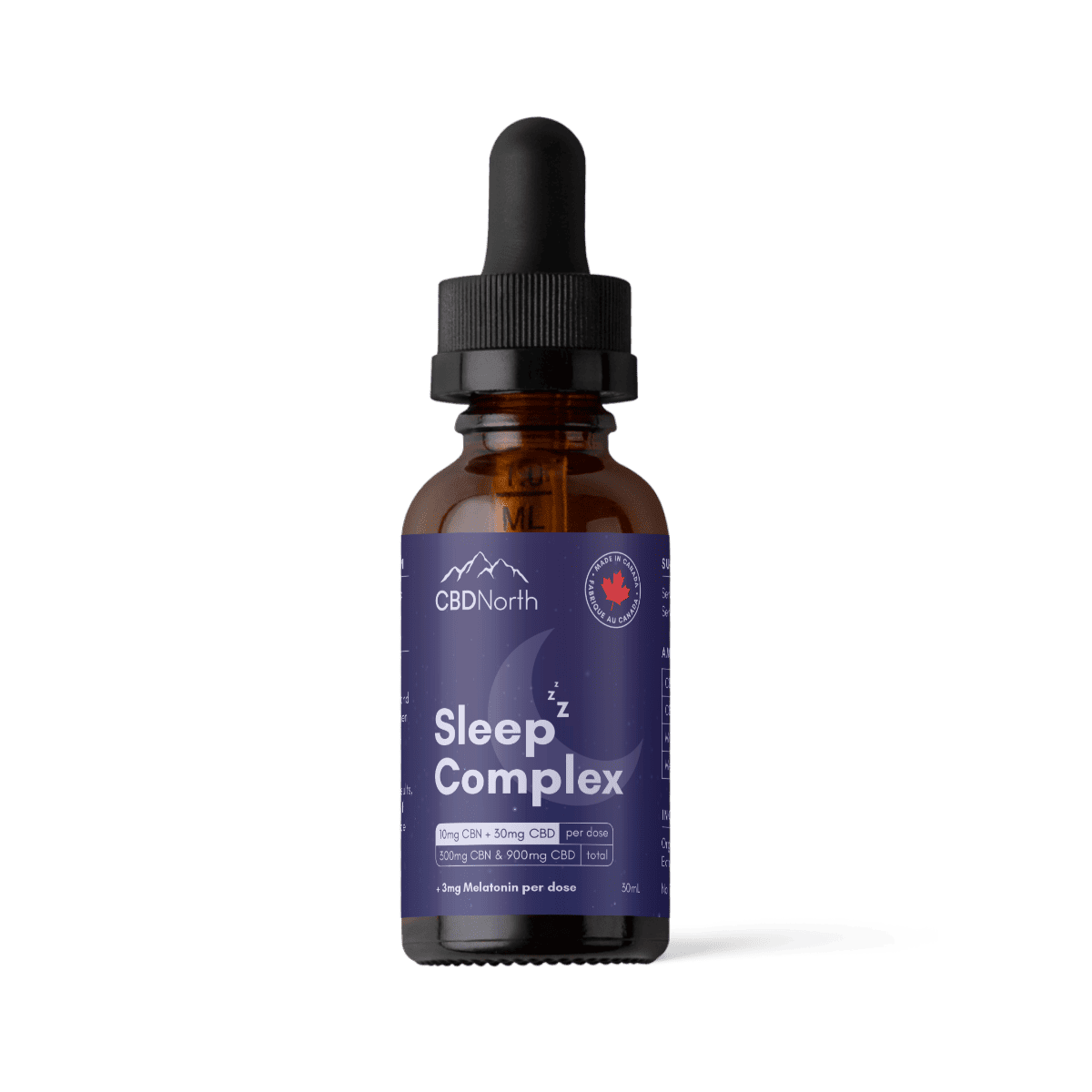
Price range: $74.74 through $129.99
Spectrum Choice for Nausea Support
Choosing Your Spectrum
Full Spectrum
Contains: All cannabinoids, terpenes, flavonoids
THC: Up to 1% (Canadian limit)
Entourage Effect: Full plant synergy
Best for: Stronger combined effect, particularly for anticipatory nausea
Broad Spectrum
Contains: Multiple cannabinoids and terpenes
THC: Undetectable
Entourage Effect: Partial synergy
Best for: THC sensitive users or those subject to workplace testing
Isolate
Contains: Pure CBD only
THC: Zero
Entourage Effect: None
Best for: First time users with sensitive digestion
Canada allows up to 1% THC in cannabis products. Always check your product’s Certificate of Analysis.
How to Start CBD When Nausea Is the Concern
Start Small, Build Gradually
Start at 5 to 10 mg
Sublingual oil. Hold under the tongue for 60 to 90 seconds.
Take it before triggers
For predictable nausea like travel or hormonal cycles, dose ahead.
Track your pattern
Keep a simple log of dose, timing, and how nausea responded.
Adjust every two weeks
Increase by 5 mg only if needed. Bigger is not always better.
Stay hydrated
Sip water, eat lightly. CBD supports, it does not replace basics.
Starting low matters even more for nausea than for other applications. The reason is that CBD’s own side effect profile includes mild digestive upset in some users, particularly at higher doses.
The last thing you want when you are already feeling nauseous is to add a substance that might intensify the sensation rather than help with it. Starting at the lower end and building up over two week intervals lets you observe how your gut specifically responds.
If you have ever experienced any of the signs covered in our guide on what happens if you take too much CBD, those same signs apply here.
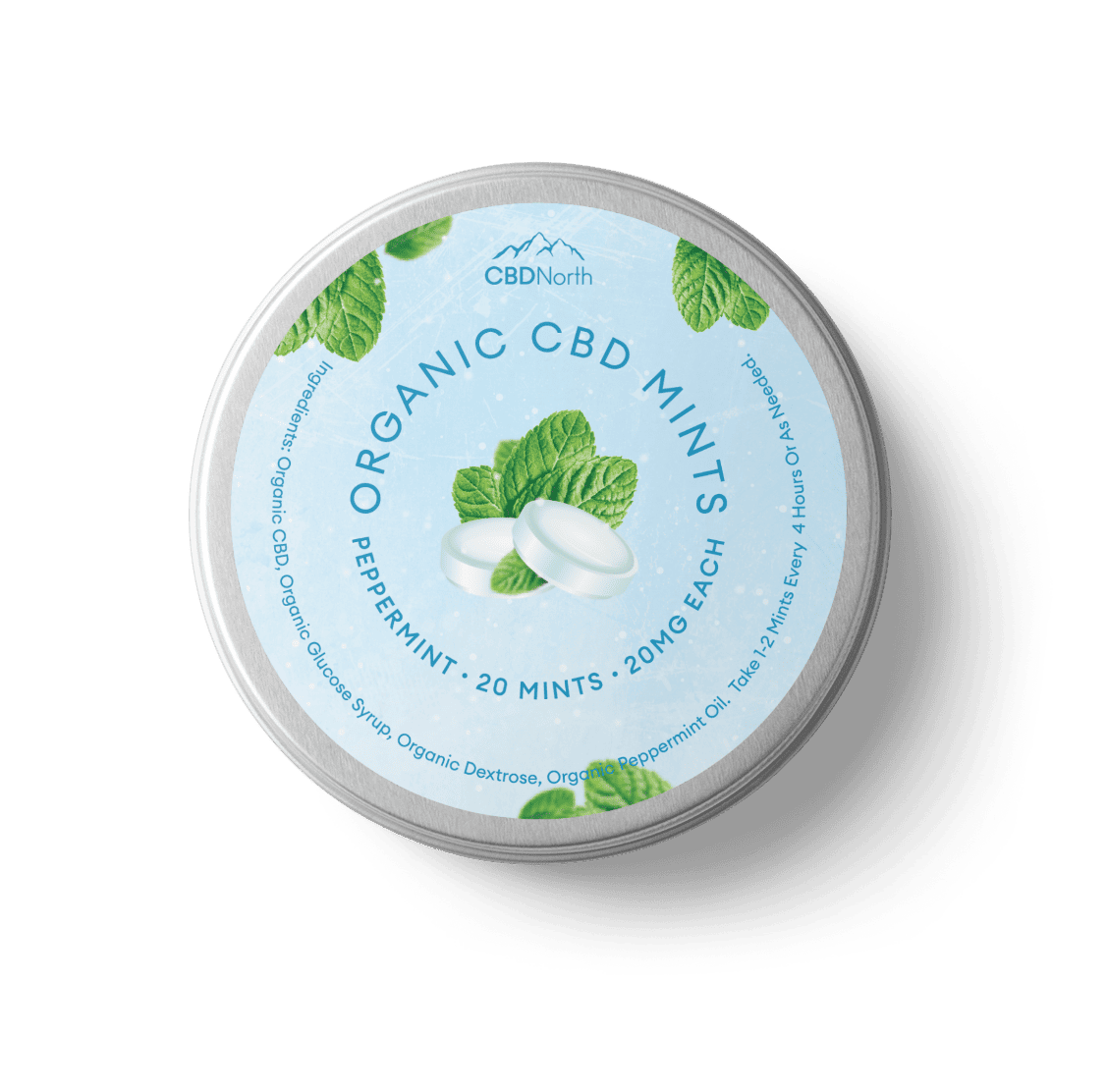
CBD Edibles Collection

Price range: $19.49 through $35.74
Who Should NOT Use CBD for Nausea?
This section is mandatory and we never skip it.
Pregnancy and breastfeeding: Health Canada advises against using any cannabis product during pregnancy or while breastfeeding. This is particularly relevant for nausea because morning sickness is one of the most common nausea presentations during pregnancy.
Despite CBD’s mechanistic plausibility, pregnancy nausea must be managed under medical supervision only. Do not use CBD for pregnancy related nausea.
Children and youth: CBD products are intended for adults aged 18 and older. Age minimums vary by province from 18 to 21. These products are not appropriate for anyone under the legal age in their province.
People undergoing chemotherapy: This deserves particular emphasis. Chemotherapy related nausea is a serious clinical concern with established conventional treatments. CBD should not be considered a substitute for prescribed antiemetics.
More importantly, CBD interacts with the same liver enzyme system that processes many chemotherapy drugs. The interaction is documented in peer reviewed research by Zendulka et al., 2016, Current Drug Metabolism. Anyone undergoing chemotherapy must speak with their oncologist before considering CBD.
People taking prescription antiemetics: Medications like ondansetron, metoclopramide, and prochlorperazine work on serotonin and dopamine pathways. CBD may influence overlapping pathways and is processed through the CYP450 enzyme system. Combining them without medical supervision is not advisable.
People with active vomiting and dehydration: If nausea has progressed to active vomiting, particularly with signs of dehydration, this is a medical situation that needs proper clinical assessment. Do not rely on CBD or any supplement as a primary management approach. Seek medical care.
People with severe gastrointestinal conditions: Conditions like gastroparesis, severe gastritis, or cyclic vomiting syndrome require careful medical management. CBD is not a substitute for specialist care in these cases. Speak with your gastroenterologist before considering any supplement.
People with allergies to cannabis or hemp: If you have a confirmed allergy to cannabis or hemp, do not use CBD products. Our CBD for seasonal allergies guide covers this caution in more detail.
Liver conditions: High dose CBD has shown liver enzyme changes in some clinical studies. If you have an existing liver condition, consult your doctor before use.
Scheduled surgery: Some healthcare practitioners recommend stopping CBD at least two weeks before any planned surgical procedure due to possible effects on blood clotting and anaesthesia interactions, including post operative antiemetic considerations.

What We Don’t Know Yet: Honest Research Gaps
Research Honesty Box
- Most human clinical evidence for cannabinoids and nausea has studied THC or THC plus CBD combinations rather than CBD alone. Pure CBD’s human nausea evidence is limited.
- The animal evidence for CBD reducing anticipatory nausea is interesting but has not been confirmed in dedicated human trials as of 2025.
- No research has separated the contribution of CBD’s serotonin pathway effects from its gut endocannabinoid effects in nausea outcomes. The relative importance of each mechanism is unclear.
- Whether CBD affects different types of nausea differently, motion versus anxiety driven versus hormonal versus medication induced, has not been examined in dedicated trials.
- Health Canada’s Natural Health Product pathway for CBD remains under active consultation as of 2025. The regulatory framework continues to evolve.
Province by Province Access Snapshot
Canadian Access Overview
Age 19 to Ships Yes
Age 18 to Ships Yes
Age 19 to Ships Yes
Age 21 to Ships Yes
Age 19 to Ships Yes
Age 19 to Ships Yes
Age 19 to Ships Yes
Age 19 to Ships Yes
Age 19 to Ships Yes
Age 20 to Ships Yes
Age 19 to Ships Yes
Last Verified: May 2026. Always confirm current rules at canada.ca/health-canada.
Real Canadian User Experience Log
The following logs are shared with full user consent. Individual results vary. These are personal experience reports and not medical outcomes.
Took 10 mg sublingual CBD oil 45 minutes before long bus ride. Reported feeling less queasy than usual on winding routes. Continued using preemptively for travel.
Added 15 mg morning routine during stressful work period. Found that the gut tightness before presentations felt more manageable. Could not isolate effect from general anxiety reduction.
Used 0.5 mL oil daily through premenstrual week when nausea typically peaks. Reported fewer mornings starting with queasiness. Consulted naturopath before starting.
Discovered that 25 mg was too much and caused some loose stools. Returned to 15 mg which felt balanced. Reinforced importance of starting low.
Did not use CBD during recovery from surgery on doctor’s advice. Resumed routine four weeks post operation under medical supervision. No issues reported with reintroduction.
CBDNorth Lab Note
For anyone using CBD specifically to support a sensitive gut, product purity matters more than for almost any other use case. Residual solvents, pesticides, or contaminants in a low quality product can intensify nausea rather than help it.
Every CBDNorth product is tested batch by batch at an ISO certified Canadian laboratory, with full panel results covering cannabinoid levels, pesticides, heavy metals, and residual solvents all available openly on our lab reports page.
Our hemp is USDA organic certified and extracted using supercritical CO2, with no harsh solvent residues. If the cost of accessing quality lab tested CBD is a barrier for you, our Assistance Program is available for Canadians who qualify.
Before adding any new wellness product to your routine, especially if you take prescription antiemetics, undergo chemotherapy, or manage a serious gastrointestinal condition, please speak with a qualified healthcare practitioner.
CBD Pain Relief Products

Price range: $29.40 through $73.49

For Canadians whose nausea is connected to muscle tension or stress related body discomfort, pairing a CBD topical with an ingestible routine can be useful. Our CBD roller vs CBD cream comparison covers how topicals fit into a broader CBD routine without contributing to your ingestible dose.
Frequently Asked Questions
Q: Does CBD help with nausea in Canada?
Early animal research suggests CBD may reduce nausea signalling through the 5-HT1A serotonin receptor and the gut endocannabinoid system. Some Canadians report less queasiness with regular use, particularly for anxiety driven or motion related nausea.
However, human clinical evidence specifically for CBD alone is limited. Most stronger evidence in cannabinoids and nausea relates to THC. CBD cannot legally be claimed to treat nausea under Canada’s Cannabis Act.
Q: How long does CBD take to help with nausea?
CBD oil taken sublingually typically begins acting within 15 to 45 minutes for most users. Gummies take longer, usually 45 minutes to two hours, because they pass through the digestive tract first.
For preventive use before a known trigger, dose ahead of time. For ongoing nausea support tied to hormonal or anxiety patterns, several weeks of consistent use is often needed to evaluate overall effect.
Q: Can I take CBD with antiemetic medications?
Antiemetic medications like ondansetron and metoclopramide are processed through liver enzyme pathways that CBD also affects. Combining them without medical supervision is not advisable.
If you take any prescription antiemetic, particularly for chemotherapy or post operative recovery, speak with your doctor or pharmacist before adding CBD.
Q: What dose of CBD should I start with for nausea?
Start lower than you might for other applications because gut sensitivity matters here. Most Canadian adults begin with 5 to 10 mg per day and adjust gradually over two week intervals.
The minimum effective dose is the goal rather than higher numbers. Sublingual oil is typically the most practical format because it does not require keeping food or liquid down to absorb.
Q: Can CBD itself cause nausea?
In rare cases yes, particularly at higher doses or with sensitivity to the carrier oils used in some CBD products. MCT oil, the most common carrier, can cause loose stools or mild stomach upset in some users.
If you experience nausea after taking CBD, reduce your dose, try a different format, or consider switching to a product with a different carrier. Persistent issues warrant medical guidance.
Q: Should I use CBD for morning sickness during pregnancy?
No. Health Canada advises against using any cannabis product during pregnancy, including CBD. Morning sickness can be debilitating but must be managed under medical supervision only.
Speak with your obstetrician or midwife about pregnancy safe options for nausea management.
Before starting any new wellness supplement, please speak with a qualified healthcare practitioner, especially if you take prescription antiemetics, are undergoing cancer treatment, or manage a chronic gastrointestinal condition.
These statements have not been evaluated by Health Canada. CBDNorth products are not intended to diagnose, treat, cure, or prevent any disease or medical condition. This content is for educational purposes only and does not constitute medical advice. Please consult a qualified healthcare practitioner before use. Must be 18 and older to purchase; age requirements vary by province.