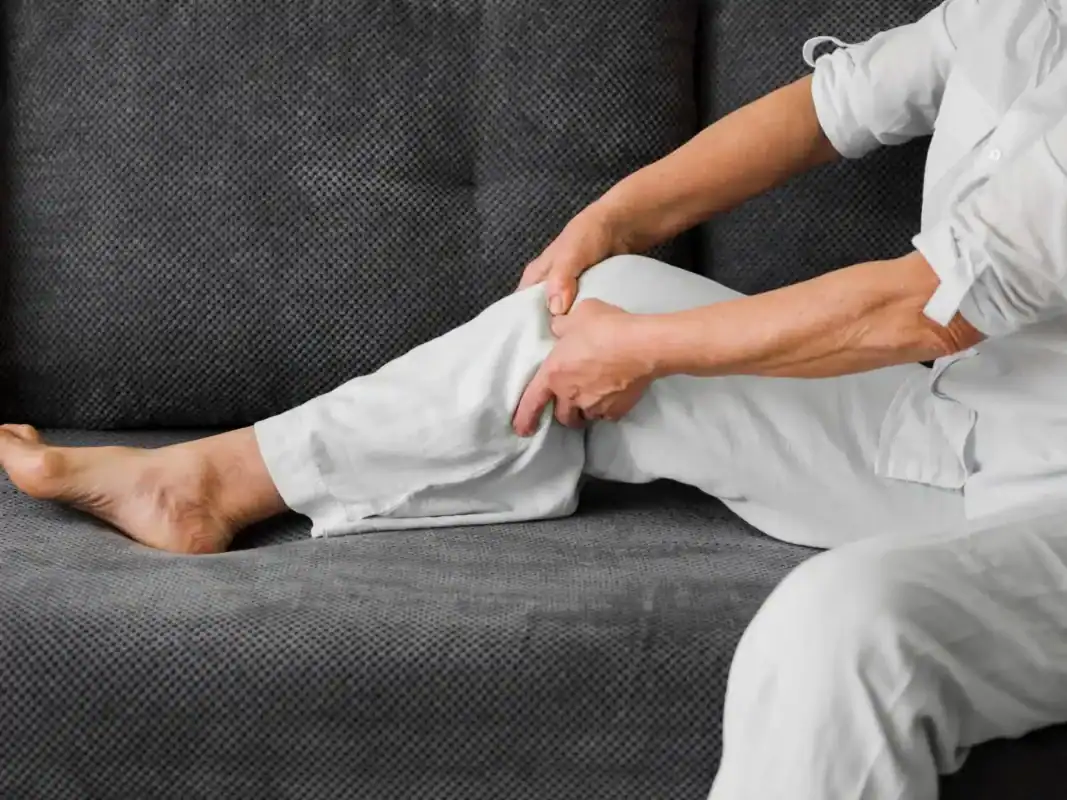
If you have ever spent hours lying in bed with an overwhelming urge to move your legs, a creeping or crawling sensation that only gets worse the moment you try to rest, you understand just how exhausting restless leg syndrome can be. RLS affects an estimated 10 to 15 percent of Canadians to some degree, with women and older adults experiencing it more frequently.
Conventional treatment options exist but do not work well for everyone, and many come with side effects that are difficult to tolerate long term. More Canadians are now asking whether CBD might offer some support for RLS symptoms, particularly around sleep.
This guide looks honestly at what the early science suggests, how cannabidiol interacts with the systems involved in RLS, and what to think about before trying it. This content is for educational purposes only and is not medical advice.
Canadian Cannabinoid Honesty Scorecard
| Claimed Benefit | Evidence Level | Source |
|---|---|---|
| CBD may reduce RLS symptom severity | Traditional/Observational Use | Megelin and Ghorayeb, 2017, Sleep Medicine |
| CBD may support sleep disrupted by RLS | Clinically Studied in Humans (small trials) | Shannon et al., 2019, The Permanente Journal |
| CBD interacts with dopamine pathways relevant to RLS | Studied in Animals or Lab | Amatriain-Fernandez et al., 2021, Frontiers in Pharmacology |
| CBD reduces the urge to move legs directly | Anecdotal | No controlled human RCT specific to RLS as of 2025 |
| CBD reduces anxiety that amplifies RLS at night | Studied in Animals or Lab | Blessing et al., 2015, Neurotherapeutics |
| CBD replaces dopamine based RLS medication | Anecdotal | Not supported by current clinical evidence |
Evidence levels: Clinically Studied in Humans / Studied in Animals or Lab / Traditional/Observational Use / Anecdotal
How Does CBD Interact With the Systems Behind Restless Leg Syndrome?
Restless leg syndrome is a neurological condition. At its core, most researchers believe RLS involves disrupted dopamine signalling in the brain and spinal cord. Dopamine is a neurotransmitter that plays a key role in controlling smooth, coordinated movement.
When dopamine signalling drops, particularly in the evening when dopamine levels naturally decline, the brain struggles to suppress the involuntary urge to move the legs. This is why RLS symptoms almost always worsen in the evening and at night and ease during the day.
Your endocannabinoid system interacts with dopamine signalling in several ways. CB1 receptors are found in the basal ganglia, the brain region most directly associated with movement control and dopamine regulation.
A 2021 review in Frontiers in Pharmacology by Amatriain-Fernandez and colleagues explored how cannabinoids influence dopaminergic pathways and noted that CBD in particular may support dopamine tone indirectly without the risk of dopamine receptor overstimulation that comes with some conventional RLS medications. This is early and largely mechanistic evidence, but it gives a biologically plausible reason for the interest in CBD as a potential RLS support tool.
The most directly relevant clinical reference for CBD and RLS comes from a small observational study published in Sleep Medicine in 2017 by Megelin and Ghorayeb. Six patients with treatment resistant RLS used cannabis to manage their symptoms, and all six reported complete relief of symptoms. The researchers acknowledged the severe limitations of this case series, including the tiny sample, no control group, and the use of full cannabis rather than isolated CBD.
It remains the most cited human reference in this area and it is still a very thin evidence base. Full spectrum CBD keeps the full plant profile including terpenes and trace THC within Canada’s legal limits, which may offer broader nervous system support through the entourage effect. Broad spectrum removes THC. Isolate is pure CBD alone.
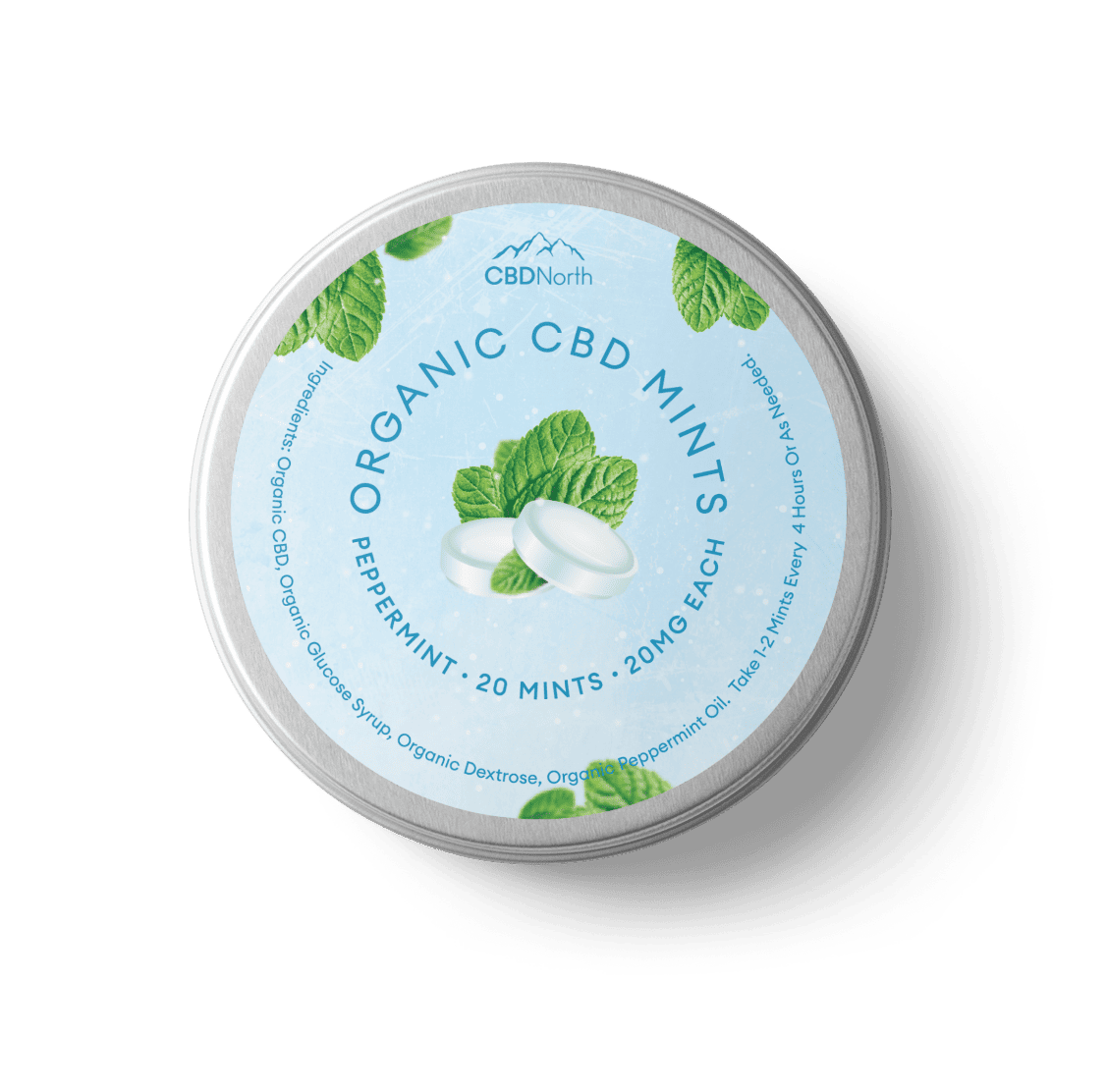
CBD Edibles Collection
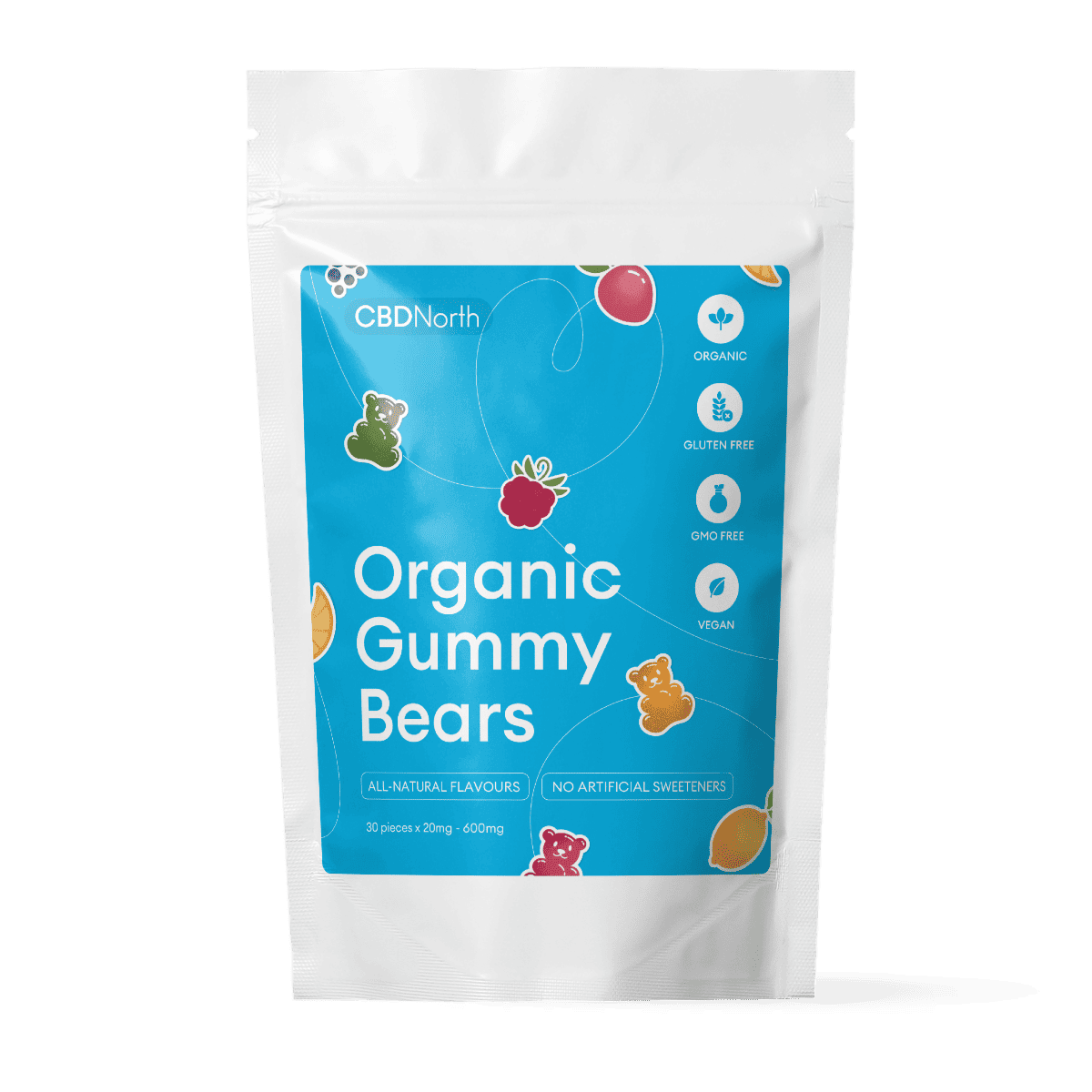
Price range: $17.99 through $32.99
What Are Canadians With RLS Actually Asking About CBD?
Most Canadians living with RLS are not asking whether CBD can cure the condition. They already know RLS is chronic and complex. What they want to understand is whether CBD might make the nights more manageable, reduce the anxiety that builds around bedtime because of RLS, and help them finally get meaningful rest.
Sleep disruption is the central concern. RLS makes falling asleep genuinely difficult and often causes multiple wakings throughout the night as symptoms cycle. A 2019 study in The Permanente Journal found that sleep scores improved in 66.7% of participants who used CBD, though this was a general anxiety and sleep trial rather than a study focused on RLS specifically. The overlap is relevant because sleep disruption is sleep disruption regardless of its trigger, and CBD’s interaction with the nervous system may support the settling process that RLS interrupts.
Anxiety and hyperarousal around bedtime are also consistently reported. Many people with RLS develop a kind of anticipatory dread about going to bed because they know what is waiting for them. This heightened state of nervous system activation makes symptoms feel worse. CBD’s early evidence on the 5-HT1A serotonin receptor and its role in anxiety reduction gives a biologically plausible reason why some users report feeling calmer as they approach sleep even when the leg sensations themselves have not fully resolved.
It is also worth noting that RLS shares some physiological territory with other conditions covered in this series. The dopamine and nervous system dimension connects to the stress hormone discussion in CBDNorth’s cortisol and CBD guide, and the sleep disruption component intersects with the gut brain axis content in the CBD for IBS guide, since disrupted sleep consistently worsens gut symptoms and vice versa.
Which CBD Format Makes the Most Sense for RLS Support?
Because RLS symptoms follow a predictable evening and nighttime pattern for most people, timing and format choice are particularly meaningful here.
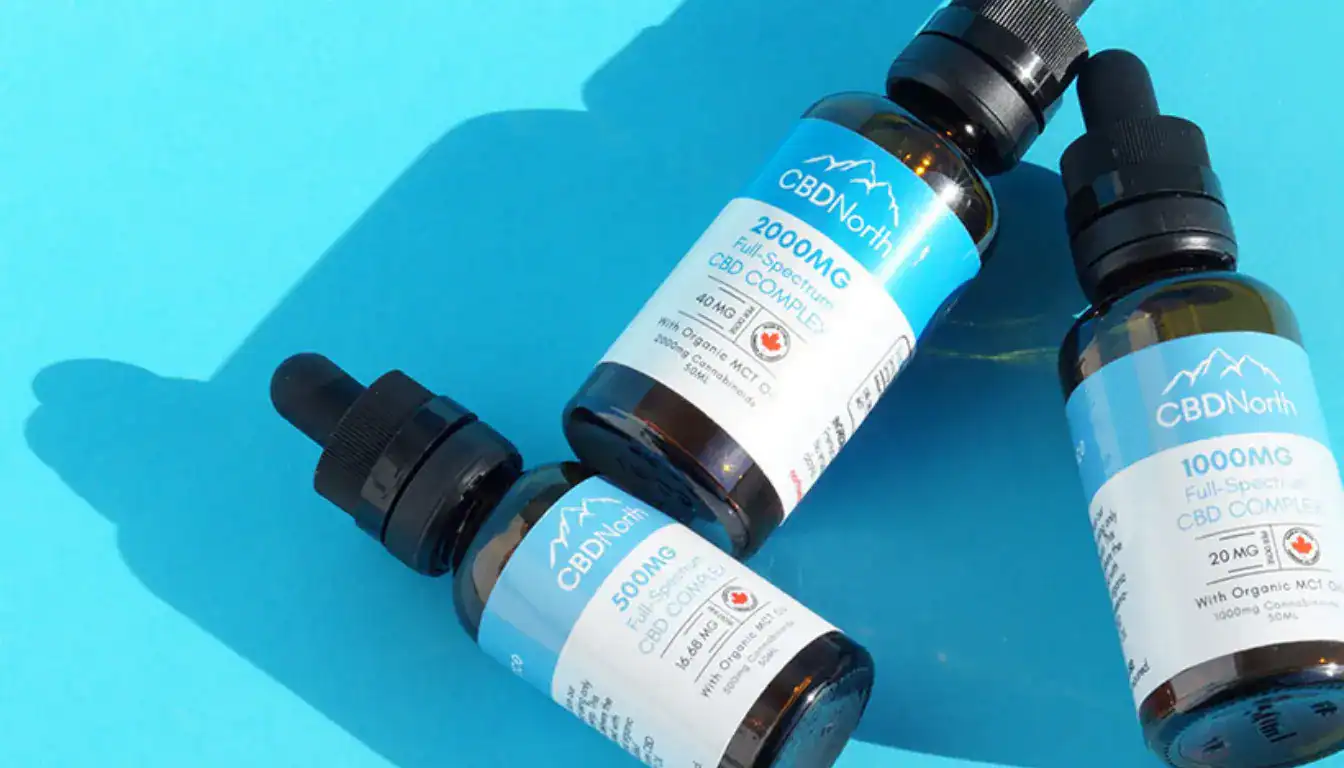
CBD oil taken under the tongue absorbs faster than other formats, typically beginning to take effect within 15 to 45 minutes for most users. Taking oil one hour before your usual bedtime allows it to reach peak effect as you are settling in for the night, which is precisely when RLS symptoms tend to peak. The ability to adjust your serving precisely is also useful for RLS because severity varies from night to night and having flexibility matters. Many users start with a modest amount and increase gradually over two to four week intervals until they find what feels right for their pattern.
CBD gummies take longer to work because they pass through the digestive system first, typically taking 45 minutes to two hours to reach full effect. For RLS this means taking a gummy two hours before bed rather than one hour. Some users prefer gummies because the slower and more gradual onset feels gentler to their nervous system as they wind down. The sustained effect of a gummy through the night may also suit RLS sufferers who tend to wake repeatedly rather than just struggling to fall asleep initially.
For guidance on where to begin, CBDNorth’s CBD Dosage Chart gives a practical Canadian framed starting point. Most adults begin with 10 to 25 mg per day and adjust gradually based on their response.
CBD Oil Collection
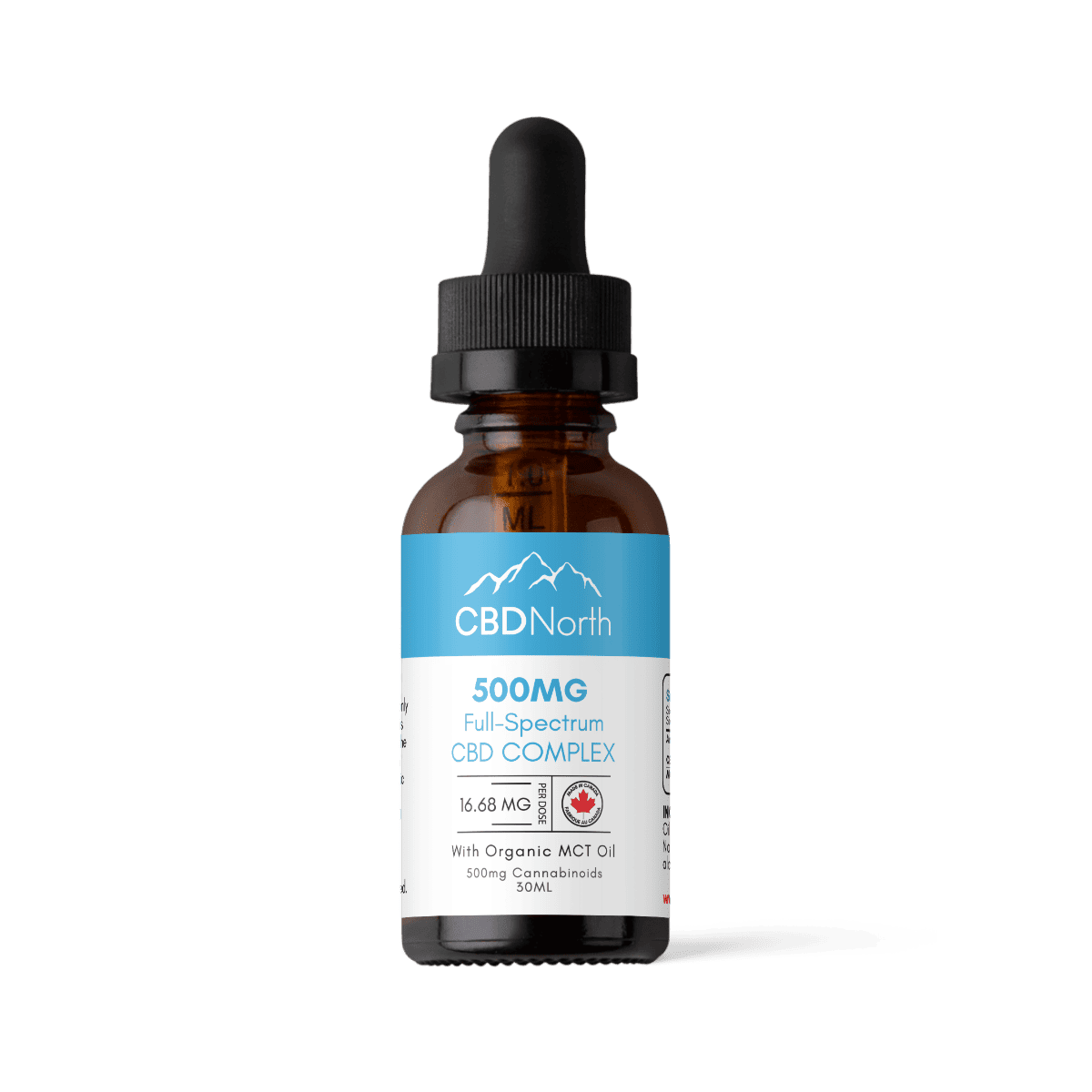
Price range: $45.49 through $160.99
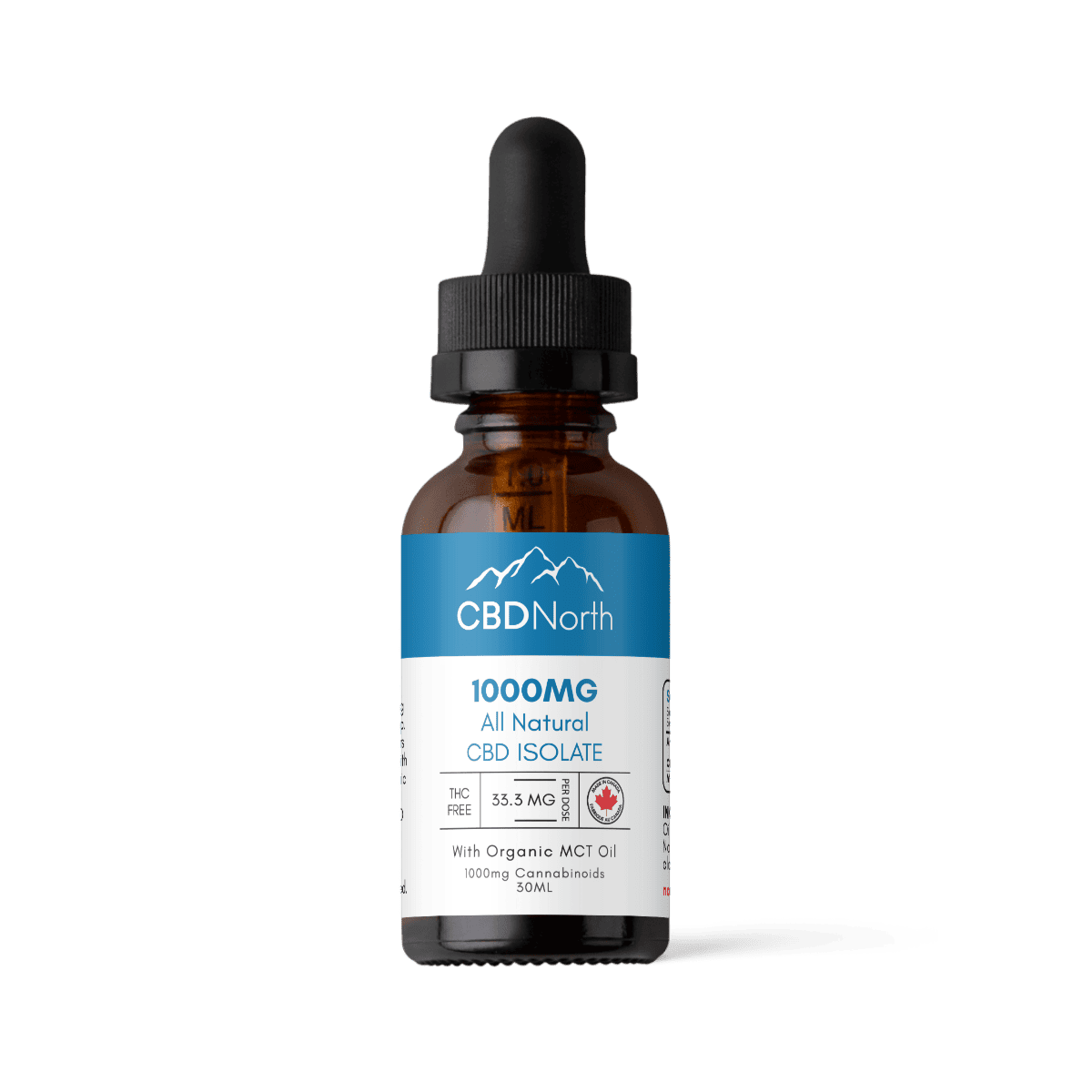
Price range: $45.49 through $146.99
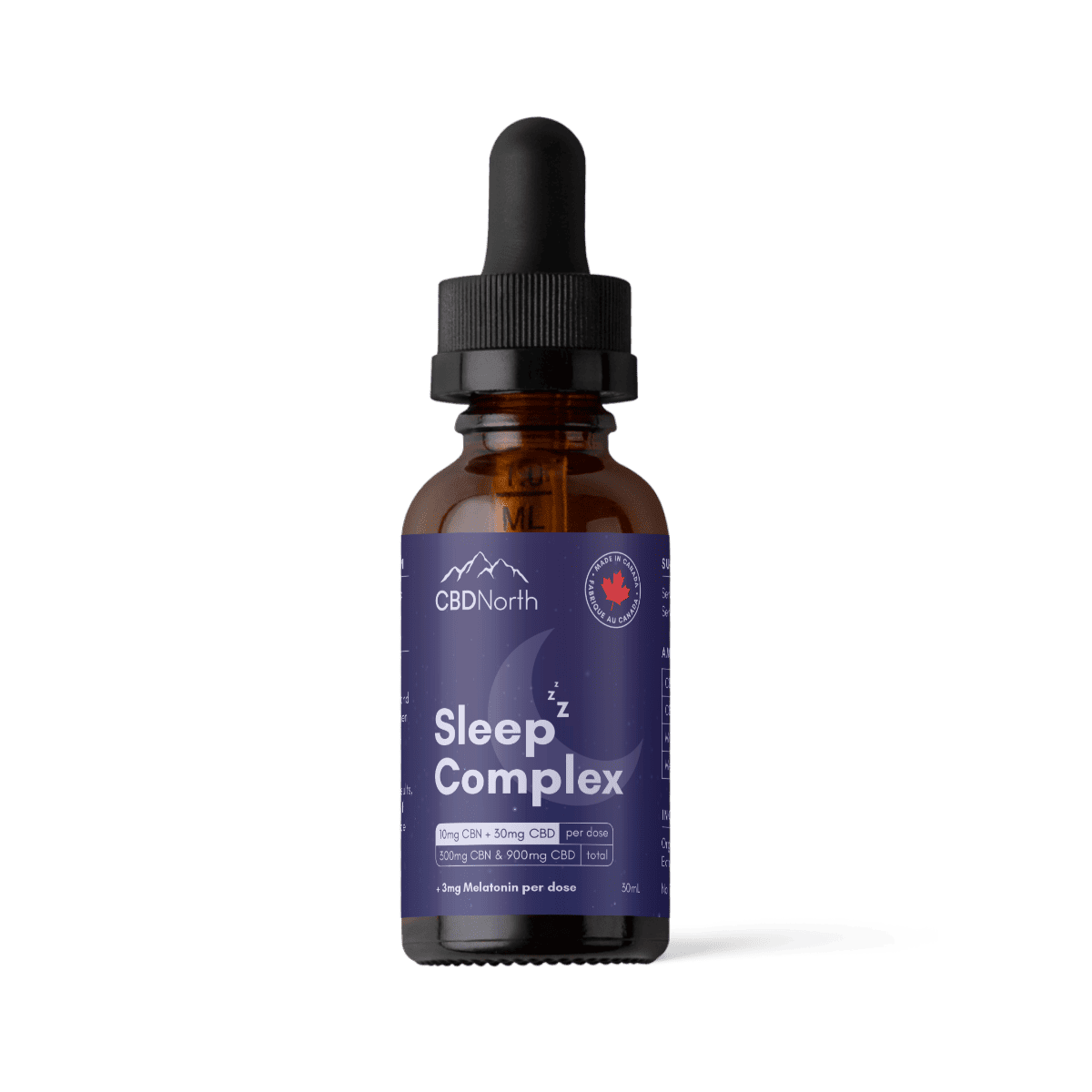
Price range: $80.49 through $139.99
Full Spectrum vs Broad Spectrum vs Isolate for RLS Support
| Type | What Is In It | THC Content in Canada | Entourage Effect | Best For |
|---|---|---|---|---|
| Full Spectrum | All cannabinoids, terpenes, and flavonoids | Up to 1% (Canada allows up to 1%, higher than the US 0.3% limit) | Yes, full plant synergy | Those wanting the broadest nervous system and dopamine pathway support |
| Broad Spectrum | Multiple cannabinoids and terpenes, THC removed | Undetectable | Partial synergy | THC sensitive users or those subject to workplace drug testing |
| Isolate | Pure CBD only | Zero | None | First time users who want the simplest possible starting point |
Canada allows up to 1% THC in cannabis products. Always check your product’s Certificate of Analysis to confirm actual cannabinoid levels before use.
Onset and Duration Timeline: CBD for RLS and Sleep Disruption
| Time Point | CBD Oil Sublingual | CBD Gummies |
|---|---|---|
| T+15 min | Some users notice early calming or nervous system settling | No noticeable effect typical |
| T+30 min | Onset beginning for many users | Digestion underway |
| T+1 hr | Peak calming effect for most; nervous system feels more settled | Effects beginning for most users |
| T+2 hrs | Effects sustained; many users find this is when they fall asleep | Full effects for most users |
| T+4 hrs | Gradual tapering for some; some users wake at this point | Many users report continued support through the night |
| T+6 to 8 hrs | Most effects have faded | Gradual fade; body weight affects duration |
RLS symptoms naturally fluctuate in severity from night to night. CBD effects may feel different depending on stress levels, how fatigued you are, and where you are in your personal sleep cycle. These timelines are general patterns and not guaranteed outcomes.
Who Should NOT Use CBD for Restless Leg Syndrome?
This section is mandatory and we never skip it.
Pregnancy and breastfeeding: Health Canada advises against using any cannabis product during pregnancy or while breastfeeding. This applies to CBD regardless of THC content or format. RLS is actually more common during pregnancy and should be managed under medical supervision only.
Children and youth: CBD products are intended for adults aged 18 and older. Age minimums vary by province from 18 to 21. These products are not appropriate for anyone under the legal age in their province.
People taking dopaminergic RLS medications: The most common prescription treatments for RLS work directly on dopamine receptors. These include pramipexole, ropinirole, and rotigotine. Because CBD may also influence dopamine pathways, combining CBD with these medications without medical supervision is not advisable. Speak with your neurologist or GP before adding CBD to a routine that includes dopamine based RLS treatment.
People taking medications through the CYP450 pathway: CBD affects the liver enzyme system that processes many medications including certain anticonvulsants, sleep medications, and antidepressants that are sometimes prescribed for RLS. This interaction is documented in peer reviewed research by Zendulka et al., 2016, Current Drug Metabolism. If you take any prescription medication for RLS or related symptoms, speak with your pharmacist before adding CBD.
People with iron deficiency related RLS: A significant proportion of RLS cases are linked to low iron levels, particularly low ferritin. CBD does not address iron deficiency and should not be considered a substitute for investigating and treating the underlying cause. If you have not had your iron and ferritin levels checked and you have RLS, that is a more important first step than any supplement.
Liver conditions: High dose CBD has shown liver enzyme changes in some clinical studies. If you have an existing liver condition, consult your doctor before use.
Scheduled surgery: Some healthcare practitioners recommend stopping CBD at least two weeks before any planned surgical procedure due to possible effects on blood clotting and anaesthesia.
What We Don’t Know Yet: Honest Research Gaps
- The only directly relevant human evidence for CBD and RLS as of 2025 is a six patient case series from 2017. Six patients is not a clinical trial. It is an observation. The entire evidence base for CBD as a specific RLS support tool in humans rests on this single small report.
- No study as of 2025 has examined whether CBD affects the dopamine signalling disruption that underlies RLS in humans specifically. The dopamine connection is biologically plausible based on animal and mechanistic research but has not been tested in an RLS specific human trial.
- RLS has several known subtypes and underlying causes including iron deficiency, kidney disease, peripheral neuropathy, and pregnancy related RLS. No research has examined whether CBD might affect these subtypes differently, which matters because the root causes vary so significantly.
- Health Canada’s Natural Health Product pathway for CBD remains under active consultation as of 2025. The regulatory framework for CBD products with health adjacent claims continues to evolve and is not yet settled.
- The long term safety of using CBD nightly for sleep disruption, which is the most likely real world use case for RLS sufferers, has not been studied beyond 12 months in any human trial as of 2025.
Province by Province Access Snapshot
| Province | Minimum Age | CBDNorth Ships Here | Notes |
|---|---|---|---|
| British Columbia | 19 | Yes | Cannabis Act governs; provincial retailers regulated separately |
| Alberta | 18 | Yes | Lowest provincial minimum age in Canada |
| Ontario | 19 | Yes | AGCO regulates provincial retail |
| Quebec | 21 | Yes | Highest provincial minimum age in Canada |
| Manitoba | 19 | Yes | Standard federal framework applies |
| Saskatchewan | 19 | Yes | Standard federal framework applies |
| Nova Scotia | 19 | Yes | Standard federal framework applies |
| New Brunswick | 19 | Yes | Standard federal framework applies |
| Prince Edward Island | 19 | Yes | Standard federal framework applies |
| Newfoundland | 20 | Yes | Slightly above federal minimum |
| Territories (YT, NT, NU) | 19 | Yes | Varies slightly by territory |
Last Verified: April 2026. Always confirm current rules at canada.ca/health-canada. Provincial rules can and do change.
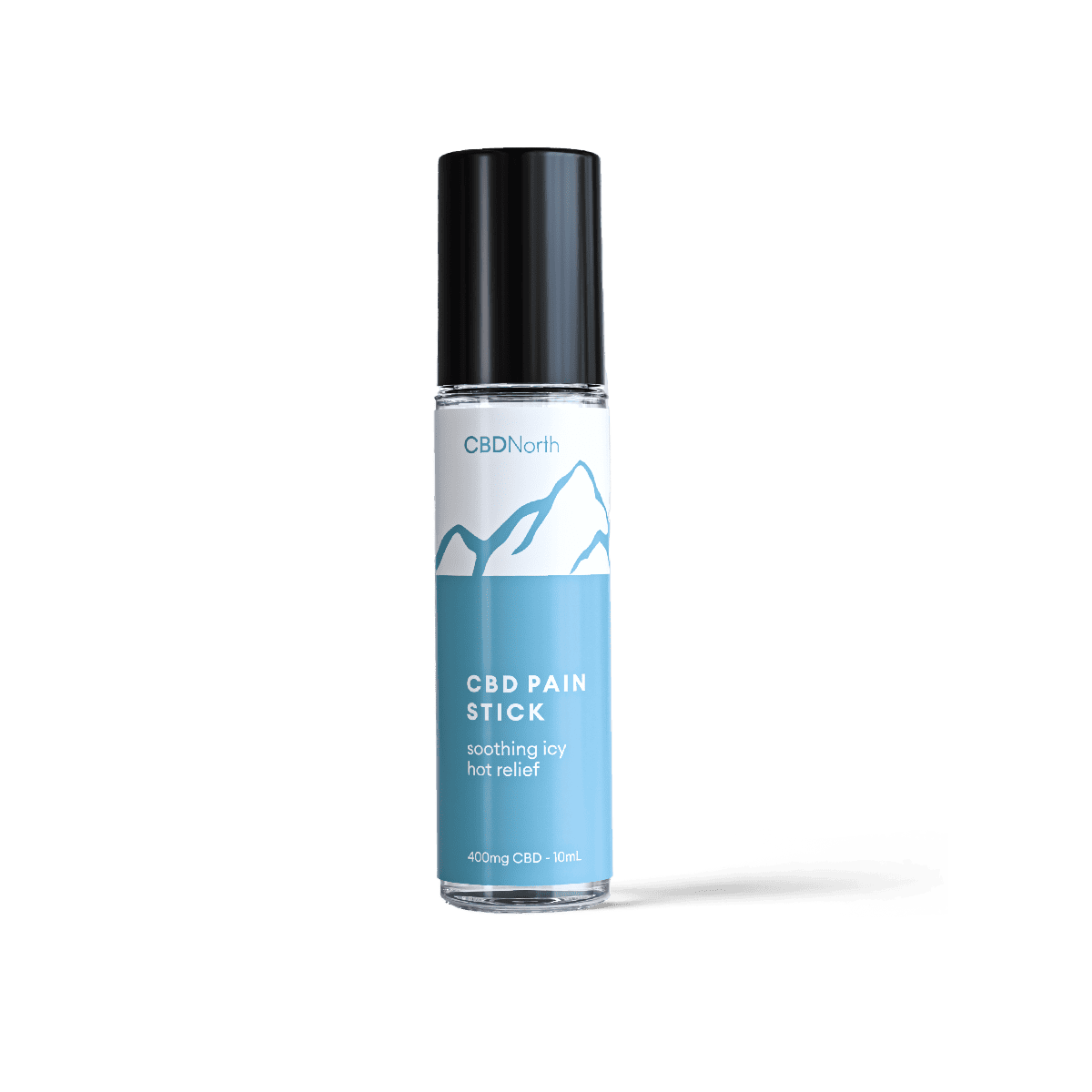
CBD Pain Relief Products
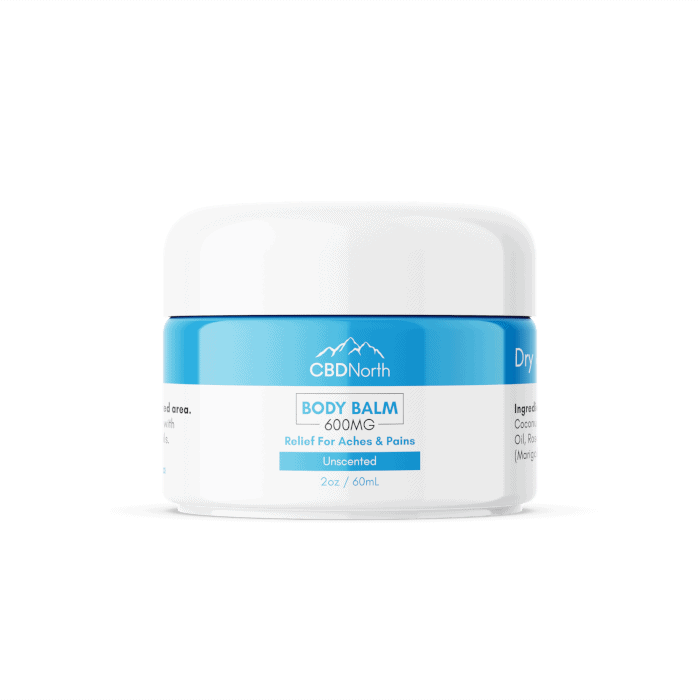
Price range: $41.99 through $73.49
Real Canadian User Experience Log
The following logs are shared with full user consent. Individual results vary. These are personal experience reports and not medical outcomes.
| Week | Serving | Timing | Reported Effect | Notes |
|---|---|---|---|---|
| Week 1 | 0.5 mL CBD oil (15 mg) sublingual | 1 hour before bed | Felt slightly calmer approaching bedtime; leg sensations still present but less distressing | No other sleep routine changes; still using prescribed iron supplement |
| Week 2 | 0.5 mL CBD oil (15 mg) sublingual | 1 hour before bed | Fell asleep faster on most nights; one bad night mid week with stronger symptoms | Noted higher stress at work that week as a possible variable |
| Week 1 | 1 CBD gummy (25 mg) | 2 hours before bed | No strong effect in first week; continued to track | Primary concern was waking multiple times per night due to leg discomfort |
| Week 3 | 1 CBD gummy (25 mg) | 2 hours before bed | Reported fewer wake ups through the night; described mornings as feeling more rested overall | GP aware of CBD use; iron levels being monitored separately |
| Week 4 | 0.75 mL CBD oil sublingual | 1 hour before bed | Preferred oil for its faster onset as symptoms peaked quickly at bedtime | Personal format preference settled after four weeks of tracking |
D.M., Ontario; L.K., British Columbia; N.R., Alberta. Experience logs reflect personal responses and are not predictive of your results. These are not medical outcomes.
CBDNorth Lab Note
For anyone using CBD nightly as part of a sleep routine disrupted by RLS, consistency and product quality matter more than they might for occasional use. Every CBDNorth product is tested batch by batch at an ISO certified Canadian laboratory, with full panel results covering cannabinoid levels, pesticides, heavy metals, and residual solvents all available openly on our lab reports page.
Our hemp is USDA organic certified and extracted using supercritical CO2, so what you are taking every night before bed is clean and consistent. If the cost of maintaining a nightly CBD routine is a barrier for you, our Assistance Program is available for Canadians who qualify.
Before adding any new wellness product to your routine, especially if you manage RLS with prescription dopamine based medications or take other regular medications, please speak with a qualified healthcare practitioner.
Frequently Asked Questions
Q: Can CBD help with restless leg syndrome in Canada?
The evidence is very limited. The most directly relevant human reference is a 2017 case series in Sleep Medicine involving six patients with treatment resistant RLS who reported symptom relief with cannabis use. No controlled human RCT specific to CBD and RLS exists as of 2025. Some Canadians report that CBD helps them feel calmer at bedtime and sleep more consistently despite RLS symptoms, but this is observational evidence. CBD cannot legally be claimed to treat RLS under Canada’s Cannabis Act.
Q: Why does restless leg syndrome get worse at night and can CBD help with that?
RLS worsens at night primarily because dopamine levels naturally decline in the evening, reducing the brain’s ability to suppress the involuntary urge to move. CBD may interact with dopamine related pathways in the nervous system and may also reduce the anxiety and hyperarousal that builds around bedtime for many RLS sufferers. These are plausible mechanisms rather than confirmed effects, but they give a reasonable biological basis for the interest in CBD as an evening support tool for RLS.
Q: Is it safe to take CBD alongside my RLS medication?
This depends entirely on which medication you take. Dopaminergic medications like pramipexole and ropinirole work directly on the same pathways CBD may influence. CBD also affects the CYP450 liver enzyme system that processes many other commonly prescribed medications. If you take any prescription treatment for RLS, speak with your GP or neurologist before adding CBD. Do not adjust or stop your medication without medical guidance.
Q: How long before bed should I take CBD for restless leg syndrome?
For CBD oil taken under the tongue, most users with RLS take it about one hour before bed to allow it to reach peak effect as they settle in for the night. For gummies, allow two hours due to the longer digestion time. RLS symptoms tend to peak in the evening so timing your CBD use to coincide with that window makes the most practical sense for most people.
Q: What is the right CBD amount for restless leg syndrome?
There is no established dose for RLS specifically. Most Canadian adults begin with 10 to 25 mg per day and adjust gradually over two to four week intervals. CBDNorth’s CBD Dosage Chart gives a practical Canadian framed starting framework. Because RLS severity varies from night to night, keeping a simple sleep and symptom log during your trial period helps you understand whether CBD is making a meaningful difference.
Q: Are there other conditions connected to RLS that CBD might also support?
RLS often coexists with sleep disruption, chronic stress, and sometimes skin conditions linked to poor sleep and elevated cortisol. The nervous system connections that make CBD relevant to RLS also make it relevant to other conditions in this space. For example, chronic stress and elevated cortisol can worsen neurological sensitivity, which is covered in CBDNorth’s cortisol and stress hormone guide. Similarly, people who find that RLS disrupted sleep also aggravates their skin may find the discussion in the CBD for eczema guide useful reading alongside this one.
Before starting any new wellness supplement, please speak with a qualified healthcare practitioner, especially if you manage RLS alongside other health conditions or take prescription medications.
These statements have not been evaluated by Health Canada. CBDNorth products are not intended to diagnose, treat, cure, or prevent any disease or medical condition. This content is for educational purposes only and does not constitute medical advice. Please consult a qualified healthcare practitioner before use. Must be 18 and older to purchase; age requirements vary by province.