
Seasonal allergies make life harder for millions of Canadians every spring, summer, and fall. Itchy eyes, blocked sinuses, sneezing fits, scratchy throats, and that constant low grade tiredness that comes from your immune system being on high alert for weeks at a time.
Conventional antihistamines work for many people but come with side effects like drowsiness or dry mouth that make them difficult to take daily. More Canadians are now asking whether CBD might offer some additional support during allergy season.
This guide looks honestly at what early research suggests, how cannabidiol interacts with the systems involved in allergic reactions, and what to consider before trying it. This content is for educational purposes only and is not medical advice.
Canadian Cannabinoid Honesty Scorecard
Evidence at a Glance
CBD may reduce mast cell activation and histamine release (Vuolo et al., 2019, Mediators of Inflammation)
CBD may calm airway inflammation in allergic models (Vuolo et al., 2015, European Journal of Pharmacology)
CBD interacts with immune modulation pathways (Nichols and Kaplan, 2020, Cannabis and Cannabinoid Research)
CBD as general wellness support during high stress allergy seasons
CBD replaces antihistamines for allergy management (not supported by clinical evidence)
CBD prevents allergic reactions (not supported by human evidence as of 2025)
How Does an Allergic Reaction Actually Work in Your Body?
Before getting to CBD, it helps to understand what is actually happening when seasonal allergies flare. Your immune system is designed to recognise and respond to foreign substances. With seasonal allergies, your immune system mistakes harmless particles like pollen, ragweed, or grass spores as a threat. It then mounts an overreaction.
At the centre of this overreaction are cells called mast cells, which are loaded with histamine. When your immune system identifies an allergen, mast cells release histamine into the surrounding tissue. Histamine is the chemical responsible for nearly every classic allergy symptom you know.
It dilates blood vessels in the nasal passages, which is why you get congestion. It increases mucus production, which is why your nose runs. It triggers sensory nerves, which is why your eyes itch and your throat feels scratchy. Antihistamine medications work by blocking histamine receptors so the chemical cannot trigger these effects.
This is where CBD’s research gets interesting. CBD does not work like an antihistamine. It does not block histamine receptors. Instead, early research suggests it may work earlier in the chain, by influencing how readily mast cells release histamine in the first place.
A 2019 review in Mediators of Inflammation by Vuolo and colleagues examined CBD’s effects on mast cell activity in allergic airway models and found that it appeared to dampen mast cell degranulation, which is the technical term for the process of releasing histamine and other inflammatory compounds. This is mechanistically promising but it is animal research, not human clinical data.
What Does the Research Actually Say About CBD and Allergies?
The honest answer is that the research is interesting but very early. There is no large scale human clinical trial as of 2025 that has tested CBD specifically for seasonal allergies, hay fever, or allergic rhinitis. Everything we have comes from three indirect lines of evidence.
The first is animal research on CBD and mast cells, which suggests CBD may reduce the release of histamine and other inflammatory mediators during allergic reactions. A 2015 study in the European Journal of Pharmacology by Vuolo and colleagues found that CBD reduced airway inflammation and hyperresponsiveness in mice exposed to allergens. This is encouraging mechanistic data but mice are not people and asthma model studies are not the same as everyday seasonal allergy.
The second is broader research on CBD and immune modulation. A 2020 review in Cannabis and Cannabinoid Research by Nichols and Kaplan described CB2 receptor activity as a natural regulatory check on overactive immune responses.
Allergies are, by definition, overactive immune responses. The biological logic for why CBD might help is sound, but logic is not the same as proven clinical effect. For readers wanting to understand the broader immune system picture, our guide on how CBD interacts with the immune system covers the full mechanism in more detail.
The third line of evidence is observational. Some Canadians report feeling less reactive during allergy season when using CBD consistently, particularly in combination with their usual antihistamine or saline rinse routine. These reports are valuable but they are not controlled trials.
Allergy seasons vary in intensity year to year, stress levels affect symptom severity, and the placebo effect is significant in subjective symptom reporting. None of these reports should be mistaken for evidence that CBD treats allergies. Under Canada’s Cannabis Act, no such claim can be made.
Where Might CBD Realistically Fit Into an Allergy Routine?
Three Areas Where CBD May Indirectly Help
Stress Reduction
Allergy season is exhausting. Chronic stress worsens immune reactivity. CBD’s early evidence on stress support is relevant here.
Sleep Quality
Congestion and post nasal drip disrupt sleep. CBD may support more settled sleep, which in turn supports immune balance.
Immune Modulation
CBD’s interaction with CB2 receptors on immune cells may help reduce overall reactivity through immune balance support.
The most realistic way to think about CBD and seasonal allergies is not as a replacement for antihistamines or other conventional treatments. It is as a complementary support tool that may help with the broader picture of how allergy season affects your wellness. Allergy season puts genuine strain on the body. Sleep gets disrupted. Stress levels rise. Energy drops. Your overall sense of being well takes a hit that can last for months.
CBD’s documented effects on stress, sleep, and immune modulation make it a reasonable addition to a broader wellness routine during allergy season. Whether that translates into noticeably fewer symptoms is genuinely individual. Some users report a meaningful reduction in low grade allergy related fatigue and reactivity. Others notice no difference. Both outcomes are possible and neither is surprising given the lack of clinical trial data.
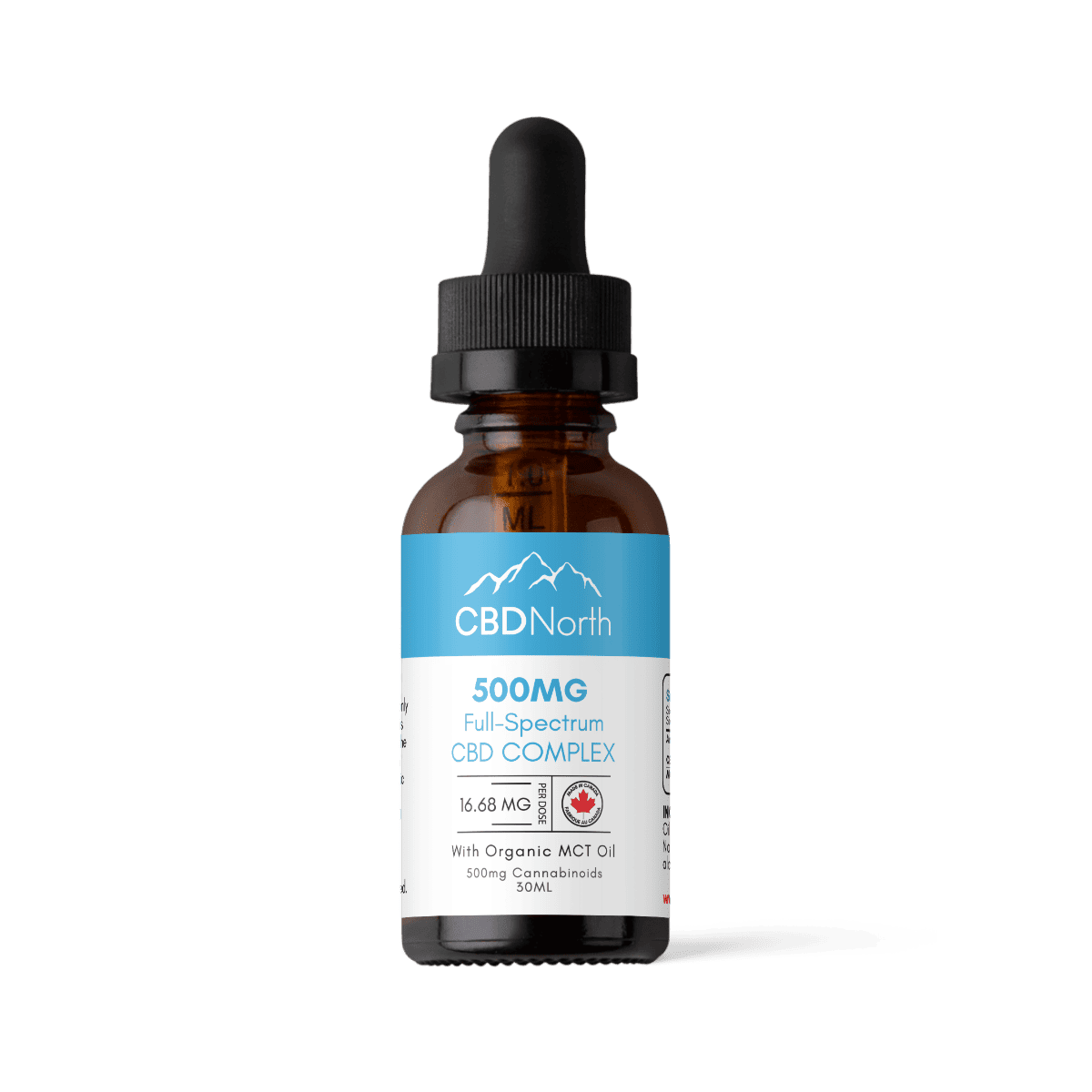
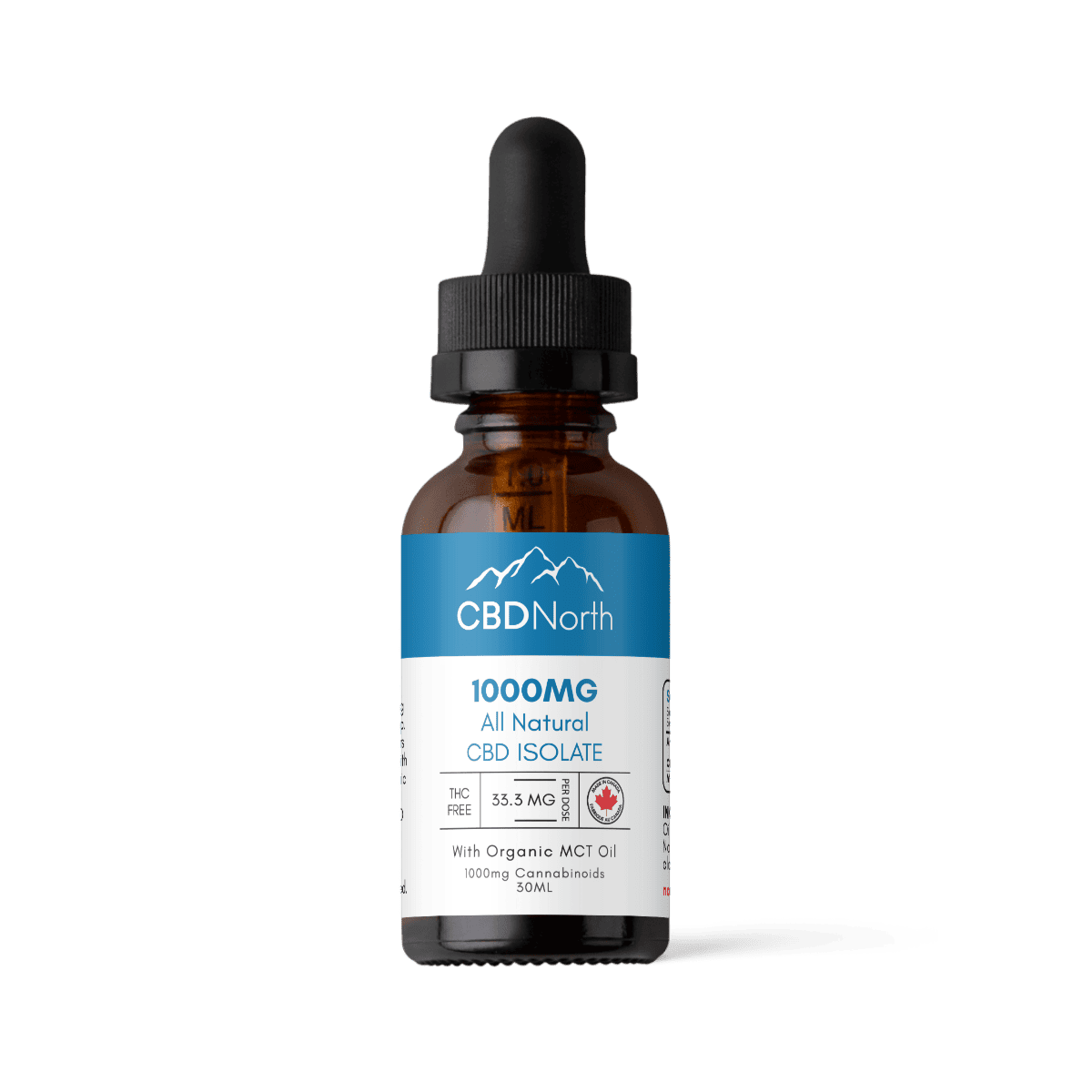
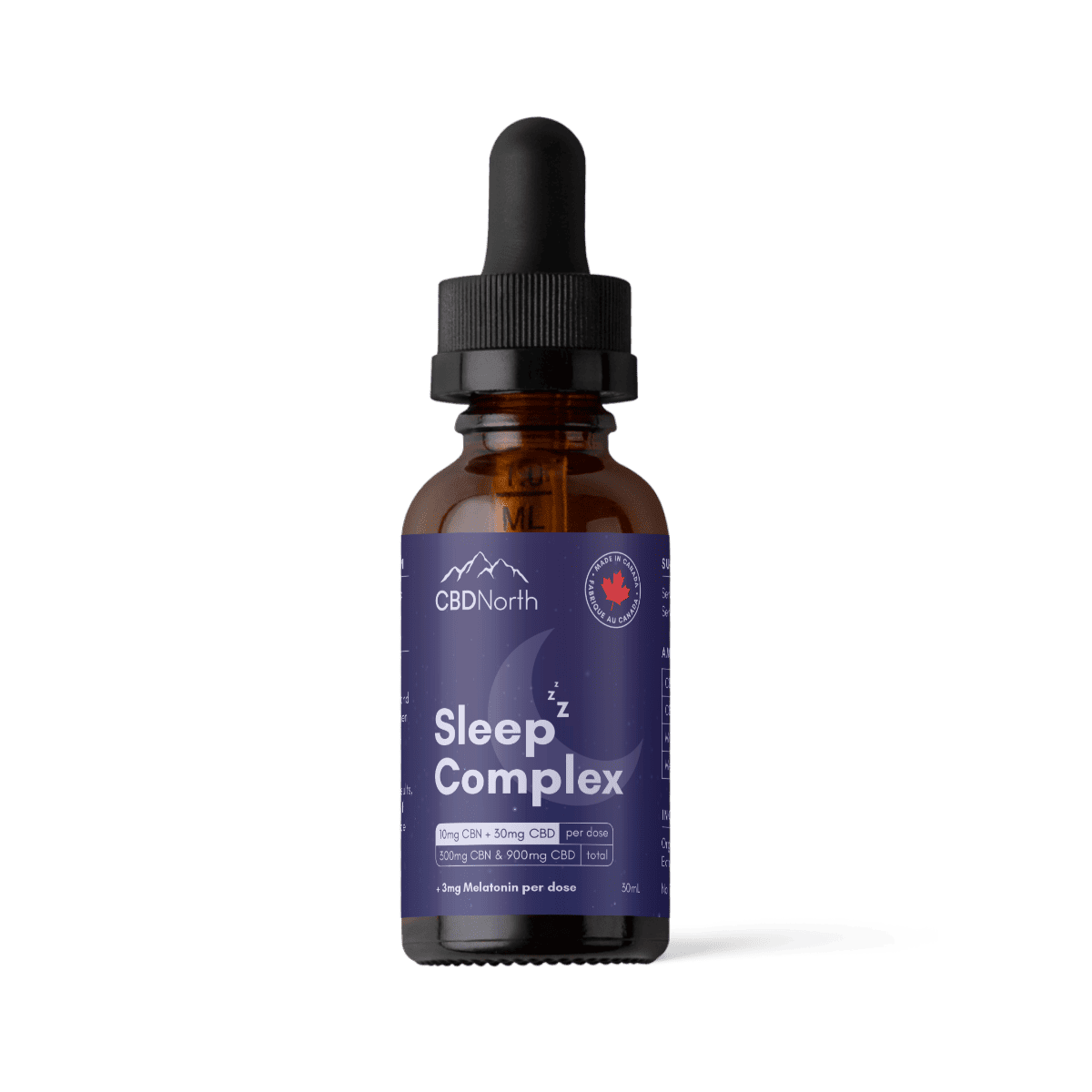
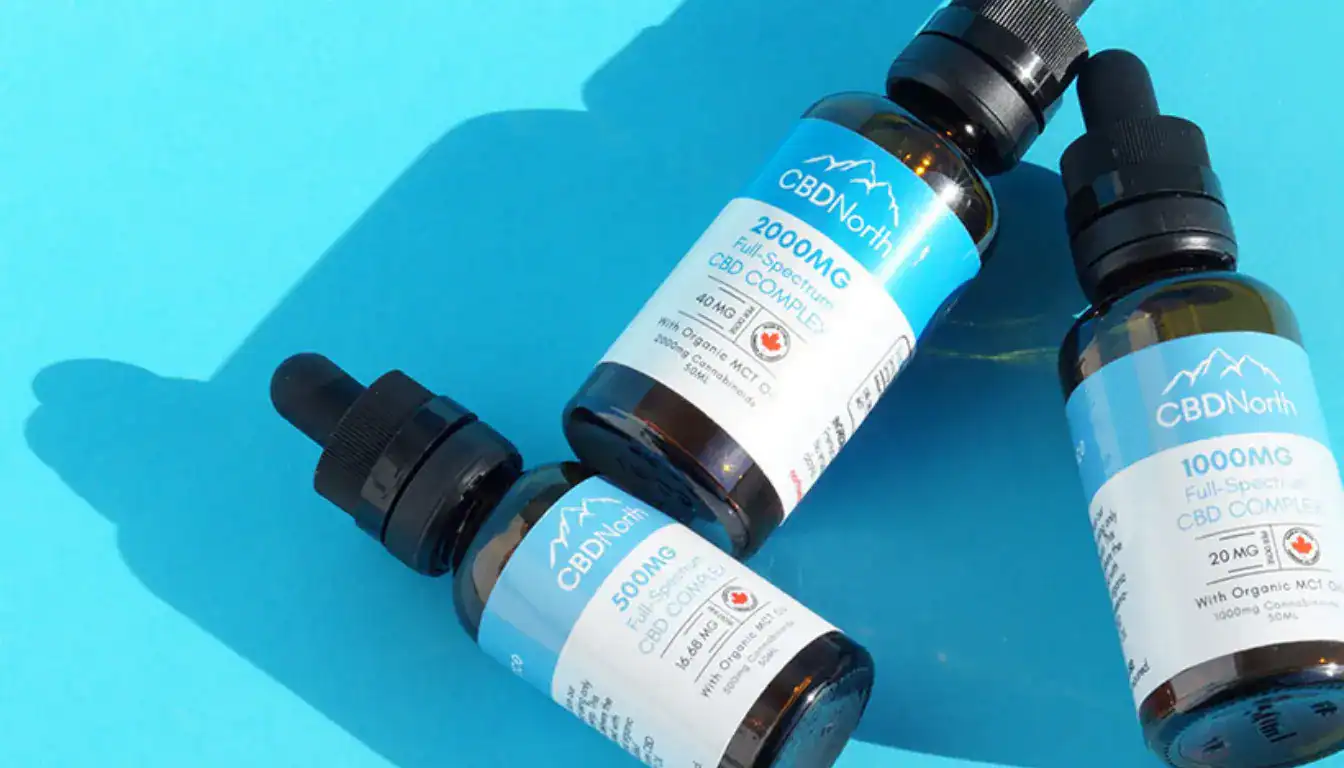
CBD Oil Collection
Which CBD Format Makes the Most Sense During Allergy Season?
Format choice during allergy season is mostly about what fits into your routine consistently. Because allergy support is rarely about acute symptom relief and more about steady daily support, both oil and edibles work.
CBD oil taken under the tongue absorbs faster than other formats, typically within 15 to 45 minutes for most users. Many people find a small morning serving sustainable as part of an allergy season routine alongside their usual antihistamine, saline rinse, and air filter. Oil also gives you the flexibility to adjust serving size as you learn how your body responds. For comparing oil to edibles in more depth, our CBD oil vs gummies comparison covers the practical differences.
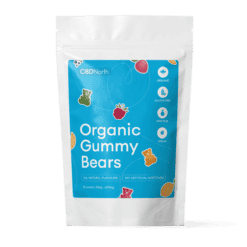
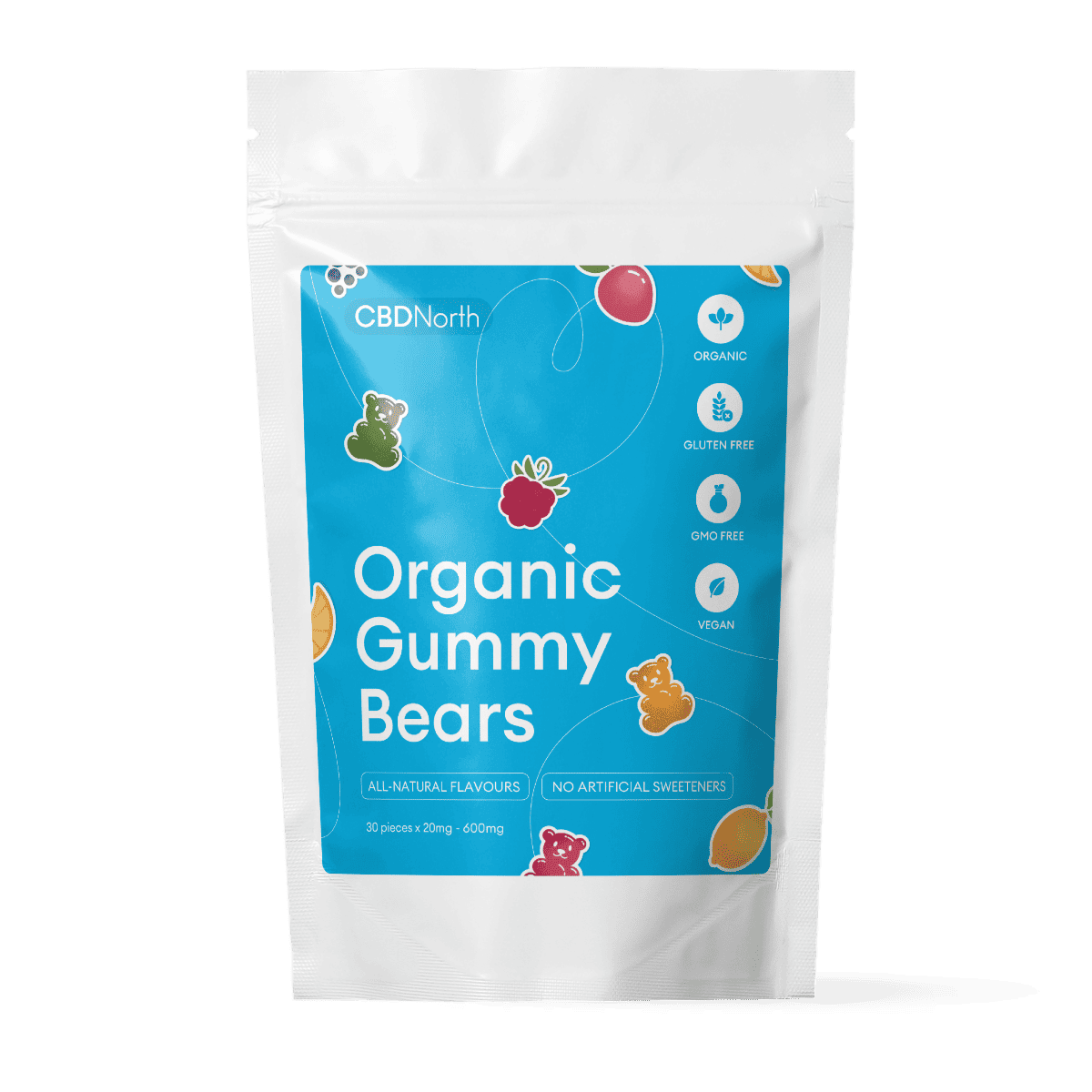
CBD gummies and edibles absorb more slowly through the digestive tract, typically taking 45 minutes to two hours to reach full effect. For allergy season the slower onset is generally fine because you are not chasing rapid relief. Gummies suit people who want consistent daily background support without thinking about timing. For Canadians transitioning from THC products or who simply want to understand how CBD edibles differ from THC edibles, our CBD gummies vs THC gummies guide covers the differences clearly.
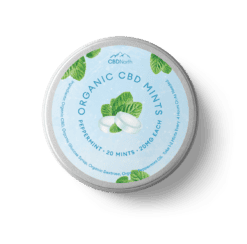
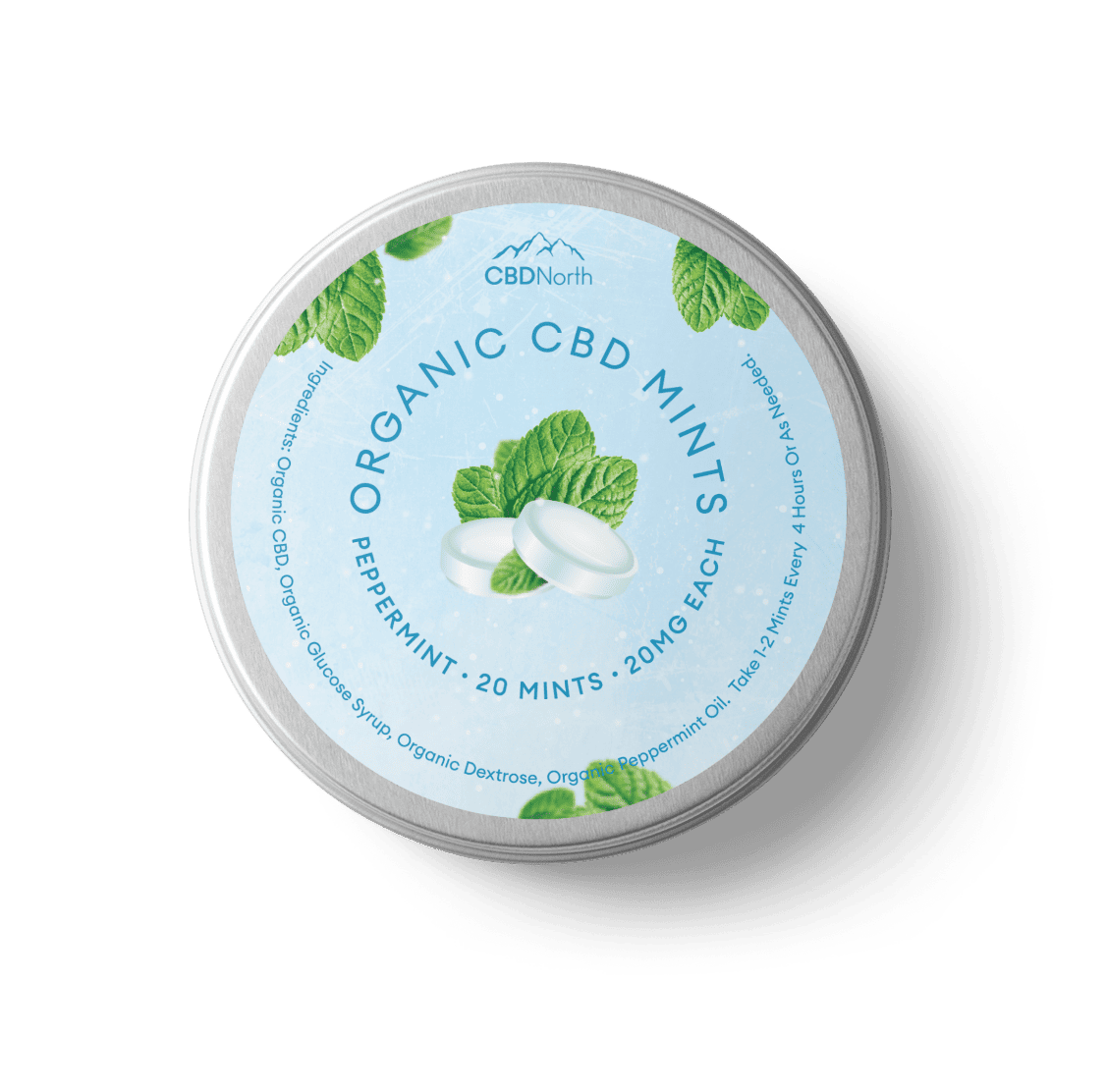
CBD Edibles Collection
Spectrum Choice for Allergy Season Support
Choosing Your Spectrum
Full Spectrum
Contains: All cannabinoids, terpenes, flavonoids
THC: Up to 1% (Canadian limit)
Entourage Effect: Full plant synergy
Best for: Broadest immune and stress support
Broad Spectrum
Contains: Multiple cannabinoids and terpenes
THC: Undetectable
Entourage Effect: Partial synergy
Best for: THC sensitive users
Isolate
Contains: Pure CBD only
THC: Zero
Entourage Effect: None
Best for: Those with terpene sensitivities
Important note: People with severe pollen or hemp related allergies should consider isolate or speak with a doctor before any spectrum.
One consideration specific to allergy sufferers is worth highlighting. Hemp is a plant. Full spectrum and broad spectrum CBD products contain plant terpenes, flavonoids, and other compounds that, in extremely rare cases, can trigger allergic responses in people with hemp or cannabis sensitivities. If you have a confirmed history of plant or pollen allergies that are particularly severe, starting with an isolate product or doing a small patch test is the cautious approach.
Onset and Duration Timeline: CBD for Allergy Season Support
Daily CBD Timeline
Oil: Early settling for some
Gummies: No effect typical
Oil: Onset for many
Gummies: Digestion underway
Oil: Peak effect for most
Gummies: Effects beginning
Oil: Effects sustained
Gummies: Full effects
Oil: Gradual tapering
Gummies: Continued support
Oil: Mostly faded
Gummies: Gradual fade
CBD for allergy support is a daily consistency play. Effects on overall immune balance build over weeks, not within hours.
Who Should NOT Use CBD for Allergies?
This section is mandatory and we never skip it.
Pregnancy and breastfeeding: Health Canada advises against using any cannabis product during pregnancy or while breastfeeding. This applies to CBD regardless of THC content or format. Allergy management during pregnancy should be guided by your doctor.
Children and youth: CBD products are intended for adults aged 18 and older. Age minimums vary by province from 18 to 21. These products are not appropriate for anyone under the legal age in their province.
People with confirmed cannabis or hemp allergies: This is a particularly important caution for an allergy focused article. If you have ever had an allergic reaction to cannabis, hemp, or plants in the Cannabaceae family, do not use CBD products. Allergic reactions to hemp can range from mild skin irritation to severe respiratory responses.
People taking antihistamines through the CYP450 pathway: CBD affects the liver enzyme system that processes many common medications, including some second generation antihistamines. This interaction is documented in peer reviewed research by Zendulka et al., 2016, Current Drug Metabolism. The effect is usually small but if you take prescription strength antihistamines, speak with your pharmacist before adding CBD.
People taking nasal corticosteroid sprays: While topical nasal sprays are largely absorbed locally, oral corticosteroids prescribed for severe seasonal allergies do pass through the same liver pathway as CBD. If you take any oral corticosteroid, speak with your doctor before adding CBD.
People with severe asthma or anaphylaxis history: Severe allergic conditions require careful medical management. CBD is not a substitute for prescribed asthma medications or epinephrine, and should not be relied on as a primary management tool for severe allergic disease. Speak with your allergist or specialist.
Liver conditions: High dose CBD has shown liver enzyme changes in some clinical studies. If you have an existing liver condition, consult your doctor before use.
Scheduled surgery: Some healthcare practitioners recommend stopping CBD at least two weeks before any planned surgical procedure due to possible effects on blood clotting and anaesthesia.
What We Don’t Know Yet: Honest Research Gaps
Research Honesty Box
- No large scale human clinical trial as of 2025 has tested CBD specifically for seasonal allergies, hay fever, or allergic rhinitis. Everything we have is animal research, mechanistic theory, and observational user reports.
- It is not known whether CBD affects pollen allergies differently from dust mite allergies, food allergies, or pet dander allergies. These have related but distinct immune mechanisms.
- The interaction between CBD and conventional antihistamines has not been studied in dedicated trials. The general CYP450 interaction is documented but the practical clinical impact during everyday combined use is unclear.
- Whether hemp itself can trigger allergic responses in pollen sensitive individuals is not well studied. Cross reactivity between hemp and other plant allergens is theoretically possible but rare in published reports.
- Health Canada’s Natural Health Product pathway for CBD remains under active consultation as of 2025. The regulatory framework continues to evolve.
Province by Province Access Snapshot
Canadian Access Overview
Age 19 • Ships Yes
Age 18 • Ships Yes
Age 19 • Ships Yes
Age 21 • Ships Yes
Age 19 • Ships Yes
Age 19 • Ships Yes
Age 19 • Ships Yes
Age 19 • Ships Yes
Age 19 • Ships Yes
Age 20 • Ships Yes
Age 19 • Ships Yes
Last Verified: May 2026. Always confirm current rules at canada.ca/health-canada.
Real Canadian User Experience Log
The following logs are shared with full user consent. Individual results vary. These are personal experience reports and not medical outcomes.
Started 0.5 mL CBD oil (15 mg) sublingual each morning during ragweed season. Continued usual antihistamine. Slept slightly better through congested nights; mornings felt less heavy.
Continued daily oil through peak ragweed period. Subjectively felt less reactive overall and less drained by symptoms by end of day. Could not attribute changes to CBD alone, but routine felt manageable.
Started 1 CBD gummy (25 mg) each evening during tree pollen season. No immediate change in daytime symptoms noticed. Sleep felt slightly more restorative on heavy pollen days.
Continued evening gummy use through full pollen season. Felt more resilient overall through usually difficult period. Maintained usual antihistamine and saline rinse routine alongside CBD.
Used 0.75 mL CBD oil morning plus 1 gummy evening during grass pollen season. Worked with naturopath who reviewed full routine. No conflicts with antihistamine; reported less overall fatigue compared to previous allergy seasons.
CBDNorth Lab Note
For Canadians considering CBD during allergy season, product purity is genuinely important. Pesticide residues, heavy metals, or contaminants in a low quality CBD product can add to an already overworked immune system rather than support it.
Every CBDNorth product is tested batch by batch at an ISO certified Canadian laboratory, with full panel results covering cannabinoid levels, pesticides, heavy metals, and residual solvents all available openly on our lab reports page.
Our hemp is USDA organic certified and extracted using supercritical CO2, with no harsh solvent residues. If the cost of building a daily allergy season wellness routine is a barrier for you, our Assistance Program is available for Canadians who qualify.
Before adding any new wellness product to your routine, especially if you take prescription antihistamines, corticosteroids, or manage severe allergic disease, please speak with a qualified healthcare practitioner.
CBD Pain Relief Products
Frequently Asked Questions
Q: Does CBD help with seasonal allergies in Canada?
Early animal research suggests CBD may influence mast cell activity and histamine release in ways that could be relevant to allergic reactions. However, no large scale human clinical trial as of 2025 has tested CBD specifically for seasonal allergies. Some Canadians report less fatigue and reactivity during allergy season with consistent use, but this is observational. CBD cannot legally be claimed to treat allergies under Canada’s Cannabis Act.
Q: Can I take CBD with my antihistamine?
CBD affects the CYP450 liver enzyme pathway, which processes some antihistamines. The interaction is usually small with over the counter antihistamines but the picture is less clear with prescription strength versions. If you take any prescription antihistamine, speak with your pharmacist before adding CBD. For over the counter antihistamines, the general advice is to start with a low CBD dose and observe how you respond.
Q: Can CBD itself cause an allergic reaction?
Allergic reactions to CBD itself are very rare but reactions to hemp, the plant CBD is derived from, can occur. People with confirmed cannabis or hemp allergies should not use CBD products. Full spectrum products contain more plant compounds than isolate, so if you have a history of plant allergies, an isolate based product is the cautious choice. Do a small patch test if applying topically, and start with a very small ingestible amount the first time.
Q: How long does CBD take to help with allergy symptoms?
CBD for allergy support is a daily consistency play, not a fast acting symptom reliever like an antihistamine. Most users take CBD consistently for two to four weeks before getting a clear picture of how it affects their allergy season experience. Allergy symptoms fluctuate based on pollen counts, weather, sleep, and stress, so short trial periods make it hard to attribute changes to CBD specifically.
Q: What dose of CBD should I take for seasonal allergies?
There is no established dose for allergies specifically. Most Canadian adults start with 10 to 25 mg per day and adjust gradually over two to four week intervals. The goal during allergy season is consistency rather than high doses. Starting at the lower end is particularly important because your immune system is already in an activated state.
Q: Should I use CBD oil or gummies for allergy season?
Both formats work for allergy season support. Oil absorbs faster and allows precise serving adjustments. Gummies offer slower, sustained release and are easier to take consistently as part of a daily routine. The right format depends on your preferences and lifestyle rather than your specific allergy profile. Our broader comparison covers the practical differences in more depth.
Before starting any new wellness supplement, please speak with a qualified healthcare practitioner, especially if you take prescription antihistamines, corticosteroids, or manage severe allergic conditions.
These statements have not been evaluated by Health Canada. CBDNorth products are not intended to diagnose, treat, cure, or prevent any disease or medical condition. This content is for educational purposes only and does not constitute medical advice. Please consult a qualified healthcare practitioner before use. Must be 18 and older to purchase; age requirements vary by province.