CBD pet treats are easy to give and great for fussy pets, while CBD pet oil allows more precise dosing and often faster absorption, so neither is simply better. The right choice depends on your pet’s temperament, size, and your routine. In short, treats win on convenience, whereas oil wins on control, and many pet owners even use both. Always involve your vet first.
Our pets are family, so choosing the right CBD format for them deserves real thought. Many Canadian pet owners wonder whether treats or oil suits their dog or cat better. This guide compares the two honestly on dosing, absorption, and ease of use. This content is for educational purposes only and is not veterinary advice.
Key Takeaways
- CBD pet treats are convenient, pre dosed, and easy for fussy pets to accept.
- CBD pet oil allows more precise dosing and often faster absorption.
- Neither is simply better, since the right choice depends on your pet and routine.
- Pets have an endocannabinoid system, much like humans do.
- Always speak with your vet before giving any CBD to your pet.
Do Pets Respond to CBD Like People?
Pets have an endocannabinoid system, much like humans do, which is the biological system CBD interacts with, so the underlying idea is broadly similar across species. However, animals can be more sensitive than people, and they cannot tell us how they feel. Therefore, vet guidance and careful, low dosing matter even more for pets.
The endocannabinoid system is widespread in mammals. Dogs and cats both have it, which is why CBD is explored for pets at all.
Sensitivity differs, though. Because pets are often smaller and more sensitive, a suitable amount for them is far lower than for a person.
Communication is another key difference. Since your pet cannot describe how they feel, watching their behaviour and involving your vet becomes essential.
For that reason, pet specific products matter. Formulas made for animals use appropriate strengths and pet friendly ingredients, unlike human products.
CBD for Dogs
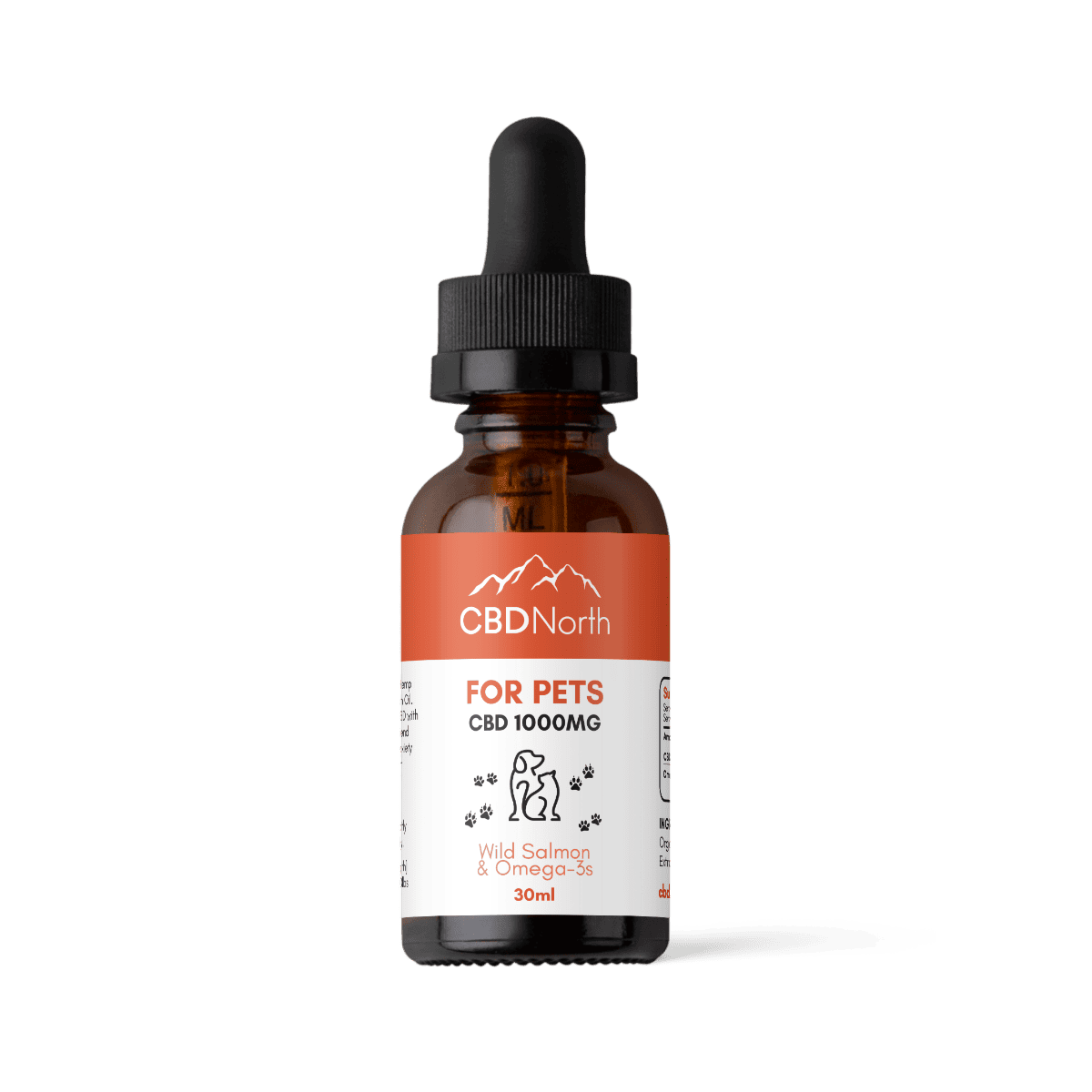
Price range: $38.49 through $73.49
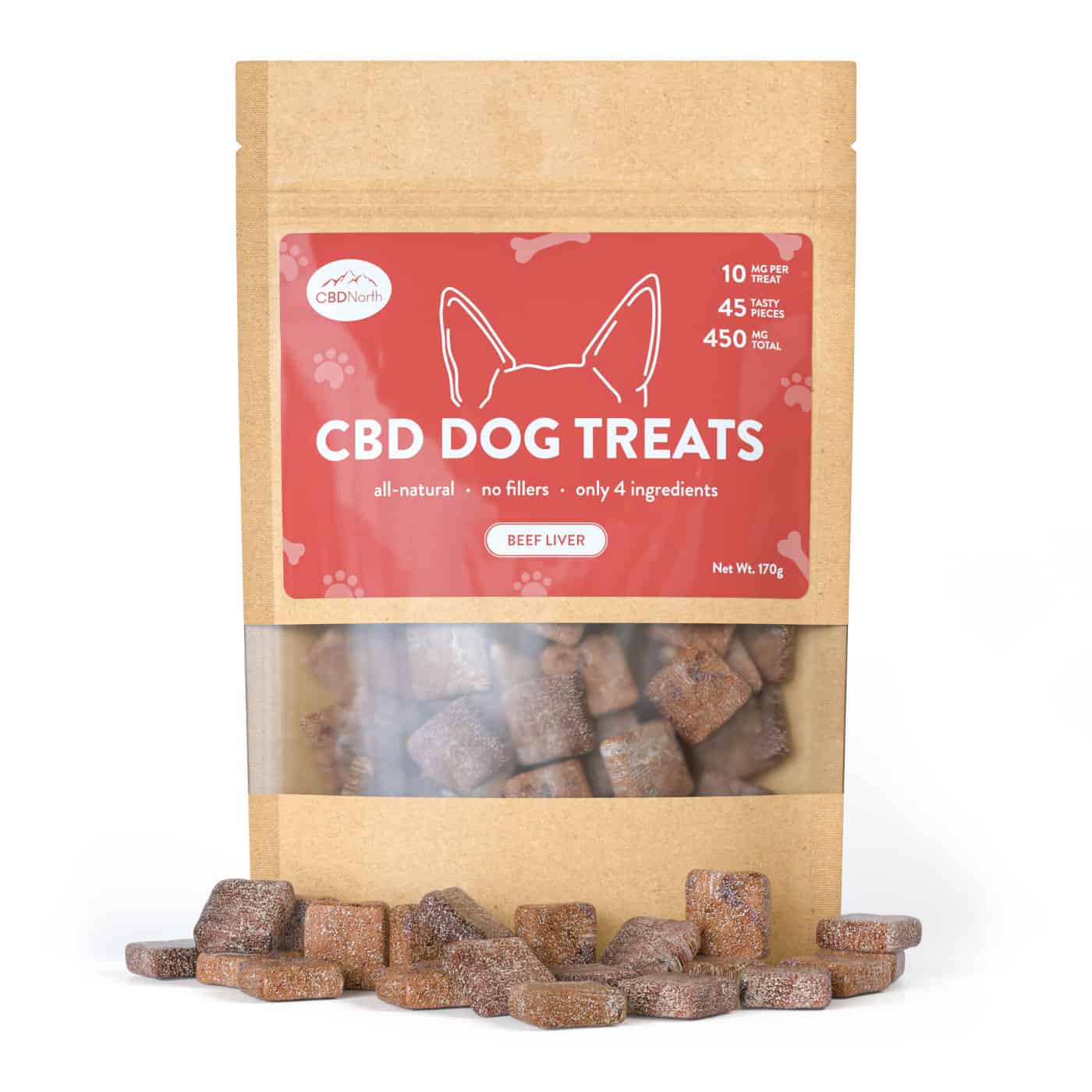
$45.49
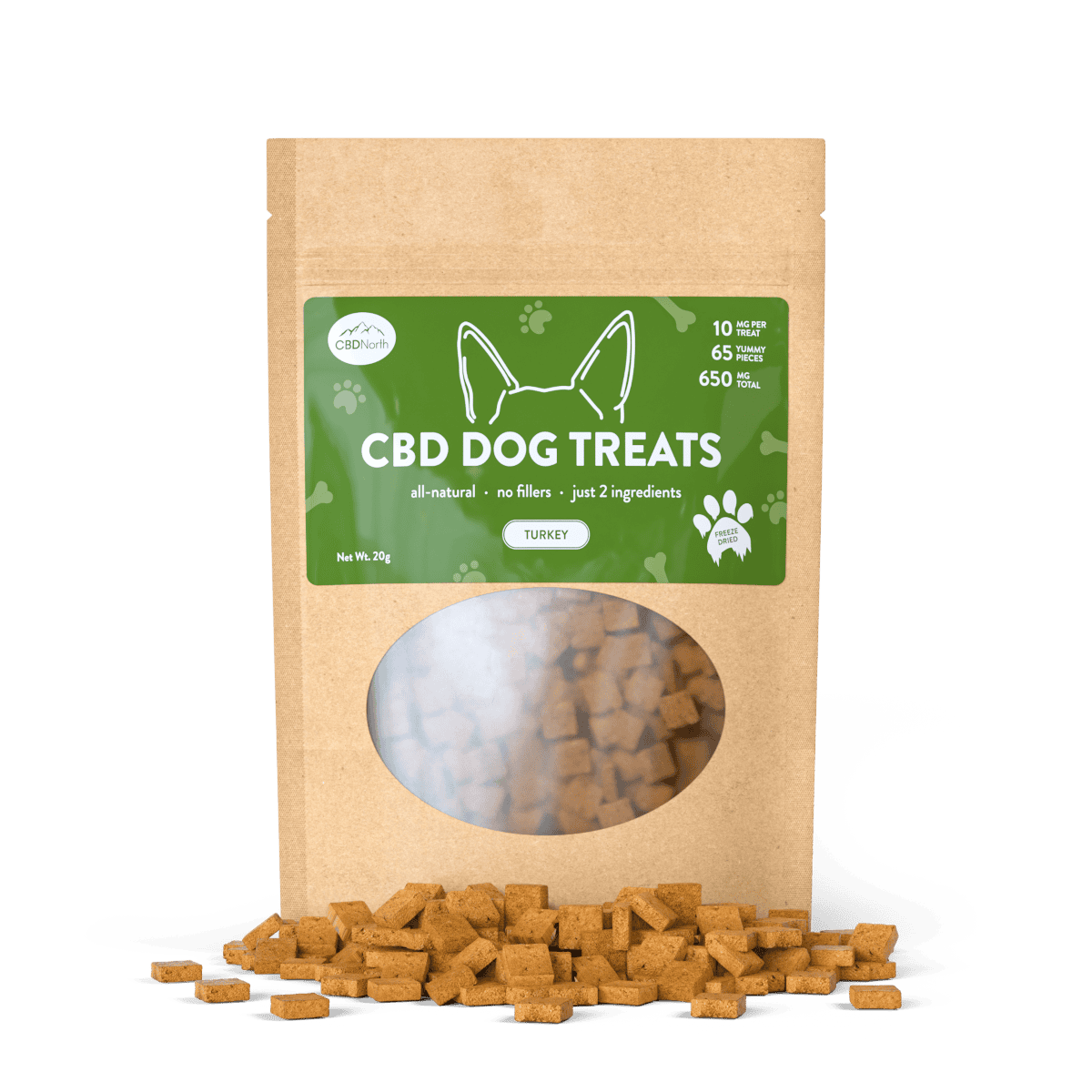
$38.49
CBD Pet Treats: The Convenient Choice
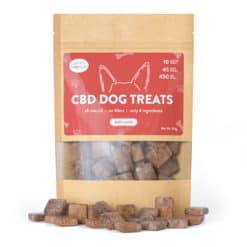
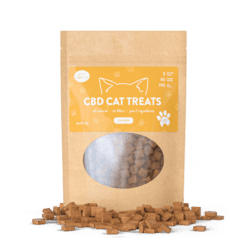
CBD pet treats are chews or snacks with a pre measured amount of CBD, and their biggest strength is convenience, since most pets happily eat them like any other treat. They make dosing simple and stress free. However, they offer less flexibility to fine tune the amount, and absorption can be a little slower through digestion.
Ease of use is the main appeal. Because pets see them as a tasty snack, there is no struggle at dosing time.
Pre measured amounts help too. Each treat contains a set amount of CBD, which makes consistent dosing straightforward.
The trade off is flexibility. Since the amount per treat is fixed, fine tuning the dose for a specific pet can be harder.
Absorption is worth noting as well. Because treats pass through digestion, they may take a little longer to have an effect than oil does.
CBD Pet Oil: The Precise Choice
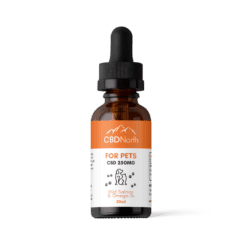
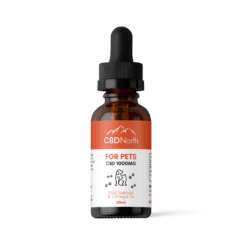
CBD pet oil comes with a dropper, and its biggest strength is precise dosing, since you can adjust the exact amount drop by drop to suit your pet’s size and needs. It also tends to absorb a little faster. On the downside, some pets dislike the taste or the process, which can make giving it trickier than a treat.
Precision is the main advantage. Because you control each drop, you can tailor the amount closely to your pet.
Faster absorption helps too. When given into the mouth, oil can take effect a little sooner than a treat that must digest first.
The challenge is cooperation. Some pets resist the dropper or dislike the taste, which can turn dosing into a small battle.
A simple workaround exists, though. Many owners mix the oil into food, which combines the precision of oil with the ease of a treat.
CBD Pet Treats vs CBD Pet Oil
Very easy to give, no fuss
Pre measured, consistent amount
Great for fussy pets
Less flexible to fine tune
Slightly slower absorption
Precise, adjustable dosing
Often absorbs a little faster
Easy to scale to pet size
Some pets dislike the taste
Can be mixed into food
Neither is simply better. The right pick depends on your pet and your routine.
This comparison shows the honest trade offs. Treats lead on ease, while oil leads on control, and both can work beautifully.
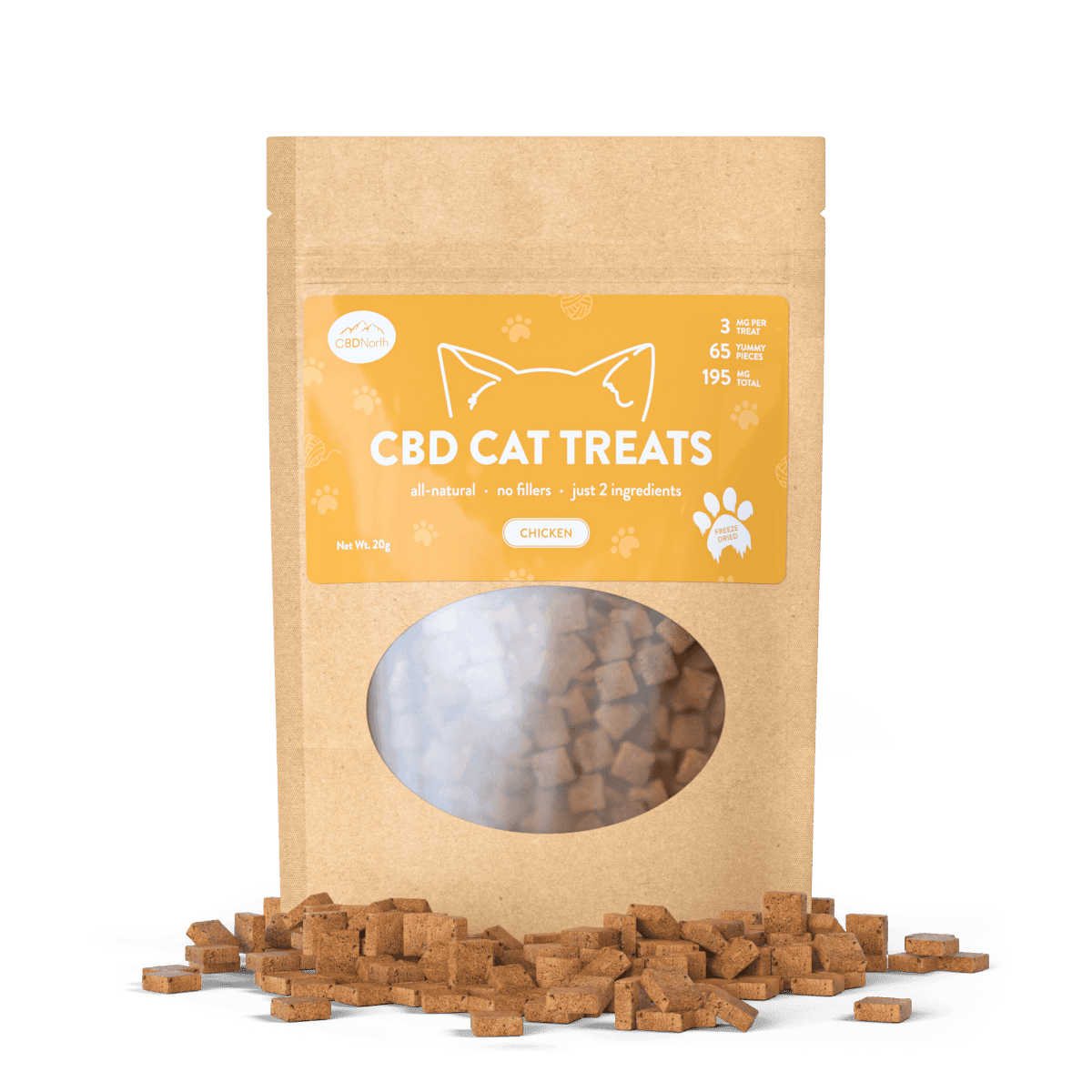
CBD for Cats
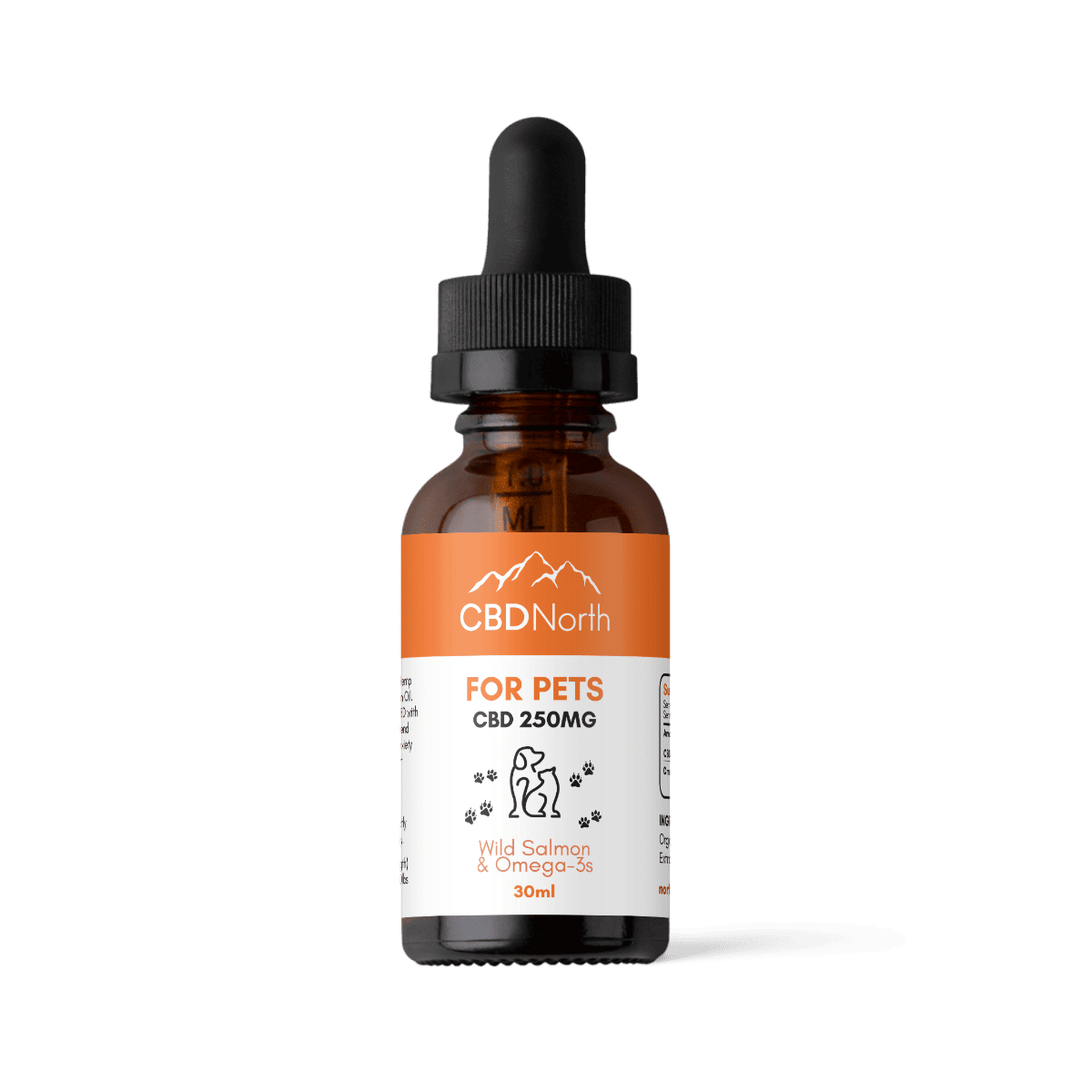
$24.49
Which Should You Choose for Your Pet?
Choose treats if your pet is fussy or you want the simplest routine, and choose oil if you want precise control over the amount or your pet needs careful dosing by size. Your pet’s personality and your daily habits matter most here. The helper below makes the decision easier.
Which One Suits Your Pet?
A simple guide based on your pet and routine
Whatever you choose, start low and involve your vet from the beginning.
Many owners find a blend works best. Because oil offers precision and treats offer ease, using both lets you enjoy the strengths of each.
Absorption differences explain part of this. The way each format reaches the body echoes what we cover in our guide on CBD bioavailability explained, which applies to pets too.
Why Vet Guidance Comes First
Vet guidance comes first because your veterinarian knows your pet’s health, weight, and any medications, so they can advise whether CBD is suitable and how to start safely. Pets cannot tell us how they feel, which makes professional input even more valuable. Therefore, a quick vet conversation should always come before any CBD.
Your vet knows your pet best. They understand your animal’s health history and can spot any reason for caution.
Medications are a key concern. Because CBD may interact with some pet medications, your vet can check for any conflict before you start.
Weight based dosing also helps. Since the right amount depends heavily on your pet’s size, a vet can guide you toward a sensible starting point.
Some pets need extra care too. If your pet manages a condition, such as the joint issues we discuss in our guide on CBD for dogs with arthritis and joint pain, vet involvement matters all the more.
Quality Matters Just as Much for Pets
Quality matters just as much for pets as for people, so whichever format you choose, look for a pet product that is lab tested and free from contaminants. Our animals deserve the same clean standards we expect for ourselves. In fact, because pets are smaller and more sensitive, purity arguably matters even more.
Lab testing is the key sign of quality. A Certificate of Analysis confirms the CBD content and checks for contaminants.
Contaminants pose a real concern. Because pets are sensitive, a clean product free from pesticides and heavy metals matters greatly, as we explain in our guide on third party CBD testing.
Pet specific formulation counts too. Products made for animals use appropriate strengths and avoid ingredients that could harm pets.
Important Cautions for Pet CBD
This section is mandatory and we never skip it. Giving CBD to a pet calls for the same care we would take with any supplement, and a few points deserve special attention.
Always involve your vet: Before giving any CBD, speak with your veterinarian, especially if your pet takes medication or has a health condition. They can advise on suitability and dosing.
Never use human products for pets: Human CBD products can be too strong or contain ingredients unsafe for animals. Use only products formulated for pets.
Watch out for certain ingredients: Some flavourings safe for humans, such as xylitol or chocolate, are dangerous for pets. Choose pet formulas made with animal safe ingredients.
Start low and observe: Because pets are sensitive, begin with a small amount and watch their behaviour closely for any change.
Pets on medications: CBD may interact with some pet medications through the liver, echoing the CYP450 pathway documented by Zendulka et al., 2016, in humans. Your vet can check for concerns.
Pregnant or nursing animals: Avoid giving CBD to pregnant or nursing pets unless a vet specifically advises it.
Province by Province Access Snapshot
CBD access in Canada is governed federally by the Cannabis Act but provincial age minimums vary for purchasing. In Alberta, adults aged 18 and over can legally purchase CBD products.
In British Columbia, Ontario, Manitoba, Saskatchewan, Nova Scotia, New Brunswick, Prince Edward Island, and the territories of Yukon, Northwest Territories, and Nunavut, the legal age is 19.
Newfoundland and Labrador sets the minimum at 20, while Quebec has the highest provincial minimum at 21. CBDNorth ships organic certified CBD products across all provinces and territories in Canada.
Last Verified: July 2026. Always confirm current rules at canada.ca/health-canada as provincial regulations can change.
What We Don’t Know Yet: Honest Research Gaps
Research on CBD in pets is still growing, though interest is rising. Much of what owners rely on is anecdotal or drawn from early studies.
The ideal dosing for different animals and sizes is not fully established. This is exactly why vet guidance and a low, careful start matter.
Long term effects of CBD in pets have not been widely studied. Owners and vets should watch pets carefully over time.
Health Canada’s Natural Health Product pathway for CBD remains under active consultation as of 2026. The regulatory framework continues to evolve.
Common Questions We Get Asked at CBDNorth
These are some of the real questions Canadian pet owners bring to us about CBD treats and oil. We share them because the concerns behind them come up often. Individual circumstances vary, and these are general responses rather than veterinary advice.
“Should I give my dog CBD treats or CBD oil?” Both can work well, so it comes down to your dog and your routine. Treats are easiest and great for fussy dogs, while oil gives precise dosing you can scale to size. Many owners use both. Whichever you pick, start low and involve your vet.
“Which one works faster?” Oil often takes effect a little sooner, since treats must pass through digestion first. That said, the difference is modest. If speed matters to you, oil given into the mouth may be the better choice, but ease of use matters too.
“Can I use my own CBD oil for my pet?” Please do not. Human products can be too strong or contain ingredients unsafe for animals, such as certain flavourings. Always use a product formulated specifically for pets, and check with your vet before starting.
“How do I know the right amount for my pet?” The right amount depends heavily on your pet’s size and needs, which is why your vet is the best guide. Start with a low amount and watch your pet’s behaviour closely. Oil makes fine tuning easier, while treats offer a set amount.
“Is CBD safe for cats as well as dogs?” Cats also have an endocannabinoid system, and pet CBD products exist for them too. Cats can be especially sensitive, however, so vet guidance and careful, low dosing matter even more. Use only cat appropriate products.
CBDNorth Lab Note
We treat pets as the family members they are, so we hold pet products to the same high standard as everything else we make. Whether you choose treats or oil, quality and transparency should never be in question.
Every CBDNorth product goes through batch by batch testing at an ISO certified Canadian laboratory, with full panel results covering cannabinoid levels, pesticides, heavy metals, and residual solvents, all available openly on our lab reports page. For a sensitive pet, that clean assurance genuinely matters.
Our hemp is USDA organic certified and extracted using supercritical CO2 with no harsh solvent residues. Clean sourcing gives pet products the same solid foundation as our human range.
If the cost of accessing quality lab tested CBD is a barrier for you, our Assistance Program is available for Canadians who qualify. Before giving your pet any CBD, please speak with your veterinarian, who can guide what is right for your animal.
Frequently Asked Questions
Q: Should I give my dog CBD treats or CBD oil?
Both can work well, so it comes down to your dog and your routine. Treats are easiest and great for fussy dogs, while oil gives precise dosing you can scale to size.
Many owners use both, mixing oil into food when needed. Whichever you pick, start low and involve your vet first.
Q: Which is better for pets, treats or oil?
Neither is simply better. Treats win on convenience and suit fussy pets, while oil wins on precise, adjustable dosing and often faster absorption.
The right choice depends on your pet’s temperament, size, and your daily habits. Many owners happily use both formats together.
Q: Do pets have an endocannabinoid system?
Yes, pets have an endocannabinoid system, much like humans do. This is the biological system CBD interacts with, which is why CBD is explored for animals.
Pets can be more sensitive than people, though, and cannot tell us how they feel. Careful, low dosing and vet guidance therefore matter even more.
Q: Which absorbs faster for pets, treats or oil?
Oil often takes effect a little sooner, since treats must pass through digestion first. The difference is modest, however.
If speed matters, oil given into the mouth may suit better. If ease matters more, treats are hard to beat. Both are valid choices.
Q: Can I use human CBD oil for my pet?
No, please do not. Human products can be too strong or contain ingredients unsafe for animals, such as certain flavourings.
Always use a product formulated specifically for pets, at an appropriate strength. Check with your vet before you start.
Q: How much CBD should I give my pet?
The right amount depends heavily on your pet’s size and needs, so your vet is the best guide. Start with a low amount and watch your pet’s behaviour closely.
Oil makes fine tuning the dose easier, while treats offer a convenient set amount. Never rush to increase it without vet input.
Before giving any new supplement to your pet, please speak with a qualified veterinarian, especially if your pet takes medication or has a health condition.
These statements have not been evaluated by Health Canada. CBDNorth products are not intended to diagnose, treat, cure, or prevent any disease or medical condition. This content is for educational purposes only and does not constitute veterinary advice. Please consult a qualified veterinarian before use. Must be 18 and older to purchase; age requirements vary by province.