One of the biggest mistakes Canadians make with CBD is treating it like a painkiller, something you reach for only when you feel you need it. While CBD can be used that way for some purposes, the people who get the most consistent results tend to be those who build it into a steady daily routine.
This is because much of CBD’s potential benefit comes from supporting your body’s systems over time rather than producing an immediate dramatic effect. A well built routine is the difference between wondering whether CBD does anything and actually understanding how it fits your life.
This guide walks through how to build a daily CBD routine from scratch, including timing, dosing, format choice, and how to track whether it is working. This content is for educational purposes only and is not medical advice.
Why Does Consistency Matter So Much With CBD?
To understand why a daily routine matters, it helps to understand the concept of endocannabinoid tone. Your body has its own endocannabinoid system, a network of receptors and naturally produced compounds that helps regulate mood, sleep, appetite, pain perception, immune function, and stress response.
The overall activity level of this system is sometimes described as your endocannabinoid tone. The theory behind regular CBD use is that consistent supplementation may help support this system over time rather than just producing a one off effect.
When you take CBD sporadically, you never give your body the chance to settle into a steady state. The levels in your system rise and fall, and any potential cumulative benefit never has the opportunity to build.
When you take CBD consistently at the same times each day, you maintain steadier levels and give your endocannabinoid system more consistent support. This is the same principle behind why many supplements and medications work better with regular use.
The other practical reason consistency matters is that it allows you to actually evaluate whether CBD is working for you. If you take it randomly, you have no reliable baseline against which to judge its effects.
If you take a consistent dose at consistent times for a few weeks, you can observe genuine patterns in your sleep, stress, mood, or whatever you are tracking. This turns CBD from guesswork into something you can assess properly.
Step One: Define What You Want From Your Routine
Before choosing a product or a dose, get clear on what you actually want CBD to support. This single step shapes every other decision in building your routine, and skipping it is why many people end up with a routine that does not fit their goals.
If your main goal is sleep support, your routine will centre on an evening dose timed before bed. If your main goal is daytime stress and calm, a morning or midday dose makes more sense.
If your goal is general wellness and endocannabinoid support, a consistent daily dose at whatever time fits your life best is the priority. If your goal is localised physical discomfort, a topical applied to the area may be your main tool rather than an ingestible.
Many Canadians have more than one goal, and that is fine. A common combined routine is a small daytime dose for baseline calm plus a larger evening dose for sleep, sometimes with a topical for specific aches.
The point is to design the routine around your goals rather than just taking CBD at random and hoping for the best.
Step Two: Choose Your Format Based on Your Goal
Once you know your goal, format choice becomes much clearer. Each format suits different purposes within a daily routine, and many people use more than one.
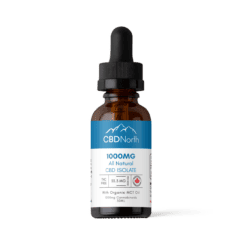
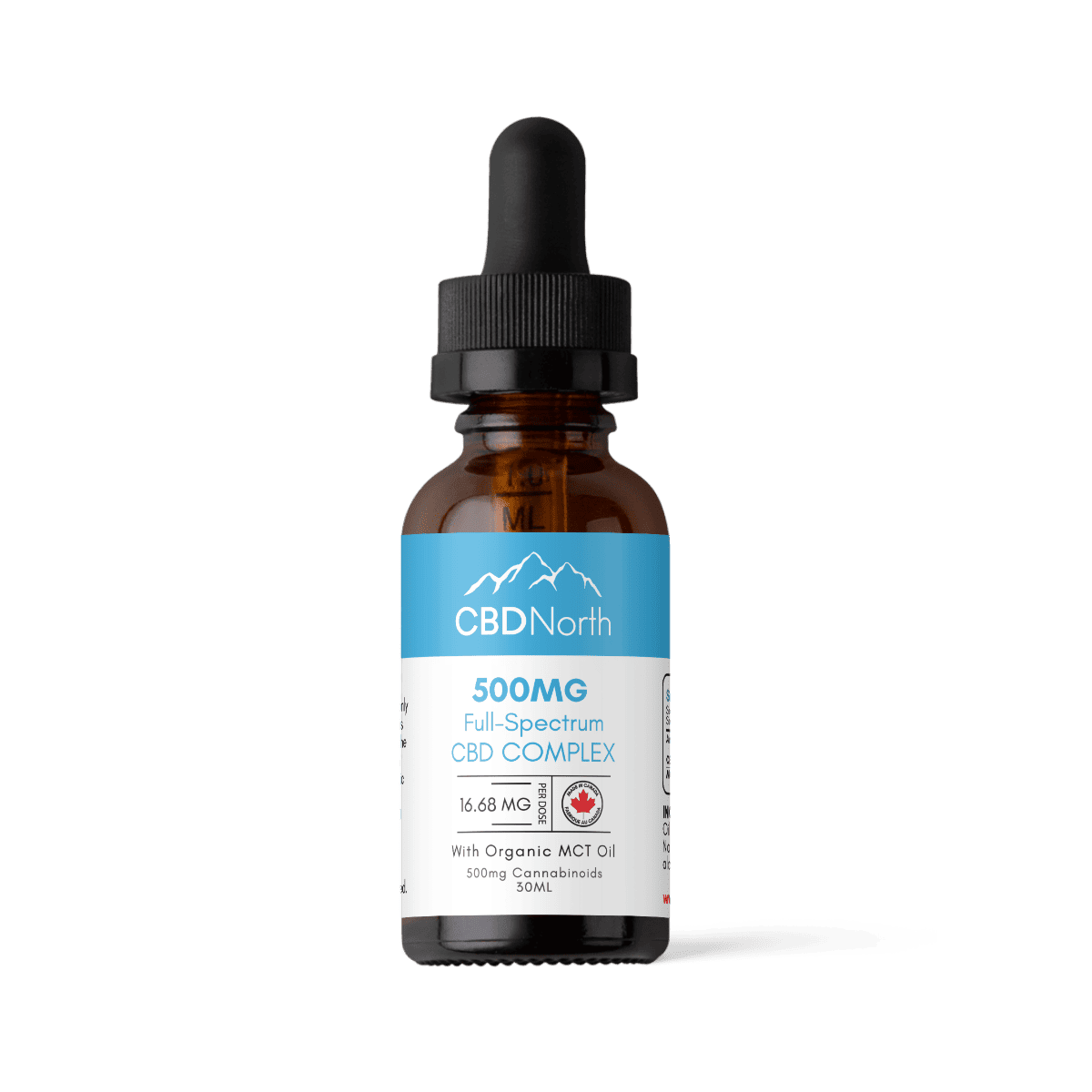
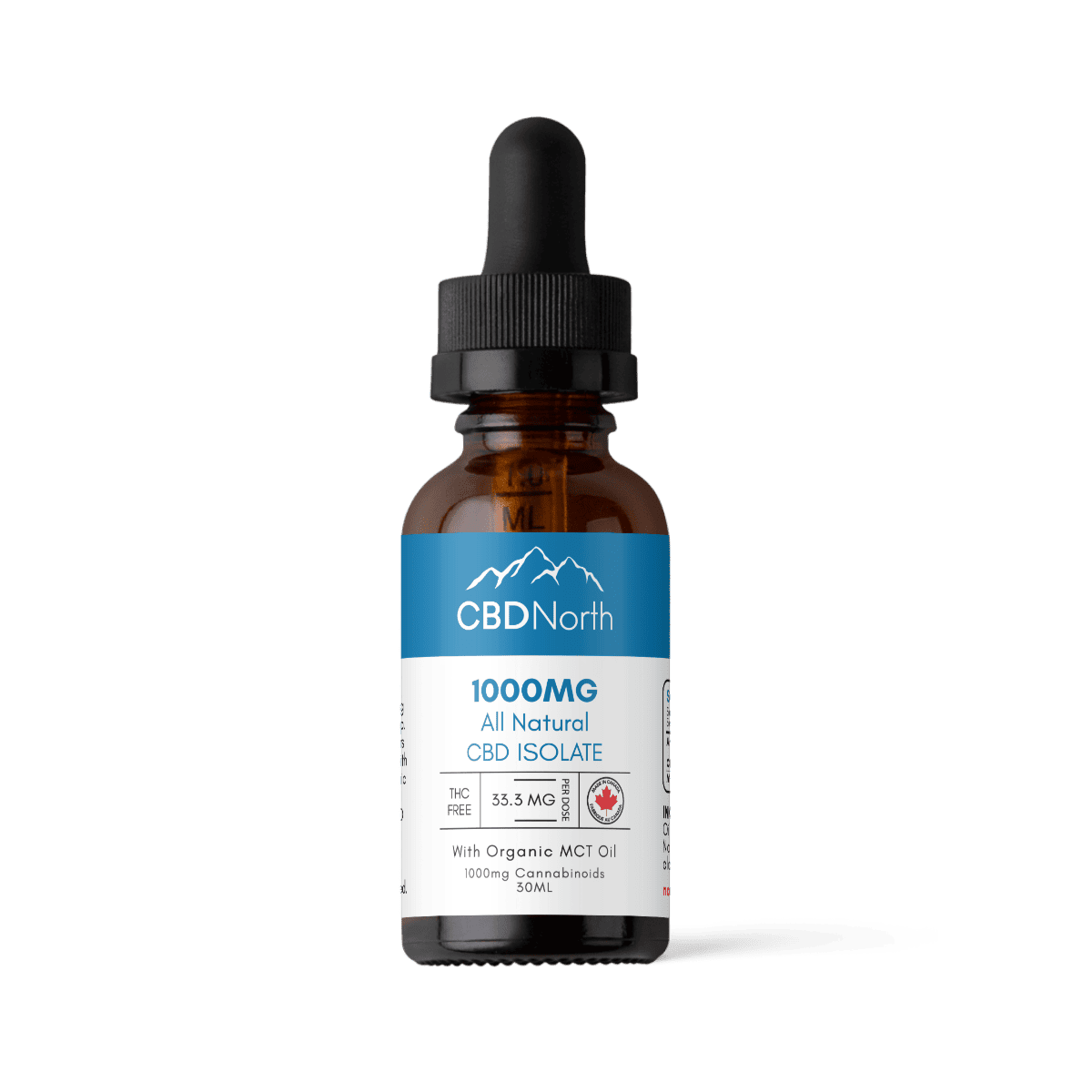
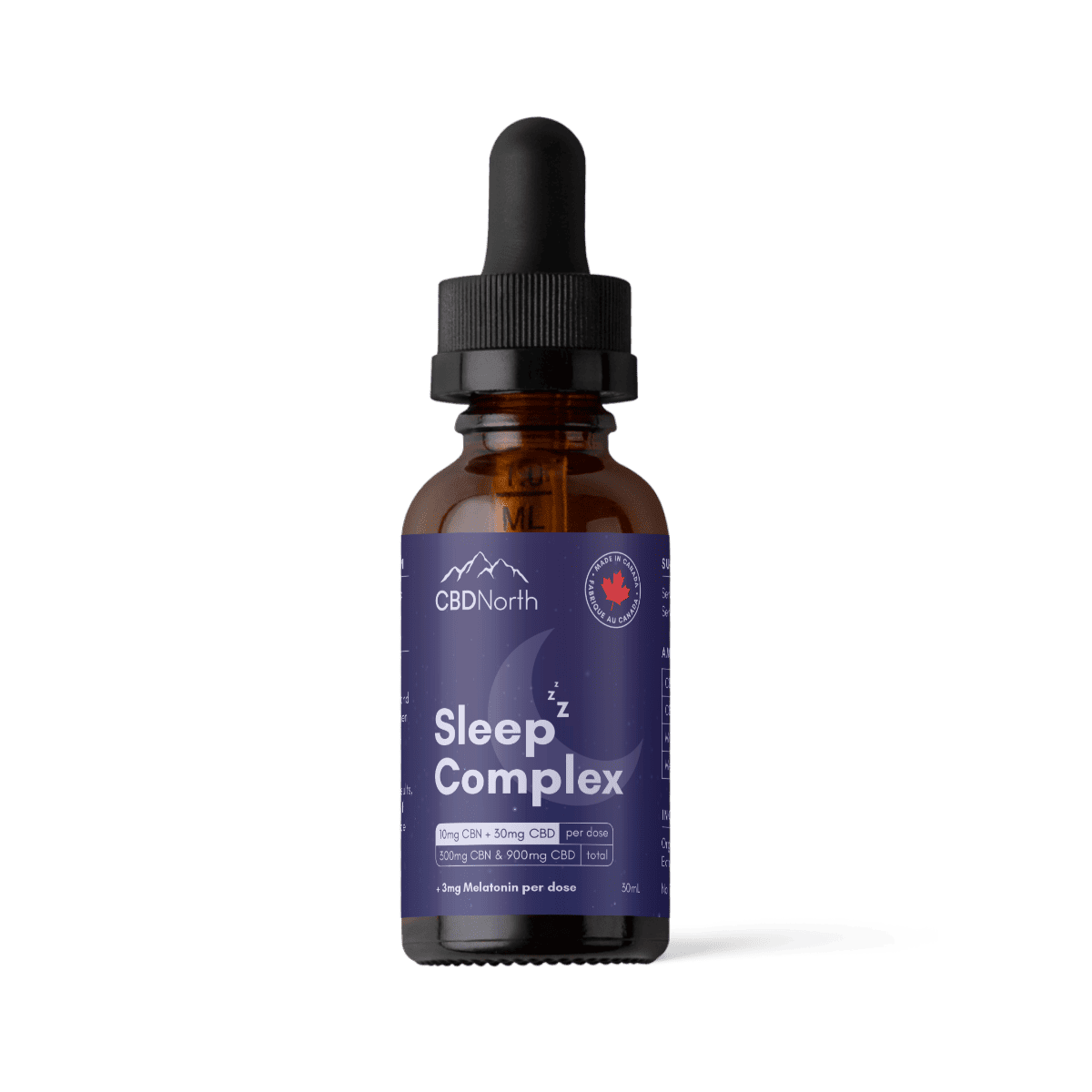
CBD oil taken sublingually is the most flexible foundation for a routine. The faster onset, typically 15 to 45 minutes, and precise dose control make it easy to adjust as you learn what works.
It suits both morning and evening use and is the format most people build their core routine around. The ability to fine tune your dose drop by drop is genuinely useful when you are still learning your ideal amount.
CBD Oil Collection
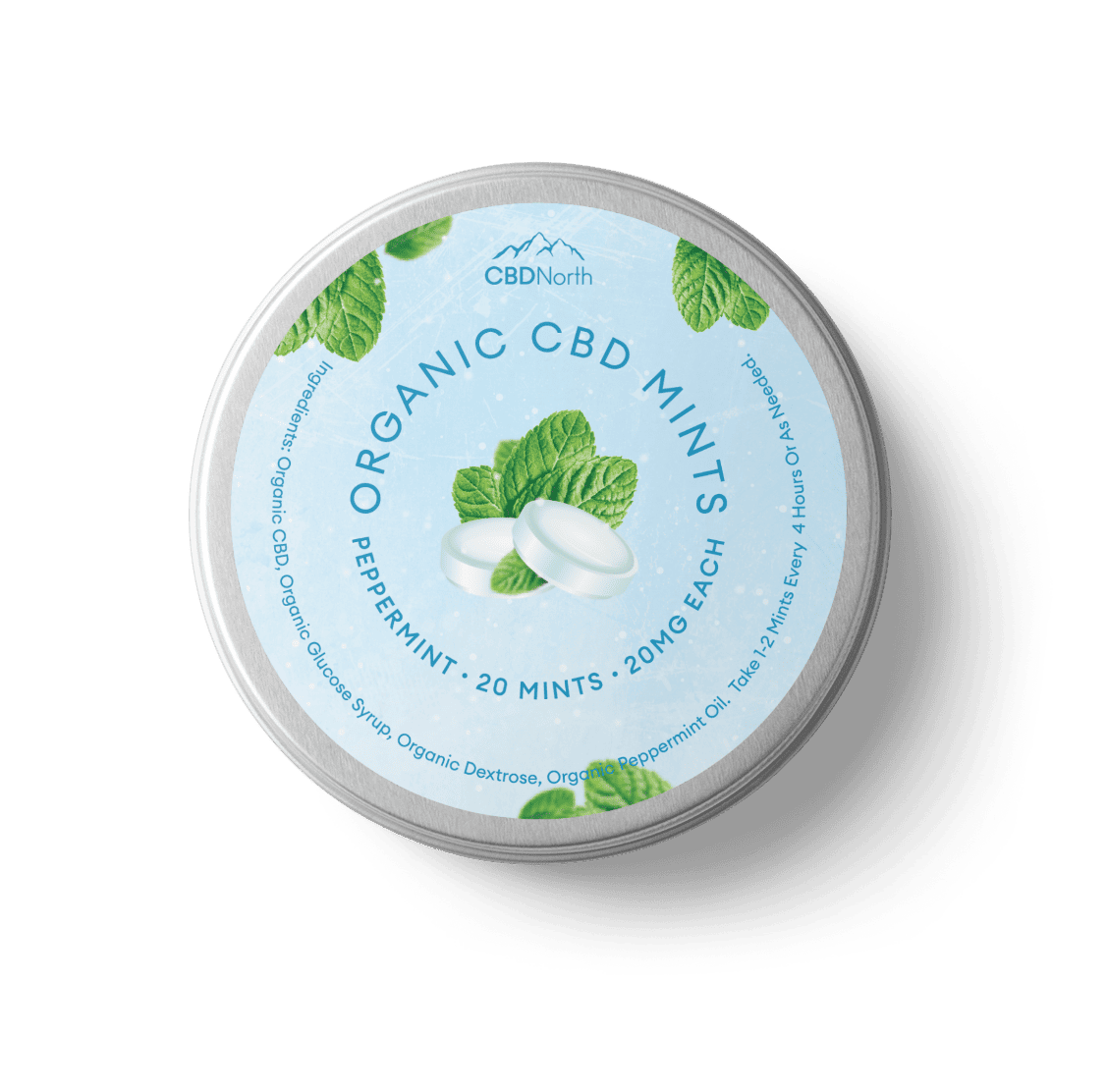
CBD gummies and edibles suit people who want the ultimate in convenience and consistency. A pre measured gummy removes any guesswork about dosing and is easy to remember as part of a daily ritual.
The slower onset and longer duration make gummies particularly suited to evening sleep routines or all day baseline support. For many people the simple act of taking a gummy at the same time each day is easier to maintain than measuring oil.
CBD Edibles Collection

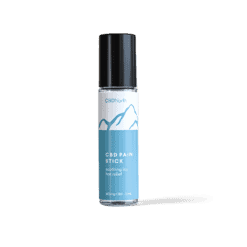
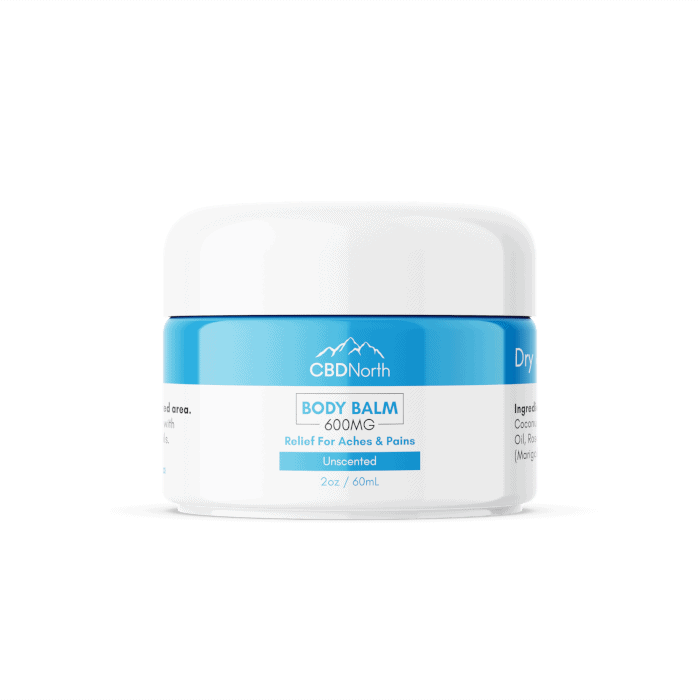
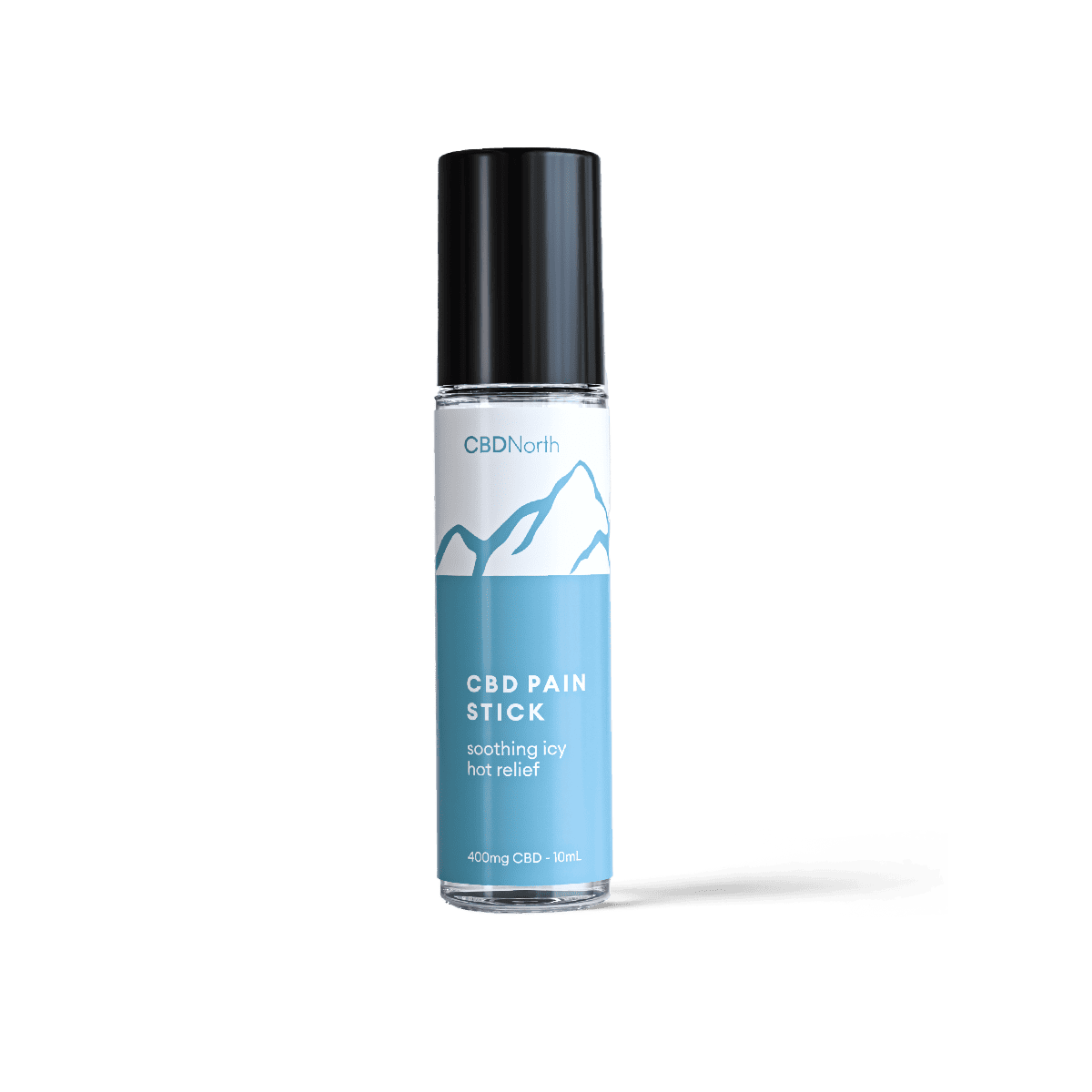
CBD topicals fit into a routine as a targeted addition rather than a foundation. If part of your goal is localised muscle or joint support, applying a topical to the area becomes a specific step in your routine, often after exercise or before bed.
Topicals do not contribute to your systemic CBD intake, so they can be used alongside ingestibles without affecting your overall dose. This makes them a flexible complement to an oil or gummy foundation.
CBD Pain Relief Products
Step Three: Find Your Starting Dose
The golden rule of CBD dosing is start low and go slow. Most Canadian adults begin somewhere between 10 and 25 mg per day, and there is genuine wisdom in starting at the lower end even if you suspect you might need more.
Starting low lets you observe how your body responds before increasing, and it helps you avoid the common mistake of starting too high and then attributing side effects to CBD when the dose was simply larger than needed. The signs that you have gone too high are covered in our guide on what happens if you take too much CBD.
The process is straightforward. Begin at your starting dose and hold it steady for about two weeks.
Pay attention to how you feel during this period. If you are getting the support you want, there is no need to increase.
If not, increase by 5 to 10 mg and hold steady for another two weeks. Repeat this process until you find the minimum effective dose that gives you the support you are looking for.
This patient approach has two benefits. It helps you find your genuine optimal dose rather than overshooting, and it keeps your dose moderate, which matters for liver health as we explain in our guide on CBD and liver health.
Step Four: Choose Your Timing
Timing is where your routine takes its actual shape. The right timing depends on your goal, and getting it right makes the routine both more effective and easier to maintain.
Here is how a typical daily CBD routine might look depending on what you are aiming for.
A Sample Daily CBD Routine
A small sublingual oil dose to support baseline calm and focus through the day. Take with breakfast containing some fat to aid absorption.
An optional small dose during a stressful afternoon, or a topical applied to sore muscles after midday exercise.
A larger dose, oil or gummy, taken around an hour before bed to support winding down. Gummies suit this slot well due to longer duration.
A sample only. Your routine should be built around your specific goals and adjusted to how your body responds.
If sleep is your goal, the most important dose is the evening one, taken around an hour before bed. If daytime calm is your goal, prioritise the morning dose.
If general wellness is your goal, pick whatever single time of day you are most likely to remember consistently, since consistency matters more than the specific hour. The best routine is one you can actually stick to.
A common tip for newcomers is to take your first ever dose in the evening rather than the morning. This way, if CBD makes you feel drowsy, that effect coincides with when you want to sleep rather than disrupting your day.
Step Five: Track and Adjust Over Four Weeks
Building a routine is not a set and forget exercise. The most successful CBD users treat the first month as a learning period, tracking how they respond and adjusting accordingly.
Here is how a typical four week building process unfolds.
Your First Four Weeks
Start at your low dose at a fixed time daily. Do not change anything. Note your sleep, mood, and stress in a simple journal.
Keep the dose steady. Look back at your notes. Are you noticing any consistent changes, positive or neutral?
If the support is not enough, increase by 5 to 10 mg. If it is working, hold steady. Avoid changing more than one thing at a time.
By now you should have a clearer sense of your effective dose and timing. Lock in the routine that works and maintain consistency.
The journal element is genuinely worth doing. It does not need to be elaborate, just a few words each day on how you slept, how your stress felt, and any physical comfort changes.
This simple record transforms vague impressions into something you can actually evaluate. Without it, the natural day to day variability of life makes it very hard to tell whether CBD is contributing anything.
One key principle during this period is to change only one variable at a time. If you simultaneously change your dose, your timing, and your format, you will have no way of knowing which change made the difference.
Adjust one thing, observe for a couple of weeks, then adjust the next if needed.
Tips to Make Your Routine Stick
The best routine in the world is useless if you cannot maintain it. These practical habits help turn a CBD routine into something that lasts rather than fading after a couple of weeks.
Attach your CBD to an existing habit. If you already brush your teeth every morning and night, keeping your CBD next to your toothbrush links the new habit to an established one.
This habit stacking technique is one of the most reliable ways to make a new routine automatic. The existing habit acts as a reminder for the new one.
Keep your product visible. CBD that lives in a drawer gets forgotten.
CBD that sits on your bedside table or kitchen counter where you see it at the right time gets used. Just keep it out of direct sunlight and heat to preserve potency.
Take it with food when using edibles or swallowed oil. CBD is fat soluble, so taking it alongside a meal containing some fat improves absorption.
This also naturally links your dose to mealtimes, which most people have at consistent hours. Be patient with the process.
CBD’s potential benefits often build gradually rather than appearing overnight. Giving your routine a fair trial of several weeks before judging it prevents the common mistake of giving up too soon.
Choose a quality product you trust. A routine built on an inconsistent or poorly tested product is built on shaky ground.
Knowing exactly what is in your product, through proper lab testing, means your routine stays consistent batch to batch. Our organic CBD oil buying guide covers what to look for in a quality product worth building a routine around.
Spectrum Choice for a Daily Routine
For a daily routine, your spectrum choice is worth thinking through since you will be taking it consistently. Full spectrum CBD contains the full range of cannabinoids, terpenes, and trace THC up to Canada’s legal limit of 1 percent.
The entourage effect from full plant compounds is preferred by many people building a long term wellness routine. The broader plant profile may offer more well rounded support.
Broad spectrum CBD removes THC while keeping other cannabinoids and terpenes. This suits people who want plant complexity but need to avoid all THC, whether for workplace testing or personal preference.
Isolate CBD is pure CBD only, offering the most predictable single compound experience for a daily routine. For anyone who wants total consistency and simplicity, isolate provides exactly that.
Always verify your product’s Certificate of Analysis to confirm actual cannabinoid content. Canada allows up to 1 percent THC in cannabis products, which is meaningfully different from the US federal threshold.
Who Should NOT Build a CBD Routine Without Medical Advice?
This section is mandatory and we never skip it.
Pregnancy and breastfeeding: Health Canada advises against using any cannabis product during pregnancy or while breastfeeding. This applies to any CBD routine regardless of dose or format.
Children and youth: CBD products are intended for adults aged 18 and older. Age minimums vary by province from 18 to 21. These products are not appropriate for anyone under the legal age in their province.
People taking medications through the CYP450 pathway: A daily CBD routine means consistent daily interaction with the liver enzyme system that processes many medications. This interaction is documented in peer reviewed research by Zendulka et al., 2016, Current Drug Metabolism.
If you take any prescription medication regularly, speak with your pharmacist before establishing a daily CBD routine. This matters more for daily use than for occasional use.
People with liver conditions: Daily CBD use means daily liver processing. If you have any liver condition, consult your doctor before establishing a routine.
People with chronic health conditions: If you live with a chronic condition, a daily CBD routine should be discussed with your specialist. Our guides on conditions like CBD for endometriosis cover the specific considerations for building a routine around a health condition.
People with allergies to cannabis or hemp: If you have a confirmed allergy to cannabis or hemp, do not use CBD products regardless of any other consideration.
Scheduled surgery: Some healthcare practitioners recommend stopping CBD at least two weeks before any planned surgical procedure due to possible effects on blood clotting and anaesthesia interactions.
Province by Province Access Snapshot
CBD access in Canada is governed federally by the Cannabis Act but provincial age minimums vary. In Alberta, adults aged 18 and over can legally purchase CBD products.
In British Columbia, Ontario, Manitoba, Saskatchewan, Nova Scotia, New Brunswick, Prince Edward Island, and the territories of Yukon, Northwest Territories, and Nunavut, the legal age is 19.
Newfoundland and Labrador sets the minimum at 20, while Quebec has the highest provincial minimum at 21. CBDNorth ships organic certified CBD products across all provinces and territories in Canada.
Last Verified: May 2026. Always confirm current rules at canada.ca/health-canada as provincial regulations can change.
What We Don’t Know Yet: Honest Research Gaps
The concept of endocannabinoid tone and how daily CBD supplementation affects it over time is still an area of active research rather than settled science. The theory is plausible but not fully proven.
The optimal dose and timing for general daily wellness, as opposed to specific conditions, has not been firmly established in clinical research. The start low and go slow approach is sensible guidance rather than a precise formula.
Whether splitting a daily dose into morning and evening portions produces meaningfully different results from a single daily dose has not been studied in detail. Most guidance on this is based on pharmacokinetic reasoning rather than direct comparison trials.
The long term effects of years of daily CBD use on the endocannabinoid system itself remain under researched. Most studies run for weeks or months.
Health Canada’s Natural Health Product pathway for CBD remains under active consultation as of 2025. The regulatory framework continues to evolve.
Real Canadian User Experience Log
The following logs are shared with full user consent. Individual results vary. These are personal experience reports and not medical outcomes.
G.A., Ontario, sleep focused routine: Built a simple routine of 20 mg gummy one hour before bed, taken at the same time nightly. Kept a brief sleep journal through the first month.
Reported more consistent sleep onset by week three. Found that linking the gummy to her evening tea ritual made it easy to remember.
M.T., British Columbia, split daytime routine: Used 10 mg sublingual oil in the morning and 10 mg in the evening for general baseline calm. Started low and held steady for two weeks before assessing.
Found the split approach gave steadier all day support than a single dose he had tried previously. Stayed at this routine long term.
R.E., Alberta, combined routine: Used morning oil for calm plus a topical applied after evening workouts for muscle recovery. Treated the two as separate parts of the same routine.
Appreciated that the topical did not add to his ingestible dose. Adjusted the oil dose once during the first month based on his journal.
S.B., Quebec, patient build: Started at 10 mg and resisted the urge to jump straight to a high dose. Increased gradually to 20 mg over a month based on how she felt.
Concluded that the patient approach helped her find a lower effective dose than she would have guessed. Valued saving money by not overshooting.
CBDNorth Lab Note
A daily routine is only as reliable as the product it is built on. If your CBD product varies in strength from batch to batch, your carefully calibrated routine becomes inconsistent without you realising why.
Every CBDNorth product is tested batch by batch at an ISO certified Canadian laboratory, with full panel results covering cannabinoid levels, pesticides, heavy metals, and residual solvents all available openly on our lab reports page. This consistency means the dose you settle on stays the dose you actually get.
Our hemp is USDA organic certified and extracted using supercritical CO2 with no harsh solvent residues. For a product you will be taking daily over the long term, this cleanliness matters cumulatively.
If the cost of accessing quality lab tested CBD is a barrier for you, our Assistance Program is available for Canadians who qualify. Before starting any daily CBD routine, especially if you take prescription medications, please speak with a qualified healthcare practitioner.
Frequently Asked Questions
Q: How do I take CBD every day for best results?
The key is consistency. Take a steady dose at the same time each day, chosen around your goal, whether that is morning for daytime calm or evening for sleep.
Start at a low dose of 10 to 25 mg, hold steady for two weeks, and adjust gradually. Taking it with food improves absorption, and keeping a simple journal helps you evaluate whether it is working.
Q: Is it better to take CBD in the morning or at night?
It depends on your goal. For daytime stress and calm, morning works best. For sleep support, an evening dose around an hour before bed is ideal.
For general wellness, the specific time matters less than consistency, so pick whatever time you are most likely to remember. Newcomers often start in the evening in case CBD makes them drowsy.
Q: How long before I see results from a daily CBD routine?
Some effects, like a sense of calm, may be noticeable within the first hour of a dose. Other potential benefits build gradually over weeks of consistent use.
Most people give a routine at least two to four weeks of consistent daily use before judging whether it is working. A journal makes this assessment much easier and more reliable.
Q: Can I split my CBD dose throughout the day?
Yes, many people split their daily dose into a morning and evening portion to maintain steadier levels throughout the day. This can give more consistent all day support than a single larger dose.
Whether splitting produces better results than a single dose has not been firmly established in research, so it comes down to what feels best for you. It is a reasonable approach to experiment with.
Q: What is endocannabinoid tone?
Endocannabinoid tone refers to the overall activity level of your body’s endocannabinoid system, the network that helps regulate mood, sleep, pain, appetite, and stress. The theory behind daily CBD use is that consistent supplementation may help support this system over time.
This concept is still an area of active research rather than fully settled science, but it is part of why consistency is emphasised with CBD.
Q: Can I use oil and gummies in the same routine?
Yes. A common approach is using faster acting oil during the day for flexibility and a longer lasting gummy in the evening for sleep support.
Just keep track of your total daily dose across both formats so you stay within your intended amount. Combining formats is perfectly reasonable as long as the overall dose stays moderate.
Before starting any new wellness supplement, please speak with a qualified healthcare practitioner, especially if you take prescription medications or manage a health condition.
These statements have not been evaluated by Health Canada. CBDNorth products are not intended to diagnose, treat, cure, or prevent any disease or medical condition. This content is for educational purposes only and does not constitute medical advice. Please consult a qualified healthcare practitioner before use. Must be 18 and older to purchase; age requirements vary by province.