A CBD tincture generally works faster and offers more flexible dosing, while CBD capsules are more convenient and give an exact, consistent dose. The best choice depends on whether you value speed and control or simplicity and precision. Neither is better overall, since each suits a different kind of user and goal.
Both deliver CBD into your body, just through slightly different routes. That difference in route is what shapes how fast each one works and how you dose it. This guide compares them clearly so you can pick the format that fits your life. This content is for educational purposes only and is not medical advice.
Key Takeaways
- Tinctures are taken sublingually and tend to work faster, in 15 to 45 minutes.
- Capsules are swallowed and take longer, around 45 minutes to 2 hours, but last longer.
- Tinctures allow flexible, adjustable dosing drop by drop.
- Capsules give a fixed, pre measured dose with no taste and no guesswork.
- The right choice depends on your priorities: speed and control, or ease and consistency.
What Is the Core Difference Between the Two?
The core difference comes down to how each one enters your body. A tincture is held under the tongue for absorption, while a capsule is swallowed and processed through digestion. This single distinction drives almost every other difference between them.
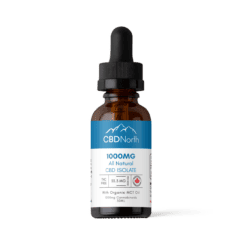
A CBD tincture is a liquid oil, usually taken with a dropper. You place the oil under your tongue and hold it there for around 60 seconds before swallowing.
This method is called sublingual absorption. Some of the CBD passes through the thin tissue under the tongue and into the bloodstream fairly directly.
A CBD capsule is a pre filled pill containing a set amount of CBD. You swallow it with water, exactly as you would any supplement or vitamin.
The capsule then travels through your digestive system, where the CBD is processed by the liver before reaching your bloodstream. That extra step through digestion is the reason capsules behave differently from tinctures, as the diagram below shows.
Two Routes Into the Body
Why the delivery route changes how fast each format works
Step 1: Held under the tongue for about 60 seconds
Step 2: Some CBD absorbs through tissue under the tongue
Step 3: Enters the bloodstream more directly
Result: Faster onset, 15 to 45 minutes
Step 1: Swallowed with water like a vitamin
Step 2: Travels through the digestive system
Step 3: Processed by the liver, then reaches the bloodstream
Result: Slower onset, 45 minutes to 2 hours
The digestive route takes longer but tends to produce a more gradual, longer lasting effect.
This routing explains the practical trade offs you will notice. One route is quicker but needs a little technique, while the other is effortless but slower to take effect.
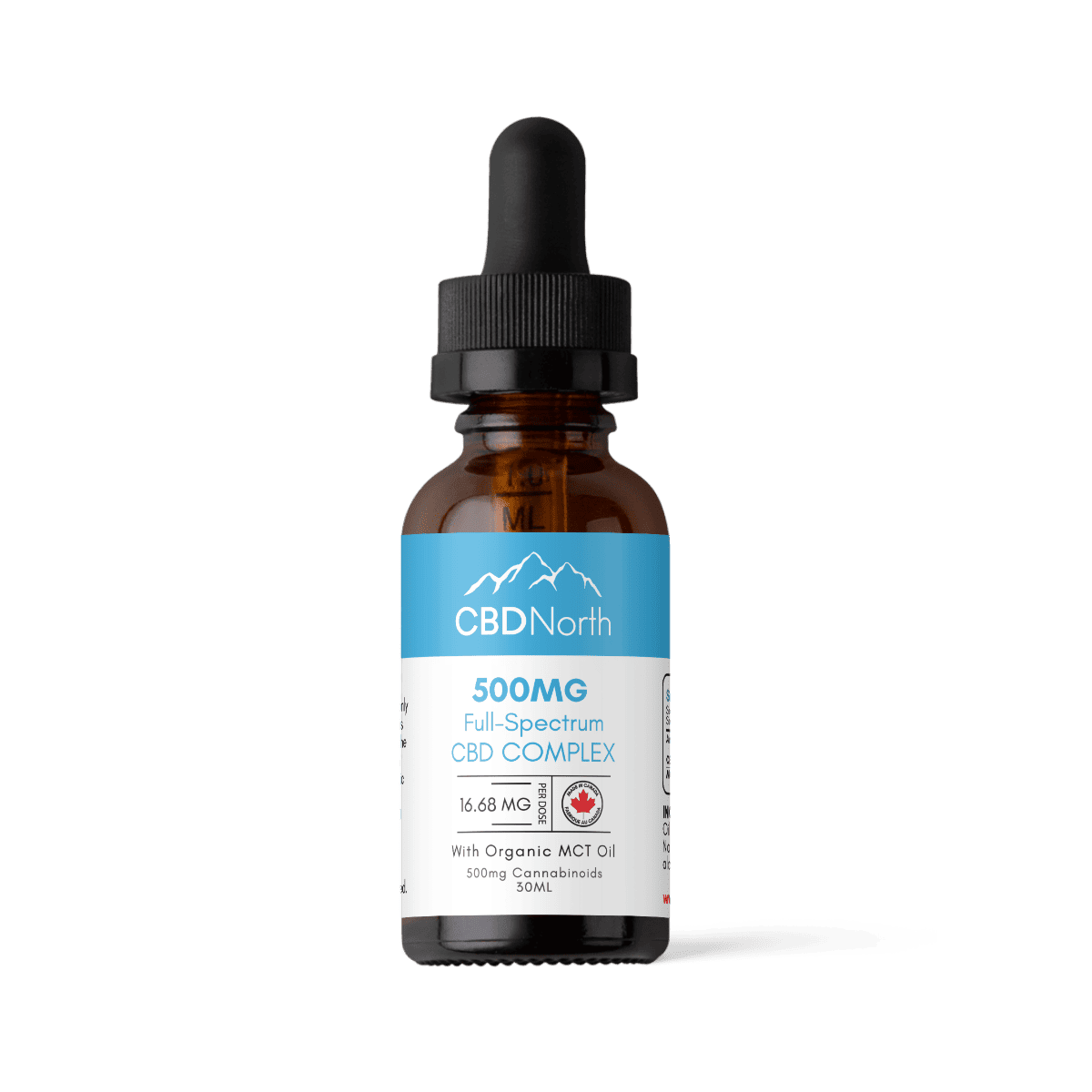
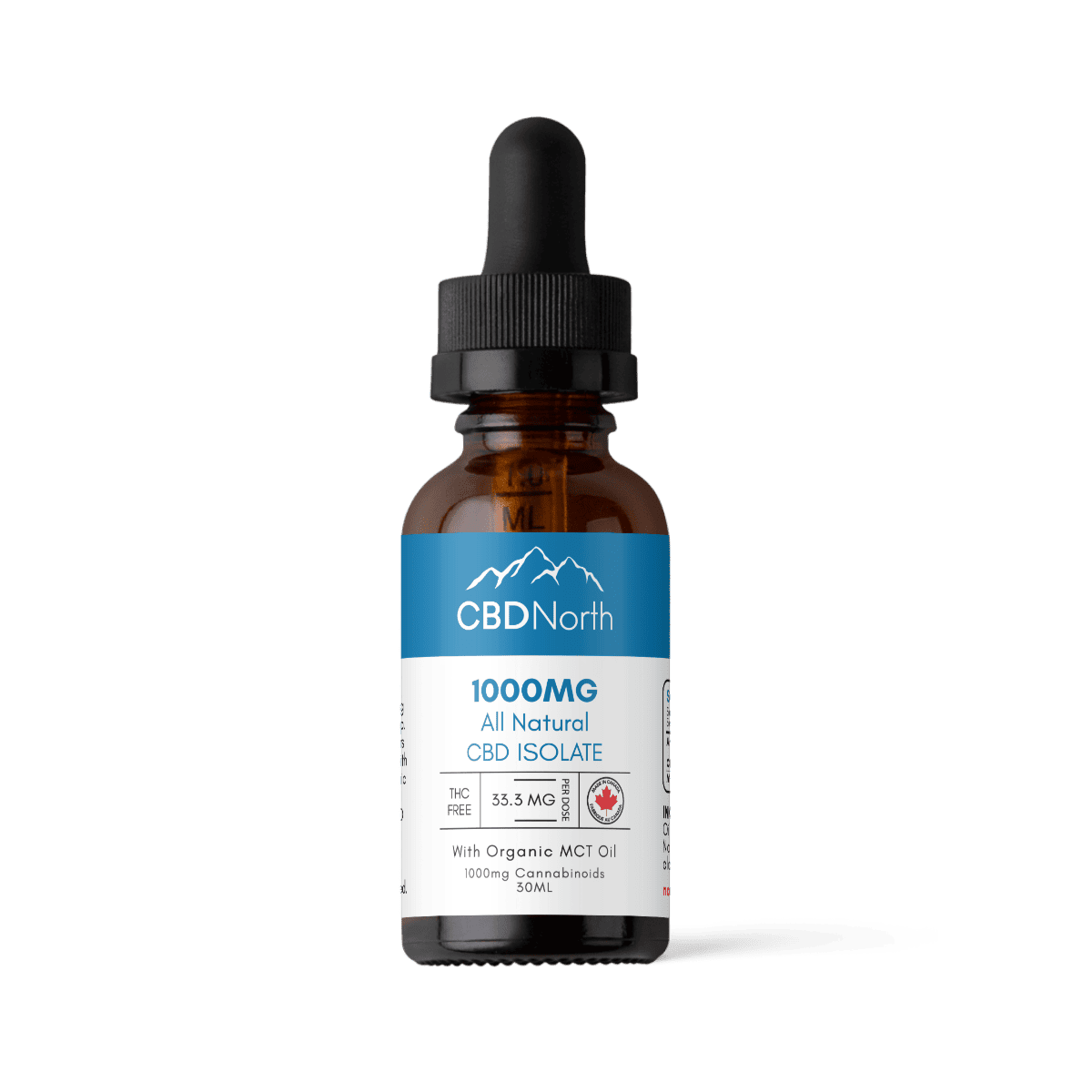
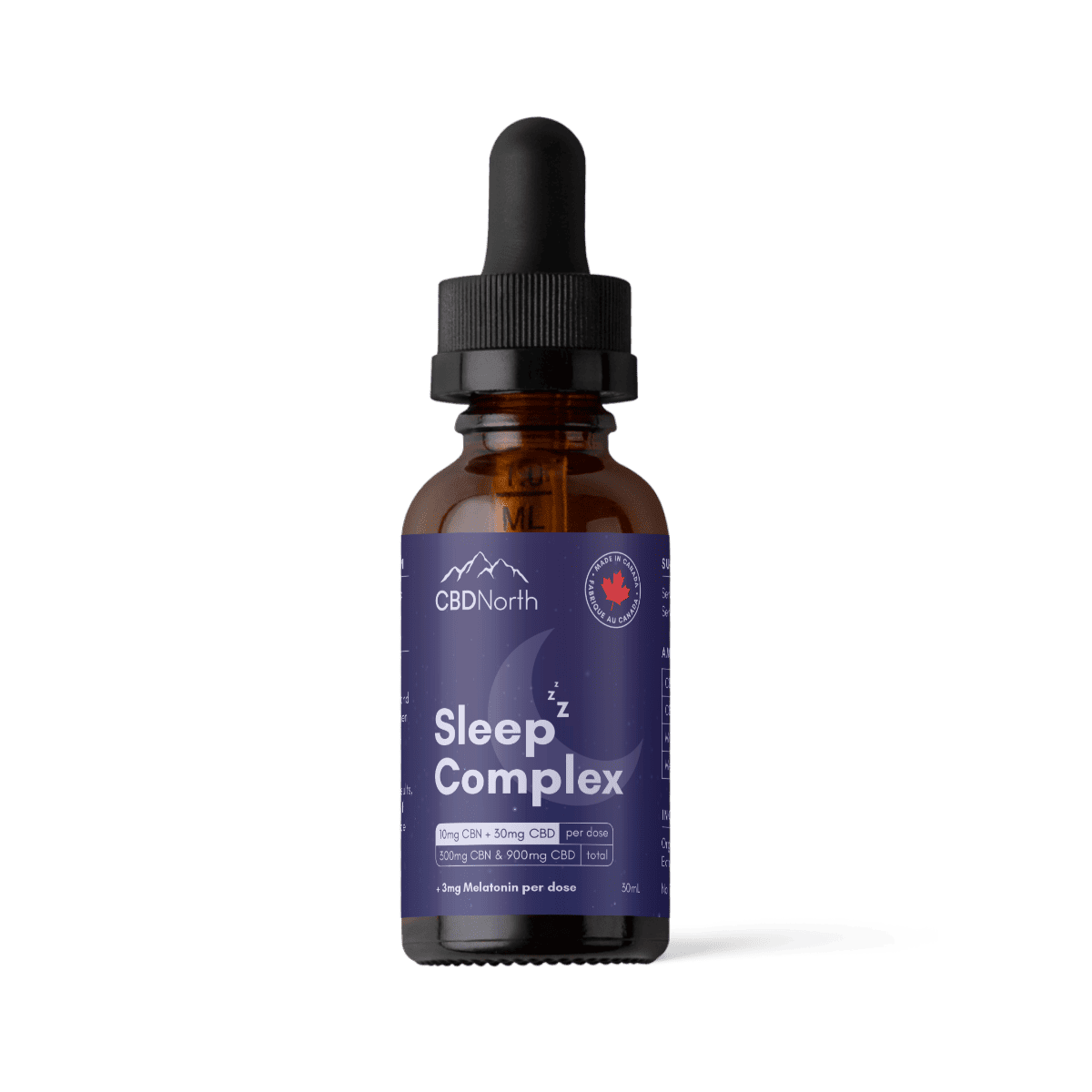
CBD Oil Collection
Which One Works Faster?
A tincture works faster than a capsule for most people. Sublingual absorption lets some CBD reach the bloodstream in about 15 to 45 minutes, while a swallowed capsule usually takes 45 minutes to 2 hours because it must pass through digestion first. If speed matters to you, the tincture has the clear edge.
This speed difference matters most for people who want flexibility in the moment. If you reach for CBD during a stressful afternoon, the faster onset of a tincture can feel more useful.
There is a trade off in the other direction, though. Capsules take longer to kick in, yet their effect tends to last longer and feel more gradual because the CBD releases slowly through digestion.
For sleep, this longer release can actually be an advantage. A capsule taken before bed may support a person through more of the night, a point we explore in our guide on how CBD affects sleep architecture.
So faster is not automatically better. The right answer depends on whether you want quick, flexible effect or a slower, steadier one.
Which One Is Easier to Dose?
Capsules are easier for exact dosing, while tinctures are better for flexible dosing. A capsule gives one fixed, pre measured amount every time with no thought required. A tincture lets you adjust the dose drop by drop, which suits people still finding their ideal amount.
The capsule advantage here is simplicity. You know precisely how many milligrams you take, with no measuring and no risk of an uneven dose.
This precision makes capsules ideal once you already know your effective dose. People who have settled into a steady routine often prefer the certainty a capsule gives.
Tinctures shine during the early experimentation phase. Because you control the amount drop by drop, fine tuning becomes easy when you follow the start low and go slow approach.
If you want to increase by a small amount, a tincture allows it. A capsule, by contrast, only comes in fixed increments, so adjusting means changing how many you take.
Many people actually use both at different stages. They start with a tincture to discover their ideal dose, then switch to capsules at that strength for daily convenience.
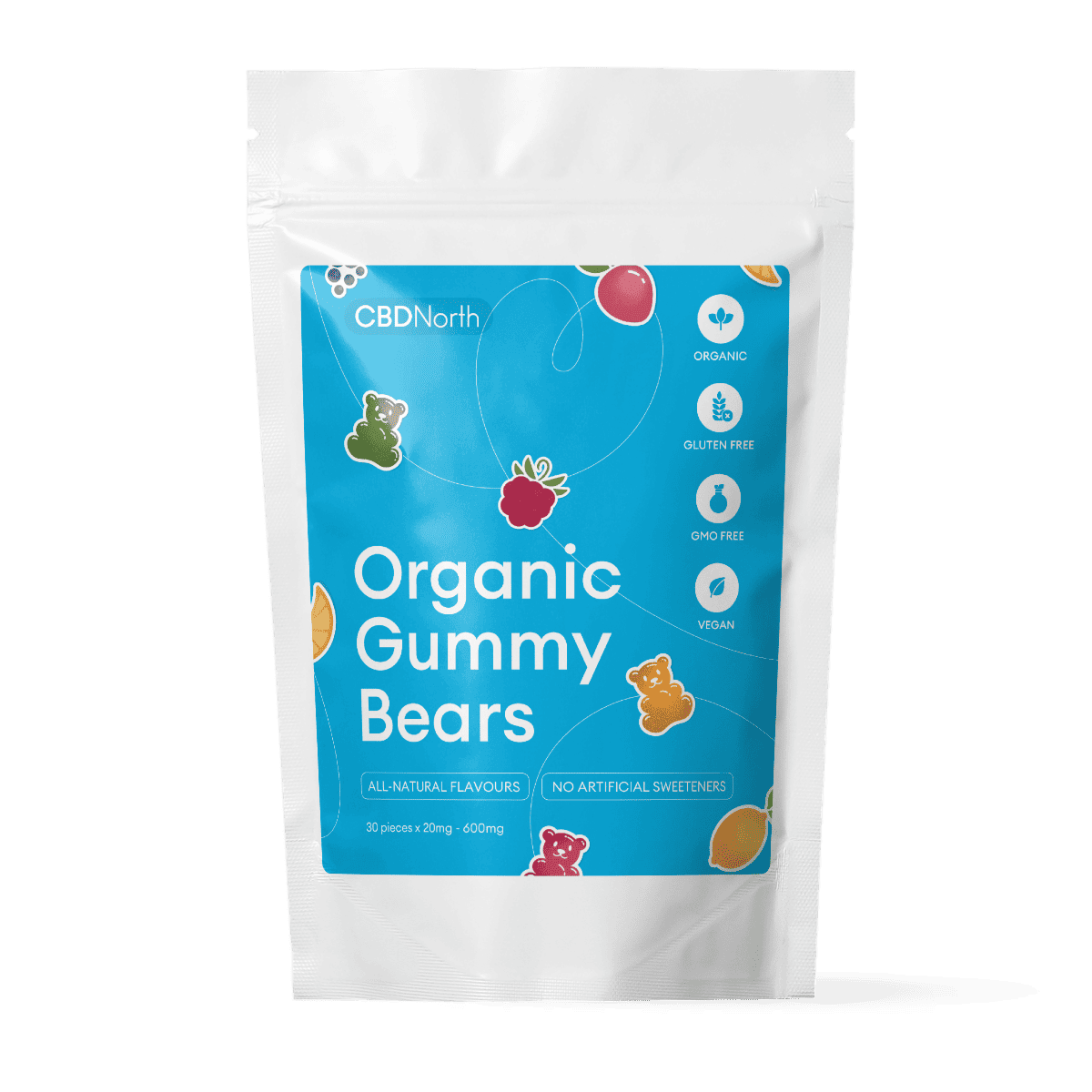
CBD Edibles Collection
How Do They Compare on Taste and Convenience?
Capsules win clearly on taste and portability, while tinctures involve a hemp flavour and a little more effort. A capsule has no taste and is easy to carry, whereas a tincture requires the dropper, the sublingual hold, and a natural earthy flavour some people dislike. For convenience, the capsule is the simpler option.
Taste is a real factor for many people. Full spectrum tinctures in particular carry an earthy, plant like flavour that not everyone enjoys, even though flavoured options exist.
Capsules sidestep taste entirely. You swallow the pill and notice nothing, which appeals to anyone sensitive to the flavour of hemp.
Convenience also favours capsules when you are out and about. A capsule fits neatly into a daily pill organiser and travels without any fuss.
Using a tincture in public can feel slightly awkward by comparison. Measuring drops and holding oil under your tongue is less discreet than quietly swallowing a capsule.
That said, tinctures have their own quiet ritual that some people genuinely enjoy. The few moments of holding the oil can become a calming part of a daily routine, as described in our organic CBD oil buying guide.
A Clear Side by Side Comparison
Here is how the two formats stack up across the attributes that matter most. Use this to weigh which strengths line up with your own priorities.
Tincture vs Capsule at a Glance
Both deliver CBD effectively. The right pick depends on which strengths matter most to you.
No single row makes one format the winner. Instead, the table shows that each excels in different areas, so your ideal choice reflects your own priorities.
Which One Should You Choose?
Choose a tincture if you want faster onset, flexible dosing, or you are still finding your ideal amount. Choose capsules if you want exact, consistent doses, no taste, and maximum convenience. Many people use a tincture first, then move to capsules once they know their dose.
A tincture tends to suit newcomers well. While you are still learning how your body responds, the ability to fine tune your dose is genuinely valuable.
Capsules tend to suit established users. Once you know your effective dose, a capsule removes all the measuring and gives you the same amount every single day.
Your goal can guide the choice too. For quick daytime flexibility a tincture fits, while for steady all day or overnight support a capsule often works better.
Lifestyle is the final factor. People who travel or want total discretion lean toward capsules, whereas those who enjoy a mindful daily ritual often prefer the tincture.
Choosing between formats is just one part of the wider picture, alongside choosing between product types like oils and topicals, which we cover in our comparison of CBD roller versus CBD cream.
Spectrum Choice Applies to Both Formats
Spectrum and format are two separate choices, and both tinctures and capsules come in all three spectrum types. You can pick your delivery method and your spectrum independently. Understanding the spectrum difference matters as much as the format itself.
Full spectrum products contain the full range of cannabinoids, terpenes, and trace THC up to Canada’s legal limit of 1 percent. Many users value the entourage effect this fuller profile may provide.
Broad spectrum removes THC while keeping other cannabinoids and terpenes. This suits people who want plant complexity yet need to avoid all THC.
Isolate is pure CBD only, giving the most predictable single compound experience. The difference between CBD and THC is something we explain further in our guide on CBD vs THC differences.
Always verify your product’s Certificate of Analysis to confirm actual cannabinoid content. Canada allows up to 1 percent THC in cannabis products, which is meaningfully different from the US federal threshold.
CBD Pain Relief Products
Who Should Be Cautious With Either Format?
This section is mandatory and we never skip it. Because both formats are ingestible, the same cautions apply equally to tinctures and capsules.
Pregnancy and breastfeeding: Health Canada advises against using any cannabis product during pregnancy or while breastfeeding. This applies to both tinctures and capsules.
Children and youth: CBD products are intended for adults aged 18 and older. Age minimums vary by province from 18 to 21. Neither format is appropriate for anyone under the legal age in their province.
People taking medications through the CYP450 pathway: Both formats are processed through the liver enzyme system that handles many common medications. This interaction is documented in peer reviewed research by Zendulka et al., 2016, Current Drug Metabolism.
If you take any prescription medication regularly, speak with your pharmacist before starting CBD in either form.
People with liver conditions: High dose CBD has shown liver enzyme changes in some clinical studies. Because both formats are processed by the liver, anyone with a liver condition should consult their doctor first.
People with swallowing difficulties: Capsules may not suit those who struggle to swallow pills. A tincture is the easier option in that case.
People with allergies to cannabis or hemp: If you have a confirmed allergy to cannabis or hemp, do not use CBD products in any form.
Scheduled surgery: Stop CBD at least two weeks before any planned surgical procedure due to possible effects on blood clotting and anaesthesia interactions.
Province by Province Access Snapshot
CBD access in Canada is governed federally by the Cannabis Act but provincial age minimums vary. In Alberta, adults aged 18 and over can legally purchase CBD products.
In British Columbia, Ontario, Manitoba, Saskatchewan, Nova Scotia, New Brunswick, Prince Edward Island, and the territories of Yukon, Northwest Territories, and Nunavut, the legal age is 19.
Newfoundland and Labrador sets the minimum at 20, while Quebec has the highest provincial minimum at 21. CBDNorth ships organic certified CBD products across all provinces and territories in Canada.
Last Verified: June 2026. Always confirm current rules at canada.ca/health-canada as provincial regulations can change.
What We Don’t Know Yet: Honest Research Gaps
The exact amount of CBD absorbed sublingually versus through digestion varies between people and is not precisely established. Bioavailability figures differ across studies.
How much CBD truly absorbs under the tongue, rather than simply being swallowed with saliva, is debated. The real sublingual fraction likely varies with how long you hold the oil.
Whether the longer duration of capsules translates into meaningfully better outcomes for sleep or all day support has not been directly compared in trials. Most guidance rests on how each format behaves rather than head to head studies.
Health Canada’s Natural Health Product pathway for CBD remains under active consultation as of 2026. The regulatory framework continues to evolve.
Common Questions We Get Asked at CBDNorth
These are some of the real questions Canadians bring to us when choosing between tinctures and capsules. We share them because the concerns behind them come up often. Individual circumstances vary, and these are general responses rather than medical advice.
“Which should I buy as a complete beginner?” For most beginners we suggest starting with a tincture. The adjustable dosing lets you find your ideal amount gradually, which is harder with a fixed capsule. Once you know what works, switching to capsules for convenience is easy if you prefer.
“I hate the taste of CBD oil. Are capsules my answer?” Yes, capsules are a great fit here. They have no taste at all, since you swallow them like a vitamin. This is one of the most common reasons people choose capsules over tinctures.
“Do capsules work less well because they are slower?” No, slower does not mean weaker. Capsules simply release CBD more gradually through digestion. The effect tends to last longer, which many people find useful for steady or overnight support.
“Can I take both a tincture and capsules together?” Yes, some people do, using a capsule for a steady daily base and a tincture for faster top ups. Just track your total daily milligrams across both so you stay within your intended amount.
“Is one more cost effective than the other?” We do not discuss specific pricing here, but value depends on how you use it. A tincture can be stretched to custom doses, while a capsule gives fixed convenience. Choose based on the experience you want rather than format alone.
CBDNorth Lab Note
Whichever format you choose, the quality inside matters more than the delivery method. A tincture or a capsule is only as good as the CBD it contains, and that is where lab testing becomes essential.
Every CBDNorth product is tested batch by batch at an ISO certified Canadian laboratory. The full panel results cover cannabinoid levels, pesticides, heavy metals, and residual solvents, all available openly on our lab reports page.
This testing confirms the exact CBD content, so your tincture dose or capsule strength is genuinely what the label says. Our hemp is USDA organic certified and extracted using supercritical CO2 with no harsh solvent residues.
If the cost of accessing quality lab tested CBD is a barrier for you, our Assistance Program is available for Canadians who qualify. Before adding any new wellness product to your routine, please speak with a qualified healthcare practitioner.
Frequently Asked Questions
Q: Which works faster, a CBD tincture or capsules?
A tincture works faster. Taken under the tongue, it allows some CBD to reach the bloodstream in about 15 to 45 minutes.
A capsule is swallowed and passes through digestion first, so it takes longer, around 45 minutes to 2 hours. However, the capsule’s effect tends to last longer and feel more gradual.
Q: Is a CBD tincture or capsule better for beginners?
A tincture is often better for beginners because the dosing is flexible. You can adjust the amount drop by drop while you find your ideal dose.
Once you know your effective amount, many people switch to capsules for the convenience of a fixed, pre measured dose. Both are valid starting points.
Q: Do CBD capsules work as well as tinctures?
Yes, capsules work just as well, they simply work differently. A capsule releases CBD more gradually through digestion, giving a slower onset but a longer lasting effect.
A tincture acts faster but for a shorter time. Neither is more effective overall, since each suits different needs and goals.
Q: What is the difference between oral and sublingual CBD?
Sublingual means held under the tongue, as with a tincture, where some CBD absorbs through the tissue into the bloodstream more directly. Oral means swallowed, as with a capsule, where the CBD goes through digestion and the liver first.
The sublingual route is faster, while the oral route is slower but longer lasting.
Q: Can I take a CBD tincture and capsules together?
Yes. Some people use a capsule for a steady daily base and a tincture for faster top ups when needed.
Just keep track of your total daily milligrams across both formats so you stay within your intended amount. Combining them is reasonable as long as the overall dose stays moderate.
Q: Does a CBD capsule have a taste?
No, capsules have no taste. You swallow them with water like any supplement, which avoids the earthy hemp flavour of a tincture.
This makes capsules a popular choice for anyone who dislikes the natural flavour of CBD oil held under the tongue.
Before starting any new wellness supplement, please speak with a qualified healthcare practitioner, especially if you take prescription medications or manage a health condition.
These statements have not been evaluated by Health Canada. CBDNorth products are not intended to diagnose, treat, cure, or prevent any disease or medical condition. This content is for educational purposes only and does not constitute medical advice. Please consult a qualified healthcare practitioner before use. Must be 18 and older to purchase; age requirements vary by province.