Because hemp is a bioaccumulator, meaning it draws substances up from the soil, including nutrients and contaminants. Clean soil, careful growing, and good harvesting all lead to a cleaner, higher quality extract. In short, the journey from seed to bottle starts in the field, which is why cultivation matters so much.
Most people think about CBD quality only at the bottle stage, yet the story really begins in the soil. Because the plant shapes everything that follows, understanding how hemp is grown helps you choose better products. This guide walks through the growing journey and explains why each step matters. This content is for educational purposes only and is not medical advice.
Key Takeaways
- How hemp is grown directly shapes the quality of the final CBD product.
- Hemp is a bioaccumulator, drawing substances up from the soil it grows in.
- Clean soil and organic practices reduce the risk of contaminants.
- Growing, harvesting, and extraction each affect the end result.
- Lab testing confirms whether good growing carried through to the bottle.
Why Does Hemp Growing Matter for CBD?
Hemp growing matters because the plant absorbs whatever is in its environment, so the quality of the soil and the care taken in cultivation flow directly into the CBD extract. A clean, well grown crop gives a clean starting material. Therefore, quality genuinely begins long before extraction.
Hemp is unusually absorbent from the ground up. It readily takes in nutrients, water, and unfortunately any contaminants present in the soil.
Because of this trait, the growing environment shapes everything. Clean soil supports a clean crop, whereas poor soil can introduce unwanted substances.
The extract can only be as good as the plant. Even the best extraction cannot fully remove problems that started in the field.
For this reason, quality CBD brands care deeply about sourcing. They start with well grown hemp because they know the field decides so much.
CBD Oil Collection
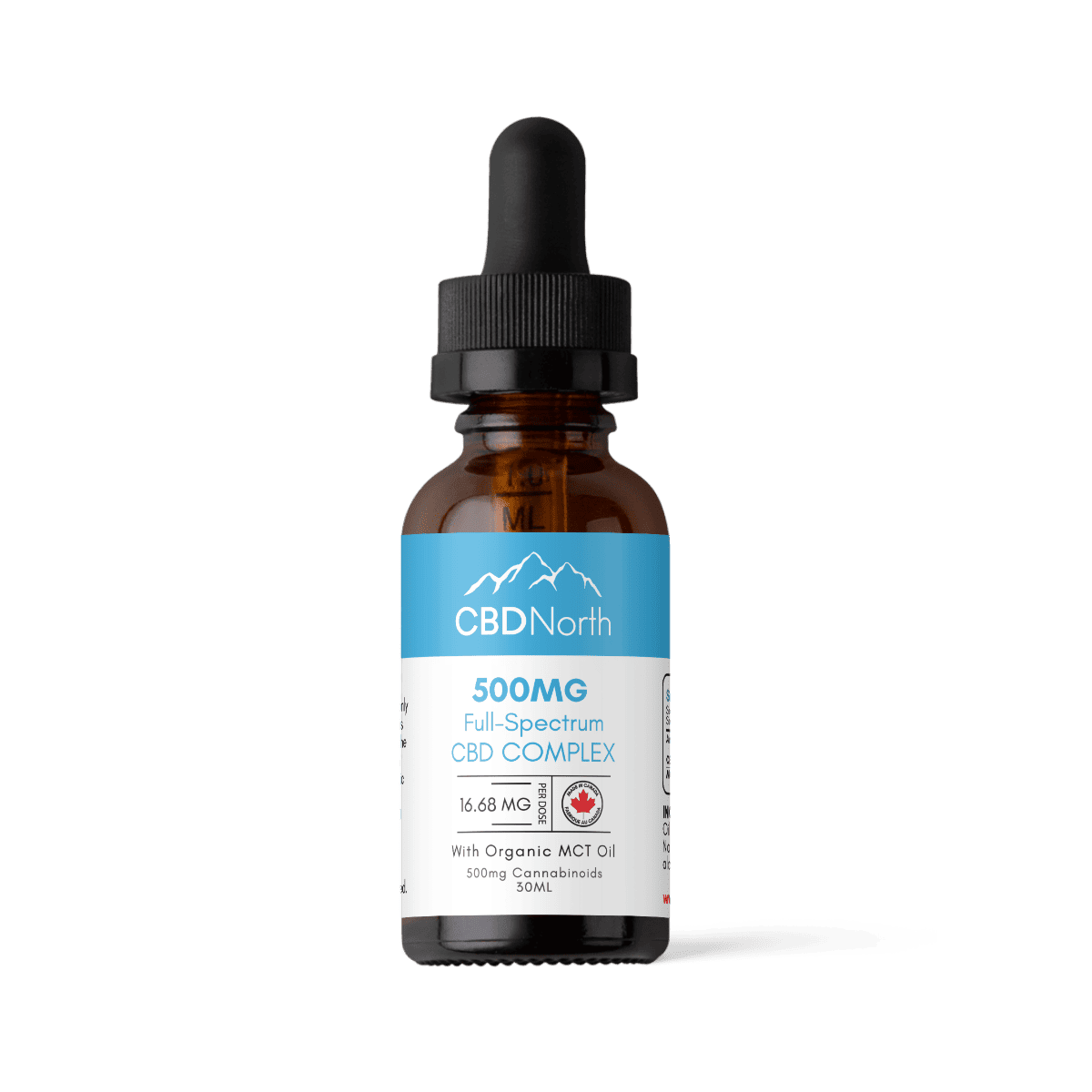
Price range: $42.24 through $149.49
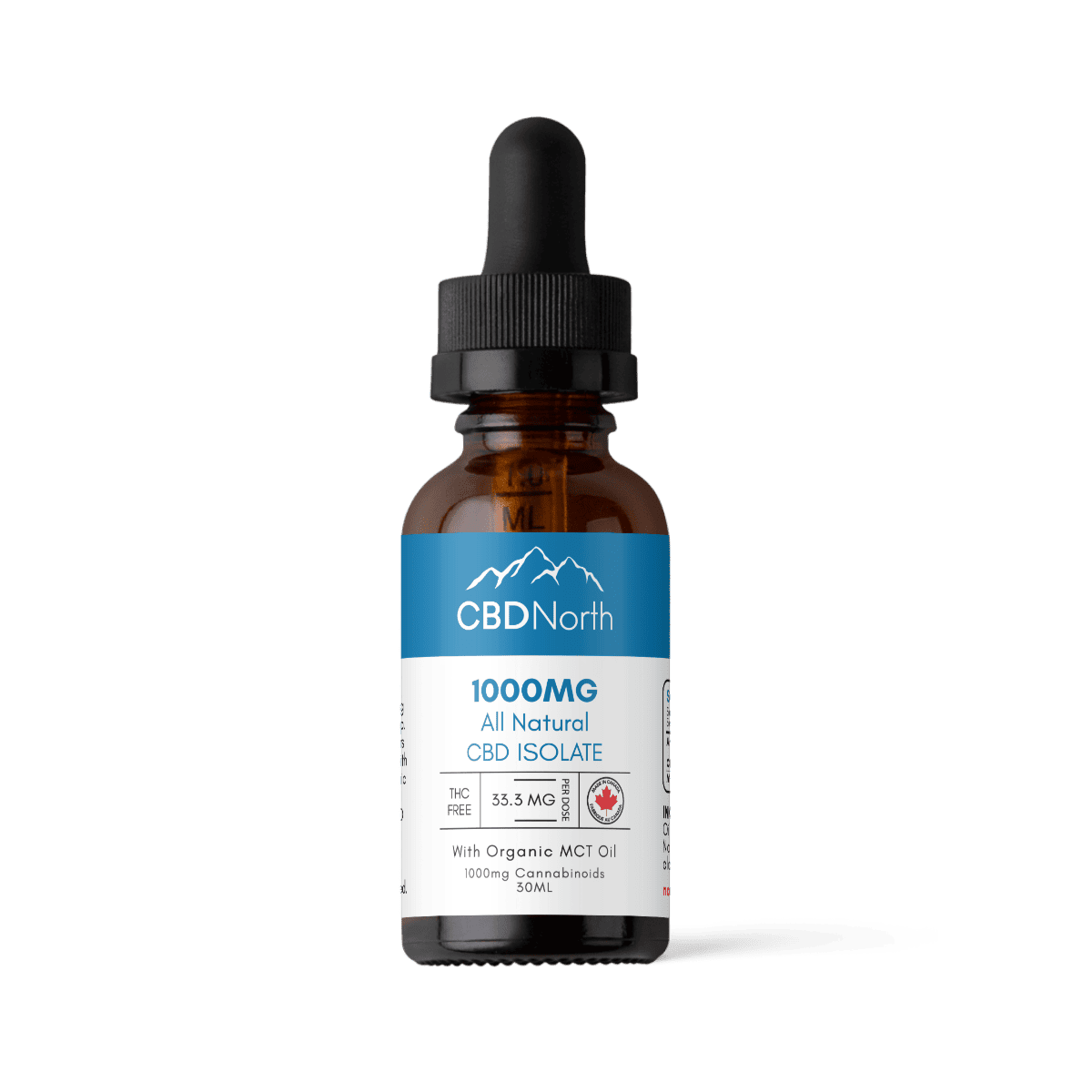
Price range: $42.24 through $136.49
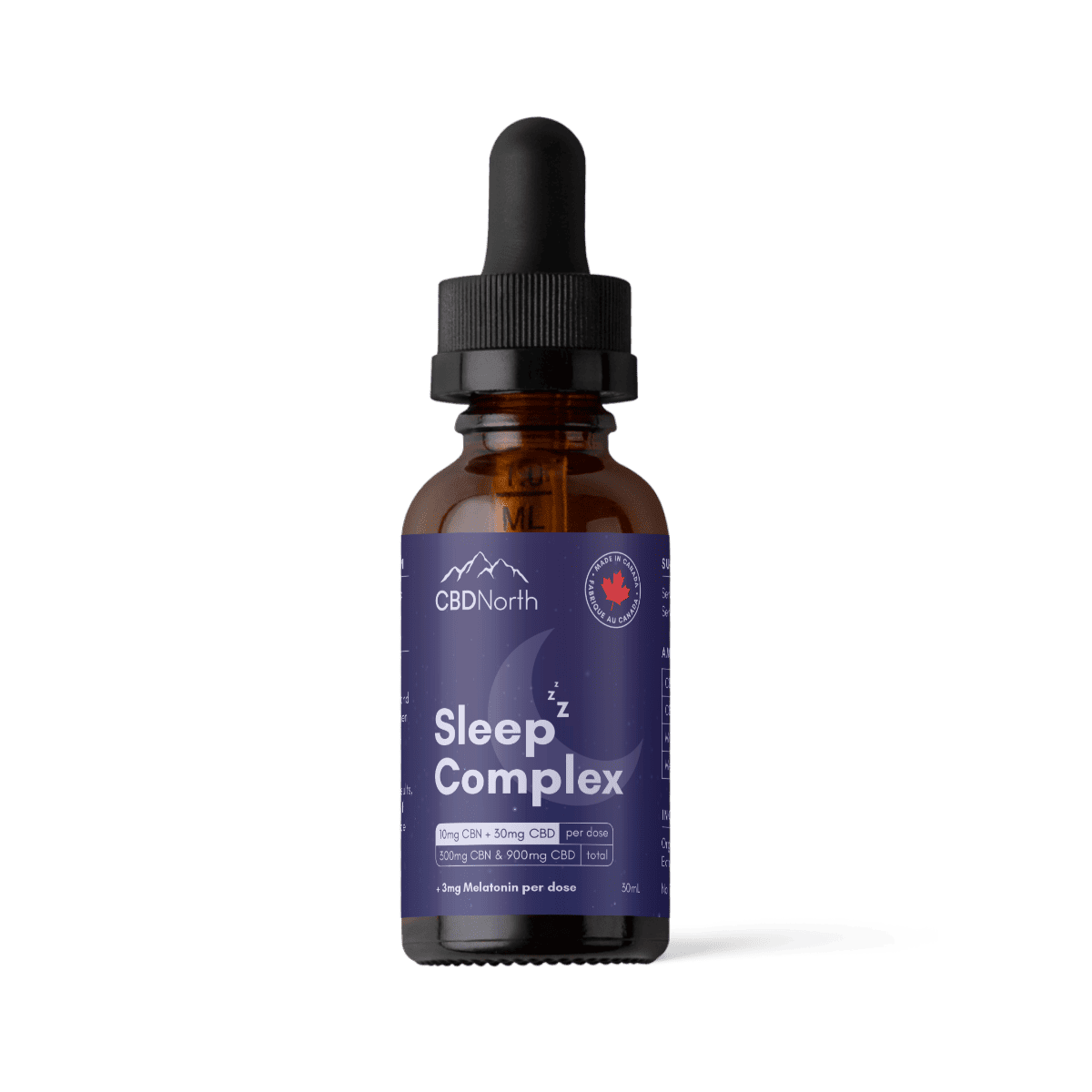
Price range: $74.74 through $129.99
The Hemp Growing Journey, Step by Step
Growing hemp for CBD moves through several stages: preparing the soil, planting, nurturing the crop, harvesting at the right time, and drying, before extraction even begins. Each stage influences the final quality. The journey below shows how a seed becomes the material for your CBD.
Every step builds on the one before. Because of this, a shortcut at any stage can affect everything that follows.
From Seed to Extract
The main stages of growing hemp for quality CBD
Growers choose clean, healthy soil, since the plant will absorb whatever it contains.
Quality seeds go into the ground, chosen for good cannabinoid content and hardiness.
Organic growing avoids synthetic pesticides and fertilisers while the plants mature.
Timing matters, since harvesting at the right moment captures the best cannabinoid profile.
Careful drying preserves the plant, preparing it for clean, effective extraction.
A simplified overview. Real cultivation involves many careful decisions at each stage.
After these stages comes extraction, where the CBD is drawn from the plant. Because the material arriving at extraction reflects all the earlier care, good growing pays off here.
Why Soil Is the Real Foundation
Soil is the real foundation of hemp quality because the plant is a phytoremediator, which means it actively pulls substances out of the ground, including heavy metals and pollutants. This makes hemp useful for cleaning contaminated land, yet risky if grown in poor soil. Consequently, soil quality sits at the heart of CBD quality.
Phytoremediation describes this natural cleaning ability. Hemp draws contaminants from the soil so effectively that it has even been planted to help restore polluted sites.
Why Soil Decides So Much
Hemp pulls substances from the ground, for better or worse
The plant absorbs healthy nutrients and water.
Fewer contaminants reach the crop.
The result is a cleaner starting material for CBD.
The plant can absorb heavy metals and pollutants.
Contaminants may carry into the extract.
This is why sourcing and testing both matter.
The same absorbing power that cleans soil makes clean soil essential for CBD hemp.
The lesson here is straightforward. Because hemp absorbs so readily, growers who start with clean soil give their crop the best possible foundation.
This connection also explains the need for testing. Since soil quality varies, pesticide and heavy metal testing on the final product, which we cover in our guide on third party CBD testing, confirms whether the growing stayed clean.
CBD Edibles Collection
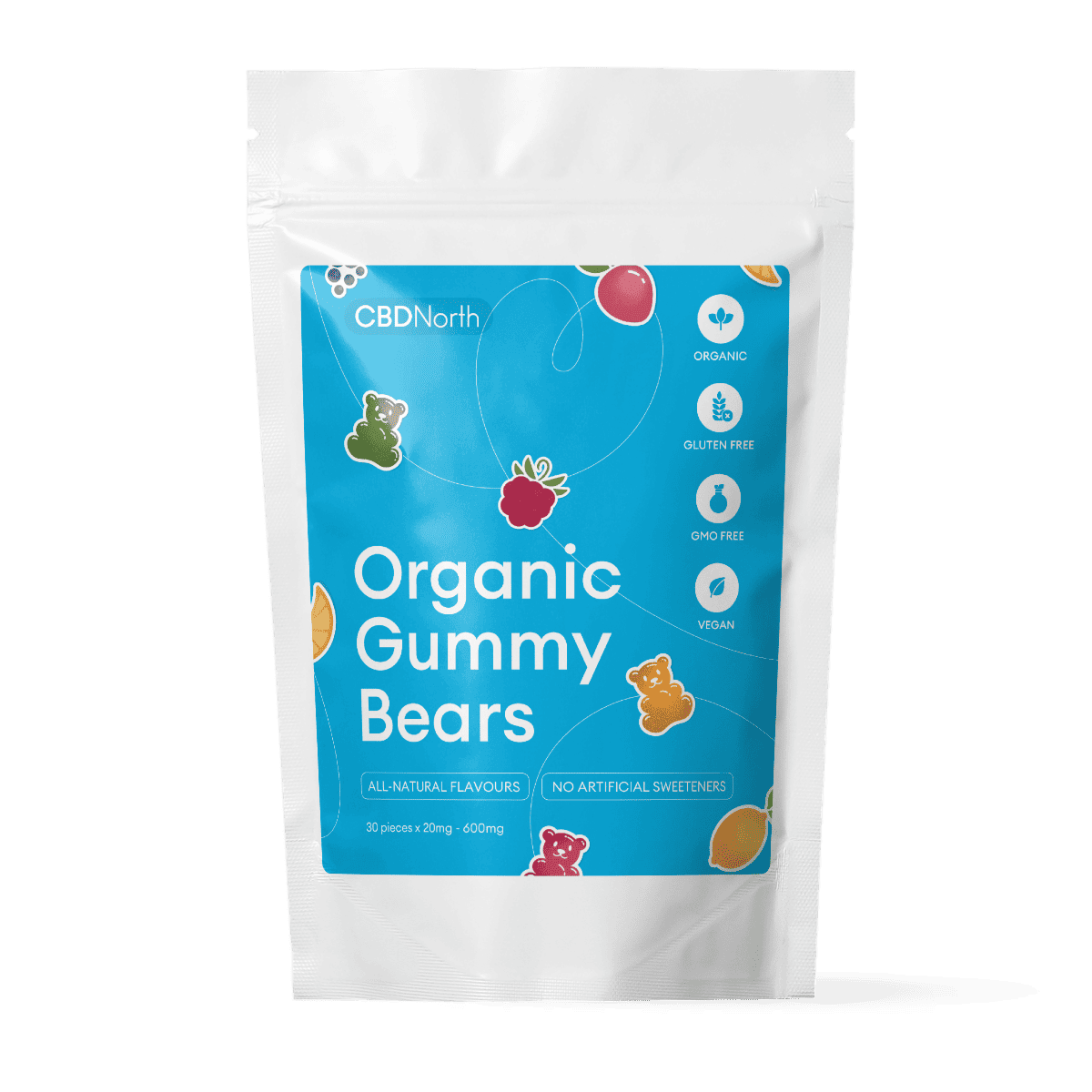
Price range: $19.49 through $35.74
Organic Versus Conventional Growing
The main difference between organic and conventional hemp growing is the use of synthetic inputs, with organic avoiding synthetic pesticides and fertilisers while conventional may use them. Organic growing reduces the risk of chemical residues from the start. However, testing still remains the ultimate check either way.
Organic methods work with nature rather than against it. Growers use natural approaches to manage pests and feed the soil.
Conventional growing, by contrast, may rely on synthetic chemicals. Because hemp absorbs so readily, those inputs raise the risk of residues in the crop.
Neither label alone tells the whole story, though. A conventional crop with strong lab results can still be clean, while any product benefits from verification.
The strongest approach combines both. Organic growing plus independent testing gives the most complete reassurance about what you are buying.
How Growing Affects the Final Product
Growing choices affect the final product in several ways, including its purity, its cannabinoid and terpene profile, and its overall consistency. A well grown crop supports a cleaner, more reliable CBD product. Ultimately, the care in the field shows up in the bottle you buy.
Purity comes first. Clean growing means fewer contaminants, which gives a safer, better extract.
The cannabinoid profile also depends on cultivation. Good growing and correct harvest timing help preserve the plant’s natural balance of compounds, which shapes the different product types we describe in our guide on CBD oil uses, types, and benefits.
Consistency matters just as much. Careful, repeatable growing helps each batch resemble the last, so your product stays reliable.
The plant’s yield connects here too. How much usable material a crop provides links to healthy growing, a topic we explore in our guide on how much CBD oil one plant can produce.
CBD Pain Relief Products
Price range: $29.40 through $73.49
How to Spot Well Grown CBD as a Buyer
As a buyer, you can spot well grown CBD by looking for organic certification, a recent Certificate of Analysis, and clear sourcing information from the brand. These signs point to careful growing behind the product. In practice, a few simple checks tell you a great deal.
Organic certification is a strong first signal. It shows the hemp was grown without synthetic pesticides or fertilisers, under verified standards.
A Certificate of Analysis confirms the outcome. Because it reports cannabinoid content and screens for contaminants, it shows whether good growing carried through.
Transparency about sourcing matters too. Brands that share where and how their hemp is grown tend to have nothing to hide.
A Note on Broader CBD Safety
This section is mandatory and we never skip it. While growing quality is about the product rather than personal health, the usual CBD cautions still apply to everyone who uses these products.
People taking medications through the CYP450 pathway: CBD affects the liver enzyme system that processes many medications. This interaction is documented by Zendulka et al., 2016, Current Drug Metabolism. Speak with your pharmacist before starting.
Pregnancy and breastfeeding: Health Canada advises against any cannabis product during pregnancy or while breastfeeding, however cleanly the hemp was grown.
Children and youth: CBD products suit adults aged 18 and older only. Age minimums vary by province from 18 to 21.
People with liver conditions: High dose CBD has shown liver enzyme changes in some studies. Consult your doctor before use if you have any liver condition.
People with allergies to cannabis or hemp: If you have a confirmed allergy to cannabis or hemp, do not use CBD products, even well grown organic ones.
Scheduled surgery: Stop CBD at least two weeks before any planned surgical procedure due to possible effects on blood clotting and anaesthesia interactions.
Province by Province Access Snapshot
CBD access in Canada is governed federally by the Cannabis Act but provincial age minimums vary. In Alberta, adults aged 18 and over can legally purchase CBD products.
In British Columbia, Ontario, Manitoba, Saskatchewan, Nova Scotia, New Brunswick, Prince Edward Island, and the territories of Yukon, Northwest Territories, and Nunavut, the legal age is 19.
Newfoundland and Labrador sets the minimum at 20, while Quebec has the highest provincial minimum at 21. CBDNorth ships organic certified CBD products across all provinces and territories in Canada.
Last Verified: July 2026. Always confirm current rules at canada.ca/health-canada as provincial regulations can change.
What We Don’t Know Yet: Honest Notes
The exact way each growing variable shapes the final cannabinoid profile is still being studied. Soil, climate, and genetics all interact in complex ways.
Furthermore, growing standards vary between regions and producers. This variation is precisely why final product testing matters alongside good cultivation.
The long term environmental role of hemp, including phytoremediation, continues to attract research interest. Scientists keep learning more about this remarkable plant.
Health Canada’s Natural Health Product pathway for CBD remains under active consultation as of 2026. The regulatory framework continues to evolve.
Common Questions We Get Asked at CBDNorth
These are some of the real questions Canadians bring to us about how hemp is grown. We share them because the curiosity behind them comes up often. Individual circumstances vary, and these are general responses rather than medical advice.
“Does where hemp is grown really affect my CBD?” Yes, it genuinely does. Because hemp absorbs substances from its soil, the growing environment flows into the final extract. Clean soil and careful growing give a cleaner product, whereas poor conditions can introduce contaminants. This is why sourcing matters so much.
“What is phytoremediation?” Phytoremediation is the natural ability of hemp to pull substances, including pollutants, out of the soil. It makes hemp useful for cleaning contaminated land. However, that same absorbing power means CBD hemp should be grown in clean soil to avoid unwanted substances in the crop.
“Is organic hemp always better?” Organic growing reduces the risk of synthetic pesticide and fertiliser residues from the start, which is a real advantage. It does not automatically make every non organic product unsafe, though. For that reason, pairing organic growing with lab testing gives the strongest reassurance.
“How can I tell if hemp was grown well?” Look for organic certification, a recent Certificate of Analysis, and clear sourcing information from the brand. Together these point to careful growing. In addition, brands that openly share how their hemp is grown usually have nothing to hide.
“Does harvest timing matter?” Yes, timing affects the cannabinoid profile of the plant. Harvesting at the right moment helps capture the best balance of compounds. Because of this, careful growers pay close attention to when they bring in the crop.
CBDNorth Lab Note
Everything we make starts with how the hemp is grown, because we know the field shapes the bottle. Good cultivation is the quiet foundation behind a quality product.
Our hemp is USDA organic certified and extracted using supercritical CO2 with no harsh solvent residues. Clean growing paired with clean extraction gives the finished product the best possible starting point.
We then confirm the result at every batch. Every CBDNorth product goes through batch by batch testing at an ISO certified Canadian laboratory, with full panel results covering cannabinoid levels, pesticides, heavy metals, and residual solvents, all available openly on our lab reports page.
If the cost of accessing quality lab tested CBD is a barrier for you, our Assistance Program is available for Canadians who qualify. Good growing and honest testing together are how we give you a product you can trust. Before starting any new wellness product, please speak with a qualified healthcare practitioner.
Frequently Asked Questions
Q: Does hemp farming method affect CBD quality?
Yes, the farming method directly affects CBD quality. Because hemp absorbs substances from its soil, clean soil and careful growing lead to a cleaner extract.
Every stage, from soil preparation to harvest and drying, influences the final product. Good growing gives extraction the best possible starting material.
Q: How is hemp grown for CBD?
Growing hemp for CBD moves through several stages: preparing clean soil, planting quality seeds, nurturing the crop without synthetic inputs, harvesting at the right time, and careful drying.
Only after these stages does extraction begin. Each step influences the purity and cannabinoid profile of the final product.
Q: Why does soil matter so much for hemp?
Soil matters because hemp is a phytoremediator, actively pulling substances from the ground, including heavy metals and pollutants. Clean soil gives a clean crop.
This same absorbing power makes hemp useful for cleaning polluted land. For CBD, though, it means growing in clean soil is essential.
Q: What is phytoremediation in hemp?
Phytoremediation is the natural ability of hemp to draw substances out of the soil, including contaminants. It makes hemp valuable for restoring polluted land.
However, that absorbing power means CBD hemp should grow in clean soil. Otherwise, contaminants could carry into the extract.
Q: Is organic hemp better than conventional?
Organic growing reduces the risk of synthetic pesticide and fertiliser residues from the start, which is a genuine advantage. It does not automatically make conventional products unsafe, though.
A conventional crop with strong lab results can still be clean. For that reason, organic growing plus independent testing offers the strongest reassurance.
Q: How can I tell if my CBD came from well grown hemp?
Look for organic certification, a recent Certificate of Analysis, and clear sourcing information from the brand. Together these signs point to careful growing.
In addition, brands that openly share how and where their hemp is grown usually have nothing to hide. Transparency is a good sign of quality.
Before starting any new wellness supplement, please speak with a qualified healthcare practitioner, especially if you take prescription medications or have a health condition.
These statements have not been evaluated by Health Canada. CBDNorth products are not intended to diagnose, treat, cure, or prevent any disease or medical condition. This content is for educational purposes only and does not constitute medical advice. Please consult a qualified healthcare practitioner before use. Must be 18 and older to purchase; age requirements vary by province.