Your immune system is one of the most complex networks in your body, and how it responds to what you eat, drink, and supplement matters more than most people realise. Many Canadians now ask whether CBD might support immune health, particularly during stressful seasons or after periods of illness. The honest answer is more nuanced than a simple yes.
CBD does not boost immunity in the way some marketing claims suggest. What it appears to do is something potentially more useful, and more interesting. This guide looks at what the early research actually says about CBD and immune modulation, and what Canadians need to think about before considering it. This content is for educational purposes only and is not medical advice.
Canadian Cannabinoid Honesty Scorecard
Evidence at a Glance
CBD may modulate inflammatory markers (Hammell et al., 2016, European Journal of Pain)
CBD interacts with CB2 receptors on immune cells (Nichols and Kaplan, 2020, Cannabis and Cannabinoid Research)
CBD may calm overactive immune responses (Burstein, 2015, Bioorganic and Medicinal Chemistry)
CBD as general wellness support during high stress periods
CBD boosts immunity or prevents illness (not supported by current human evidence as of 2025)
CBD replaces conventional immune treatments (not supported by clinical evidence)
How Does CBD Actually Interact With Your Immune System?
The first and most important thing to understand is that CBD is not a stimulant for your immune system. The popular phrase “boost your immunity” oversimplifies how immune health actually works. A healthy immune system is not the most active one. It is the most balanced one. An overactive immune response causes autoimmune flares, chronic inflammation, and allergic reactions. An underactive one leaves you vulnerable to infection. What you actually want is balance, and the word researchers use for this is immunomodulation.
Your immune system is closely linked to your endocannabinoid system. CB2 receptors, one of the two main receptor types in the endocannabinoid system, are found in unusually high concentrations on immune cells throughout the body. These receptors play a role in regulating inflammatory signalling and immune cell behaviour. A 2020 review in Cannabis and Cannabinoid Research by Nichols and Kaplan described CB2 receptor activity as a natural regulatory check on inflammation. When your immune system mounts a response, the endocannabinoid system helps make sure that response does not run unchecked.
CBD does not bind directly to CB2 receptors. Instead it works indirectly, slowing the breakdown of naturally produced endocannabinoids and influencing several other pathways including PPAR-gamma and adenosine signalling, both of which are relevant to immune function. A 2015 review in Bioorganic and Medicinal Chemistry by Burstein found that CBD demonstrated anti inflammatory and immune calming effects across multiple lab and animal models.
Importantly, this is calming, not boosting. CBD’s potential value for immune health is not in revving up the immune response but in helping it stay balanced. Full spectrum CBD keeps the full plant profile including terpenes and trace THC within Canada’s legal limits, which may offer broader immune support through the entourage effect. Understanding the differences between CBD and THC helps make sense of why these compounds interact with the immune system in different ways. Broad spectrum removes THC. Isolate is pure CBD only.
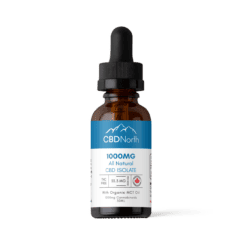
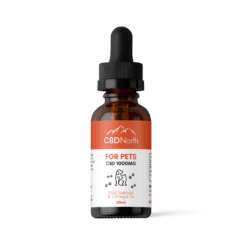
CBD Oil Collection
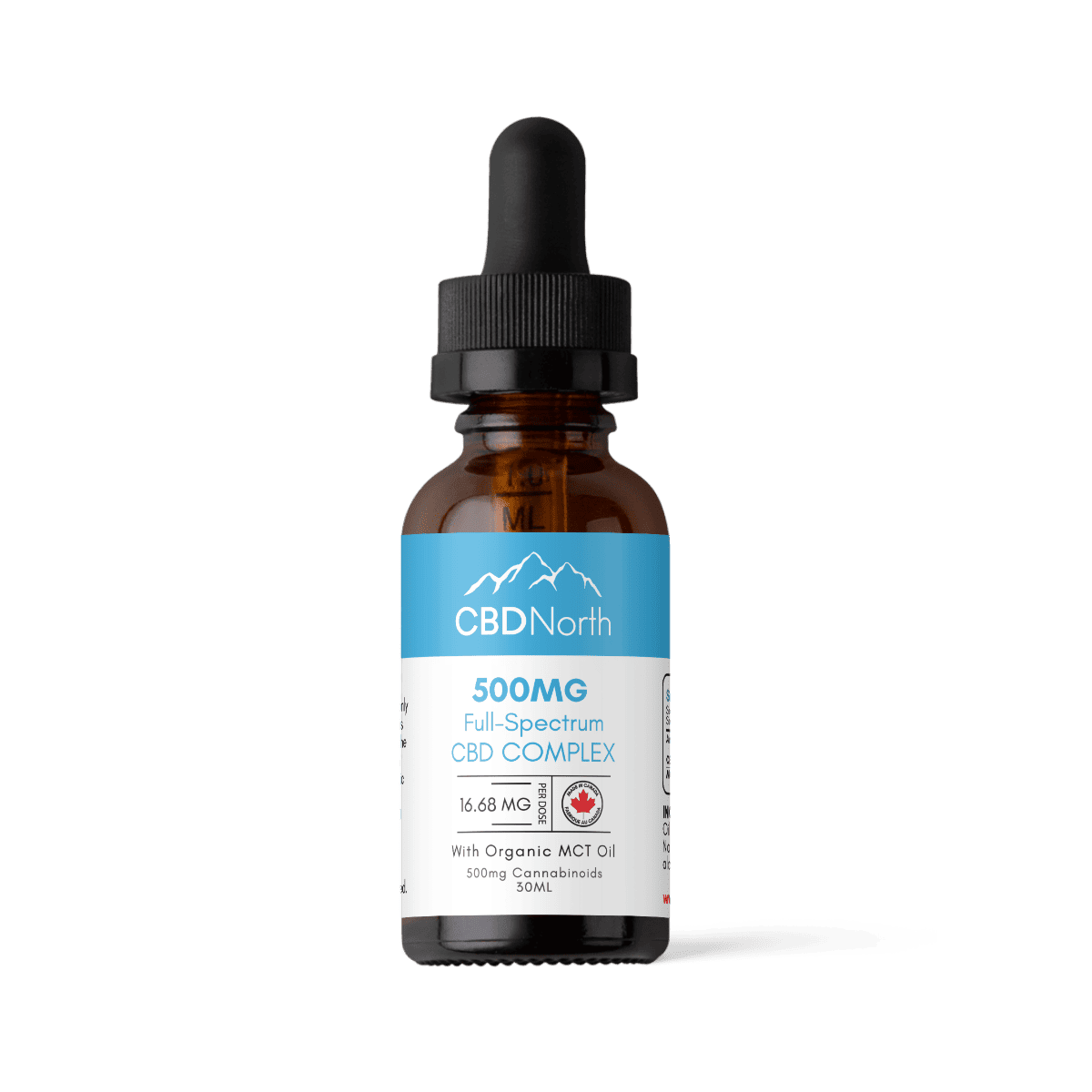
Price range: $42.24 through $149.49
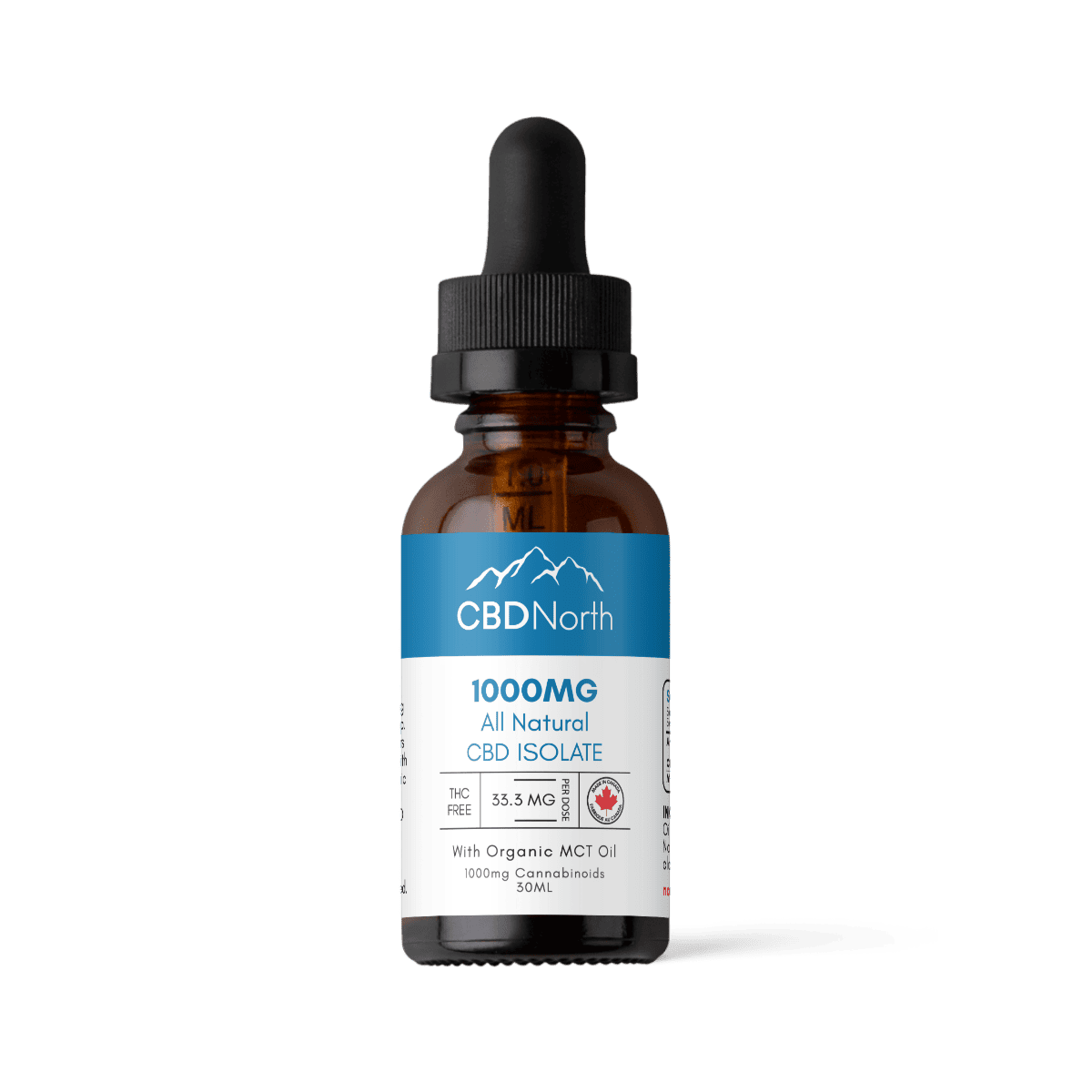
Price range: $42.24 through $136.49
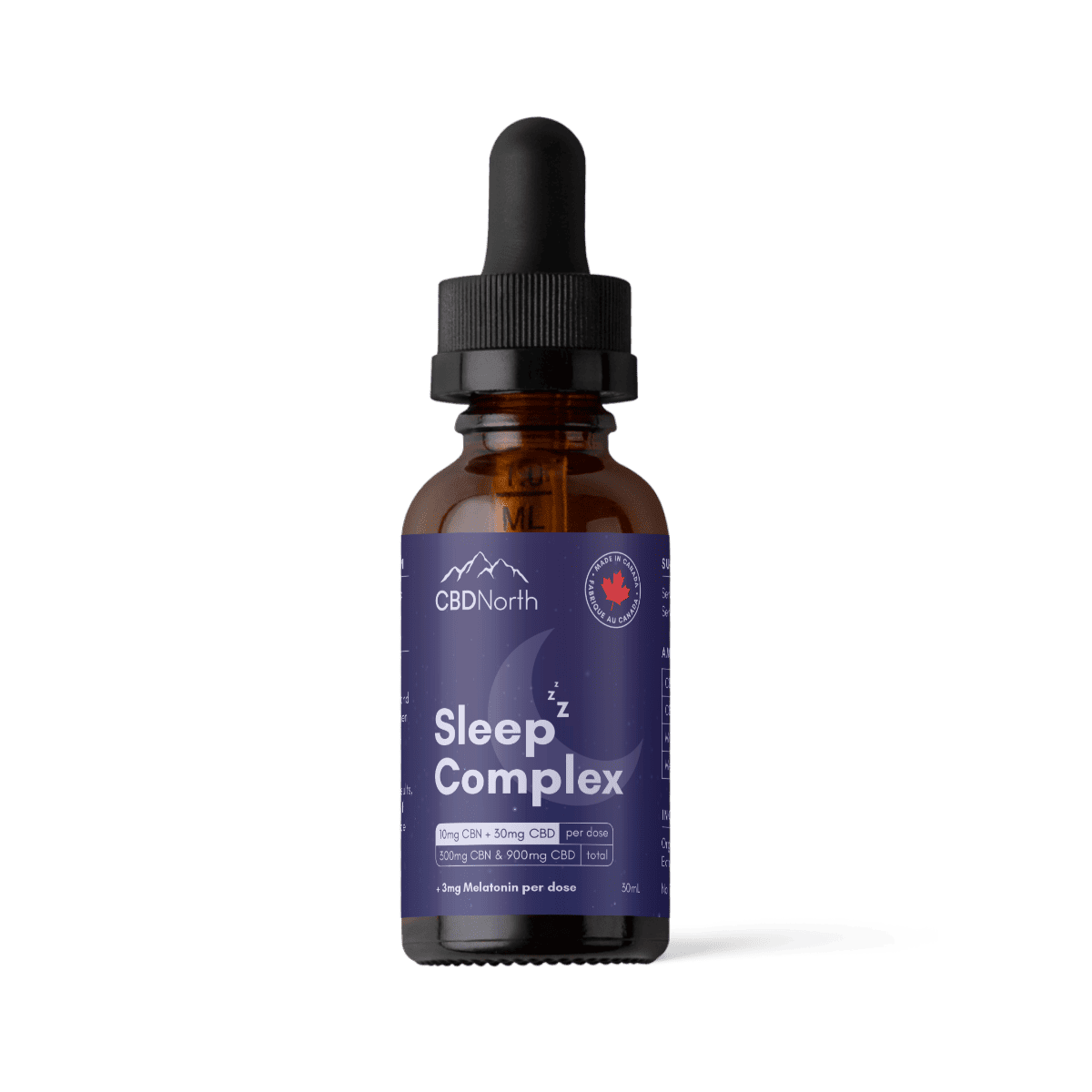
Price range: $74.74 through $129.99
What Does Immune Modulation Actually Mean for Daily Wellness?
The most useful way to think about CBD and immunity is not in terms of fighting infections directly. It is in terms of supporting the conditions that allow your immune system to function well. Three factors consistently affect immune balance in everyday life, and CBD’s research connects to all three.
Three Pillars of Immune Balance
Sleep Quality
Poor sleep suppresses immune cell function. CBD’s interaction with sleep pathways may indirectly support immune balance.
Stress Response
Chronic cortisol elevation directly suppresses immune function. CBD’s influence on HPA axis activity is biologically relevant.
Gut Health
Roughly 70% of immune cells reside in the gut. Supporting gut wellness directly supports immune function.
Sleep is foundational to immune function. Research consistently shows that poor sleep suppresses immune cell activity and increases inflammatory markers. CBD’s early evidence on sleep support gives a plausible indirect pathway to immune wellness, even though the direct connection has not been tested in a controlled immune trial. Stress is another major modulator. Chronic cortisol elevation suppresses immune cell function and shifts inflammatory balance in ways that compromise resilience. CBD’s research on the HPA axis stress response is biologically relevant here.
The third factor is gut health, and this one is particularly important. Roughly 70 percent of your immune cells reside in tissue associated with the gut. The gut wall is one of the most active immune surveillance sites in your body. Supporting gut health is, in a very real sense, supporting immune function. CBDNorth’s article on CBD and gut health covers that connection in depth. For Canadians whose immune concerns sit alongside specific gut conditions, the CBD for IBS guide goes deeper into that overlap.
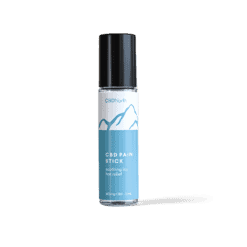
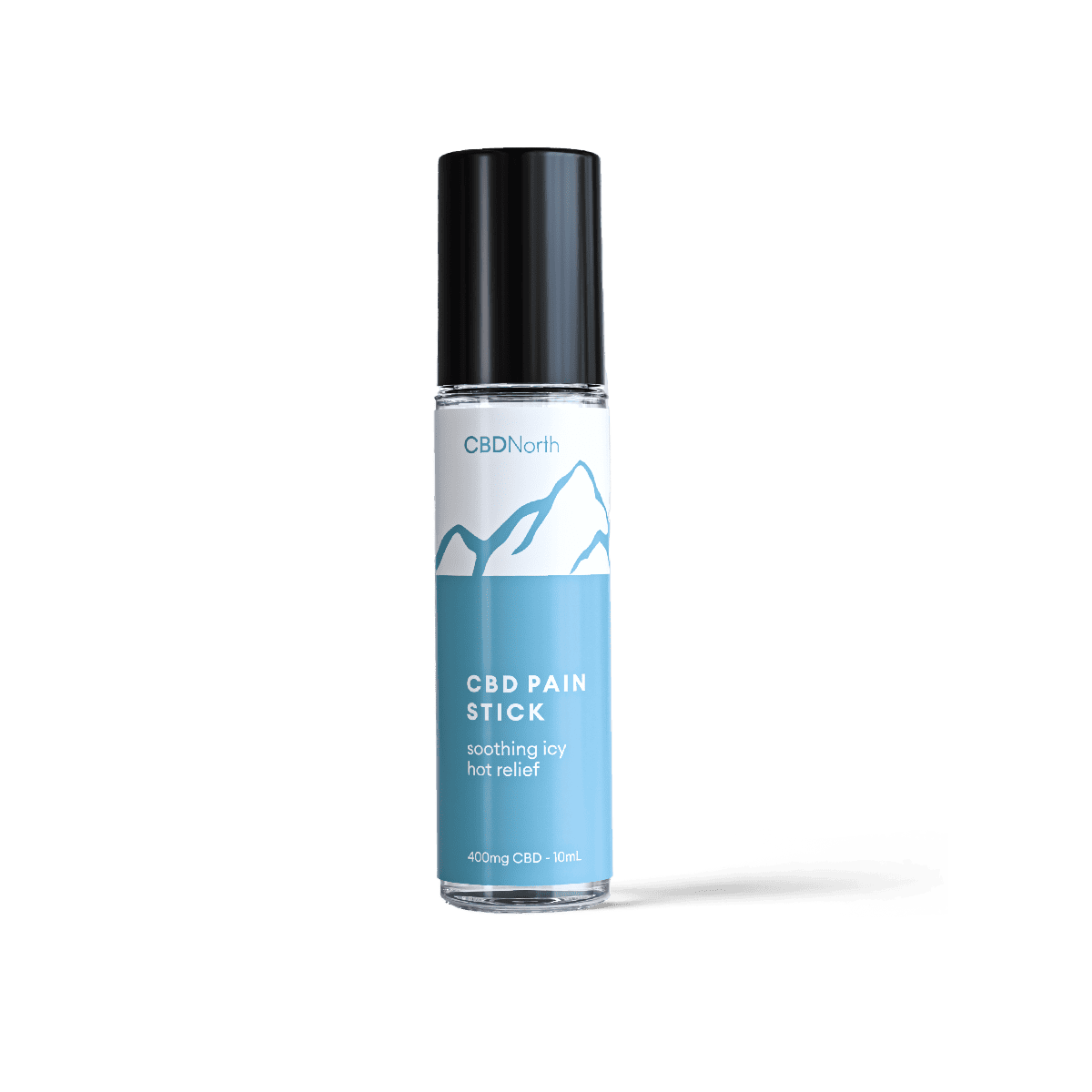
CBD Pain Relief Products
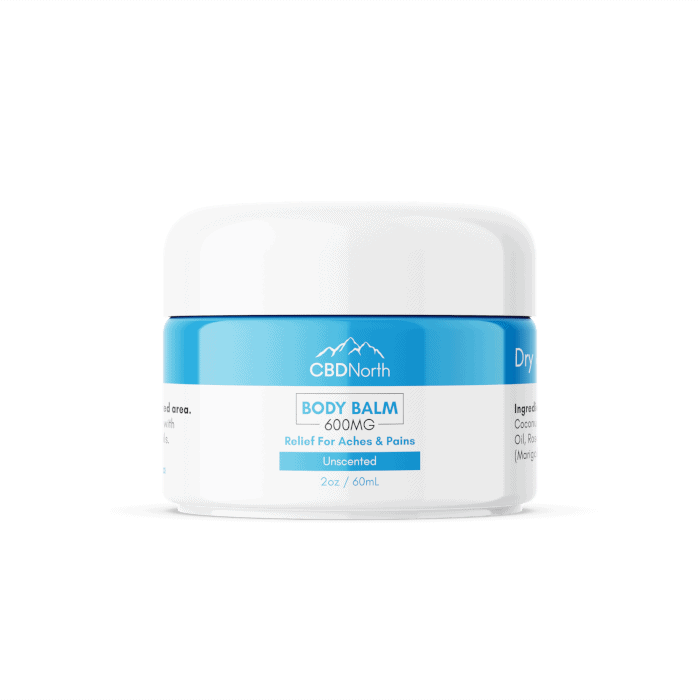
Price range: $29.40 through $73.49
Which CBD Format Makes the Most Sense for Immune Support?
Because immune support is rarely about fast acting symptom relief, format choice for this use case is mostly about what fits consistently into your daily routine.
CBD oil taken under the tongue absorbs faster, typically within 15 to 45 minutes for most users. For people using CBD as part of a long term wellness routine, oil offers the flexibility to fine tune your serving as you learn how your body responds. Many users find a small daily morning serving sustainable as part of an immune supporting routine alongside sleep, nutrition, and stress management.
CBD gummies and edibles absorb more slowly through the digestive tract, typically taking 45 minutes to two hours. For immune support, the slower onset is generally fine because you are not chasing rapid relief. The sustained release of gummies works well for consistent daily background support.
For guidance on serving sizes, CBDNorth’s CBD Dosage Chart gives a practical Canadian framed starting point. Most adults begin with 10 to 25 mg per day and adjust gradually over two to four week intervals.
Spectrum Choice for Immune Wellness
Choosing Your Spectrum
Full Spectrum
Contains: All cannabinoids, terpenes, flavonoids
THC: Up to 1% (Canadian limit)
Entourage Effect: Full plant synergy
Best for: Broadest immune and ECS support
Broad Spectrum
Contains: Multiple cannabinoids and terpenes
THC: Undetectable
Entourage Effect: Partial synergy
Best for: THC sensitive users
Isolate
Contains: Pure CBD only
THC: Zero
Entourage Effect: None
Best for: First time users
Canada allows up to 1% THC in cannabis products. Always verify your product’s Certificate of Analysis.
Onset and Duration Timeline: CBD for Immune Support Routine
Daily CBD Timeline
Oil: Early settling for some
Gummies: No effect typical
Oil: Onset for many
Gummies: Digestion underway
Oil: Peak effect for most
Gummies: Effects beginning
Oil: Effects sustained
Gummies: Full effects
Oil: Gradual tapering
Gummies: Continued support
Oil: Mostly faded
Gummies: Gradual fade
Individual responses vary. Body weight, sleep, and stress all influence timing.
Who Should NOT Use CBD for Immune Support?
This section is mandatory and we never skip it.
Pregnancy and breastfeeding: Health Canada advises against using any cannabis product during pregnancy or while breastfeeding. This applies to CBD regardless of THC content or format.
Children and youth: CBD products are intended for adults aged 18 and older. Age minimums vary by province from 18 to 21. These products are not appropriate for anyone under the legal age in their province.
People with autoimmune conditions on immunosuppressant medication: This is a particularly important caution. Autoimmune conditions like rheumatoid arthritis, lupus, multiple sclerosis, and inflammatory bowel disease are often managed with prescription biologics, immunosuppressants, or corticosteroids.
Because CBD also has immune modulating effects and is processed through the same liver enzyme system as many of these medications, combining them without medical supervision is not advisable. Speak with your specialist before adding CBD to any immune related medication routine.
People taking medications through the CYP450 pathway: CBD affects the liver enzyme system that processes many medications relevant to immune health, including corticosteroids and certain biologics. This interaction is documented in peer reviewed research by Zendulka et al., 2016, Current Drug Metabolism. If you take any prescription medication, speak with your pharmacist before adding CBD.
People preparing for or recovering from surgery: Some healthcare practitioners recommend stopping CBD at least two weeks before any planned surgical procedure due to possible effects on blood clotting and anaesthesia. Immune function after surgery is a sensitive period that should be managed under your surgical team’s guidance.
People with active infections: CBD’s potential immune calming effects are not what you want during an active bacterial or viral infection where your immune system needs to mount a robust response. If you are unwell, consult a healthcare provider rather than relying on supplements.
Liver conditions: High dose CBD has shown liver enzyme changes in some clinical studies. If you have an existing liver condition, consult your doctor before use.
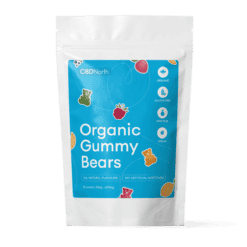
CBD Edibles Collection
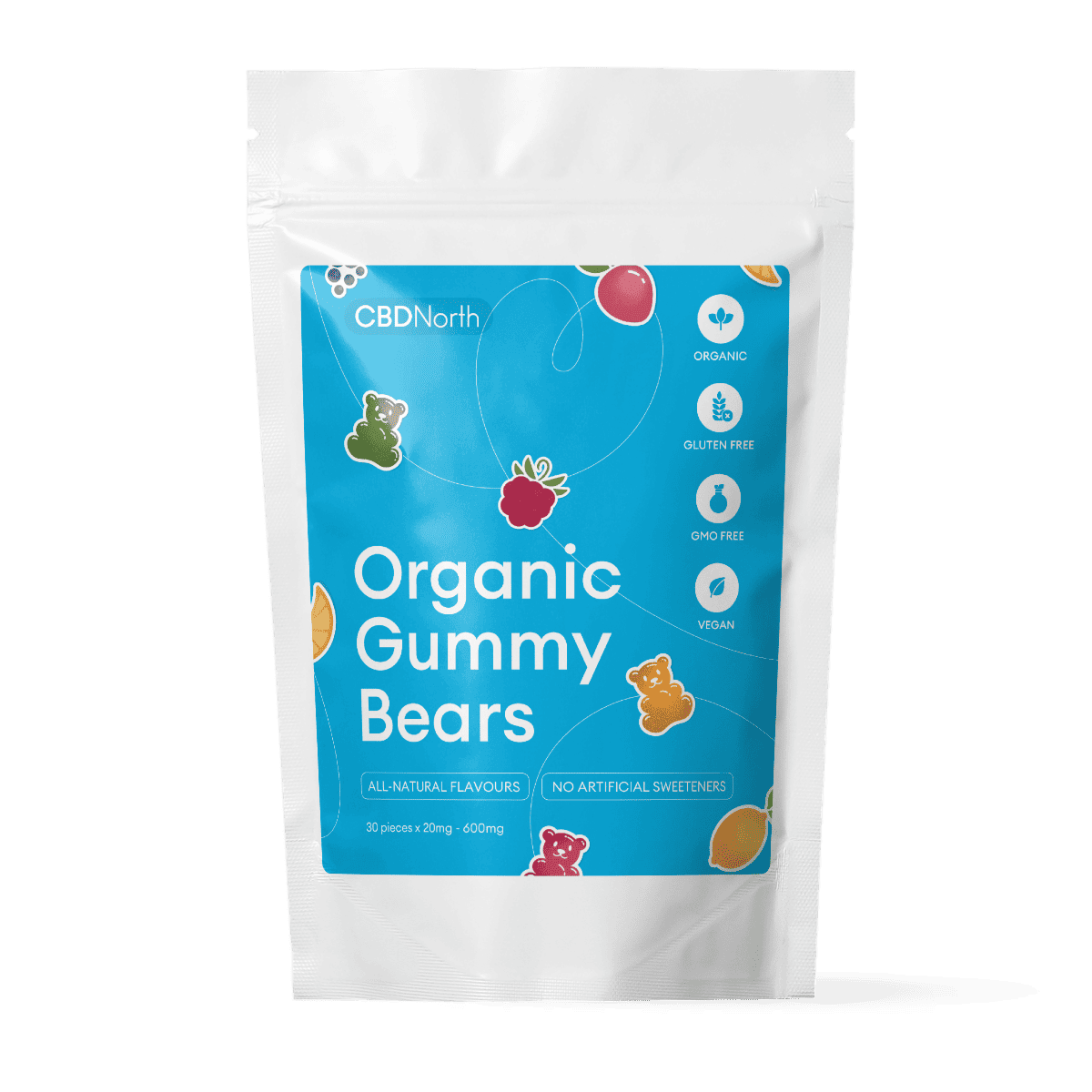
Price range: $19.49 through $35.74
What We Don’t Know Yet: Honest Research Gaps
Research Honesty Box
- No large scale human clinical trial as of 2025 has tested CBD’s effect on general immune function in healthy populations. Existing evidence comes from animal models, lab studies, and trials focused on autoimmune conditions rather than general wellness.
- The phrase “immune support” is regulatory grey territory in Canada. No CBD product can legally claim to boost or strengthen the immune system under the Cannabis Act. Marketing that suggests otherwise should be viewed with caution.
- Whether CBD’s immune effects help or hinder during active infection has not been tested in humans. Animal evidence suggests immune calming effects, which could be unhelpful when fighting an active pathogen.
- Health Canada’s Natural Health Product pathway for CBD remains under active consultation as of 2025. The regulatory framework continues to evolve.
- Long term safety data for daily CBD use spanning years rather than weeks does not yet exist in robust form for immune function specifically.
Province by Province Access Snapshot
Canadian Access Overview
Age 19 • Ships Yes
Age 18 • Ships Yes
Age 19 • Ships Yes
Age 21 • Ships Yes
Age 19 • Ships Yes
Age 19 • Ships Yes
Age 19 • Ships Yes
Age 19 • Ships Yes
Age 19 • Ships Yes
Age 20 • Ships Yes
Age 19 • Ships Yes
Last Verified: April 2026. Always confirm current rules at canada.ca/health-canada.
Real Canadian User Experience Log
The following logs are shared with full user consent. Individual results vary. These are personal experience reports and not medical outcomes.
Started 0.5 mL CBD oil (15 mg) sublingual each morning during a stressful work period. Felt less wound up by the end of the day; sleep felt slightly more restorative. No other routine changes.
Continued 0.5 mL morning oil. Noticed fewer afternoon energy crashes; recovered faster from a minor cold than usual, though cannot attribute that to CBD specifically.
Started 1 CBD gummy (25 mg) each evening during seasonal change. No strong immediate effect noticed; sleep felt slightly more settled.
Continued evening gummy use. Felt more resilient through usually difficult seasonal transition period; less reactive to typical stress triggers. Still using regular vitamin D supplement.
Used 0.75 mL CBD oil morning plus 1 gummy evening. Preferred combined approach for chronic low grade stress. Practitioner aware of routine; no medication interactions of concern.
CBDNorth Lab Note
For wellness routines built around immune support, what is in your bottle matters as much as what you take it for. Every CBDNorth product is tested batch by batch at an ISO certified Canadian laboratory, with full panel results covering cannabinoid levels, pesticides, heavy metals, and residual solvents all available openly on our lab reports page. Our hemp is USDA organic certified and extracted using supercritical CO2, with no harsh solvent residues. If the cost of building a daily wellness routine is a barrier for you, our Assistance Program is available for Canadians who qualify.
Before adding any new wellness product to your routine, especially if you manage an autoimmune condition or take immune related medications, please speak with a qualified healthcare practitioner.
Frequently Asked Questions
Q: Does CBD boost the immune system in Canada?
No, and that is actually the more honest answer. CBD does not boost the immune system in the way some marketing claims suggest. Early research indicates CBD interacts with CB2 receptors on immune cells in ways that may support immune balance, not stimulation. The technical term researchers use is immunomodulation. A balanced immune system is the goal, not the most aggressive one. CBD cannot legally be claimed to boost immunity under Canada’s Cannabis Act.
Q: Can CBD help during cold and flu season?
No human trial has tested whether CBD reduces the likelihood or severity of common infections. What some Canadians report is that CBD helps them sleep better and feel less stressed during demanding seasonal periods, both of which support immune function indirectly. However, if you are actively unwell with an infection, conventional medical advice and adequate rest matter far more than any supplement.
Q: Is CBD safe to take if I have an autoimmune condition?
This is a question for your specialist, not a generic guide. CBD has immune modulating effects and is processed through the same liver enzyme system as many autoimmune medications, including biologics and immunosuppressants. Speak with the doctor who manages your autoimmune condition before adding CBD to any treatment routine. Do not adjust prescribed medication based on supplement use.
Q: How long does it take for CBD to support immune health?
Immune support is a long term wellness goal, not a fast acting effect. Most users take CBD consistently for weeks or months as part of a broader routine that includes sleep, nutrition, and stress management. There is no specific timeline for “immune effects” because no human trial has measured immune outcomes from everyday CBD use in healthy populations.
Q: What dose of CBD should I take for immune wellness?
There is no established dose for immune support. Most Canadian adults start with 10 to 25 mg per day and adjust gradually over two to four week intervals. CBDNorth’s CBD Dosage Chart gives a practical Canadian framed starting framework. The goal is consistency rather than high doses.
Q: Is gut health connected to immune health when using CBD?
Yes, significantly. Roughly 70 percent of immune cells reside in tissue associated with the gut, making gut wellness a foundational element of immune function. CBD’s potential gut benefits and its potential immune benefits are closely linked through this shared biology. Readers interested in this overlap will find more detail in CBDNorth’s broader gut wellness content.
Before starting any new wellness supplement, please speak with a qualified healthcare practitioner, especially if you manage an autoimmune condition, take immune related medications, or have a chronic health condition.
These statements have not been evaluated by Health Canada. CBDNorth products are not intended to diagnose, treat, cure, or prevent any disease or medical condition. This content is for educational purposes only and does not constitute medical advice. Please consult a qualified healthcare practitioner before use. Must be 18 and older to purchase; age requirements vary by province.