Nano CBD, often called water soluble CBD, is regular CBD broken into tiny particles through a process called nanoemulsion, which may help the body absorb more of it. In theory, this means better bioavailability, so a smaller amount could go further. The science is promising but still developing, so nano CBD is worth understanding rather than treating as automatically better.
Nano CBD has become a popular buzzword, and many products now claim to be water soluble or nano enhanced. It is fair to ask what this really means and whether it is worth choosing. This guide explains what nano CBD is, how it works, and what the evidence honestly shows. This content is for educational purposes only and is not medical advice.
Key Takeaways
- Nano CBD is regular CBD broken into tiny particles through nanoemulsion.
- It is often called water soluble CBD because it mixes more easily with water.
- The main claim is better bioavailability, meaning the body may absorb more.
- The science is promising but still developing, so claims deserve a careful eye.
- Quality and lab testing matter just as much as the nano label.
What Is Nano CBD?
Nano CBD is CBD that has been broken down into extremely small particles, often through a process called nanoemulsion, so it disperses easily in water. Because of this, people also call it water soluble CBD. The goal behind it is simple: help the body absorb more of the CBD you take.
Regular CBD is oil based, and oil does not mix well with water. Since our bodies are largely water, this creates a natural absorption challenge.
Nanoemulsion tackles this problem directly. By shrinking CBD into tiny droplets and dispersing them, the process helps the CBD blend with water based environments.
The term water soluble is not perfectly literal, however. Strictly speaking, nano CBD is finely dispersed rather than truly dissolved, though the practical effect is similar.
In short, nano CBD is the same cannabinoid in a different physical form. The CBD itself does not change, but how easily the body can use it might.
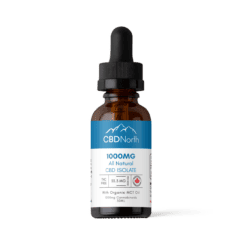
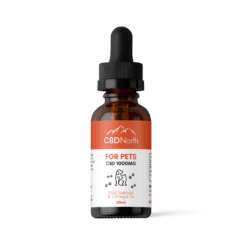
CBD Oil Collection
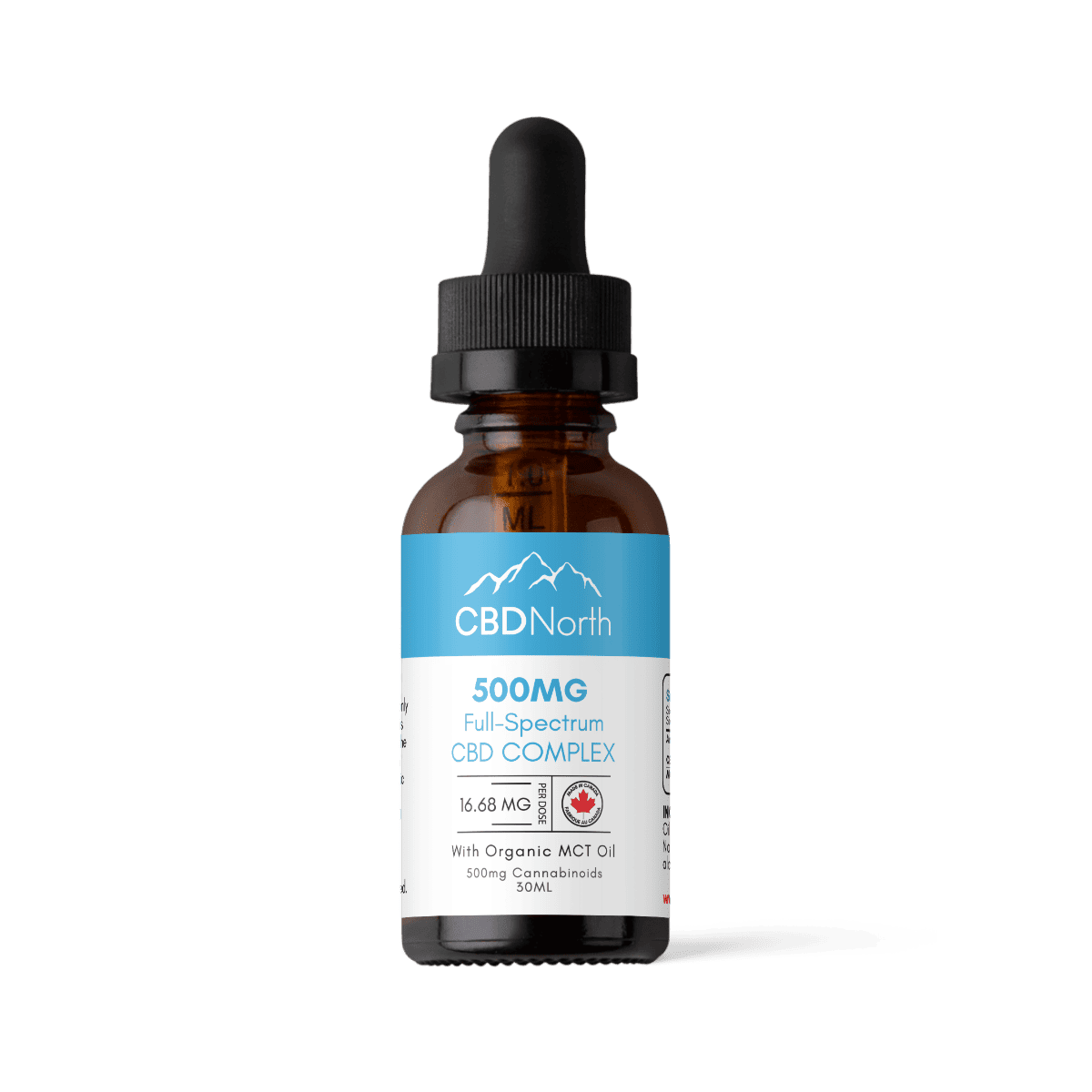
Price range: $42.24 through $149.49
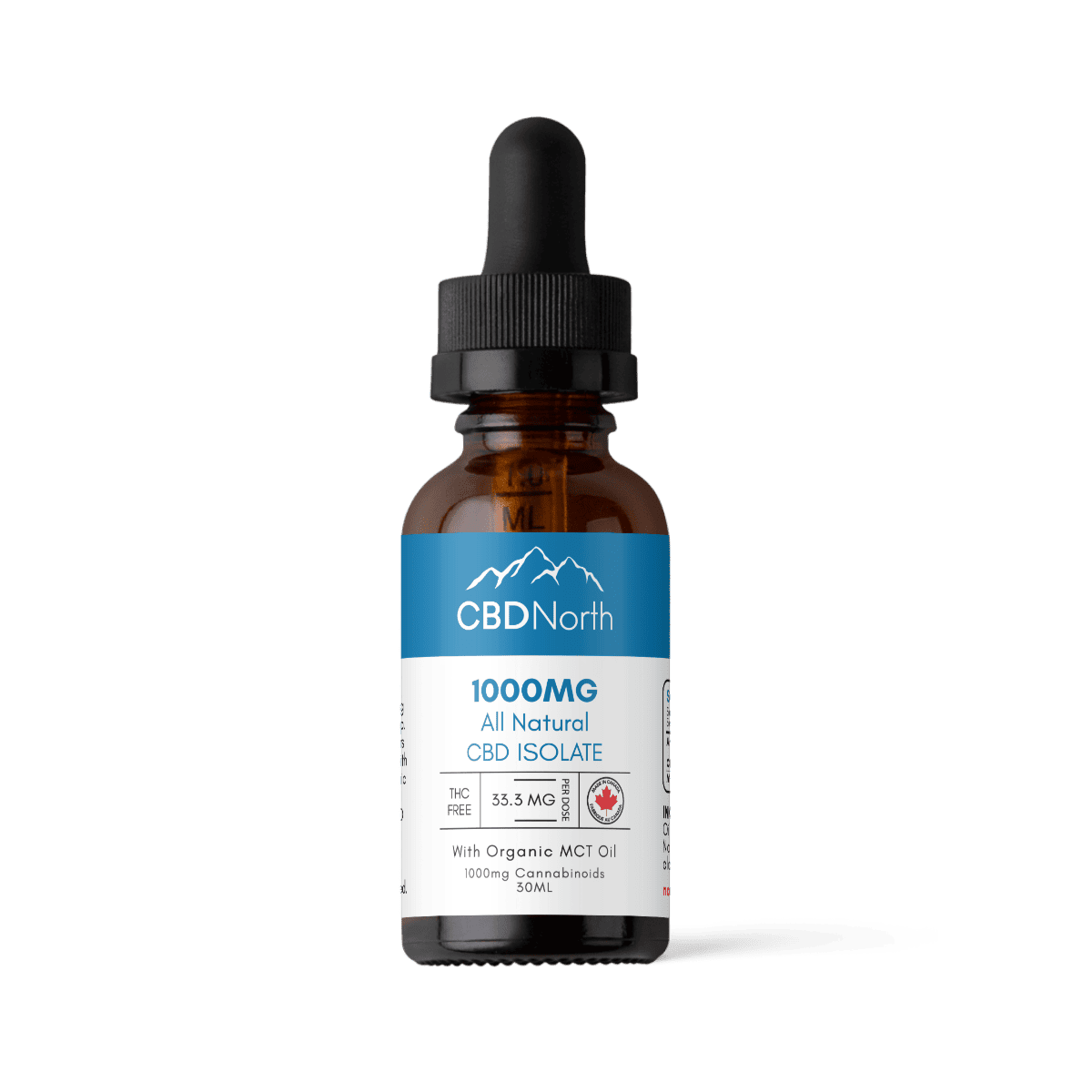
Price range: $42.24 through $136.49
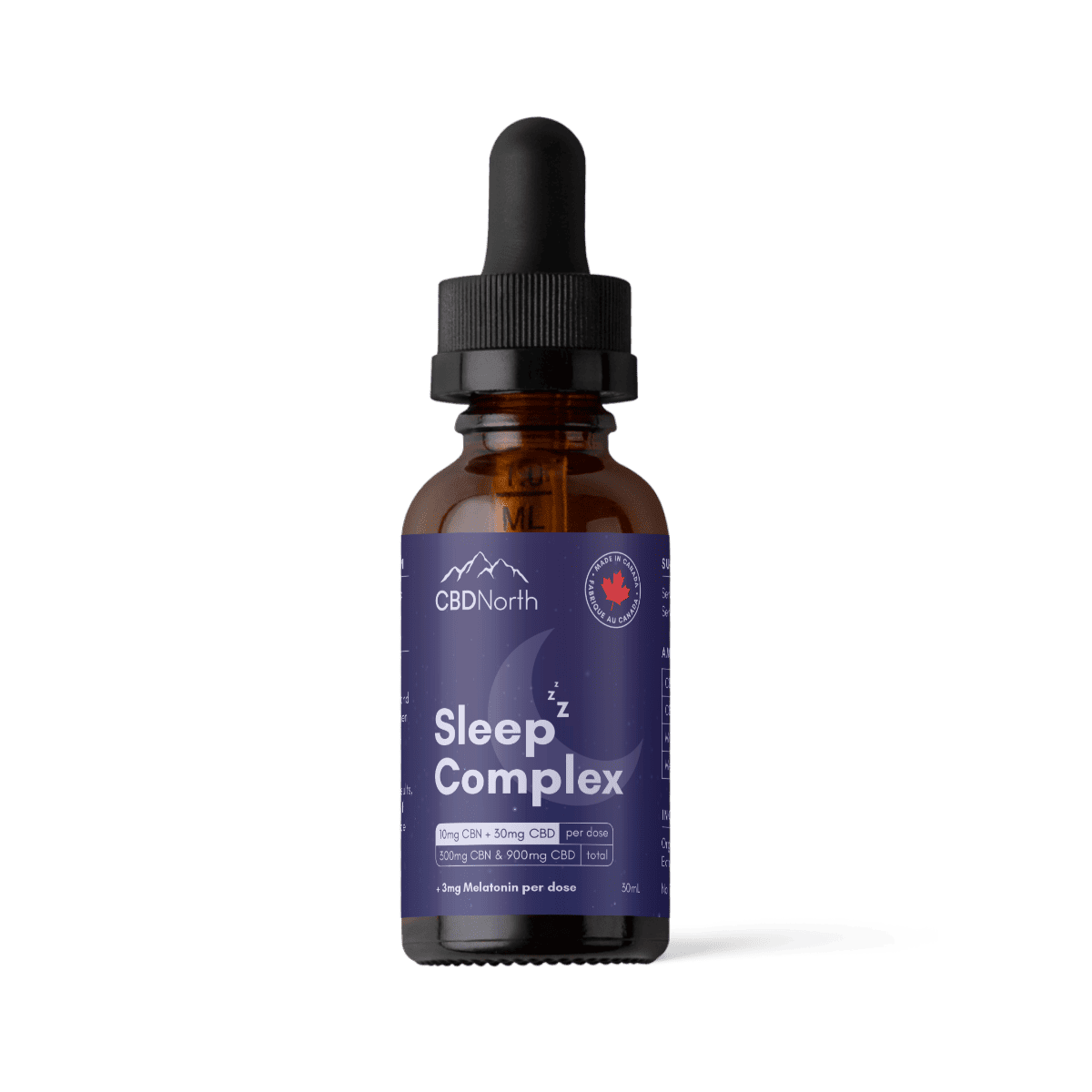
Price range: $74.74 through $129.99
How Is Nano CBD Made?
Nano CBD is made through nanoemulsion, a process that uses energy, such as high frequency sound waves, to break CBD oil into microscopic droplets. These tiny droplets stay evenly dispersed in liquid. As a result, the CBD becomes easier for the body to take up.
The process starts with regular CBD extract. Manufacturers then apply energy to break the oil into extremely small particles.
Stabilisers usually help hold the mixture together. Because tiny droplets naturally want to recombine, these ingredients keep them evenly spread.
Why Particle Size Affects Absorption
Smaller particles can be easier for the body to take up
A simplified model. Real absorption depends on many factors beyond particle size alone.
This size reduction is the whole point of nano CBD. Because smaller particles can pass more readily into the body, the theory is that less CBD gets wasted.
The Bioavailability Question
Bioavailability means how much of the CBD you take actually reaches your bloodstream and can be used, and this is where nano CBD makes its main promise. Regular CBD has relatively low bioavailability when swallowed, so nano forms aim to improve on that. The idea is genuinely sound, even if the exact numbers vary.
Regular oral CBD faces real losses. When you swallow it, digestion and the liver break down a large portion before it ever reaches your blood.
Nano CBD aims to reduce that waste. Because the smaller particles absorb more readily, more of the CBD may survive to do its job.
We explain this topic in depth in our guide on CBD bioavailability explained. It covers why different formats reach the body so differently.
Honesty matters with the figures, though. While nano forms likely improve absorption, exact bioavailability claims vary between products and are not always well supported.
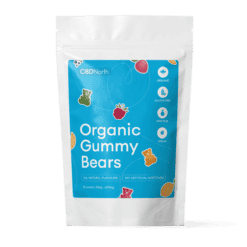
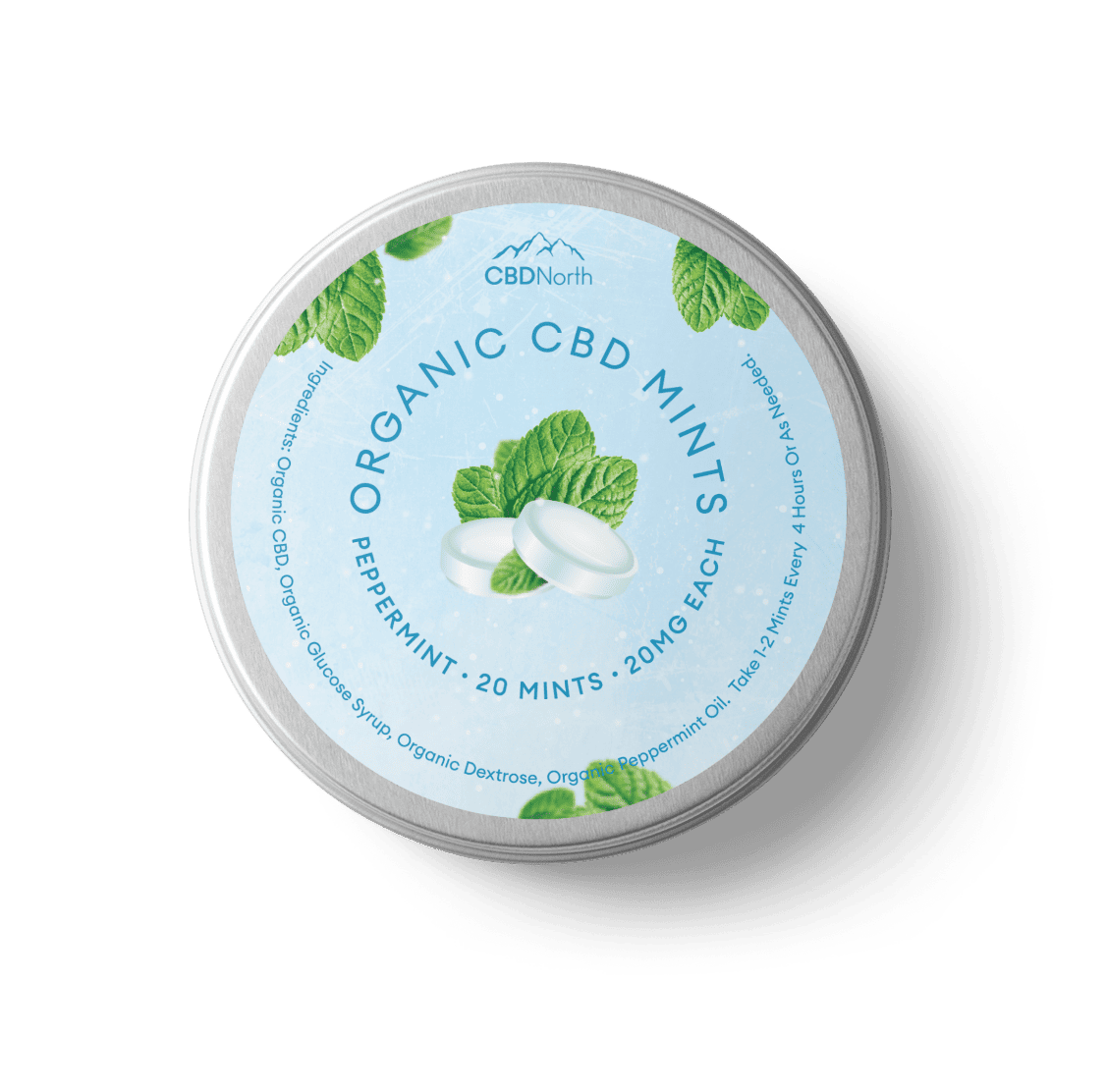
CBD Edibles Collection
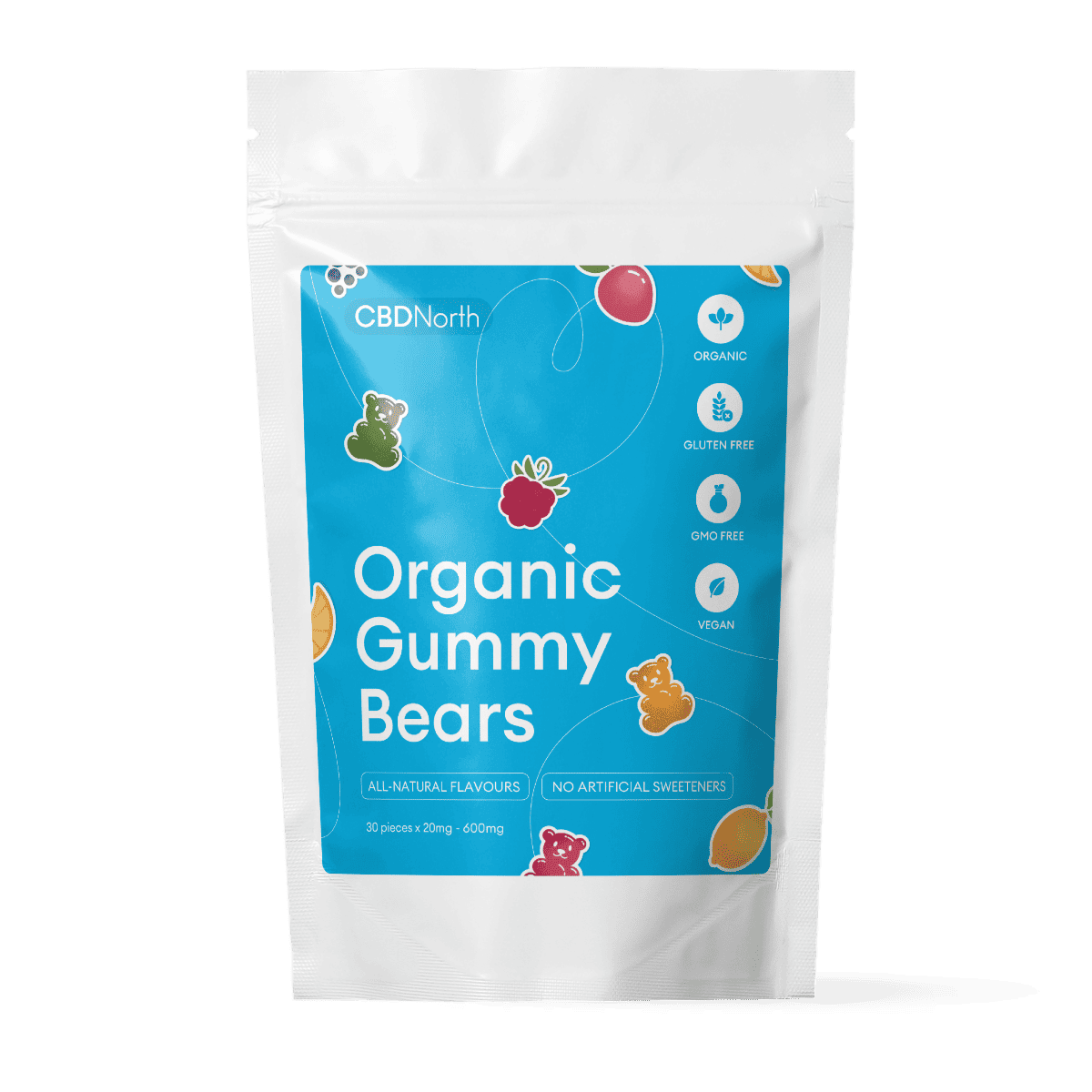
Price range: $19.49 through $35.74
Nano CBD vs Regular CBD: An Honest Comparison
Nano CBD may absorb faster and more efficiently than regular CBD, but regular CBD remains reliable, well understood, and often more affordable, so neither is simply better. The right choice depends on what you value. The comparison below lays out the honest trade offs.
Nano CBD vs Regular CBD
May absorb faster and more efficiently
Mixes easily into drinks
A newer, less established format
Often processed more heavily
Reliable and well understood
Simple, minimally processed
Widely available and familiar
Lower absorption when swallowed
Neither is simply better. The right choice depends on your priorities and preferences.
Each format suits different people. Someone who wants quick, efficient absorption might lean nano, while someone who values simplicity may prefer regular CBD.
Processing is worth a thought too. Because nano CBD involves more steps and added ingredients, some people prefer the simpler make up of a traditional oil, as we describe in our guide on CBD oil uses, types, and benefits.
Does Nano CBD Actually Work Better?
Nano CBD probably does improve absorption to some degree, but the marketing often overstates the benefit, so a healthy dose of caution helps. The underlying science is real, yet the specific claims on many products are not always backed by strong, independent evidence. Therefore, it is wise to judge each product on its merits.
The core idea holds up reasonably well. Smaller particles improving absorption is a sound principle used across many industries, not just CBD.
Marketing can run ahead of the evidence, however. Some products claim dramatic improvements that independent research has not clearly confirmed.
Quality still decides a great deal. A well made nano product from a transparent brand is very different from a hyped up one with no lab data.
For that reason, testing matters as much as the nano label. Our guide on third party CBD testing explains how to verify what any product, nano or not, truly contains.
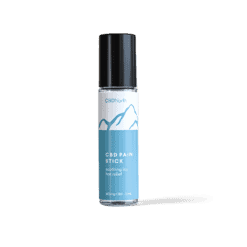
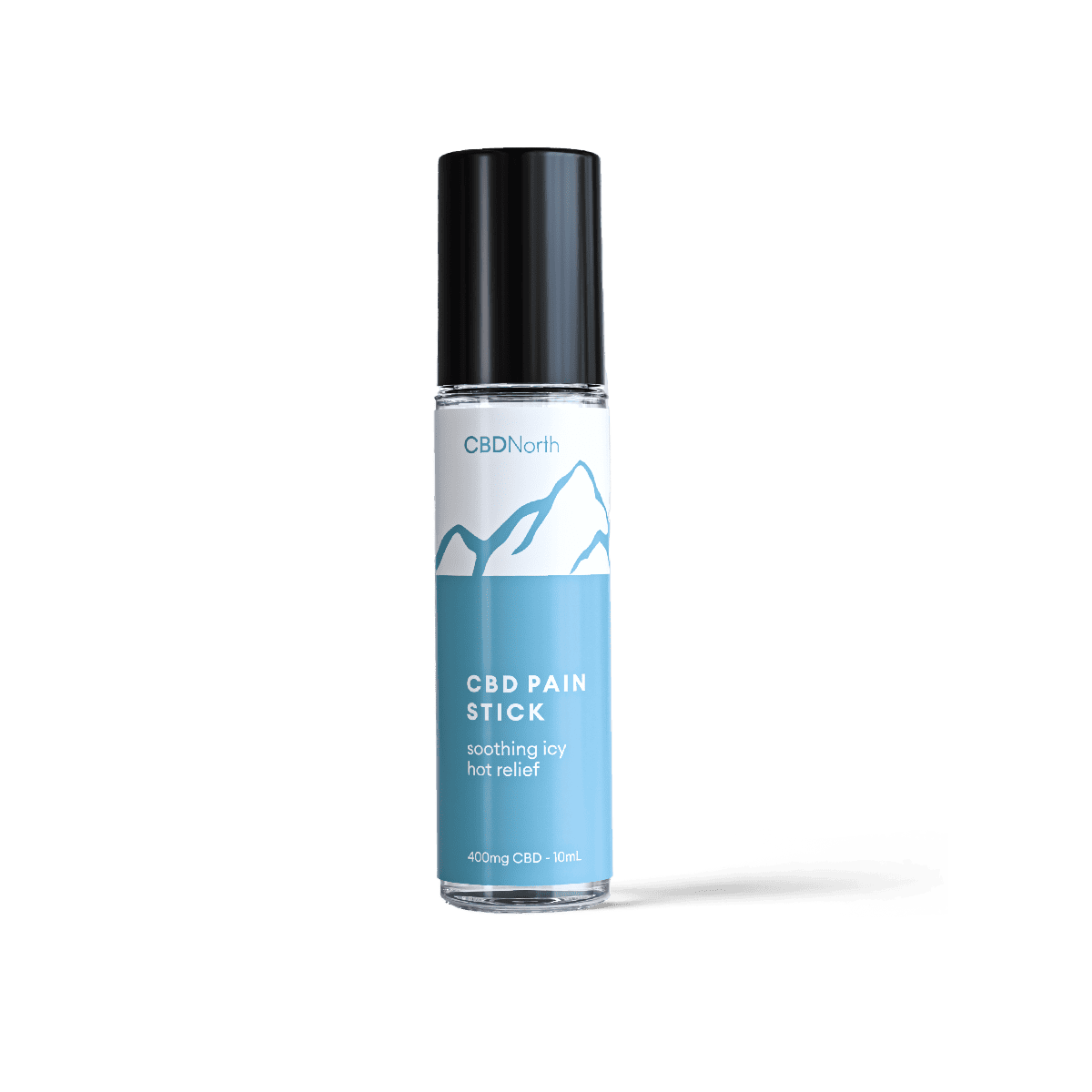
CBD Pain Relief Products
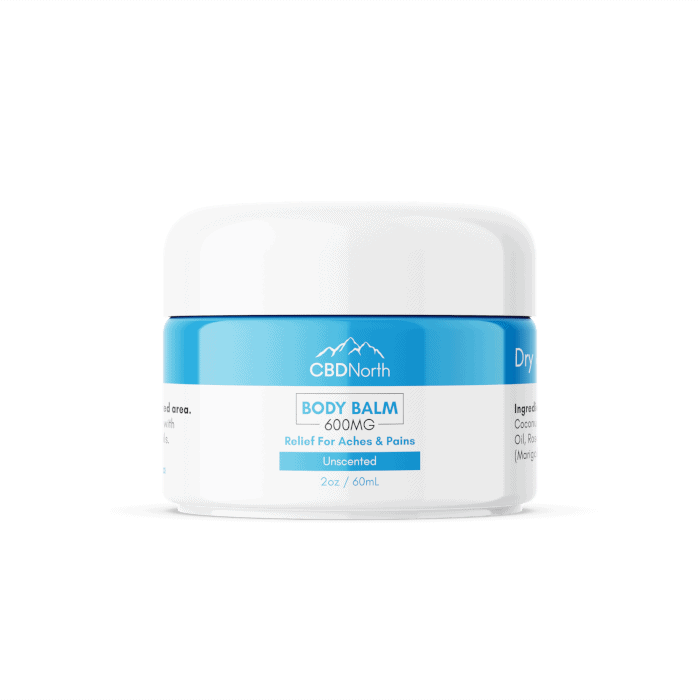
Price range: $29.40 through $73.49
Who Might Prefer Nano CBD?
Nano CBD may appeal most to people who want faster onset, who like adding CBD to drinks, or who want to make the most of a lower amount. It is a matter of preference rather than necessity. Understanding who benefits helps you decide if it suits you.
People who value speed may like it. Because nano CBD can absorb more quickly, some prefer it when they want effects sooner.
Drink lovers often appreciate it too. Since it mixes easily into water, coffee, or smoothies, it fits neatly into daily routines.
Regular CBD, meanwhile, suits those who prefer simplicity. A traditional oil remains a reliable, familiar, and minimally processed choice for many people.
Who Should Be Cautious With CBD?
This section is mandatory and we never skip it. Whether you choose nano or regular CBD, the usual cautions still apply to everyone who uses these products.
People taking medications through the CYP450 pathway: CBD affects the liver enzyme system that processes many medications. This interaction is documented by Zendulka et al., 2016, Current Drug Metabolism. Because nano CBD may absorb more, this point deserves extra attention, so speak with your pharmacist first.
Pregnancy and breastfeeding: Health Canada advises against any cannabis product during pregnancy or while breastfeeding, in any form.
Children and youth: CBD products suit adults aged 18 and older only. Age minimums vary by province from 18 to 21.
People with liver conditions: High dose CBD has shown liver enzyme changes in some studies. Consult your doctor before use if you have any liver condition.
People with allergies to cannabis or hemp: If you have a confirmed allergy to cannabis or hemp, do not use CBD products.
Scheduled surgery: Stop CBD at least two weeks before any planned surgical procedure due to possible effects on blood clotting and anaesthesia interactions.
Province by Province Access Snapshot
CBD access in Canada is governed federally by the Cannabis Act but provincial age minimums vary. In Alberta, adults aged 18 and over can legally purchase CBD products.
In British Columbia, Ontario, Manitoba, Saskatchewan, Nova Scotia, New Brunswick, Prince Edward Island, and the territories of Yukon, Northwest Territories, and Nunavut, the legal age is 19.
Newfoundland and Labrador sets the minimum at 20, while Quebec has the highest provincial minimum at 21. CBDNorth ships organic certified CBD products across all provinces and territories in Canada.
Last Verified: July 2026. Always confirm current rules at canada.ca/health-canada as provincial regulations can change.
What We Don’t Know Yet: Honest Research Gaps
Exactly how much nano CBD improves bioavailability, across different products, is not firmly established. Claims vary widely and independent testing is limited.
The long term effects of the added stabilisers and ingredients in some nano products are not fully studied. Simpler formats avoid this question altogether.
Whether faster absorption changes the actual wellness experience, beyond the numbers, remains unclear. Individual responses differ a great deal.
Health Canada’s Natural Health Product pathway for CBD remains under active consultation as of 2026. The regulatory framework continues to evolve.
Common Questions We Get Asked at CBDNorth
These are some of the real questions Canadians bring to us about nano CBD. We share them because the curiosity behind them comes up often. Individual circumstances vary, and these are general responses rather than medical advice.
“Is nano CBD better than regular CBD oil?” Not simply better, just different. Nano CBD may absorb faster and more efficiently, while regular CBD is reliable, well understood, and often simpler. The right choice depends on what you value. Both can be excellent when they come from a transparent, well tested brand.
“What does water soluble CBD mean?” Water soluble is the common name for nano CBD, because the tiny particles disperse easily in water. Strictly speaking it is finely dispersed rather than truly dissolved, but the practical effect is that it mixes well into drinks and may absorb more easily.
“Does nano CBD work faster?” It often can, since smaller particles tend to absorb more quickly. This is one reason some people prefer it. That said, individual responses vary, so treat any specific speed claims with a little healthy caution.
“Can I put nano CBD in my coffee or water?” Yes, that is one of its main appeals. Because it mixes easily into liquids, nano CBD suits drinks well, whereas regular oil tends to separate. Always follow the product’s own guidance on how to use it.
“Is nano CBD worth the extra processing?” That depends on your priorities. Nano CBD offers possible absorption benefits but involves more processing and added ingredients. If you prefer something simple and minimally processed, a quality regular oil may suit you better. Both are valid choices.
CBDNorth Lab Note
Nano CBD is an interesting innovation, and we believe in judging it honestly rather than through hype. The underlying science of improved absorption is real, but the quality and transparency of any product matter just as much as the nano label.
Whatever format you choose, verification is what separates a good product from a mere marketing claim. Every CBDNorth product goes through batch by batch testing at an ISO certified Canadian laboratory, with full panel results covering cannabinoid levels, pesticides, heavy metals, and residual solvents, all available openly on our lab reports page.
Our hemp is USDA organic certified and extracted using supercritical CO2 with no harsh solvent residues. Clean sourcing gives any format, nano or regular, the best possible foundation.
If the cost of accessing quality lab tested CBD is a barrier for you, our Assistance Program is available for Canadians who qualify. Before starting any new wellness product, please speak with a qualified healthcare practitioner.
Frequently Asked Questions
Q: Is nano CBD better than regular CBD oil?
Not simply better, just different. Nano CBD may absorb faster and more efficiently, while regular CBD is reliable, well understood, and often simpler and more affordable.
The right choice depends on what you value. Both can be excellent when they come from a transparent, well tested brand.
Q: What is nano CBD?
Nano CBD is regular CBD broken into extremely small particles through a process called nanoemulsion, so it disperses easily in water. People often call it water soluble CBD.
The goal is to help the body absorb more of the CBD. The cannabinoid itself does not change, but its physical form does.
Q: What does water soluble CBD mean?
Water soluble is the common name for nano CBD, because the tiny particles disperse easily in water. Strictly speaking, it is finely dispersed rather than truly dissolved.
The practical effect is that it mixes well into drinks and may absorb more easily than regular oil based CBD.
Q: Does nano CBD have better bioavailability?
Nano CBD likely does improve bioavailability, since smaller particles tend to absorb more readily than larger oil droplets. Regular oral CBD loses a lot during digestion.
Exact figures vary between products, though, and are not always well supported. Judge specific claims with a careful eye.
Q: Does nano CBD work faster than regular CBD?
It often can, since smaller particles tend to absorb more quickly. This is one reason some people prefer nano CBD for quicker onset.
Individual responses vary, however, so treat specific speed claims with a little healthy caution and see how your own body responds.
Q: Is nano CBD worth choosing?
That depends on your priorities. Nano CBD offers possible absorption benefits and mixes easily into drinks, but it involves more processing and added ingredients.
If you prefer something simple and minimally processed, a quality regular oil may suit you better. Either way, quality and lab testing matter most.
Before starting any new wellness supplement, please speak with a qualified healthcare practitioner, especially if you take prescription medications or have a health condition.
These statements have not been evaluated by Health Canada. CBDNorth products are not intended to diagnose, treat, cure, or prevent any disease or medical condition. This content is for educational purposes only and does not constitute medical advice. Please consult a qualified healthcare practitioner before use. Must be 18 and older to purchase; age requirements vary by province.