Third party CBD testing means an independent laboratory, with no stake in selling the product, verifies exactly what is in it. This matters because it confirms the CBD and THC content and checks for contaminants like pesticides, heavy metals, and solvents. For Canadian buyers, a genuine Certificate of Analysis is the single best proof that a product is what it claims to be.
The CBD market has grown quickly, and product quality varies more than many people realise. Third party testing is how you cut through the marketing and see the truth. This guide explains what testing checks, how to read a Certificate of Analysis, and why it protects you. This content is for educational purposes only and is not medical advice.
Key Takeaways
- Third party testing uses an independent lab with no stake in selling the product.
- A Certificate of Analysis confirms the actual CBD and THC content.
- Testing also screens for pesticides, heavy metals, and residual solvents.
- A genuine, recent, matching Certificate of Analysis is the key sign of quality.
- Learning to read one protects you from mislabelled or contaminated products.
What Does Third Party Testing Actually Mean?
Third party testing means the product goes to an independent laboratory that has no financial interest in the results, unlike testing done by the seller itself. This independence is what makes the results trustworthy. The lab analyses the product and issues a Certificate of Analysis, often called a COA, documenting exactly what it found.
The word independent is the key part. A third party lab does not profit from the product passing, so it has no reason to bend the findings.
Compare this to in house testing. When a company tests its own products with no outside check, you simply have to take its word, which is far weaker.
The output of testing is the Certificate of Analysis. This document lists the cannabinoid content and the results of contaminant screening in clear numbers.
Reputable brands make these documents easy to find. When a company publishes its COAs openly, it signals confidence in what it sells.
CBD Oil Collection
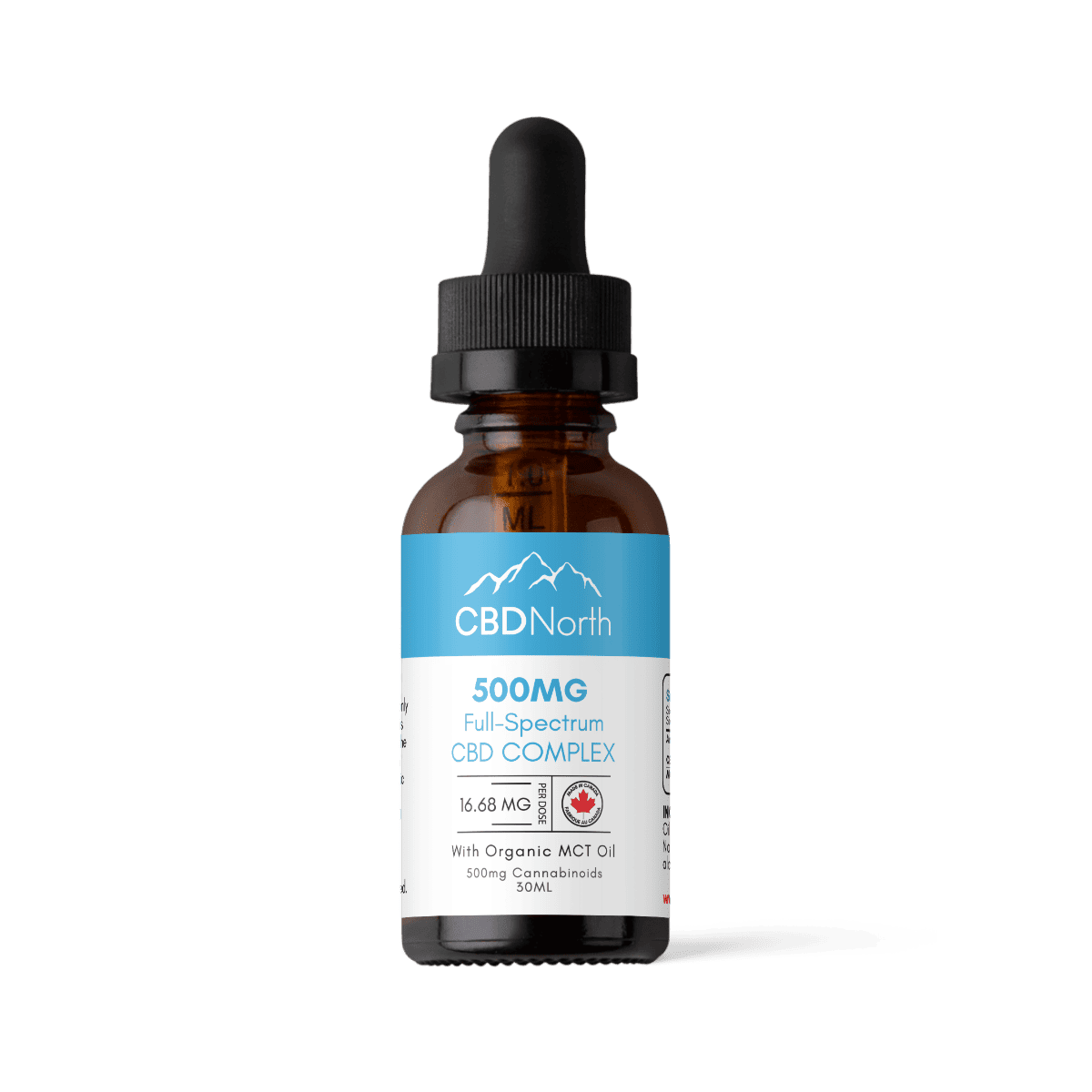
Price range: $45.49 through $160.99
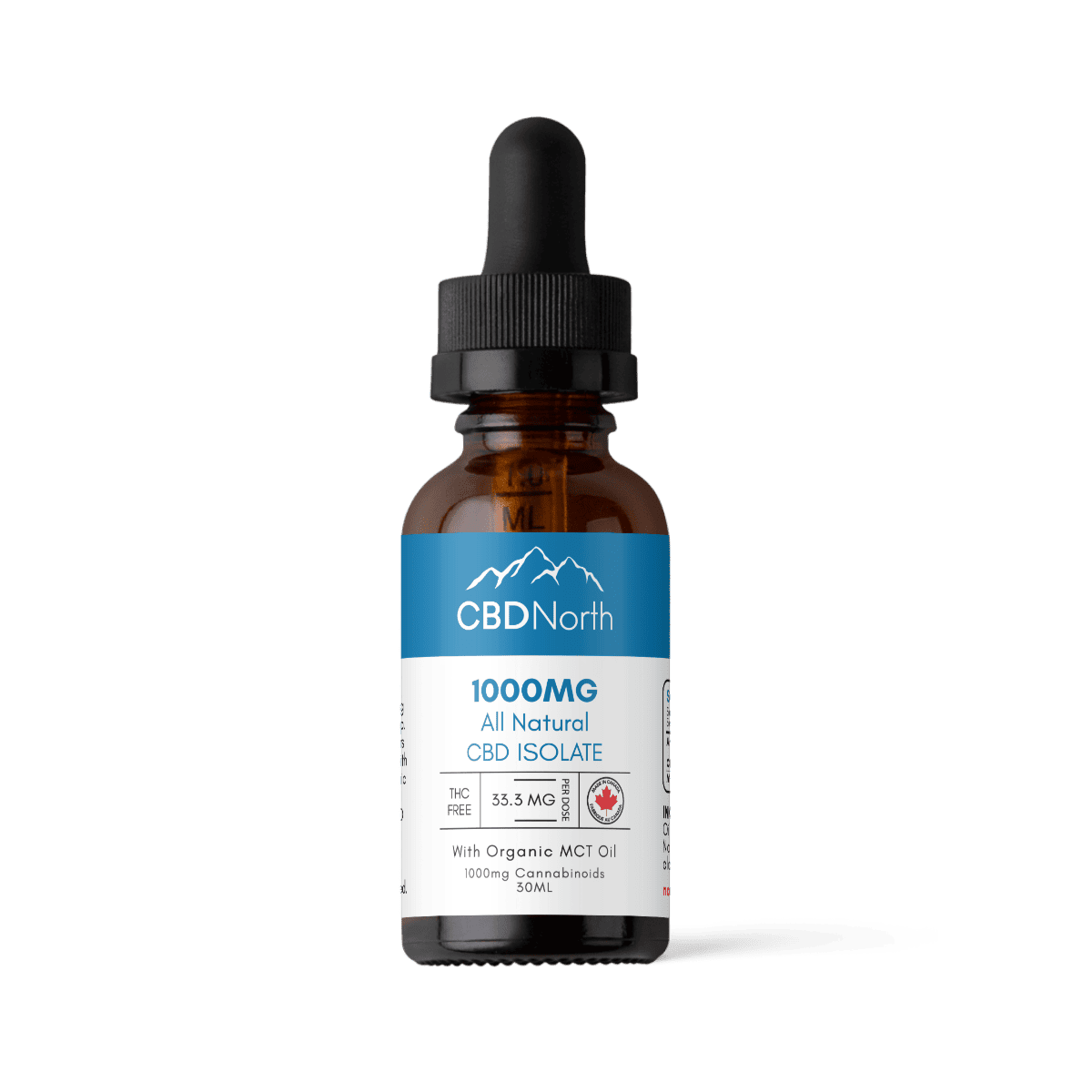
Price range: $45.49 through $146.99
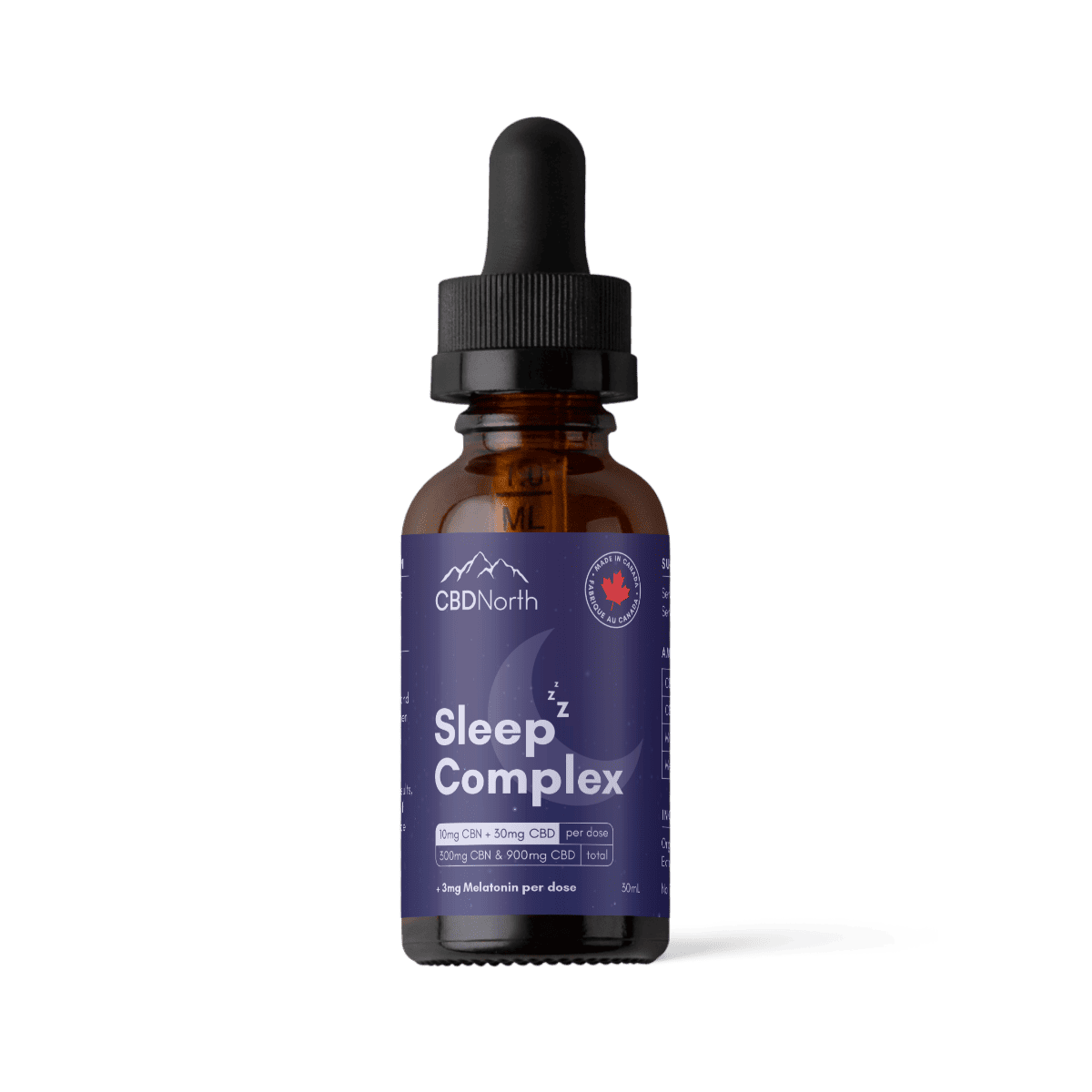
Price range: $80.49 through $139.99
Why Does Third Party Testing Matter So Much?
Third party testing matters because studies have repeatedly found CBD products that were mislabelled, containing more or less CBD than claimed, unexpected THC, or even contaminants. Without independent testing, you have no reliable way to know what you are actually taking. For a wellness product, that uncertainty is a real problem.
Mislabelling has been a documented issue in the wider CBD market. Some products have contained far less CBD than the label promised, meaning buyers paid for something they did not receive.
Unexpected THC is another concern. A product claiming to be THC free could contain traces, which matters for anyone avoiding it for personal, work, or legal reasons.
Contaminants pose the most serious risk. Hemp absorbs substances from its soil, so untested products could carry pesticides, heavy metals, or leftover extraction solvents.
Testing solves all of this at once. An independent COA confirms the product is accurately labelled and free from harmful contaminants, giving you genuine peace of mind.
What a Certificate of Analysis Checks
A full panel COA covers four key areas
Confirms the exact CBD level and checks that THC sits within Canada’s legal limit, so the label matches reality.
Screens for agricultural chemicals that hemp can absorb while growing, which you do not want in a wellness product.
Tests for metals like lead, arsenic, mercury, and cadmium, which hemp can draw up from contaminated soil.
Checks for leftover chemicals from extraction, an issue avoided when clean methods like CO2 extraction are used.
A genuine full panel COA covers all four. Anything less tells only part of the story.
These four categories together tell the full quality story. A COA that covers all of them gives you a complete picture rather than a partial one.
How to Read a Certificate of Analysis
To read a Certificate of Analysis, check that it is recent, matches your product’s batch, comes from an accredited lab, and shows cannabinoid levels and contaminant results that pass. These few checks let anyone judge a COA confidently. The steps below walk through exactly what to look for.
A COA can look intimidating at first, full of numbers and terms. Once you know the handful of things that matter, though, it becomes simple to read.
Reading a COA: Five Simple Checks
Run through these and you can judge any lab report
Look for a test date. A current COA reflects the batch you are buying, not an old one.
The batch or lot number on the COA should match the number on your product.
An independent, accredited third party lab should be named, not the seller itself.
The CBD amount should match the product claim, and THC should sit within Canada’s legal limit.
Pesticides, heavy metals, and solvents should show a pass result or read below safe limits.
If a product has no COA, or it fails these checks, treat that as a warning sign.
These five checks cover everything that matters. Running through them takes a minute and tells you whether a product is trustworthy.
The absence of a COA is itself informative. When a brand cannot or will not show independent results, that silence is a meaningful red flag.
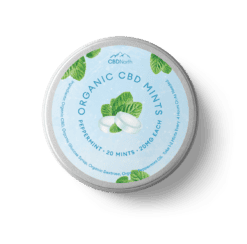
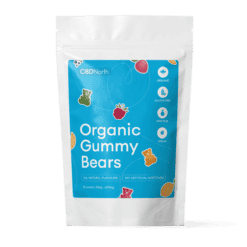
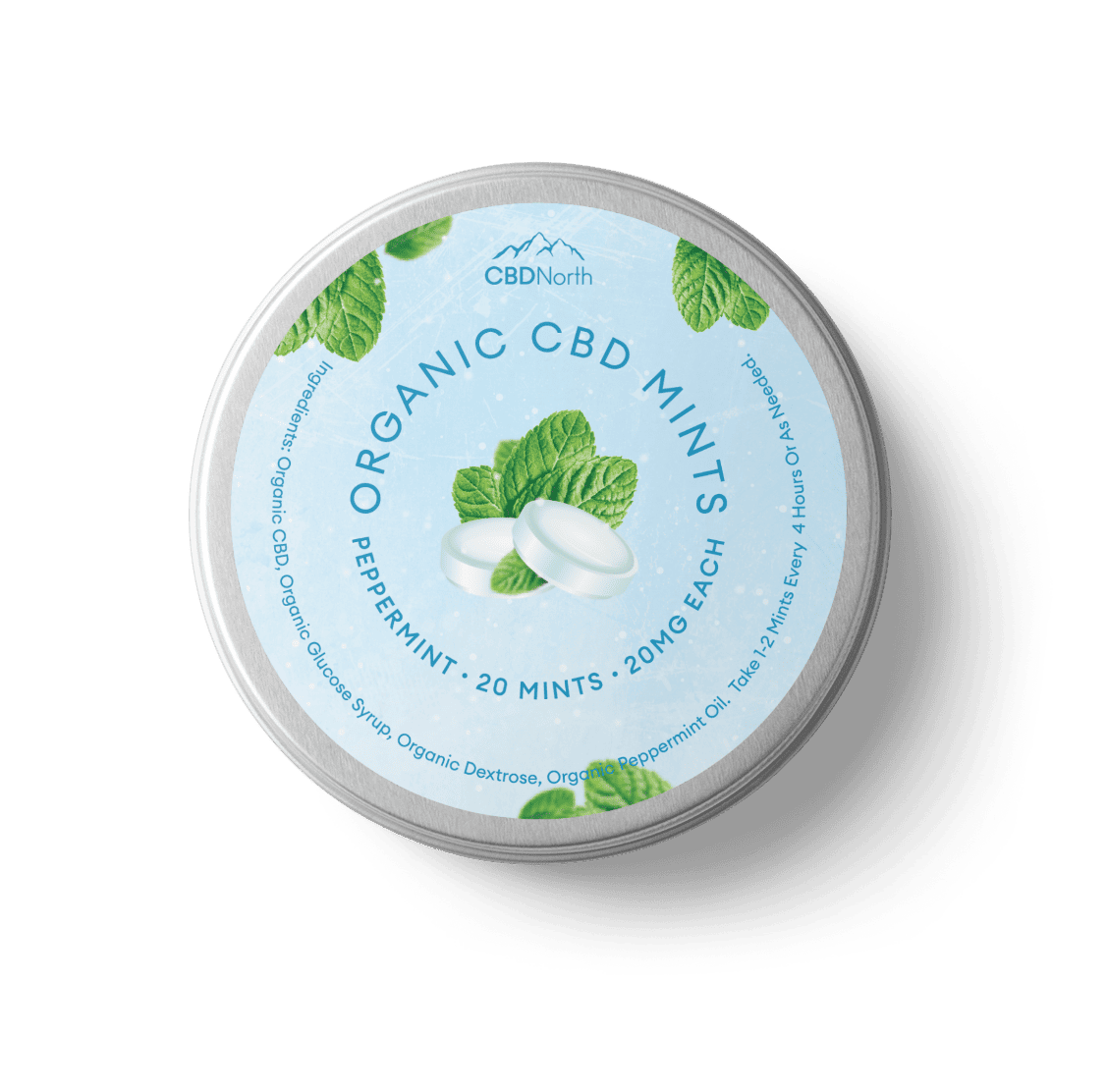
CBD Edibles Collection
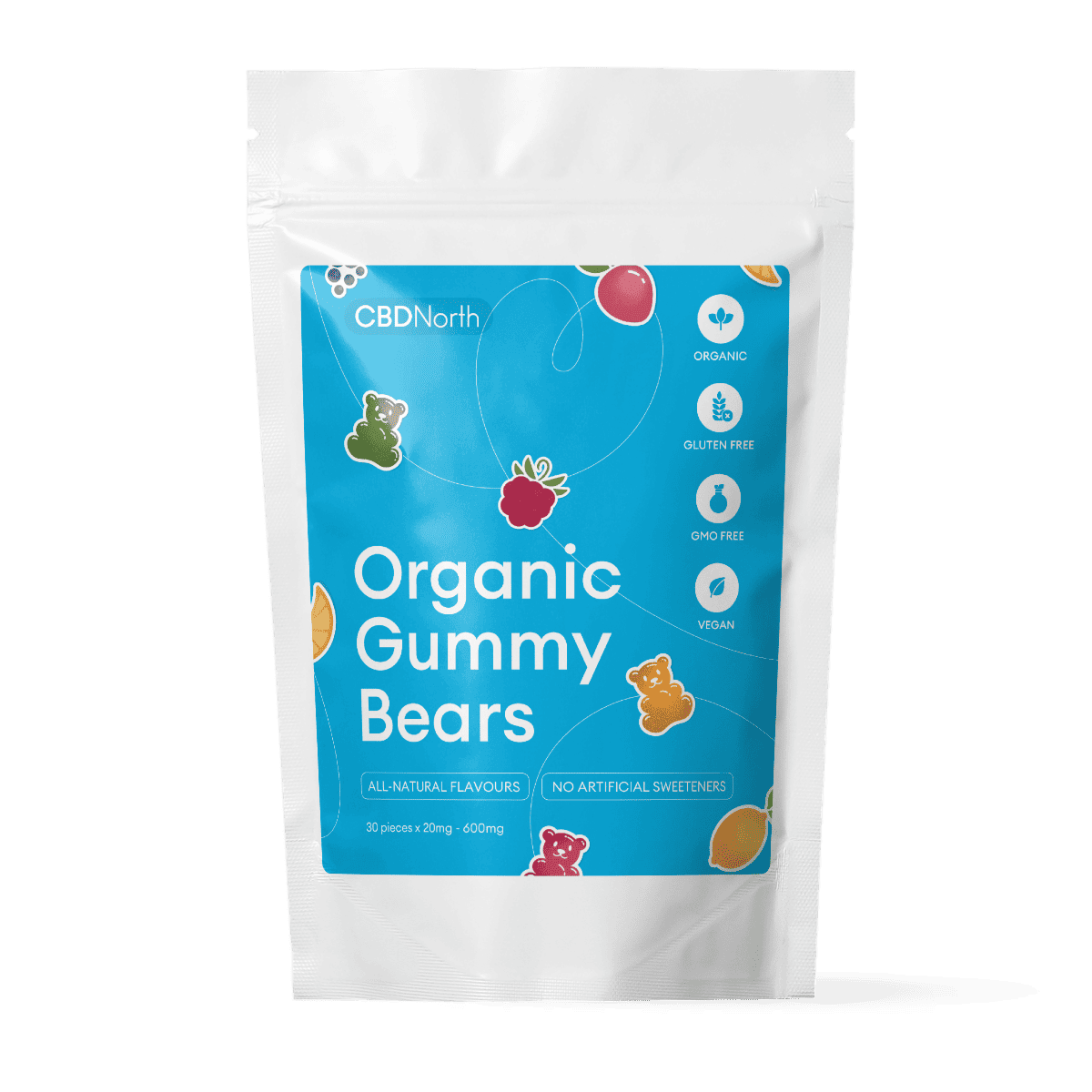
Price range: $17.99 through $32.99
Why Hemp Quality Makes Testing Essential
Testing is essential partly because hemp is a bioaccumulator, meaning it draws substances up from the soil, including heavy metals and pollutants. This natural property makes hemp excellent for cleaning soil but risky if grown in contaminated ground. Independent testing is how you confirm the final product is clean.
Hemp is remarkably absorbent from the ground up. It readily takes in whatever is present in its soil, including both nutrients and contaminants.
This quality has real uses. Hemp has even been used to help clean polluted land, which shows just how much it can absorb.
For a product you consume, though, that absorbency is a reason for care. Hemp grown in poor soil could carry heavy metals or pollutants into the final oil.
Good sourcing plus testing solves this. Quality hemp grown in clean conditions, then verified by an independent lab, gives you confidence the product is safe.
Testing and Product Types
Third party testing matters for every CBD format, whether oil, capsule, edible, or topical, since all of them can carry the same labelling and contaminant risks. No format is exempt from needing verification. A COA should back up whatever type of product you choose.
Oils and tinctures are the most common format. A COA confirms their CBD concentration, which matters for accurate dosing.
Edibles and capsules deserve the same scrutiny. Their fixed doses only mean something if independent testing confirms the actual content per serving.
Topicals apply to the skin rather than being ingested, yet contaminants still matter. A COA confirms a topical is free from unwanted substances too.
Product features like terpene content also show up on some reports. If a fuller plant profile appeals to you, our guide on terpenes in CBD oil explains what those extra compounds are.
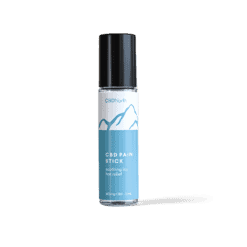
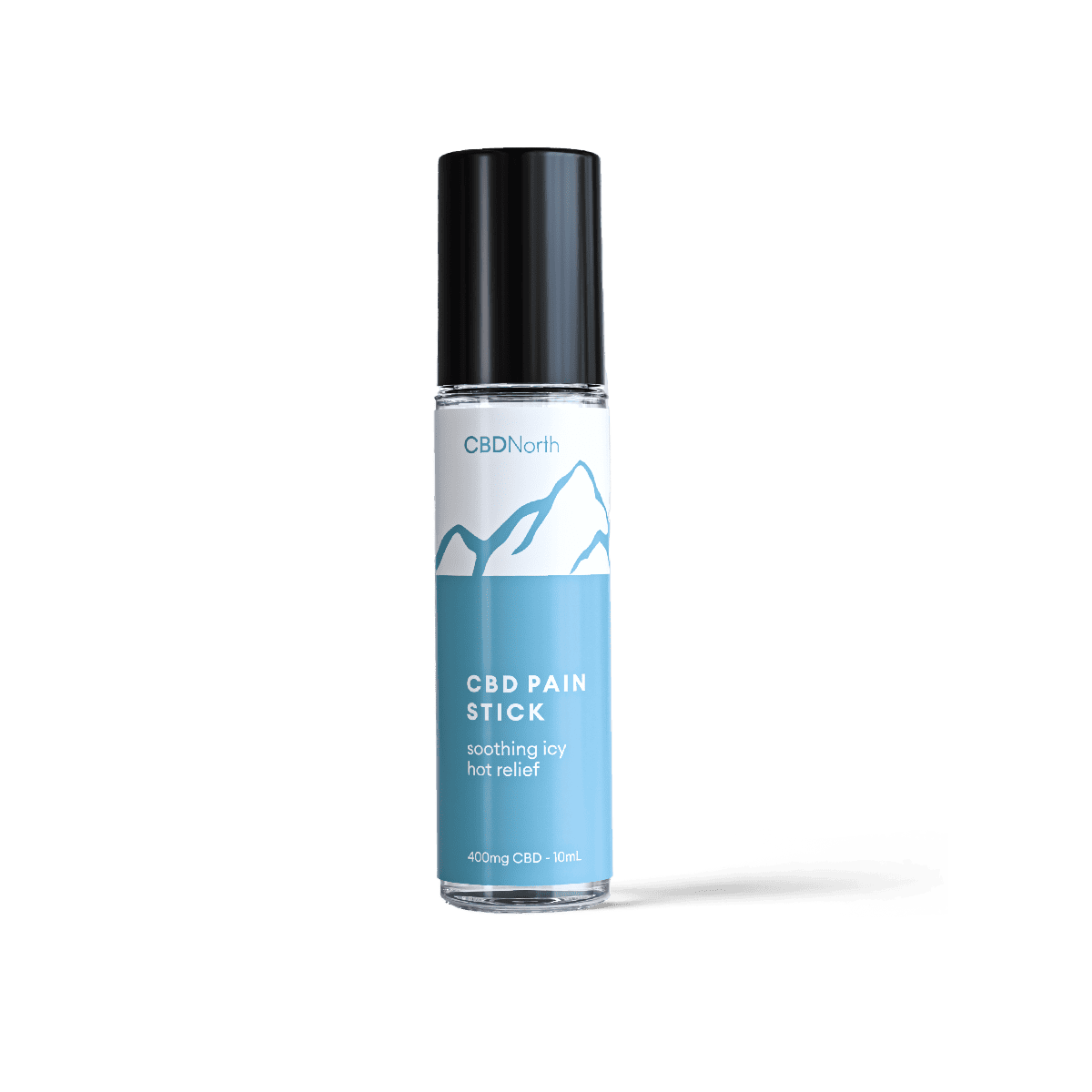
CBD Pain Relief Products
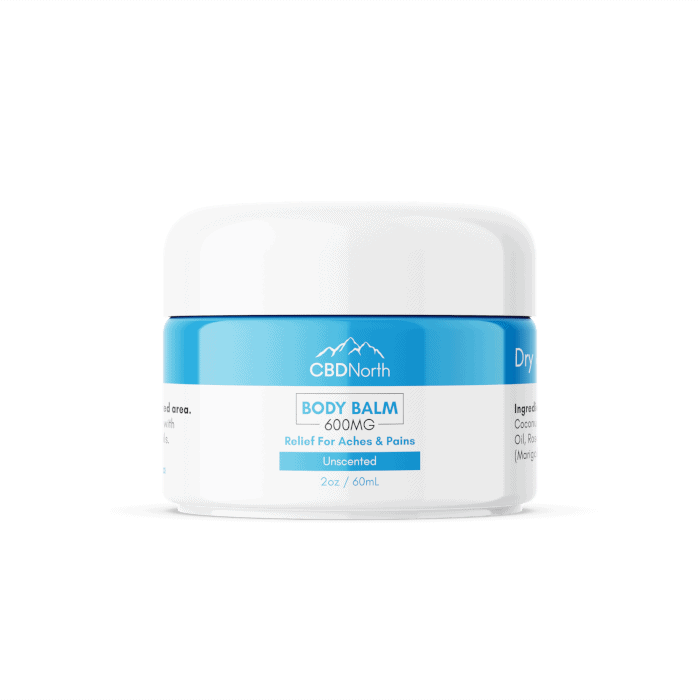
Price range: $41.99 through $73.49
Red Flags That Signal Poor Testing
Warning signs of poor testing include no available Certificate of Analysis, an outdated or mismatched report, vague quality claims with no proof, and results from the seller rather than an independent lab. Spotting these protects you from low quality products. Trust the evidence, not the marketing.
The biggest red flag is no COA at all. If a brand cannot show independent results, there is no way to verify its claims.
An old or mismatched report is nearly as concerning. A COA that does not match your batch, or dates back years, does not reflect what you are buying.
Vague marketing language is another clue. Words like premium or pure mean nothing without lab data to back them up.
Watch who did the testing too. Results from the company itself, with no independent lab named, carry far less weight than a true third party report.
A Note on Broader CBD Safety
This section is mandatory and we never skip it. While third party testing is about product quality rather than personal health, the usual CBD cautions still apply to anyone using these products.
People taking medications through the CYP450 pathway: CBD affects the liver enzyme system that processes many medications. This interaction is documented by Zendulka et al., 2016, Current Drug Metabolism. Speak with your pharmacist before starting.
Pregnancy and breastfeeding: Health Canada advises against any cannabis product during pregnancy or while breastfeeding, regardless of how well tested it is.
Children and youth: CBD products suit adults aged 18 and older only. Age minimums vary by province from 18 to 21.
People with liver conditions: High dose CBD has shown liver enzyme changes in some studies. Consult your doctor before use if you have any liver condition.
People with allergies to cannabis or hemp: If you have a confirmed allergy to cannabis or hemp, do not use CBD products, even fully tested ones.
Scheduled surgery: Stop CBD at least two weeks before any planned surgical procedure due to possible effects on blood clotting and anaesthesia interactions.
Province by Province Access Snapshot
CBD access in Canada is governed federally by the Cannabis Act but provincial age minimums vary. In Alberta, adults aged 18 and over can legally purchase CBD products.
In British Columbia, Ontario, Manitoba, Saskatchewan, Nova Scotia, New Brunswick, Prince Edward Island, and the territories of Yukon, Northwest Territories, and Nunavut, the legal age is 19.
Newfoundland and Labrador sets the minimum at 20, while Quebec has the highest provincial minimum at 21. CBDNorth ships organic certified CBD products across all provinces and territories in Canada.
Last Verified: July 2026. Always confirm current rules at canada.ca/health-canada as provincial regulations can change.
What We Don’t Know Yet: Honest Research Gaps
Testing standards for CBD are not fully standardised across all labs and regions. Different labs may use different methods, so comparing reports is not always straightforward.
How consistently the wider market meets testing standards is hard to measure. Quality varies between brands, which is exactly why individual verification matters.
The long term regulatory picture for CBD testing continues to develop. Requirements may tighten as the sector matures.
Health Canada’s Natural Health Product pathway for CBD remains under active consultation as of 2026. The regulatory framework continues to evolve.
Common Questions We Get Asked at CBDNorth
These are some of the real questions Canadians bring to us about CBD testing. We share them because the concerns behind them come up often. Individual circumstances vary, and these are general responses rather than medical advice.
“What is the difference between third party and in house testing?” Third party testing uses an independent lab with no stake in the result, while in house testing is done by the seller. The independence is what makes third party results trustworthy. With in house only, you are taking the company at its word.
“Where do I find a product’s Certificate of Analysis?” Reputable brands publish COAs on their website, often on a dedicated lab reports page, and sometimes via a QR code on the packaging. If you cannot find one easily, that is a warning sign. A trustworthy company makes its results simple to access.
“Does a Certificate of Analysis expire?” A COA reflects a specific batch at a specific time, so it does not expire as such, but it should be recent and match the batch you are buying. An old report tied to a different batch does not tell you about your product. Always check the date and batch number.
“Can I trust a product that only says lab tested on the label?” Not on its own. The phrase lab tested means little without an actual Certificate of Analysis you can read. Look for the real document from a named independent lab rather than relying on a marketing phrase. Evidence beats claims every time.
“Why does my product need testing if CBD is natural?” Natural does not automatically mean clean or accurately labelled. Because hemp absorbs substances from its soil, even natural products can carry contaminants. Testing is how you confirm a natural product is also safe and correctly labelled.
CBDNorth Lab Note
This topic sits at the heart of how we operate. We believe third party testing is not optional but essential, which is why we make our results openly available for anyone to check.
Every CBDNorth product goes through batch by batch testing at an ISO certified Canadian laboratory, with full panel results covering cannabinoid levels, pesticides, heavy metals, and residual solvents, all published openly on our lab reports page. You can read exactly what is in what you buy.
Our hemp is USDA organic certified and extracted using supercritical CO2 with no harsh solvent residues. Clean sourcing and clean extraction give the testing something good to confirm.
If the cost of accessing quality lab tested CBD is a barrier for you, our Assistance Program is available for Canadians who qualify. As you build knowledge, our guides on topics like CBD for focus and concentration and CBD and caffeine reflect the same commitment to honesty. Before starting any new wellness product, please speak with a qualified healthcare practitioner.
Frequently Asked Questions
Q: Why should CBD be third party tested?
CBD should be third party tested so an independent lab can confirm exactly what is in it. Studies have found products mislabelled for CBD or THC content, or carrying contaminants.
Independent testing verifies the label is accurate and the product is free from pesticides, heavy metals, and solvents. It is the best proof of quality for buyers.
Q: What is a Certificate of Analysis?
A Certificate of Analysis, or COA, is the document an independent lab issues after testing a product. It lists the cannabinoid content and the results of contaminant screening.
A full panel COA covers CBD and THC levels plus pesticides, heavy metals, and residual solvents. It is the clearest evidence of what a product actually contains.
Q: How do I read a CBD lab report?
Check five things: that the report is recent, that the batch number matches your product, that an independent accredited lab ran it, that the cannabinoids match the label, and that contaminants pass.
Running through these checks takes a minute and tells you whether a product is trustworthy. No COA at all is a clear warning sign.
Q: What does a Certificate of Analysis check for?
A full panel COA checks four things: cannabinoid content, confirming CBD and THC levels, plus screening for pesticides, heavy metals, and residual solvents.
Together these confirm the product is accurately labelled and free from harmful contaminants. Anything less than a full panel tells only part of the story.
Q: What are the warning signs of a poorly tested CBD product?
Warning signs include no available Certificate of Analysis, an outdated or mismatched report, vague quality claims with no proof, and results from the seller rather than an independent lab.
The biggest red flag is no COA at all. Trust the lab evidence rather than marketing words like premium or pure.
Q: Why does hemp need contaminant testing?
Hemp is a bioaccumulator, meaning it draws substances up from the soil, including heavy metals and pollutants. This makes it useful for cleaning soil but risky if grown in contaminated ground.
Contaminant testing confirms the final product is clean. Good sourcing combined with independent testing gives you confidence the product is safe.
Before starting any new wellness supplement, please speak with a qualified healthcare practitioner, especially if you take prescription medications or have a health condition.
These statements have not been evaluated by Health Canada. CBDNorth products are not intended to diagnose, treat, cure, or prevent any disease or medical condition. This content is for educational purposes only and does not constitute medical advice. Please consult a qualified healthcare practitioner before use. Must be 18 and older to purchase; age requirements vary by province.