USDA organic certification means hemp was grown without synthetic pesticides or fertilisers and met strict standards verified by the United States Department of Agriculture. For Canadian buyers, it is a useful quality signal because it shows the hemp was grown cleanly and the crop faced independent oversight. It works best when paired with third party lab testing of the final product.
When shopping for CBD in Canada, you will often see the USDA organic label, and it is fair to wonder what it really means for you. This guide explains what the certification requires, why it matters for hemp quality, and how Canadian buyers should think about it. This content is for educational purposes only and is not medical advice.
Key Takeaways
- USDA organic means hemp grown without synthetic pesticides or fertilisers, under strict standards.
- The certification involves independent inspection and verification.
- It matters because hemp absorbs whatever is in its soil, including chemicals.
- For Canadian buyers, it is a recognised quality signal worth looking for.
- Organic certification works best alongside third party lab testing.
What Does USDA Organic Actually Mean?
USDA organic certification means a crop was grown and handled according to strict federal organic standards, without synthetic pesticides, synthetic fertilisers, or prohibited substances, and verified through independent inspection. It is one of the most recognised organic standards in North America. For hemp, this speaks directly to how cleanly the plant was grown.
The standard covers the whole growing process. Farmers must avoid synthetic pesticides and fertilisers and follow approved organic practices throughout.
Verification is what gives it weight. An accredited certifying agent inspects the operation, so the label reflects checked practices rather than a mere claim.
The soil itself must qualify too. Land generally needs to be free of prohibited substances for a set period before a crop can be certified organic.
For hemp specifically, this matters a great deal. Because the plant is so absorbent, clean growing conditions carry through into the quality of the final extract.
What USDA Organic Certification Requires
The core standards behind the label
Crops must be grown without synthetic chemical pesticides, relying on approved natural methods instead.
Only approved organic inputs are allowed, protecting soil health and the crop from synthetic additives.
Land must be free of prohibited substances for a set period before a crop can qualify as organic.
An accredited certifying agent verifies the operation, so the label reflects checked practices.
A simplified summary of the core requirements behind USDA organic certification.
Together these requirements set a genuinely high bar. The label is not a marketing word but a verified standard with real checks behind it.
CBD Oil Collection
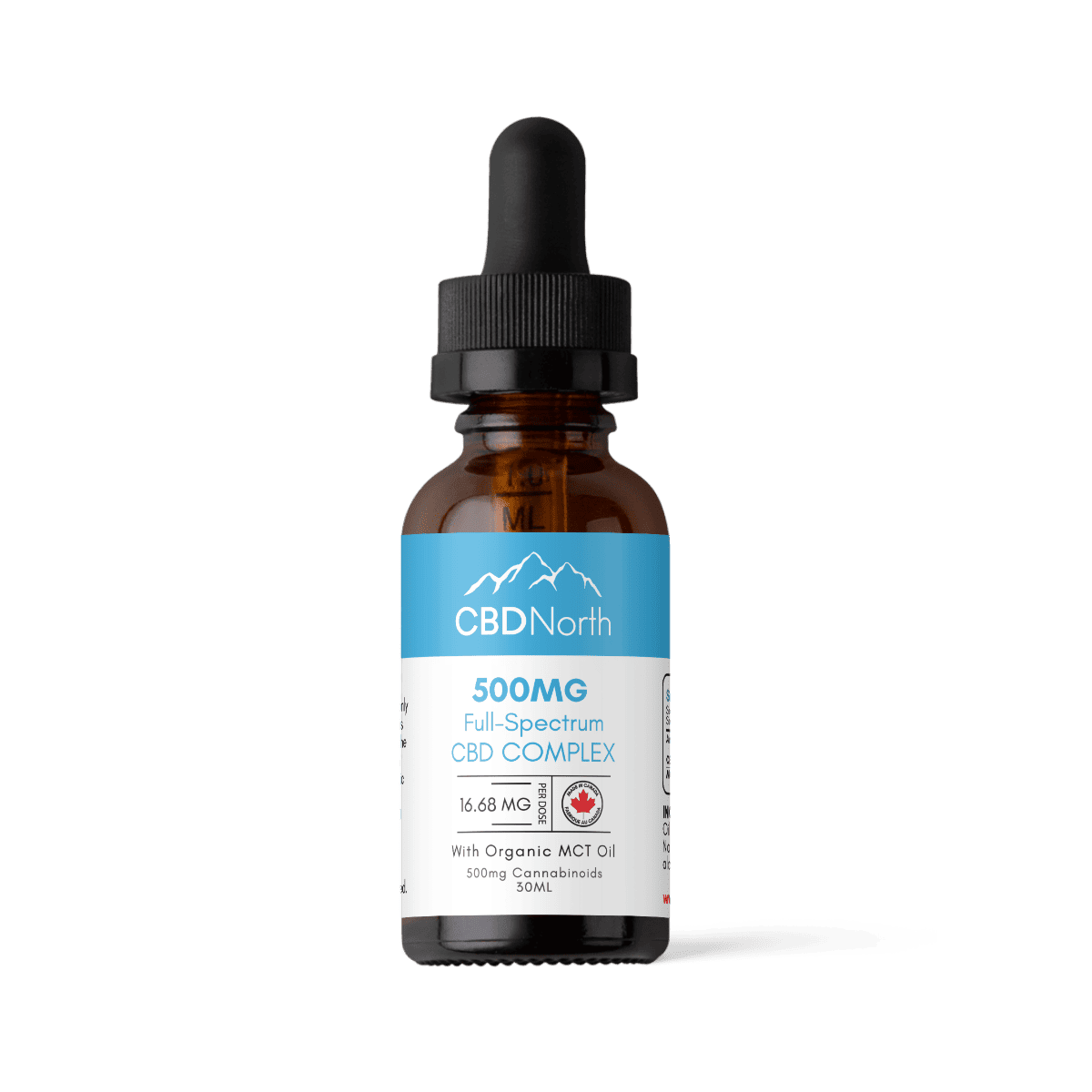
Price range: $42.24 through $149.49
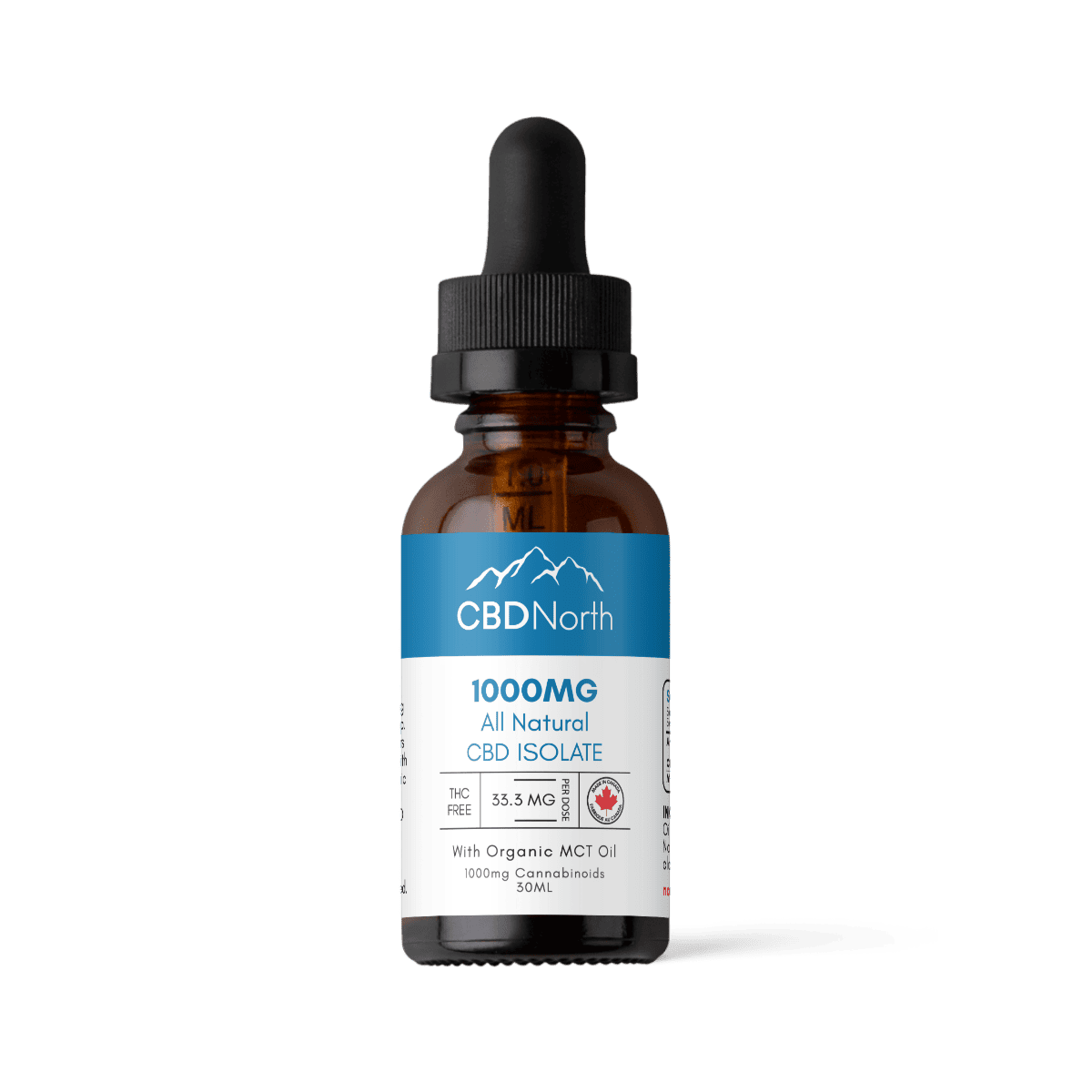
Price range: $42.24 through $136.49
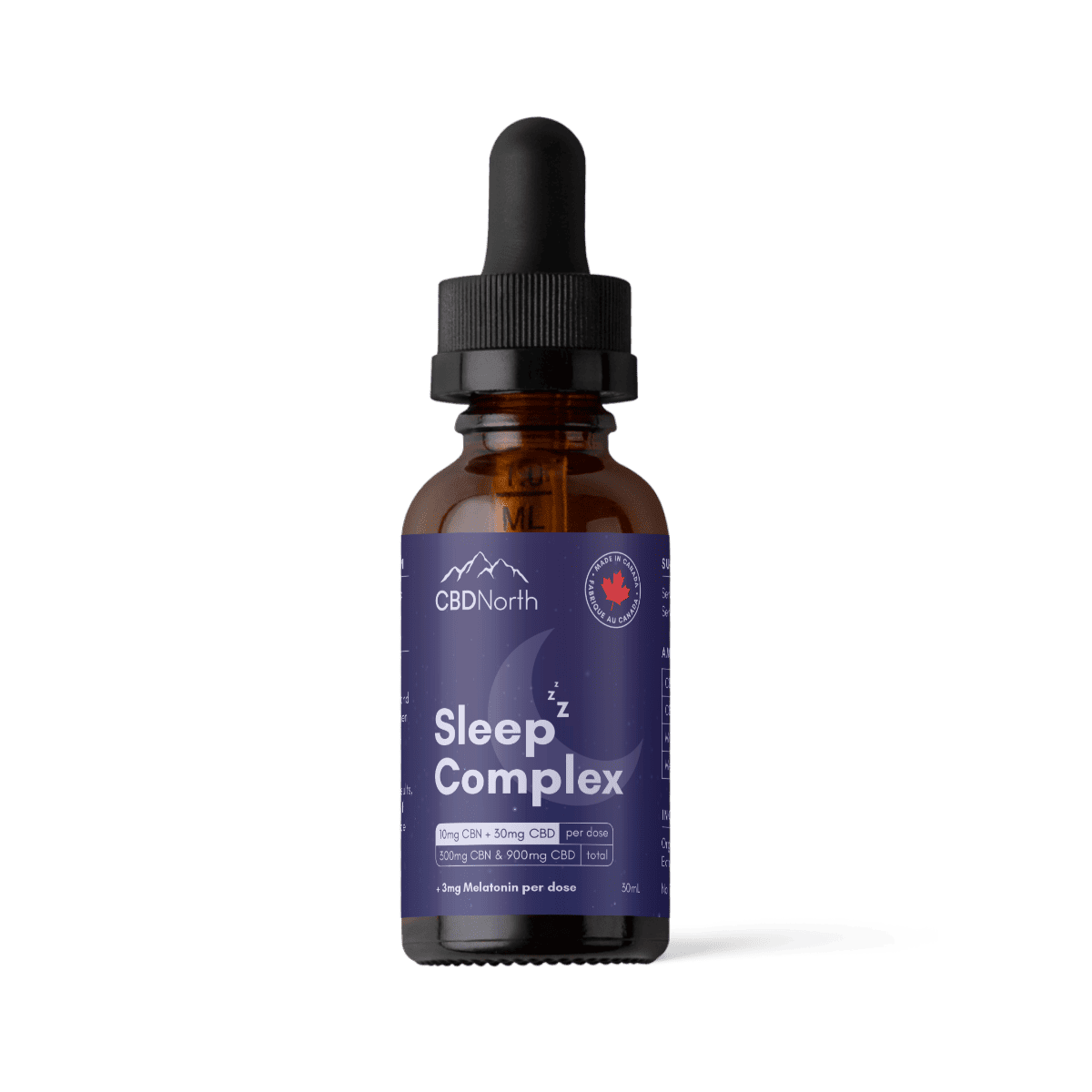
Price range: $74.74 through $129.99
Why Does Organic Hemp Matter So Much?
Organic hemp matters because hemp is a bioaccumulator, drawing substances up from the soil, so anything used on or in the ground can end up in the final CBD product. Growing it organically reduces the chance of synthetic chemical residues. This makes organic sourcing a meaningful quality decision, not just a label.
Hemp is unusually absorbent from the soil. It readily takes up whatever is present, from nutrients to pesticides and pollutants.
This trait cuts both ways. It makes hemp useful for cleaning contaminated land, but it also means poor growing conditions can taint the crop.
Organic growing addresses the input side. By avoiding synthetic pesticides and fertilisers, it reduces the risk of those specific residues reaching the extract.
The concern connects to testing too. Pesticide residue testing on the final product, which we cover in our guide on third party CBD testing, confirms whether that clean growing carried through.
What Does This Mean for Canadian Buyers?
For Canadian buyers, the USDA organic label is a recognised and trustworthy quality signal, even though it is a United States standard, because much of the world’s hemp supply and certification runs through that system. It tells you the hemp met a rigorous organic standard. Canada has its own organic regime too, and both point to the same underlying value of clean growing.
The USDA standard is widely respected across North America. Seeing it on a product gives Canadian shoppers a familiar and meaningful reference point.
Canada operates its own organic system as well. The Canada Organic regime sets comparable standards, and the two countries recognise each other’s organic certifications under an equivalency arrangement.
What matters most is the substance behind the seal. Whichever organic label appears, the real value lies in the clean growing practices it represents.
Still, a label alone is not the whole story. The strongest reassurance comes when organic certification sits alongside independent lab testing of the finished product.
Two Layers of Quality Assurance
Organic certification and lab testing answer different questions
Together they cover both the growing and the final product. Look for both.
These two layers answer different questions. Organic certification speaks to how the hemp was grown, while lab testing confirms what ended up in the bottle.
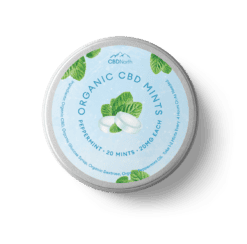
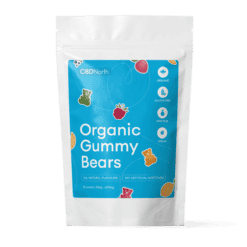
CBD Edibles Collection
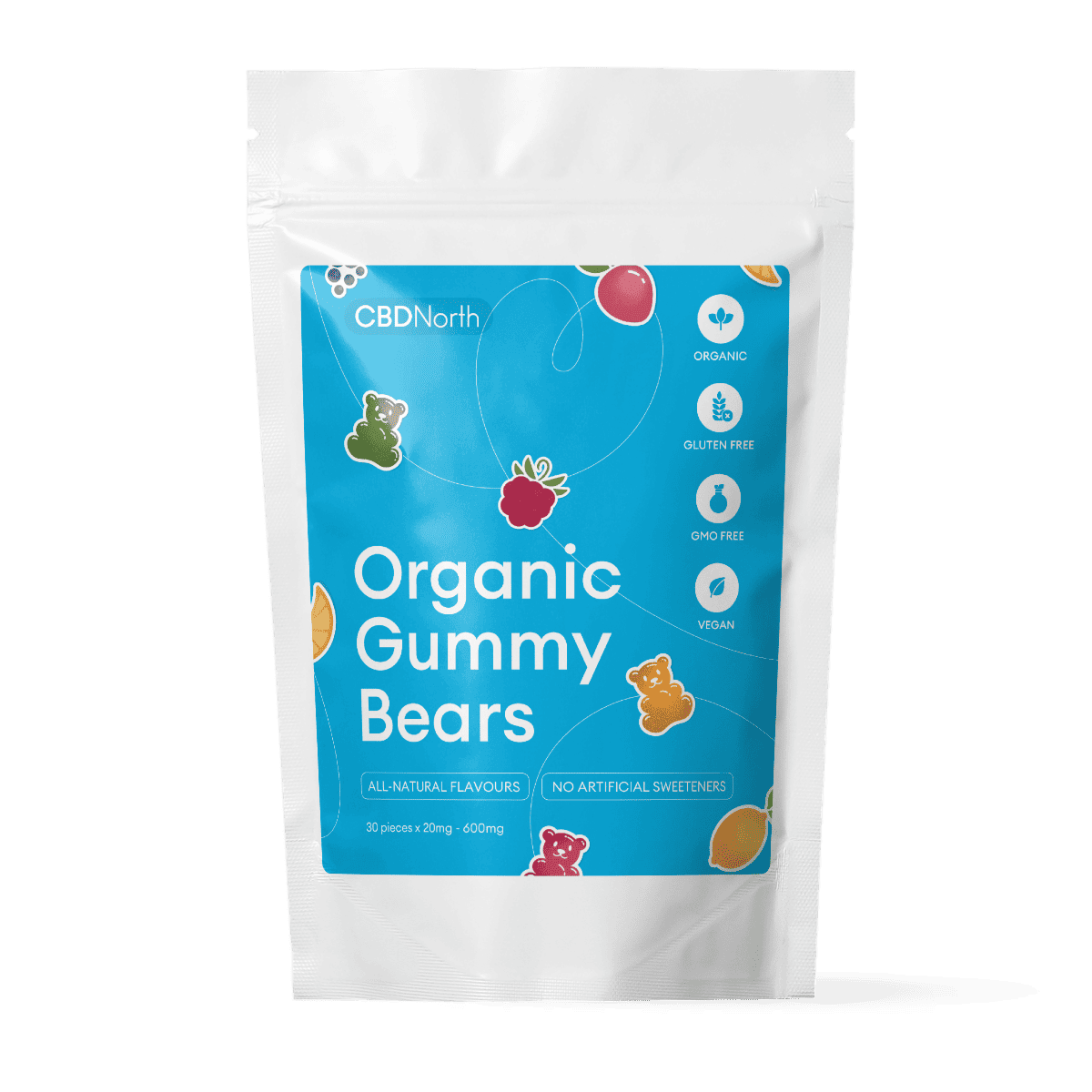
Price range: $19.49 through $35.74
Organic Versus Non Organic Hemp
The main difference between organic and non organic hemp is the growing method, with organic avoiding synthetic pesticides and fertilisers while non organic may use them. This does not automatically make every non organic product unsafe, but organic offers an added layer of assurance. Testing remains the ultimate check either way.
Non organic hemp is not automatically harmful. Many non organic products are perfectly clean, and lab testing can confirm that.
Organic simply reduces certain risks upfront. By ruling out synthetic pesticides and fertilisers from the start, it lowers the chance of those residues.
The two approaches are not mutually exclusive with testing. A non organic product with excellent lab results may be cleaner than an organic one without any testing at all.
So the sensible view is layered. Organic certification is a strong positive, and pairing it with a full Certificate of Analysis gives the most complete reassurance.
How to Shop Smarter for Organic CBD
To shop smarter, look for genuine organic certification, check for a recent third party Certificate of Analysis, and be wary of vague organic style wording that lacks real backing. A few simple checks separate real quality from marketing. The goal is verified substance, not just a reassuring word on the label.
Look for real certification first. Genuine organic status comes from an accredited body, not from a brand simply describing itself as natural or organic.
Pair it with lab results. A recent Certificate of Analysis confirms the finished product matches its claims and is free from contaminants.
Be cautious with loose wording. Terms like organically grown or all natural, without certification or testing to back them, mean very little on their own.
Consider the whole picture too. Quality sourcing supports everything else you value in a product, whether that is a clear head for focus, as in our guide on CBD for focus and concentration, or gentle support for a sensitive condition, as in our guide on CBD for chronic fatigue syndrome.
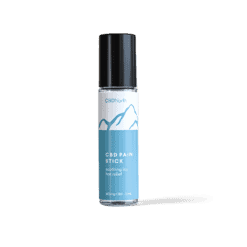
CBD Pain Relief Products
Price range: $29.40 through $73.49
A Note on Broader CBD Safety
This section is mandatory and we never skip it. While organic certification is about growing quality rather than personal health, the usual CBD cautions still apply to anyone using these products.
People taking medications through the CYP450 pathway: CBD affects the liver enzyme system that processes many medications. This interaction is documented by Zendulka et al., 2016, Current Drug Metabolism. Speak with your pharmacist before starting.
Pregnancy and breastfeeding: Health Canada advises against any cannabis product during pregnancy or while breastfeeding, however cleanly the hemp was grown.
Children and youth: CBD products suit adults aged 18 and older only. Age minimums vary by province from 18 to 21.
People with liver conditions: High dose CBD has shown liver enzyme changes in some studies. Consult your doctor before use if you have any liver condition.
People with allergies to cannabis or hemp: If you have a confirmed allergy to cannabis or hemp, do not use CBD products, even certified organic ones.
Scheduled surgery: Stop CBD at least two weeks before any planned surgical procedure due to possible effects on blood clotting and anaesthesia interactions.
Province by Province Access Snapshot
CBD access in Canada is governed federally by the Cannabis Act but provincial age minimums vary. In Alberta, adults aged 18 and over can legally purchase CBD products.
In British Columbia, Ontario, Manitoba, Saskatchewan, Nova Scotia, New Brunswick, Prince Edward Island, and the territories of Yukon, Northwest Territories, and Nunavut, the legal age is 19.
Newfoundland and Labrador sets the minimum at 20, while Quebec has the highest provincial minimum at 21. CBDNorth ships organic certified CBD products across all provinces and territories in Canada.
Last Verified: July 2026. Always confirm current rules at canada.ca/health-canada as provincial regulations can change.
What We Don’t Know Yet: Honest Research Gaps
Whether organic hemp produces a measurably different wellness experience, beyond reduced residues, is not established. The main documented benefit is cleaner growing rather than a different effect.
How consistently organic standards are applied across all hemp sources can be hard to verify from the outside. This is exactly why final product testing matters alongside certification.
The long term regulatory picture for organic CBD labelling continues to develop. Requirements and recognitions may evolve over time.
Health Canada’s Natural Health Product pathway for CBD remains under active consultation as of 2026. The regulatory framework continues to evolve.
Common Questions We Get Asked at CBDNorth
These are some of the real questions Canadians bring to us about organic hemp. We share them because the curiosity behind them comes up often. Individual circumstances vary, and these are general responses rather than medical advice.
“Does USDA organic mean anything for me as a Canadian?” Yes, it does. USDA organic is a widely recognised, rigorous standard, and much of the hemp supply runs through that system. It tells you the hemp was grown cleanly. Canada has its own organic regime too, and both point to the same value of clean growing.
“Is organic CBD actually better than non organic?” Organic offers an added layer of assurance by avoiding synthetic pesticides and fertilisers upfront. It does not automatically make non organic unsafe, though. A non organic product with strong lab results can be very clean, so testing is the real deciding factor.
“Can a brand just say organic without proof?” Some use organic style wording loosely, which is why real certification matters. Genuine organic status comes from an accredited body, not a self description. Look for actual certification plus a Certificate of Analysis rather than trusting a word on the label.
“Why does hemp need to be organic more than other crops?” Because hemp is especially absorbent, taking up substances from its soil more readily than many crops. This makes clean growing particularly important, since contaminants in the ground can end up in the extract. Organic growing helps reduce that risk from the start.
“Should I choose organic or focus on lab testing?” Ideally both, since they answer different questions. Organic certification tells you how the hemp was grown, while lab testing confirms what is actually in the finished product. Together they give the most complete reassurance about quality.
CBDNorth Lab Note
Clean sourcing sits at the foundation of everything we make. We use USDA organic certified hemp precisely because how a plant is grown shapes the quality of the final product.
Our hemp is USDA organic certified and extracted using supercritical CO2 with no harsh solvent residues. Clean growing paired with clean extraction gives the finished product the best possible starting point.
We back this up with testing at every batch. Every CBDNorth product goes through batch by batch testing at an ISO certified Canadian laboratory, with full panel results covering cannabinoid levels, pesticides, heavy metals, and residual solvents, all available openly on our lab reports page.
If the cost of accessing quality lab tested CBD is a barrier for you, our Assistance Program is available for Canadians who qualify. Organic sourcing and independent testing together are how we give you both layers of assurance. Before starting any new wellness product, please speak with a qualified healthcare practitioner.
Frequently Asked Questions
Q: What does USDA organic mean for CBD in Canada?
USDA organic means the hemp was grown without synthetic pesticides or fertilisers, under strict standards verified by independent inspection. For Canadian buyers, it is a recognised quality signal.
Even though it is a United States standard, much of the hemp supply runs through that system. Canada has its own organic regime too, and both point to clean growing.
Q: What does USDA organic certification require?
It requires growing without synthetic pesticides or fertilisers, using only approved organic inputs, on land with a clean substance history, and verified through independent inspection.
An accredited certifying agent checks the operation, so the label reflects verified practices rather than a marketing claim. It sets a genuinely high bar.
Q: Why does organic hemp matter for CBD?
Hemp is a bioaccumulator, drawing substances up from the soil, so anything used on the ground can end up in the final product. Organic growing reduces the chance of synthetic residues.
This makes organic sourcing a meaningful quality decision. Pesticide residue testing on the final product then confirms whether the clean growing carried through.
Q: Is organic CBD better than non organic?
Organic offers an added layer of assurance by avoiding synthetic pesticides and fertilisers upfront. It does not automatically make non organic products unsafe, though.
A non organic product with strong lab results can be very clean. Testing remains the ultimate check, so organic plus a Certificate of Analysis is the strongest combination.
Q: Does Canada have its own organic standard?
Yes, Canada operates the Canada Organic regime, which sets comparable standards. The two countries recognise each other’s organic certifications under an equivalency arrangement.
What matters most is the clean growing behind whichever seal appears. The real value lies in the verified practices the certification represents.
Q: How do I know an organic claim is genuine?
Look for real certification from an accredited body rather than loose wording like organically grown or all natural, which mean little without backing.
Pair the certification with a recent third party Certificate of Analysis. Genuine quality shows up as verified substance, not just a reassuring word on the label.
Before starting any new wellness supplement, please speak with a qualified healthcare practitioner, especially if you take prescription medications or have a health condition.
These statements have not been evaluated by Health Canada. CBDNorth products are not intended to diagnose, treat, cure, or prevent any disease or medical condition. This content is for educational purposes only and does not constitute medical advice. Please consult a qualified healthcare practitioner before use. Must be 18 and older to purchase; age requirements vary by province.