One of the most common questions Canadians ask before starting CBD is also one of the most important. What happens if I take too much? It is a fair question and it deserves a straight, honest answer. The short version is that CBD is generally considered well tolerated, even at high doses, and there is no documented case of a fatal CBD overdose.
The longer version is more useful, because it covers what side effects can actually occur, what liver and medication considerations matter, and how to dose safely so you do not have to worry about this in the first place. This content is for educational purposes only and is not medical advice.
Canadian Cannabinoid Honesty Scorecard
Evidence at a Glance
CBD has a favourable safety profile at typical doses (WHO Expert Committee on Drug Dependence, 2018)
High dose CBD can elevate liver enzymes in some users (Watkins et al., 2021, Molecules)
CBD interacts with the CYP450 enzyme system (Zendulka et al., 2016, Current Drug Metabolism)
High doses may cause transient drowsiness and fatigue
CBD can cause fatal overdose (not supported by any documented evidence)
More CBD always means better results (not supported by clinical evidence)
Can You Actually Overdose on CBD?
The clearest answer comes from the World Health Organization. In its 2018 Critical Review Report on cannabidiol, the WHO Expert Committee on Drug Dependence concluded that CBD has a good safety profile and does not exhibit effects indicative of abuse or dependence potential.
The report also noted that there is no documented case of a fatal CBD overdose anywhere in the medical literature. This is a meaningful statement coming from a global health body, and it remains the most authoritative reference point as of 2025.
But the word overdose carries different meanings in different contexts. In the medical sense most people associate with the word, meaning a life threatening reaction, CBD does not appear to cause this at any dose that has been studied in humans.
Researchers have administered very high doses, up to 1500 mg per day in clinical trials, without observing the kind of dangerous physiological effects that opioids, benzodiazepines, or alcohol can cause. CBD does not suppress the respiratory drive in the brainstem, which is what makes those other substances so dangerous at high doses. This is why CBD is generally considered to have a wide safety margin.
That said, well tolerated does not mean side effect free. Taking too much CBD can produce uncomfortable effects, and certain populations face real interaction risks. The rest of this guide focuses on what actually happens at high doses, who needs to be most careful, and how to avoid the situation in the first place.
What Side Effects Can High Dose CBD Actually Cause?
Common Side Effects at High Doses
Drowsiness and Fatigue
The most common side effect. Heavy sleepiness that persists into daytime hours.
Dry Mouth
Reduced saliva production. Mild and resolves with hydration.
Diarrhoea or Loose Stools
More common with carrier oils than with CBD itself. Reduce dose if persistent.
Reduced Appetite
Less common but reported. Different from THC’s appetite increase.
Lightheadedness
May relate to mild blood pressure changes. Sit down if it occurs.
Liver Enzyme Elevation
Documented at very high doses. Most relevant for people on liver processed medications.
Drowsiness is by far the most common side effect of taking more CBD than your body wants. This is not a dangerous symptom but it can be disruptive, particularly if it happens during the day when you need to drive, work, or care for others. If you find yourself unexpectedly drowsy after a dose, your body is telling you the amount was higher than it needed to be. The solution is to reduce the next serving rather than push through.
Dry mouth, often called cottonmouth, is a mild but consistent effect of cannabinoid use generally. It happens because cannabinoid receptors are present in the salivary glands. Staying well hydrated before, during, and after CBD use addresses this almost entirely. It is uncomfortable but not concerning.
Digestive side effects like loose stools or diarrhoea are often related to the carrier oils used in CBD products rather than to CBD itself. MCT oil, the most common carrier, can have a laxative effect at higher amounts. If you are experiencing this, reducing your dose usually resolves it quickly. If it persists despite a lower dose, the issue may be the carrier oil itself rather than the CBD content.
What About CBD and Liver Enzymes?
This is the most clinically important consideration when discussing high dose CBD, and it deserves attention rather than dismissal. A 2021 review published in Molecules by Watkins and colleagues examined the available evidence on CBD and liver function.
The review found that elevated liver enzymes have been observed in clinical trials of high dose CBD, particularly in studies of pharmaceutical grade CBD used at doses far above what typical wellness users take. The enzyme elevations were usually reversible when CBD was reduced or stopped.
What does this mean for a typical Canadian taking 10 to 50 mg of CBD per day for general wellness? For most healthy adults, the dose range typical of everyday use is well below the levels that have been associated with liver enzyme changes in clinical trials. Those trial findings have generally involved doses in the hundreds or even thousands of milligrams per day. That said, the liver consideration becomes more relevant in two scenarios.
The first is people taking other medications that are processed through the same liver enzyme system as CBD. The CYP450 enzyme pathway, particularly the CYP3A4 and CYP2C19 enzymes, handles a wide range of common medications including blood thinners like warfarin, certain antidepressants, antiepileptic drugs, statins, and some heart medications.
CBD can slow down how the liver processes these medications, which means the medications may stay in your system longer and at higher concentrations than intended. This interaction is documented in peer reviewed research by Zendulka and colleagues in Current Drug Metabolism, 2016, and it is a real consideration rather than a theoretical one.
The second scenario is people with pre existing liver conditions. The liver is the organ that does most of the work processing CBD, and a liver already under strain has less capacity to handle additional load. If you have any liver condition, even a mild one, speak with your doctor before adding CBD to your routine. This is not a warning meant to scare you off but a genuine clinical caution.
Why Does More CBD Not Always Mean Better Results?
There is a counterintuitive principle in cannabinoid science that is worth understanding. CBD does not follow a simple dose response curve where more equals more benefit. Several studies have actually found what researchers call a biphasic response, where moderate doses produce more useful effects than very high doses for certain wellness outcomes. This is sometimes informally called the bell curve effect.
What this means in practical terms is that doubling your dose is not likely to double your results. In fact, many users report that pushing the dose too high simply produces more side effects without any additional benefit.
Drowsiness increases, dry mouth gets worse, and the subtle effects they were enjoying at a lower dose become harder to detect. This is why the standard recommendation across the CBD wellness space is to start low, go slow, and find the minimum effective dose for your body rather than chasing higher numbers.
It also matters which format you are using. The same number of milligrams can feel different when delivered as oil under the tongue versus as a gummy that has to digest. For Canadians comparing the two, our CBD oil vs gummies comparison covers the absorption differences in more detail. The key takeaway is that the same dose will not necessarily feel the same across different formats.
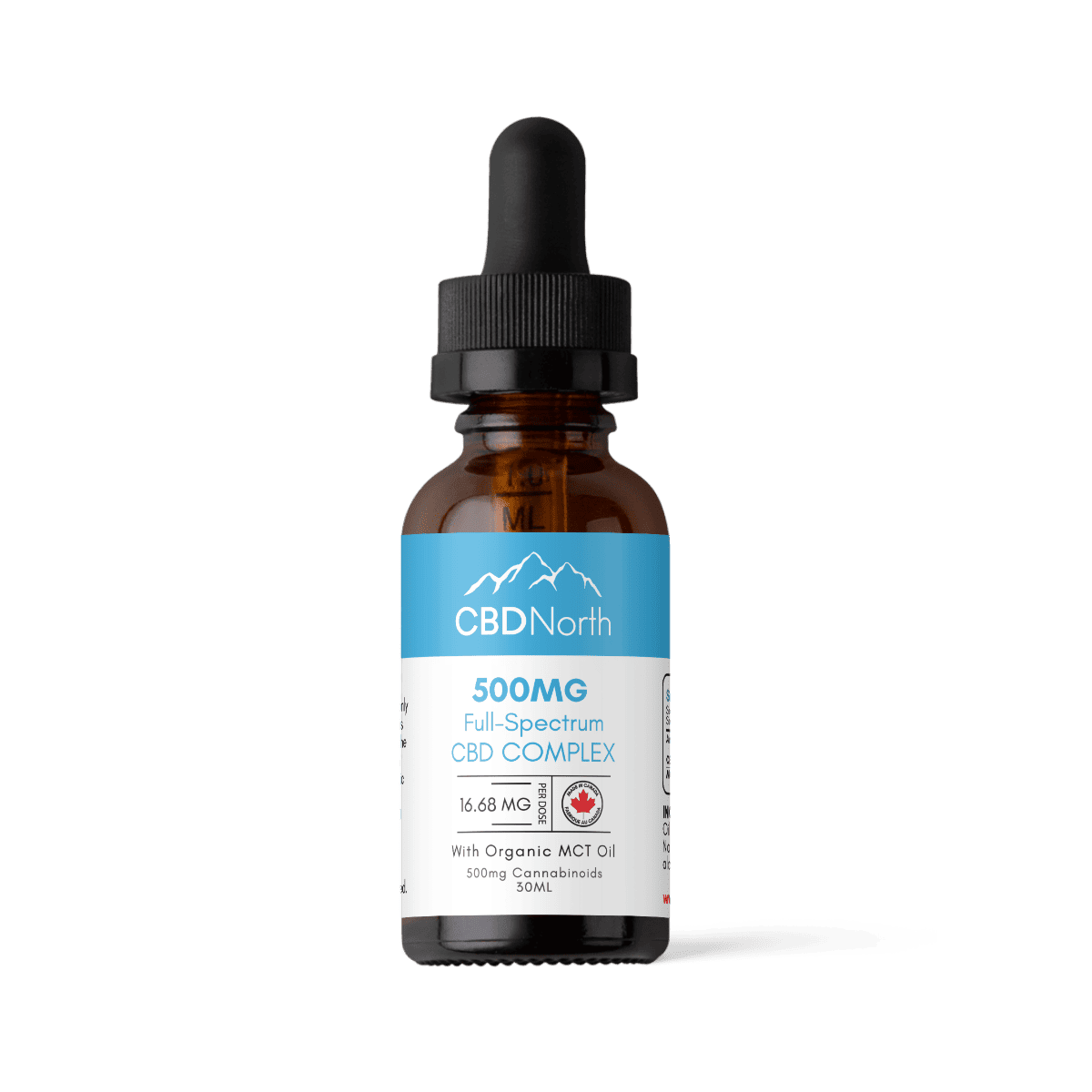
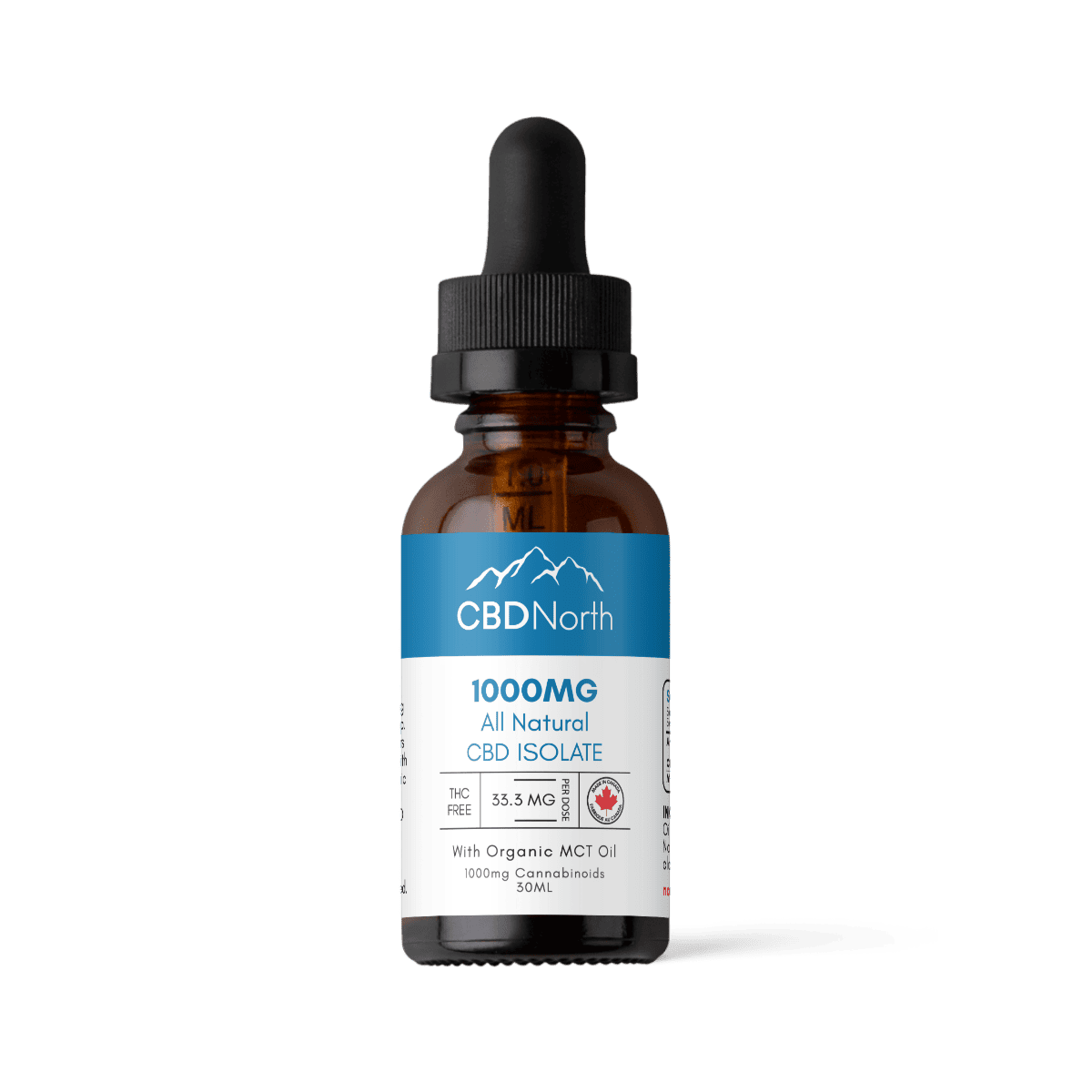
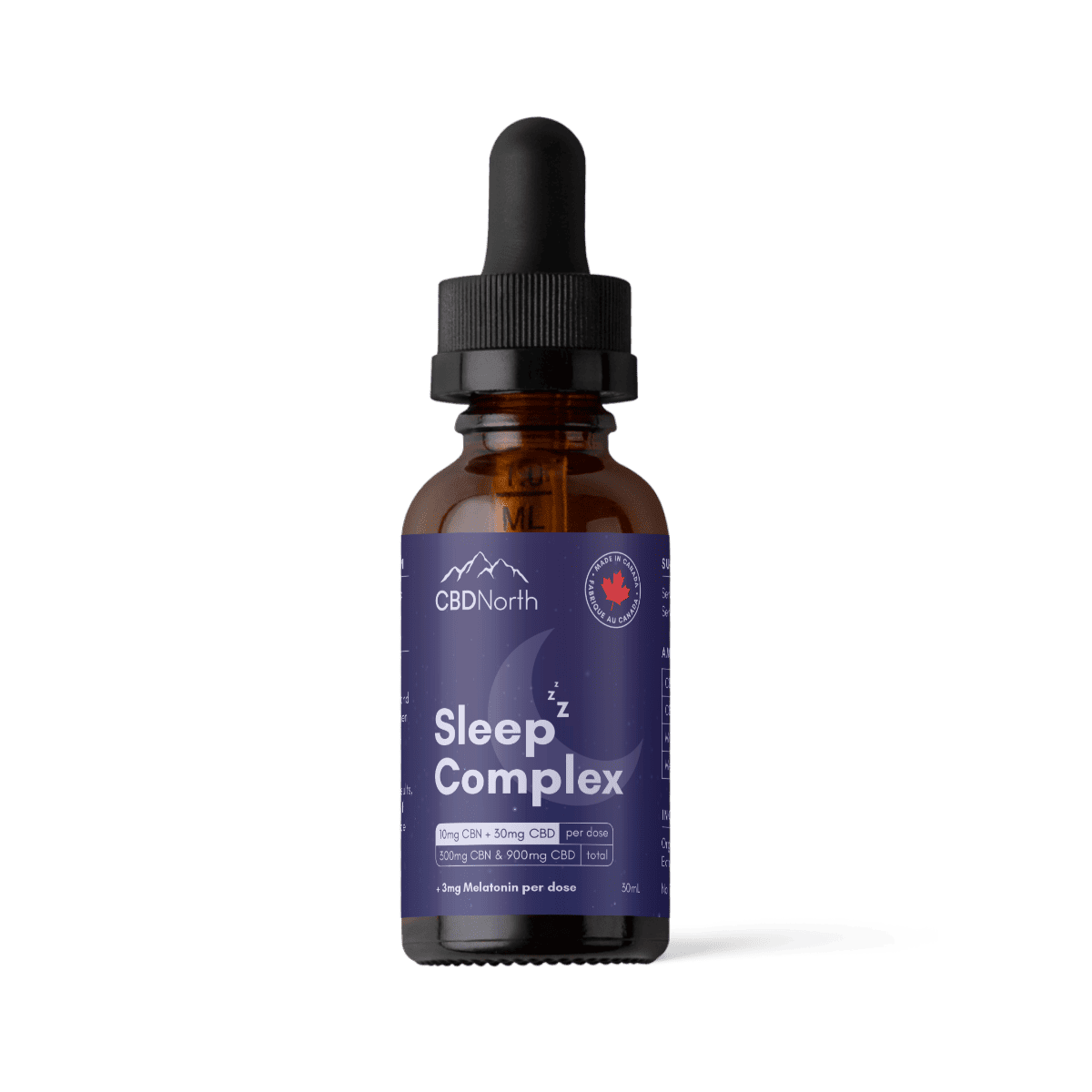
CBD Oil Collection
How Do You Know If You Have Taken Too Much?
Signs Your Dose Is Too High
Persistent Daytime Drowsiness
Feeling sleepy hours after your dose, especially when you need to be alert.
Heavy or Sluggish Feeling
A noticeable mental cloudiness rather than calm focus.
Digestive Upset
Loose stools, nausea, or stomach discomfort within hours of dosing.
Mild Lightheadedness
A feeling of dizziness when standing up too quickly.
Diminishing Benefits
Higher dose feels less effective than your previous lower dose did.
Unusual Fatigue at Rest
Feeling unusually tired even when you have slept well.
The most reliable signal that you have taken more CBD than your body needs is the absence of additional benefit combined with the presence of additional side effects. If your sleep was better, your stress lower, or your discomfort reduced at 25 mg per day, and you have moved up to 50 mg without any further improvement but now you feel groggier, that is the body telling you the lower dose was already enough. There is no medal for higher CBD intake. The right dose is the smallest one that gives you the support you are looking for.
If you have taken what feels like too much, the best response is simply to wait, hydrate, rest if needed, and reduce your next dose. CBD’s effects fade naturally over several hours and any discomfort typically resolves on its own. There is no antidote needed and no emergency room visit warranted for a typical high dose. If symptoms feel severe or unfamiliar, of course speak with a healthcare provider, but a moderately uncomfortable evening is the more typical outcome.
How to Dose Safely and Avoid Taking Too Much
The single most useful principle for safe CBD use is start low and go slow. Most Canadian adults beginning a CBD routine start somewhere between 10 and 25 mg per day. After two weeks of consistent use at that dose, they assess whether the level of support they are experiencing is enough.
If not, they increase by another 5 to 10 mg and reassess after another two weeks. This pace lets your body adjust, lets you understand your individual response, and prevents the common mistake of starting too high and then attributing all the side effects to CBD when in reality the dose was just bigger than your body needed.
Timing matters too. If you are new to CBD, taking your first dose in the evening rather than the morning means that any unexpected drowsiness coincides with the time you actually want to sleep. This removes one of the most common reasons people stop CBD after one or two attempts, which is feeling unexpectedly sleepy during the day. Once you know how your body responds, you can experiment with morning doses if that fits your routine better.
Knowing what is actually in your product is also essential to safe dosing. Not all CBD products on the Canadian market match their label claims. A product that advertises 1000 mg per bottle but actually contains 600 mg will not produce the effect you expect, and a product that contains more than its label suggests creates the opposite risk. This is why third party lab testing matters. A reputable brand provides batch specific Certificates of Analysis showing exactly what is in the product you are buying.
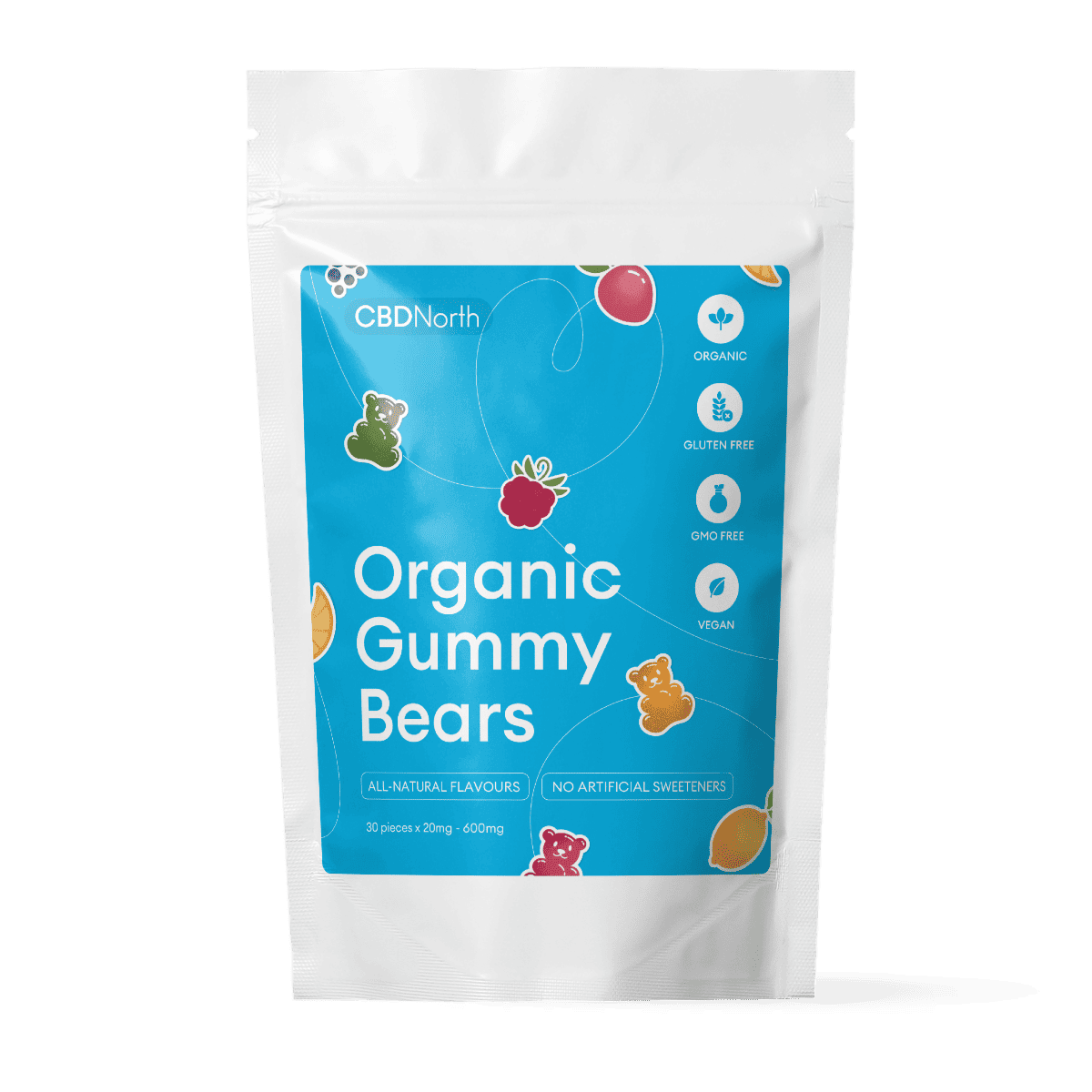
CBD Edibles Collection
What About Taking CBD With Other Cannabinoids or THC?
Most CBD products sold in Canada contain only trace amounts of THC, within the legal limit of up to 1 percent. At these levels, you will not feel any intoxication from a typical full spectrum CBD product. However, the situation changes when you start combining products.
Taking a full spectrum CBD oil alongside a THC product produces different effects than either alone, and stacking multiple cannabinoid products can shift your total intake into territory you did not intend.
For Canadians considering THC gummies alongside CBD products, our CBD gummies vs THC gummies guide covers what to expect from each and how they differ. The general principle for safe combined use is to introduce one product at a time, give yourself two weeks to understand how it affects you, and then consider whether to add anything else. Stacking from day one is the most common way people end up with side effects they did not anticipate.
For Canadians using CBD topicals alongside ingestible CBD, the combination is generally low risk because topicals do not enter the bloodstream meaningfully. Our CBD roller vs CBD cream guide covers how topicals work and why they fit into a broader CBD routine without contributing significantly to your systemic intake.
Who Needs to Be Especially Careful With CBD Dosing?
This section is mandatory and we never skip it.
Pregnancy and breastfeeding: Health Canada advises against using any cannabis product during pregnancy or while breastfeeding. This applies to CBD regardless of THC content or format.
Children and youth: CBD products are intended for adults aged 18 and older. Age minimums vary by province from 18 to 21. These products are not appropriate for anyone under the legal age in their province.
People taking medications through the CYP450 pathway: CBD affects the liver enzyme system that processes a wide range of common medications including blood thinners, SSRIs and other antidepressants, antiepileptic drugs, statins, certain heart medications, and some immunosuppressants.
This interaction is documented in peer reviewed research by Zendulka et al., 2016, Current Drug Metabolism. If you take any prescription medication regularly, speak with your pharmacist before adding CBD to your routine. This is one of the most important practical considerations for safe CBD use.
People with pre existing liver conditions: The liver does most of the work processing CBD. If you have hepatitis, fatty liver disease, cirrhosis, or any other diagnosed liver condition, speak with your doctor before using CBD products.
People undergoing chemotherapy or treatment for serious illness: Many cancer treatment medications are processed through the same liver enzyme system as CBD. The interaction can be significant. Anyone undergoing active medical treatment should speak with their specialist before adding CBD.
People scheduled for surgery: Some healthcare practitioners recommend stopping CBD at least two weeks before any planned surgical procedure due to possible effects on blood clotting and anaesthesia interactions.
People with severe immune conditions: CBD has immune modulating effects that may interact with prescribed immune medications. For more on this connection, our guide on how CBD interacts with the immune system explains the mechanism in detail. Always speak with your specialist if you manage an autoimmune condition.
People with allergies to cannabis or hemp: If you have a confirmed allergy to cannabis or hemp, do not use CBD products. Our CBD for seasonal allergies guide covers this caution in more detail.
What We Don’t Know Yet: Honest Research Gaps
Research Honesty Box
- The long term effects of daily CBD use spanning years rather than weeks have not been studied in robust form. Most clinical trials run for weeks or months, not multiple years.
- The exact threshold at which CBD causes clinically significant liver enzyme changes in everyday wellness users is not well established. Trial data comes mostly from very high pharmaceutical doses.
- It is not known whether certain individuals are genetically predisposed to higher CBD sensitivity or liver enzyme reactions. Personalised dosing guidance based on genetic profiles does not exist as of 2025.
- The interaction between CBD and many common over the counter medications has not been studied in dedicated trials. The general CYP450 caution applies but specific effects with specific medications remain unclear.
- Health Canada’s Natural Health Product pathway for CBD remains under active consultation as of 2025. The regulatory framework continues to evolve.
Province by Province Access Snapshot
Canadian Access Overview
Age 19 • Ships Yes
Age 18 • Ships Yes
Age 19 • Ships Yes
Age 21 • Ships Yes
Age 19 • Ships Yes
Age 19 • Ships Yes
Age 19 • Ships Yes
Age 19 • Ships Yes
Age 19 • Ships Yes
Age 20 • Ships Yes
Age 19 • Ships Yes
Last Verified: May 2026. Always confirm current rules at canada.ca/health-canada.
Real Canadian User Experience Log
The following logs are shared with full user consent. Individual results vary. These are personal experience reports and not medical outcomes.
Took 50 mg CBD oil on first day, more than recommended starting amount. Felt heavy drowsiness within the hour and stayed sleepy through evening. No serious symptoms but uncomfortable. Reduced to 15 mg the following day and felt much better balanced.
Stayed at 15 mg for two weeks. Noticed calmer evenings and better sleep without daytime drowsiness. Did not increase further because the lower dose was already producing the support she wanted.
Increased from 25 mg to 75 mg per day thinking more would help. Reported dry mouth, loose stools, and reduced sense of benefit compared to lower dose. Returned to 25 mg after one week.
Spoke with pharmacist before adding CBD because of cholesterol medication. Pharmacist suggested monitoring and starting at the lower end. Continued daily 25 mg without observed interaction issues.
Found that 10 mg per day was the right amount; anything higher produced heaviness. Confirmed that some individuals are simply more sensitive to cannabinoids than others. Stayed at low dose long term.
CBDNorth Lab Note
Knowing what is actually in your CBD product matters more for safety than almost any other consideration. A product that does not match its label could lead you to take more or less than you intended without realising it.
Every CBDNorth product is tested batch by batch at an ISO certified Canadian laboratory, with full panel results covering cannabinoid levels, pesticides, heavy metals, and residual solvents all available openly on our lab reports page.
Our hemp is USDA organic certified and extracted using supercritical CO2, with no harsh solvent residues. If the cost of accessing quality lab tested CBD is a barrier for you, our Assistance Program is available for Canadians who qualify.
Before adding any new wellness product to your routine, especially if you take prescription medications, please speak with a qualified healthcare practitioner.
CBD Pain Relief Products
Frequently Asked Questions
Q: Can you overdose on CBD?
In the medical sense of a life threatening reaction, no. There is no documented case of a fatal CBD overdose in the medical literature. The World Health Organization concluded in its 2018 report that CBD has a favourable safety profile. However, taking too much CBD can still cause uncomfortable side effects like drowsiness, dry mouth, and digestive upset. These are not dangerous but are signals that the dose is higher than your body needs.
Q: What are the side effects of taking too much CBD?
The most common side effects of high dose CBD are drowsiness, dry mouth, loose stools, reduced appetite, mild lightheadedness, and unusual fatigue. Less commonly, very high doses studied in clinical trials have shown elevated liver enzymes, though these effects are usually reversible. Most everyday wellness users at typical doses do not experience this.
Q: How much CBD is too much for one day?
This varies significantly by body weight, individual sensitivity, format, and what you are using CBD for. Most Canadian adults find their effective dose somewhere between 10 and 50 mg per day. Doses above 100 mg per day are uncommon for general wellness and more typical of pharmaceutical applications under medical supervision. If you are experiencing side effects, the dose is too much regardless of the absolute number in milligrams.
Q: Can CBD damage your liver?
At typical wellness doses, the evidence does not suggest that CBD causes meaningful liver damage in healthy adults. Elevated liver enzymes have been observed in clinical trials at very high pharmaceutical doses, but these effects were usually reversible when CBD was reduced. The bigger practical concern is the interaction between CBD and medications processed through the same liver enzyme system. If you take prescription medication or have a pre existing liver condition, speak with your doctor before using CBD.
Q: What should I do if I think I took too much CBD?
Stay calm. CBD does not cause life threatening reactions at any dose studied in humans. Hydrate well, rest if you feel drowsy, and avoid driving until the effects fade. Reduce your next dose significantly. Effects typically pass within a few hours. If symptoms feel severe or unusual, of course speak with a healthcare provider, but the typical outcome is simply an uncomfortable few hours that resolves on its own.
Q: Does more CBD work better?
Not necessarily. Research suggests CBD follows a biphasic response in many users, meaning moderate doses can produce more useful effects than very high doses for certain wellness outcomes. Higher doses often just produce more side effects without additional benefit. The smart approach is to find the minimum effective dose for your body rather than assuming bigger is better.
Before starting any new wellness supplement, please speak with a qualified healthcare practitioner, especially if you take prescription medications or have a pre existing health condition.
These statements have not been evaluated by Health Canada. CBDNorth products are not intended to diagnose, treat, cure, or prevent any disease or medical condition. This content is for educational purposes only and does not constitute medical advice. Please consult a qualified healthcare practitioner before use. Must be 18 and older to purchase; age requirements vary by province.