CBD is not a treatment for Parkinson’s disease and does not slow or reverse it. Early research has explored cannabinoids and neurological function, and some families ask about CBD for secondary symptoms like sleep or anxiety, but the evidence stays limited and mixed. Anyone with Parkinson’s must involve their neurologist before considering CBD, because real medication interaction concerns apply.
Parkinson’s disease affects many Canadians and their families, and it is understandable that loved ones search widely for anything that might help. This guide looks honestly at what the research shows, where any interest in CBD realistically sits, and why medical guidance is essential. This content is for educational purposes only and is not medical advice.
Key Takeaways
- CBD is not a treatment for Parkinson’s and does not slow or reverse the disease.
- Parkinson’s involves the loss of dopamine producing brain cells over time.
- Early research on CBD and neurological function is limited and inconclusive.
- CBD can interact with Parkinson’s medications, so a neurologist must be involved.
- Any interest relates to secondary symptoms, never to treating the disease itself.
What Is Parkinson’s Disease?
Parkinson’s disease is a progressive neurological condition caused by the gradual loss of brain cells that produce dopamine, a chemical messenger essential for smooth, controlled movement. As dopamine declines, movement and other functions suffer increasingly. It is a complex condition with both motor and non motor symptoms.
Dopamine plays a central role in coordinating movement. When the cells that make it die off, the brain struggles to send smooth movement signals.
This shortage is why the well known motor symptoms appear. Tremor, stiffness, slowness of movement, and balance difficulties form the hallmark physical signs.
Parkinson’s involves more than movement, though. Many people also experience non motor symptoms that can affect daily life just as much.
Understanding these two categories helps explain where CBD interest arises. That interest relates almost entirely to certain non motor symptoms rather than the core disease.
The Two Sides of Parkinson’s Symptoms
Parkinson’s affects both movement and other body functions
Tremor, often starting in a hand
Stiffness and rigidity in muscles
Slowness of movement
Balance and posture difficulties
Sleep disturbances
Anxiety and mood changes
Pain and discomfort
Fatigue and other effects
Symptoms and their severity vary greatly between individuals. This is a general overview only.
Neurologists manage Parkinson’s using proven medications. These treatments, especially those that replace or mimic dopamine, form the foundation of care and genuinely help many people.
CBD Oil Collection
What Is the Research Actually Finding?
Research on CBD and Parkinson’s is early, small, and mixed, with no large trial showing that CBD treats the disease or its core motor symptoms. Some small studies have explored CBD for certain non motor symptoms like sleep or quality of life, with modest and inconsistent results. The honest picture is that this remains an active research question, not a settled one.
Interest in cannabinoids and the brain is genuine. The endocannabinoid system takes part in many neurological processes, which is why researchers have looked at Parkinson’s at all.
The term neuroprotection appears often in this discussion. Some laboratory research has explored whether cannabinoids might protect nerve cells, but laboratory findings do not translate into proven human benefit.
A few small human studies have looked at CBD for non motor symptoms. Their results stayed modest and inconsistent, and these studies are far too limited to support any treatment claim.
No large scale trial as of 2026 shows CBD improving Parkinson’s outcomes. Under Canada’s Cannabis Act, CBD cannot be claimed to treat Parkinson’s, and we will not make such a claim.
The Critical Safety Concern: Medication Interactions
The most important safety issue is that CBD can interact with Parkinson’s medications through the liver enzyme system, which makes neurologist involvement essential. Parkinson’s treatment relies on carefully balanced medications, and anything that alters their levels could affect symptom control. This is why no one should add CBD without specialist guidance.
Parkinson’s medications require precise balance. Neurologists finely tune drugs like levodopa to manage symptoms across the day.
CBD affects the CYP450 liver enzyme pathway, as Zendulka and colleagues documented in 2016 in Current Drug Metabolism. When CBD competes for these enzymes, it can change how the body processes certain medications.
For Parkinson’s, disrupting that careful balance carries real risk. A shift in medication levels could worsen symptom control or trigger unexpected effects.
Only a neurologist can weigh these risks properly. They know the person’s full medication regimen and can advise whether CBD is appropriate and how to monitor safely, as we also stress in our guide on talking to your doctor about CBD.
Where Does CBD Interest Realistically Sit?
If CBD has any role for someone with Parkinson’s, it is only as possible support for certain non motor symptoms like sleep or anxiety, never as a treatment for the disease or its motor symptoms. Even this narrow interest requires neurologist approval first. The panel below shows the honest boundary between interest and proven care.
CBD and Parkinson’s: The Honest Boundary
Treat or slow Parkinson’s disease
Restore lost dopamine
Improve core motor symptoms reliably
Replace prescribed medication or specialist care
Sleep difficulties, a common non motor symptom
Anxiety and mood, with specialist input
General comfort and wellbeing
Only ever alongside, never instead of, neurology care
Any interest is secondary and requires neurologist clearance. CBD is never a Parkinson’s treatment.
Sleep problems are common in Parkinson’s. Because poor sleep affects quality of life so much, some families ask whether CBD might help in this area specifically.
Anxiety and mood changes also occur frequently. The emotional burden of a progressive condition is real, and support for wellbeing genuinely matters, though it must come through proper channels.
Even these secondary interests sit firmly behind medical guidance. A neurologist must lead any decision about CBD for a person with Parkinson’s, given the interaction risk.
CBD Edibles Collection

A Note for Families and Caregivers
Families often research CBD out of deep love and a wish to help, and that instinct is completely understandable. The most helpful thing a family can do is bring the question to the neurologist rather than starting CBD independently. This approach protects the person’s carefully managed care.
Watching a loved one live with Parkinson’s is hard. The desire to find something, anything, that might ease their experience is a natural and caring response.
That care works best when channelled through the medical team. Raising CBD with the neurologist means any decision happens safely, with the person’s full picture in view.
Starting CBD without telling the doctor can cause harm. An unsupervised addition could quietly disrupt the medication balance that keeps symptoms managed, because of the interaction risk.
Openness is the safest path. If CBD does come up, sharing it honestly with the care team lets everyone make the best decision together, much as we encourage for other conditions like autoimmune conditions such as lupus.
Format and Spectrum Considerations, With Care
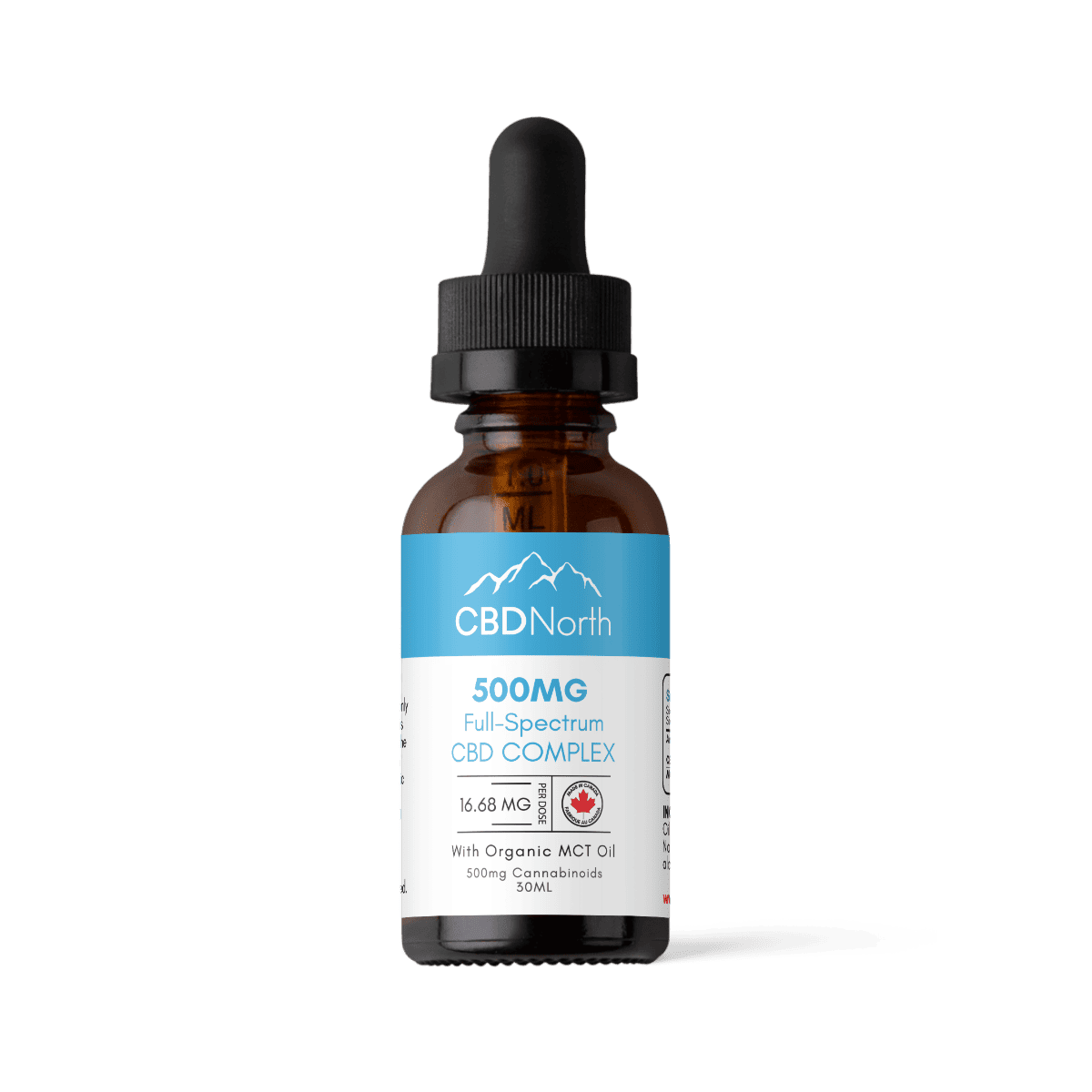
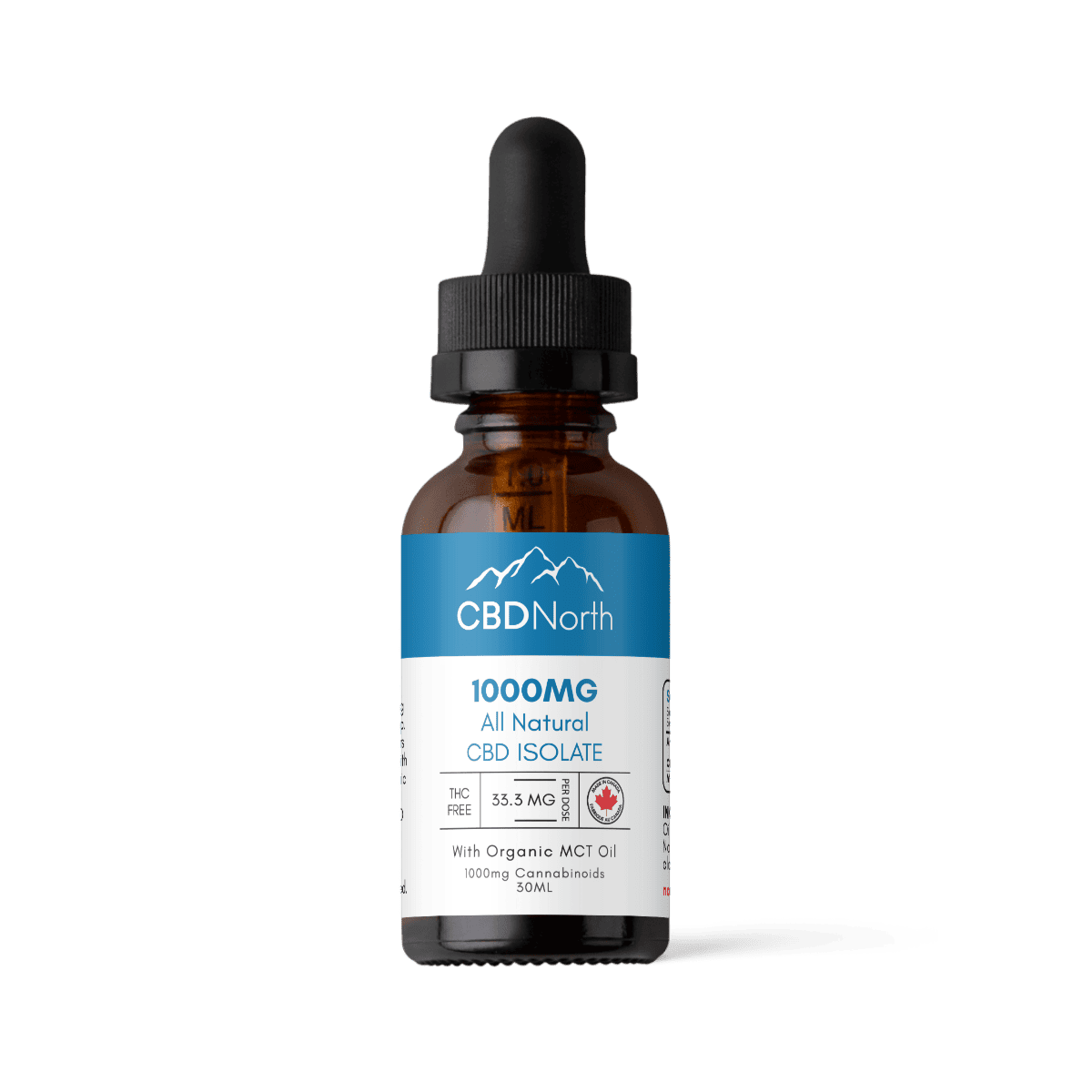
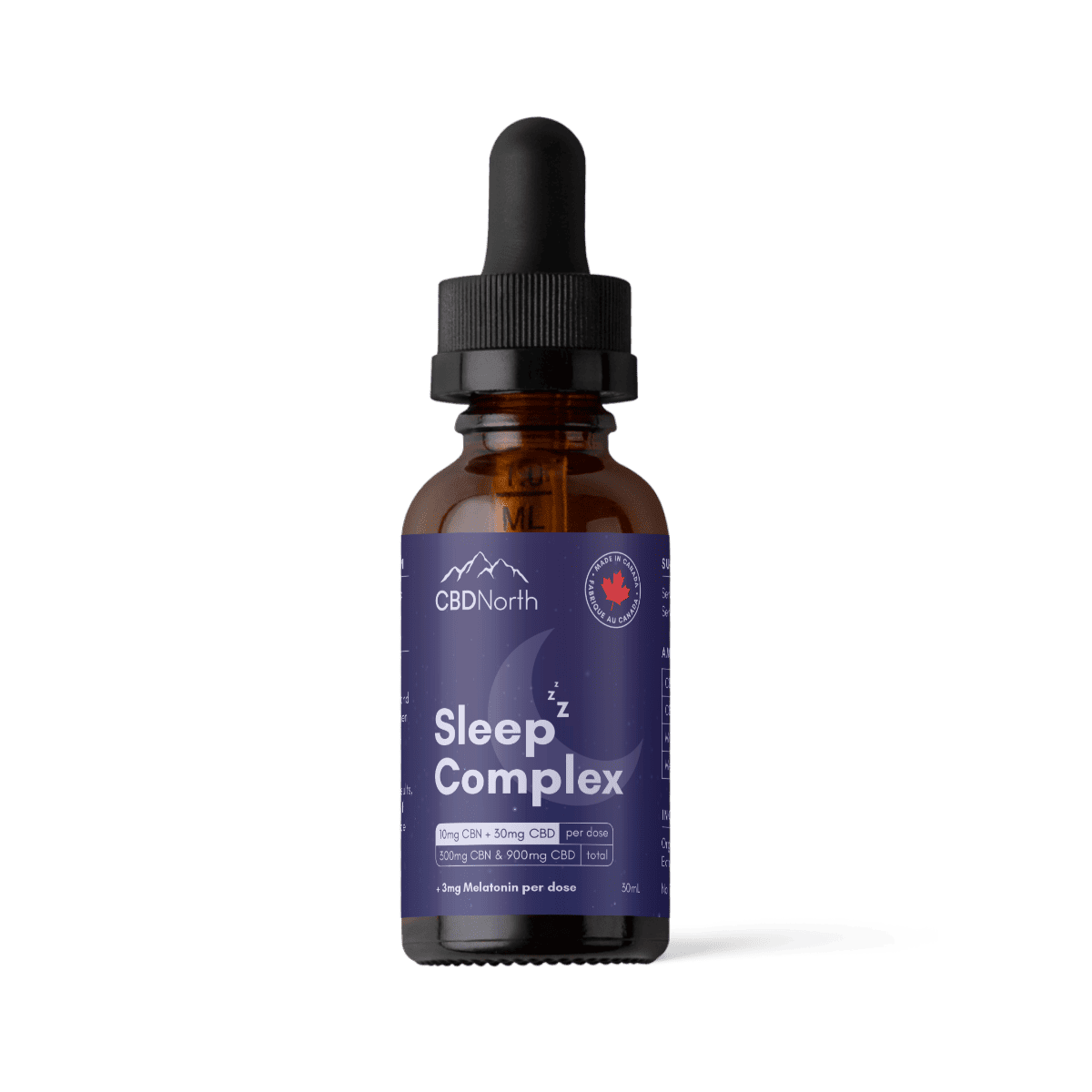
For anyone with Parkinson’s who has neurologist clearance, format and spectrum deserve extra care, favouring precise dosing and simplicity. Sublingual oil allows the fine control that matters when interactions are a concern, while isolate offers the simplest single compound profile. These choices support caution, not treatment.
Precise dosing matters most here. CBD oil taken sublingually, with onset around 15 to 45 minutes, allows careful low and slow adjustment under supervision.
Practicality also matters for some people. Tremor or movement difficulties can make handling a dropper hard, so a caregiver’s help or a simpler format may suit better.
Spectrum choice leans toward simplicity. Full spectrum contains trace THC up to Canada’s 1 percent limit, while broad spectrum and isolate remove it, and isolate introduces the fewest additional compounds.
For someone managing a complex regimen, fewer variables can be safer. Always verify a product’s Certificate of Analysis to confirm cannabinoid content, and remember Canada allows up to 1 percent THC, which differs from the US federal threshold.
CBD Pain Relief Products
Who Should NOT Use CBD With Parkinson’s?
This section is mandatory and we never skip it. For Parkinson’s, these cautions matter especially given the medication and neurological concerns.
Anyone on Parkinson’s medication without neurologist approval: CBD can interact with levodopa and other drugs through the CYP450 pathway that Zendulka et al., 2016 documented. This could disrupt symptom control, so specialist clearance comes first.
Anyone using CBD to treat Parkinson’s: CBD does not treat the disease and must never replace prescribed medication or specialist care. Substituting it could cause genuine harm.
People with significant blood pressure changes: Some people with Parkinson’s experience blood pressure regulation issues. Since CBD may affect blood pressure, this warrants specialist attention before use.
Pregnancy and breastfeeding: Health Canada advises against any cannabis product during pregnancy or while breastfeeding, regardless of any other condition.
Children and youth: CBD products suit adults aged 18 and older only. Age minimums vary by province from 18 to 21.
People with liver conditions: High dose CBD has shown liver enzyme changes in some studies. Consult the medical team before use if any liver condition is present.
People with allergies to cannabis or hemp: If you have a confirmed allergy to cannabis or hemp, do not use CBD products.
Scheduled surgery: Stop CBD at least two weeks before any planned surgical procedure due to possible effects on blood clotting and anaesthesia interactions.
Province by Province Access Snapshot
CBD access in Canada is governed federally by the Cannabis Act but provincial age minimums vary. In Alberta, adults aged 18 and over can legally purchase CBD products.
In British Columbia, Ontario, Manitoba, Saskatchewan, Nova Scotia, New Brunswick, Prince Edward Island, and the territories of Yukon, Northwest Territories, and Nunavut, the legal age is 19.
Newfoundland and Labrador sets the minimum at 20, while Quebec has the highest provincial minimum at 21. CBDNorth ships organic certified CBD products across all provinces and territories in Canada.
Last Verified: June 2026. Always confirm current rules at canada.ca/health-canada as provincial regulations can change.
What We Don’t Know Yet: Honest Research Gaps
Whether CBD offers any genuine neuroprotective benefit in people with Parkinson’s remains unknown. The idea comes from laboratory work that no one has confirmed in humans.
The effect of CBD on specific non motor symptoms in Parkinson’s is not well established. The few human studies are small and inconsistent.
Researchers have not fully mapped how CBD interacts with each specific Parkinson’s medication. While the CYP450 pathway is understood broadly, drug specific effects stay unclear.
Health Canada’s Natural Health Product pathway for CBD remains under active consultation as of 2026. The regulatory framework continues to evolve.
Common Questions We Get Asked at CBDNorth
These are some of the real questions families bring to us about CBD and Parkinson’s. We share them because the concerns behind them come from a caring place. Individual circumstances vary, and these are general responses rather than medical advice.
“Can CBD help my parent’s tremor or stiffness?” We cannot claim that, and the evidence does not support CBD improving core motor symptoms reliably. Neurologists manage motor symptoms with proven medications. If your parent is curious about CBD for something like sleep, that conversation belongs with their neurologist first.
“Is CBD safe with levodopa?” This is exactly the question for the neurologist, because CBD can interact with Parkinson’s medications through the liver. The concern is that it could change how the medication works. Never combine them without specialist clearance and a monitoring plan in place.
“I read CBD protects brain cells. Is that true for Parkinson’s?” That idea comes from laboratory research and has not been proven in people with Parkinson’s. Neuroprotection remains a research theory, not an established benefit. We would gently caution against basing hopes on claims that outrun the evidence.
“My family member sleeps poorly. Could CBD help with that?” Sleep difficulty is a common non motor symptom, and it does affect quality of life. Some people explore CBD for sleep generally, but with Parkinson’s the interaction risk means the neurologist must be involved before trying anything. Please raise it with them first.
“Should we just try CBD quietly to see if it helps?” Please do not do this. Starting CBD without telling the medical team could disrupt carefully balanced medication and cause harm. Openness with the neurologist is the safest and most caring approach for your loved one.
CBDNorth Lab Note
We want to stay clear and responsible on this topic. CBDNorth does not present CBD as a treatment for Parkinson’s disease, and we urge families to keep the neurology team at the centre of every decision.
For anyone who has specialist clearance to use CBD, product transparency matters, especially when interactions are a concern. Every CBDNorth product goes through batch by batch testing at an ISO certified Canadian laboratory, with full panel results covering cannabinoid levels, pesticides, heavy metals, and residual solvents, all available openly on our lab reports page.
Our hemp is USDA organic certified and extracted using supercritical CO2 with no harsh solvent residues. Knowing exactly what a product contains helps the medical team advise accurately.
If the cost of accessing quality lab tested CBD is a barrier for you, our Assistance Program is available for Canadians who qualify. For anyone with Parkinson’s, please involve a neurologist before considering CBD, and for related safety questions our guides on whether CBD is addictive and CBD for other conditions like psoriasis reflect the same careful approach.
Frequently Asked Questions
Q: Can CBD help Parkinson symptoms?
CBD is not a treatment for Parkinson’s and does not reliably improve core motor symptoms like tremor or stiffness. Some small studies have explored CBD for non motor symptoms such as sleep, with modest and inconsistent results.
No large trial as of 2026 supports CBD treating Parkinson’s. Any interest must involve a neurologist first, and CBD cannot be claimed to treat the disease.
Q: Can CBD interact with Parkinson’s medications?
Yes, this is the central safety concern. The same CYP450 liver enzyme system processes both CBD and many Parkinson’s medications, including levodopa.
This interaction could disrupt the careful balance that manages symptoms. Anyone with Parkinson’s must speak with their neurologist before considering CBD.
Q: Does CBD protect brain cells in Parkinson’s?
The idea of neuroprotection comes from laboratory research and has not been proven in people with Parkinson’s. It remains a research theory rather than an established benefit.
Laboratory findings often do not translate to humans. We would caution against basing hopes on claims that outrun the current evidence.
Q: Can CBD replace Parkinson’s medication?
No. CBD does not treat Parkinson’s and must never replace prescribed medication or specialist care.
Neurologists manage Parkinson’s with proven medications that genuinely help. Any changes to treatment must happen only with the specialist, never by substituting CBD.
Q: Could CBD help with sleep or anxiety in Parkinson’s?
Sleep and anxiety are common non motor symptoms, and some people explore CBD for these generally. With Parkinson’s, however, the medication interaction risk means the neurologist must be involved first.
This is potential secondary support at most, never treatment of the disease, and only ever with specialist clearance.
Q: What should families do if they are curious about CBD?
Bring the question to the neurologist rather than starting CBD independently. This step protects the carefully managed medication balance.
Starting CBD quietly could disrupt symptom control and cause harm. Openness with the medical team is the safest and most caring approach.
Before considering any wellness supplement with Parkinson’s, please speak with a neurologist, especially given the medication interaction concerns. Never use CBD as a substitute for prescribed Parkinson’s treatment or specialist care.
These statements have not been evaluated by Health Canada. CBDNorth products are not intended to diagnose, treat, cure, or prevent any disease or medical condition. This content is for educational purposes only and does not constitute medical advice. Please consult a qualified healthcare practitioner before use. Must be 18 and older to purchase; age requirements vary by province.