Anyone who trains hard knows the feeling. The day after an intense workout, your muscles are tight, sore, and stiff, and that deep ache can linger for two or three days.
This is a normal part of physical activity, but managing it well can be the difference between training consistently and being sidelined by soreness. More Canadians who exercise are now reaching for CBD roll on products as part of their post workout recovery, applying them directly to the muscles they have just worked.
This guide explains how CBD roll ons work, what the science says about topical CBD for muscle recovery, how a roll on fits into a broader recovery routine, and how to use one effectively. This content is for educational purposes only and is not medical advice.
What Actually Causes Muscle Soreness After Exercise?
To understand where a CBD roll on might fit, it helps to understand what is actually happening in your muscles after a hard workout. There is a common myth worth clearing up first.
For decades, lactic acid was blamed for post workout muscle soreness. The modern understanding is more nuanced.
Lactic acid, or more accurately lactate, builds up during intense exercise and contributes to the burning feeling you get during the activity itself. However, it clears from the muscles within an hour or two of finishing and is not the cause of the soreness you feel the next day.
The soreness that appears 12 to 72 hours after exercise is called delayed onset muscle soreness, or DOMS. DOMS is caused by tiny microscopic tears in the muscle fibres that occur during exercise, particularly during eccentric movements where the muscle lengthens under load.
These micro tears trigger an inflammatory repair response, and it is this inflammation and the repair process that produces the familiar ache and stiffness. This is actually a normal and healthy part of how muscles adapt and grow stronger.
The inflammation involved in DOMS is a localised process happening in the specific muscles you worked. This localised nature is precisely why topical products applied directly to the area are of interest for recovery.
The Post Workout Recovery Timeline
Understanding when soreness peaks helps you time your recovery routine
Lactate builds up, causing the burning sensation. This clears within an hour or two and is not the cause of next day soreness.
Micro tears in muscle fibres trigger the inflammatory repair response. A good time to start recovery habits.
Delayed onset muscle soreness peaks, usually around 24 to 48 hours. This is when topical support is most commonly used.
The muscle completes its repair and adapts. Soreness resolves and the muscle is typically stronger than before.
General pattern only. DOMS timing and intensity vary with workout type, intensity, and individual fitness.
Knowing this timeline is genuinely useful for planning recovery. The soreness you are managing is a localised inflammatory process in specific muscles, which is exactly the kind of target a topical product is designed for.
How Does a CBD Roll On Work?
A CBD roll on is a topical product, meaning it is applied to the skin rather than swallowed. This is a fundamentally different way of using CBD compared to oils or gummies, and understanding the difference is key.
When you apply a CBD roll on to your skin, the CBD does not enter your bloodstream in meaningful amounts. Instead, it interacts with cannabinoid receptors located in the skin and the tissue just beneath the application site.
The skin actually has its own endocannabinoid system, with receptors present in skin cells, nerve endings, and the tissue underneath. This is why a topical can work locally at the spot where you apply it, targeting the specific sore muscle rather than affecting your whole body.
A 2016 study published in the European Journal of Pain by Hammell and colleagues examined topical CBD in an animal model and found that it reduced markers of inflammation and pain related behaviours at the application site. This is encouraging mechanistic evidence, though it is animal research rather than large scale human trials.
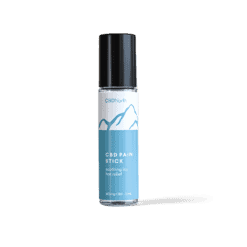
The roll on format itself adds practical advantages for recovery. The rollerball applicator lets you apply the product precisely to a target area without getting it on your hands, and the rolling action provides a mild massage effect that many people find pleasant on sore muscles.
Many CBD roll ons designed for recovery also include complementary ingredients like menthol, which produces a cooling sensation that can feel soothing on tired muscles. The combination of localised CBD, the massage action of the roller, and cooling ingredients is why roll ons have become popular specifically for post workout use.
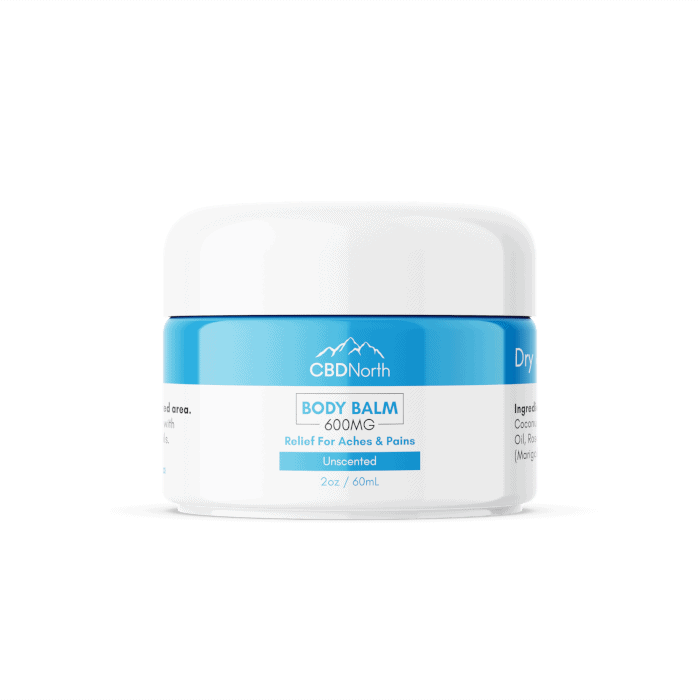
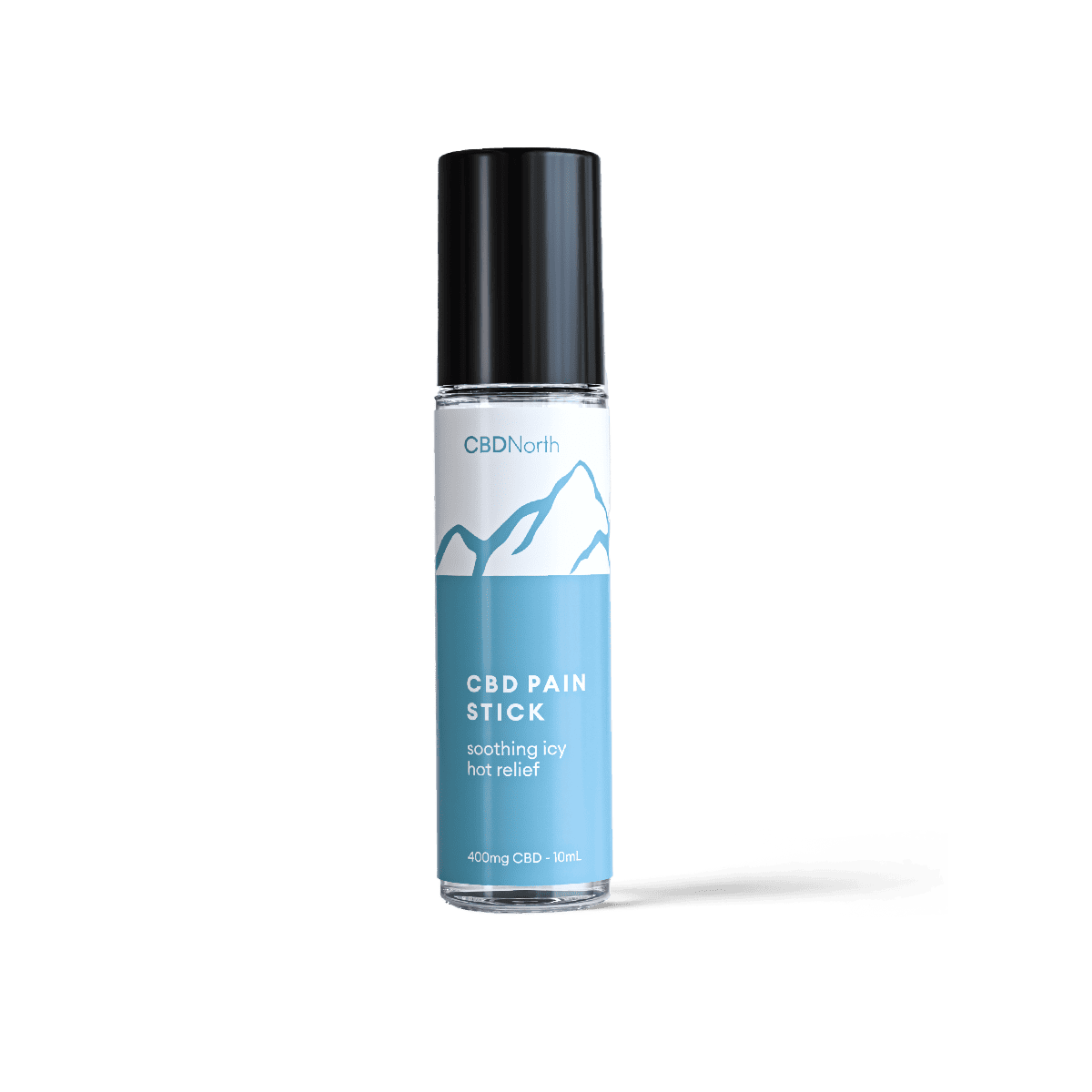
CBD Pain Relief Products
Why Topicals Make Sense for Localised Recovery
The localised nature of topical CBD is its biggest advantage for muscle recovery, and it sets it apart from ingestible CBD in important ways. Understanding these differences helps you choose the right tool for the job.
Because a roll on works at the application site rather than throughout the body, you can apply it exactly where you need it, whether that is sore quads after a run, tight shoulders after lifting, or an aching lower back. The effect is concentrated where you apply it rather than diffused through your whole system.
Topicals also do not reach the bloodstream or the liver in meaningful amounts, which means they carry far less concern around drug interactions than ingestible CBD. For people who take medications and are cautious about the liver enzyme interactions we cover in our CBD and liver health guide, a topical sidesteps much of that consideration.
This makes topicals a relatively low risk entry point into CBD for many people. The trade off is that a topical will not help with whole body concerns.
If your recovery goals also include better sleep or general stress reduction, which both support recovery, a topical alone will not address those. For those broader goals you would need an ingestible format alongside the roll on.
Where a CBD Roll On Fits in Your Recovery Toolkit
Targeted, localised support applied directly to sore muscles. Massage action plus optional cooling menthol.
Replacing fluids lost in training supports the body’s natural repair processes.
Most muscle repair happens during deep sleep. Quality rest is one of the biggest recovery factors.
Gentle activity and stretching can ease stiffness and support blood flow to recovering muscles.
Adequate protein gives muscles the building blocks they need to rebuild after training.
Giving worked muscles time to recover is essential. A roll on supports comfort, not a replacement for rest.
A CBD roll on is one supportive tool within a complete recovery approach, not a standalone solution.
This is the honest way to think about a CBD roll on. It is one supportive element within a complete recovery approach, sitting alongside the fundamentals of hydration, sleep, nutrition, light movement, and adequate rest.
No topical replaces those fundamentals, but it can be a pleasant and targeted addition to them.
How to Use a CBD Roll On for Best Results
Getting the most from a CBD roll on comes down to a few simple practices. None of these are complicated, but they make a difference to how effective and pleasant the experience is.
Apply it to clean, dry skin. Applying over sweat or lotion can reduce how well the product makes contact with your skin.
A quick rinse of the area after training, if practical, helps the roll on work better. Roll it directly onto the sore muscle and massage it in.
The rollerball lets you apply an even layer, and taking a moment to massage the area afterward combines the benefits of the CBD with the recovery benefits of light massage. This massage step is genuinely worth doing rather than just rolling and walking away.
Timing wise, many people apply a roll on soon after training and then again as the delayed onset soreness builds over the following day or two. Since DOMS peaks around 24 to 48 hours after exercise, reapplying during that window when the soreness is strongest makes sense.
You can reapply as needed throughout the day, since topicals are not subject to the same dosing considerations as ingestibles. Wash your hands after applying, particularly if the product contains menthol, to avoid accidentally getting it in your eyes.
Avoid applying to broken skin, cuts, or irritated areas. A roll on is designed for intact skin over a sore muscle, not for open wounds.
If you have particularly sensitive skin, doing a small patch test before full use is a sensible precaution, especially with products containing menthol or other active botanicals.
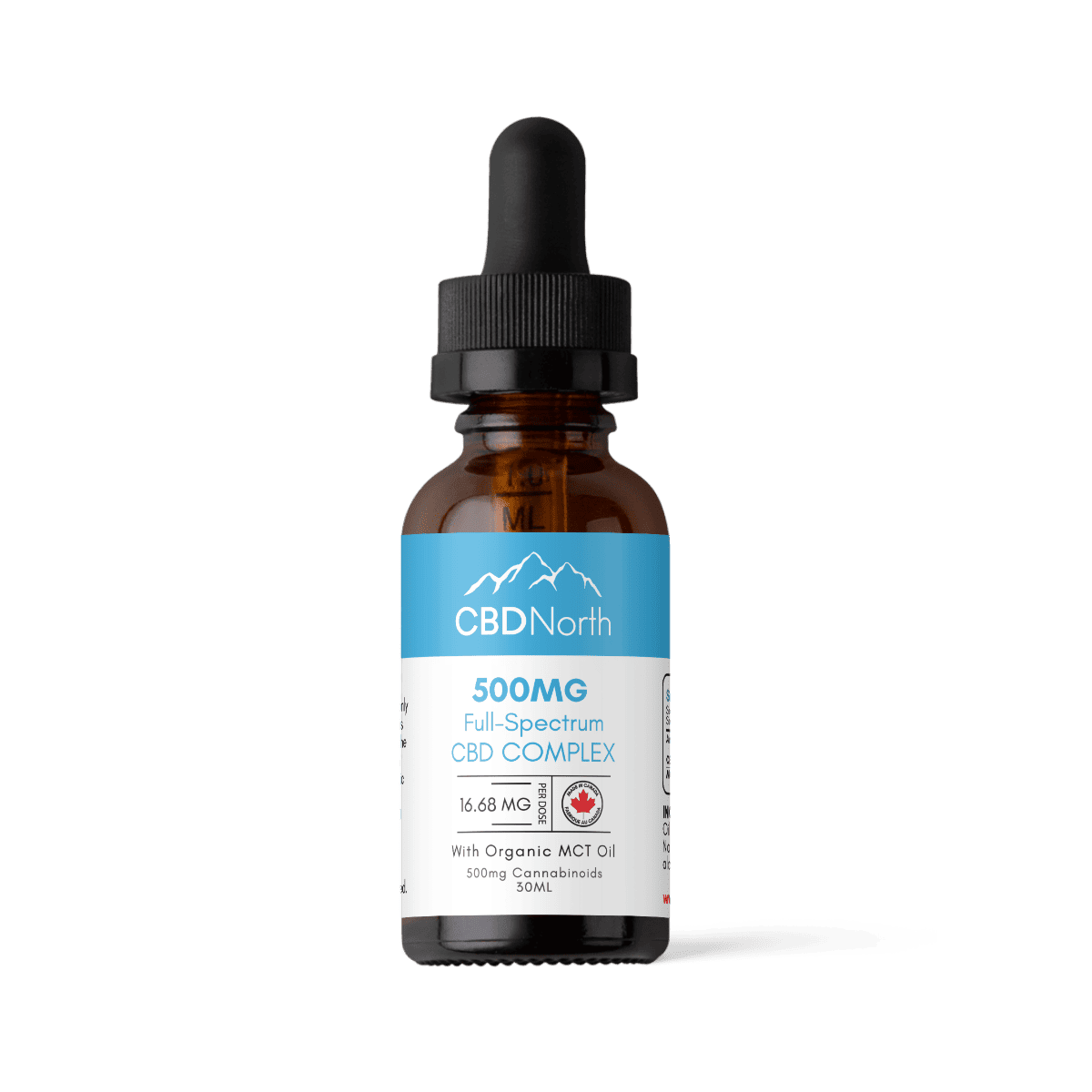
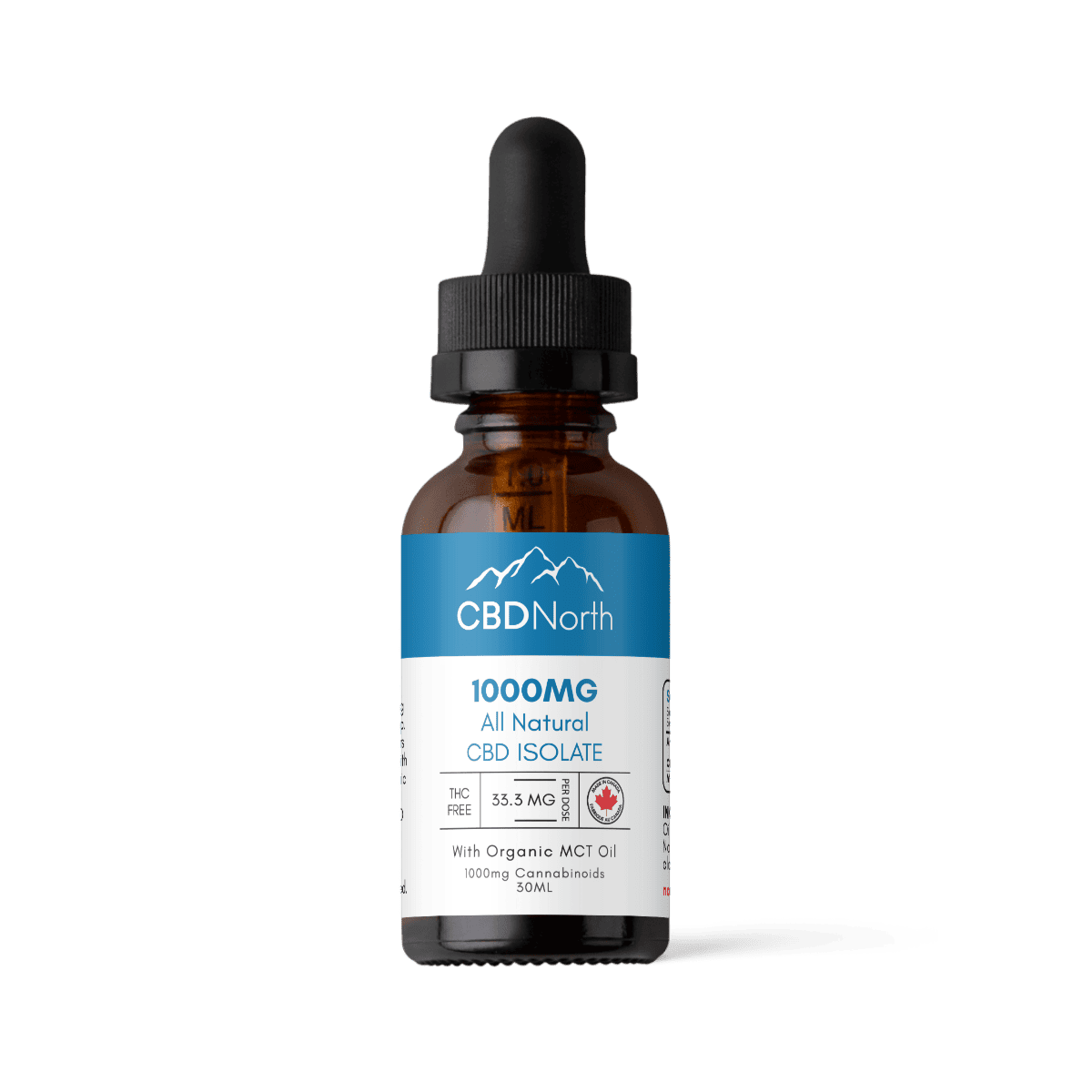
CBD Oil Collection
Pairing a Roll On With Other CBD Formats
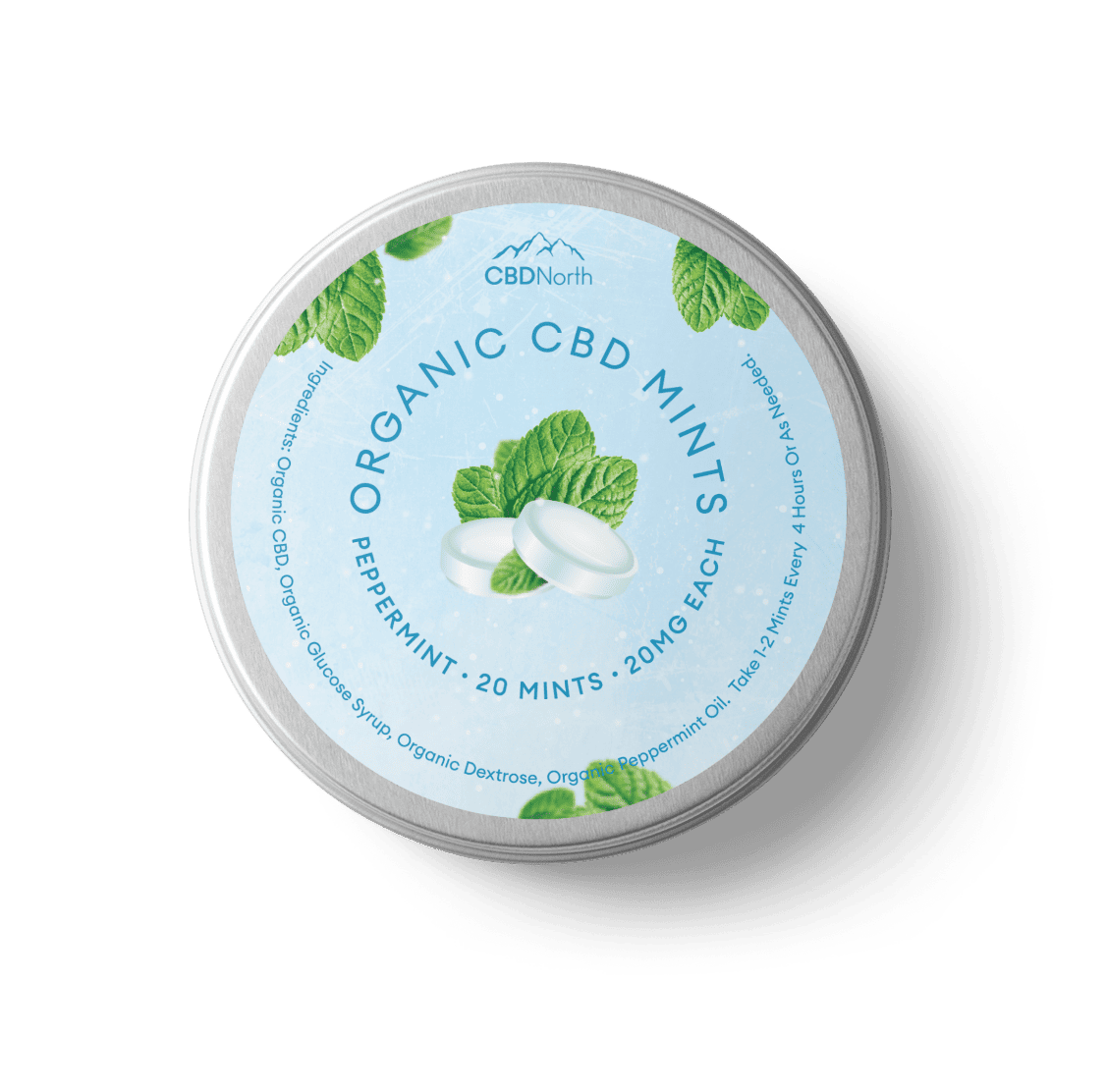
Many active Canadians use a CBD roll on as part of a broader CBD approach rather than on its own. Because topicals and ingestibles work in completely different ways, they can be combined sensibly.
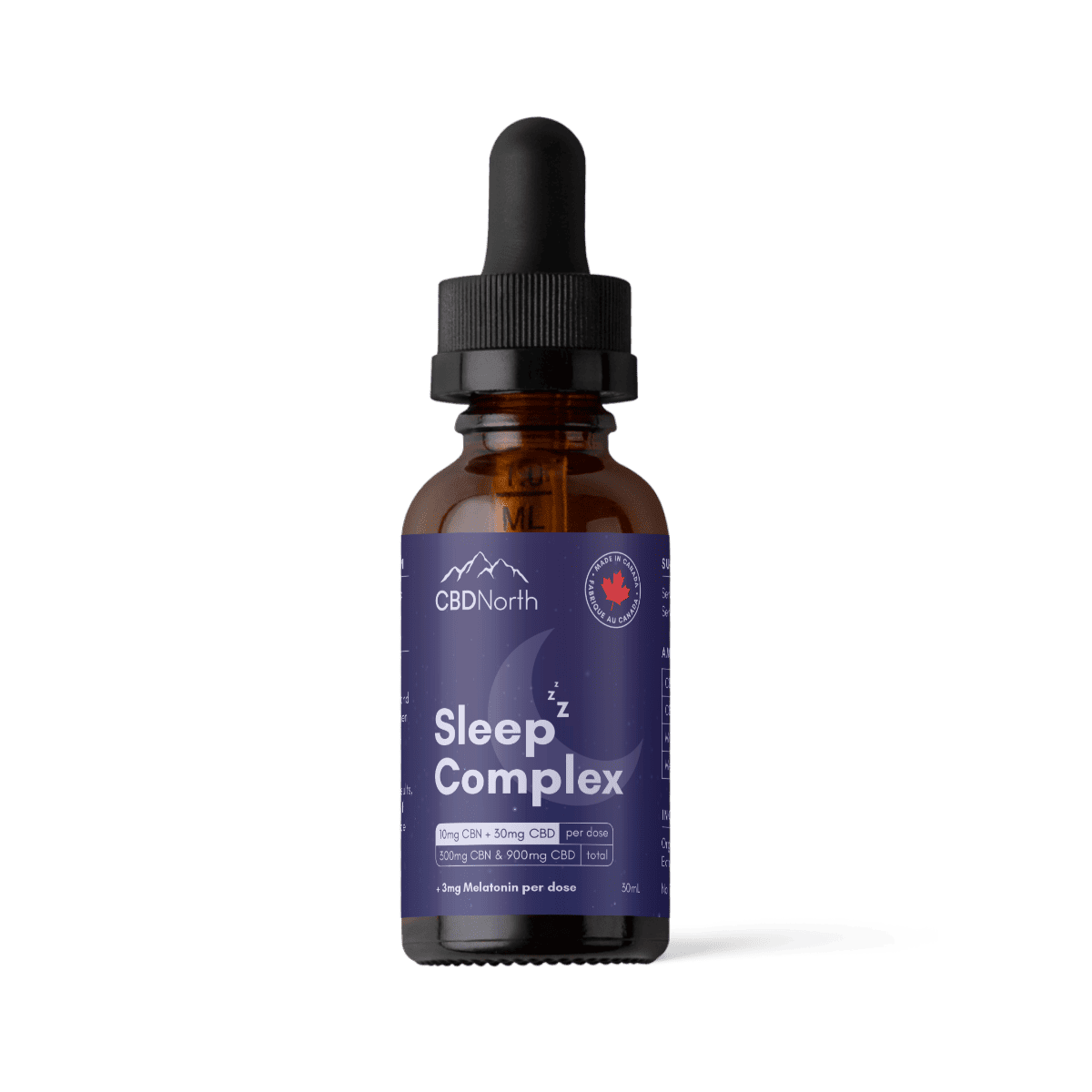
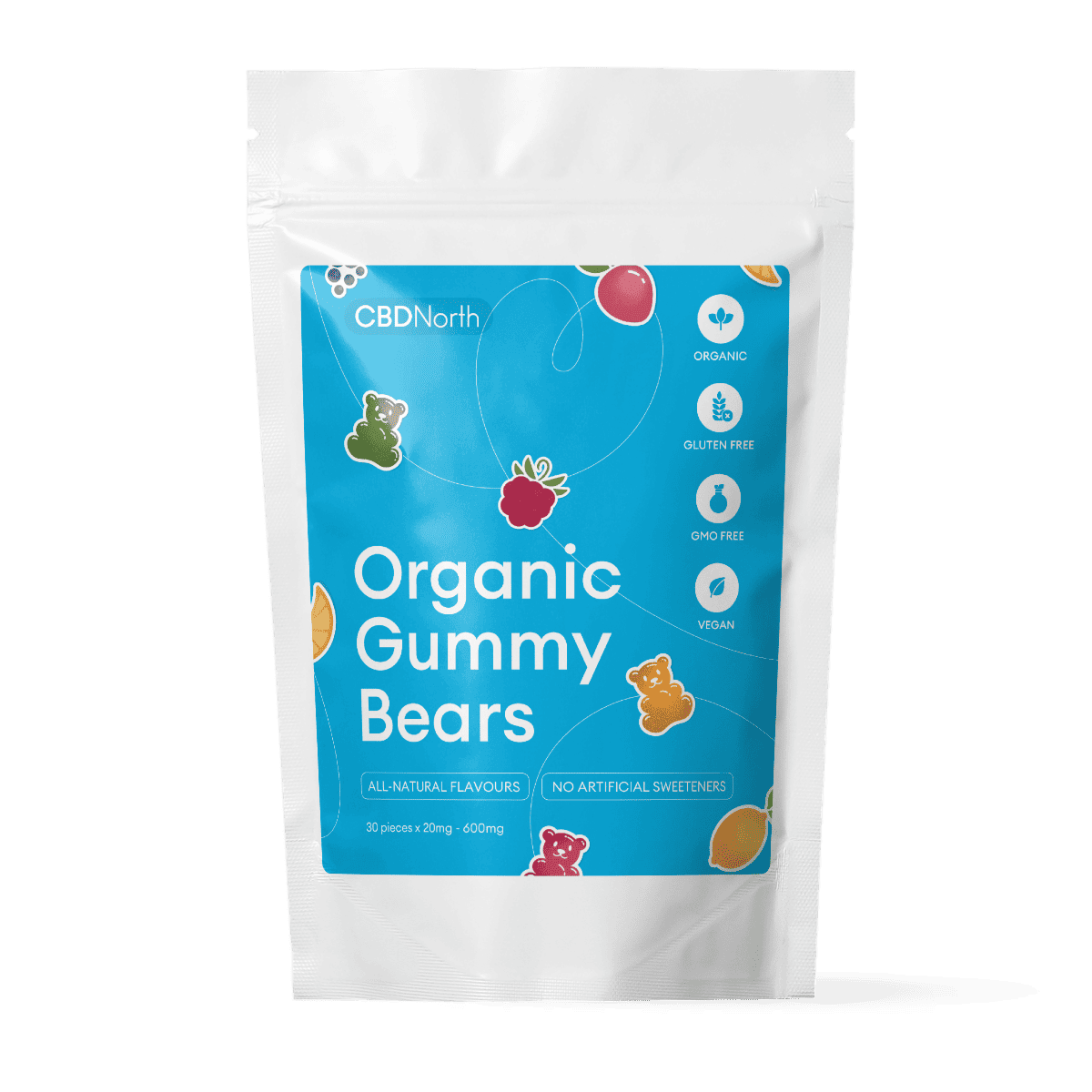
A common combined routine is using a roll on for targeted muscle support after training while also taking an ingestible CBD format, like an oil or gummy, in the evening for sleep support. Since sleep is when most muscle repair happens, supporting sleep is itself a recovery strategy.
The roll on does not contribute to your systemic CBD intake, so it does not affect your ingestible dose. This means you can use both without worrying about adding them together, which makes the combination flexible.
CBD Edibles Collection
For those who want to build a structured approach, our guide on building a daily CBD routine covers how to combine formats around your specific goals. An athlete’s routine might centre on a roll on for muscle recovery plus an evening ingestible for sleep.
It is also worth noting that recovery is not only physical. The mental side of training consistency, motivation, and managing the stress of demanding schedules matters too, an area touched on in our CBD for seasonal depression guide in the context of mood and wellbeing.
Spectrum and Quality in a CBD Roll On
Topical products come in the same spectrum types as ingestibles, and the choice affects the product profile. Full spectrum topicals contain the full range of cannabinoids and terpenes along with trace THC up to Canada’s 1 percent limit.
Because topicals do not enter the bloodstream meaningfully, the trace THC in a full spectrum topical is generally not a concern for drug testing, though anyone subject to strict testing may still prefer a THC free option for peace of mind. Broad spectrum topicals remove THC while keeping other compounds.
Isolate based topicals use pure CBD only. For a recovery roll on, the other ingredients matter just as much as the spectrum.
Cooling agents like menthol, soothing botanicals, and a clean carrier all contribute to the experience. Quality of the source hemp matters too, since a topical applied repeatedly to the skin should be free of contaminants.
Always verify the product’s Certificate of Analysis to confirm cannabinoid content and purity. Canada allows up to 1 percent THC in cannabis products, which is meaningfully different from the US federal threshold.
Who Should Be Cautious With CBD Roll Ons?
This section is mandatory and we never skip it. While topicals carry fewer concerns than ingestibles, some cautions still apply.
Pregnancy and breastfeeding: Health Canada advises against using any cannabis product during pregnancy or while breastfeeding. While topical absorption is minimal, this caution applies to all CBD products including roll ons.
Children and youth: CBD products are intended for adults aged 18 and older. Age minimums vary by province from 18 to 21. These products are not appropriate for anyone under the legal age in their province.
People with allergies to cannabis, hemp, or product ingredients: If you have a confirmed allergy to cannabis or hemp, do not use CBD roll ons. Also check for sensitivity to other ingredients like menthol or botanical oils. A patch test is wise for sensitive skin.
People with broken or irritated skin: Do not apply a roll on to cuts, wounds, rashes, or irritated skin. Topicals are designed for application to intact skin over a sore muscle.
People with autoimmune skin conditions: If you have a condition affecting the skin, particularly an autoimmune one, check with your doctor before applying topical products. Our CBD for lupus guide covers some of the considerations for autoimmune patients.
Serious or persistent injuries: A CBD roll on is for ordinary post exercise muscle soreness. If you have sharp pain, swelling, a possible muscle tear, or pain that does not resolve, see a healthcare provider rather than relying on a topical.
Persistent or severe pain is a signal to get proper assessment.
Province by Province Access Snapshot
CBD access in Canada is governed federally by the Cannabis Act but provincial age minimums vary. In Alberta, adults aged 18 and over can legally purchase CBD products including topicals.
In British Columbia, Ontario, Manitoba, Saskatchewan, Nova Scotia, New Brunswick, Prince Edward Island, and the territories of Yukon, Northwest Territories, and Nunavut, the legal age is 19.
Newfoundland and Labrador sets the minimum at 20, while Quebec has the highest provincial minimum at 21. CBDNorth ships organic certified CBD products across all provinces and territories in Canada.
Last Verified: May 2026. Always confirm current rules at canada.ca/health-canada as provincial regulations can change.
What We Don’t Know Yet: Honest Research Gaps
Most research on topical CBD for muscle and joint discomfort comes from animal studies, like the Hammell 2016 work, rather than large scale human trials. The human evidence for topical CBD specifically for post workout recovery is still limited.
How much CBD actually penetrates the skin to reach the underlying muscle tissue, and whether it reaches deep muscles or mainly affects surface tissue, is not fully characterised. Penetration depends on formulation and the area being treated.
It is also unclear how much of the perceived benefit of a recovery roll on comes from the CBD itself versus the massage action and cooling ingredients like menthol. These factors are difficult to separate in real world use.
Health Canada’s Natural Health Product pathway for CBD remains under active consultation as of 2025. The regulatory framework continues to evolve.
Real Canadian User Experience Log
The following logs are shared with full user consent. Individual results vary. These are personal experience reports and not medical outcomes.
D.R., Ontario, after running: Applied a CBD roll on to calves and quads after long runs, reapplying the next morning when soreness peaked. Found the cooling sensation soothing and the massage action helpful.
Could not fully separate the CBD effect from the menthol and massage but appreciated the routine. Used it as part of broader recovery habits.
M.K., British Columbia, weight training: Used a roll on on shoulders and arms after lifting sessions. Combined it with an evening CBD oil for sleep support.
Reported the combined approach felt more complete than either alone. Valued that the topical did not add to his ingestible dose.
S.P., Alberta, recreational cycling: Applied a roll on to thighs and lower back after long rides. Found it most useful during the 24 to 48 hour window when soreness was strongest.
Appreciated being able to target the exact sore areas. Kept it in her gym bag for convenience.
T.W., Quebec, cautious starter: Did a patch test first due to sensitive skin and tolerance to menthol. Found the product comfortable and used it sparingly on sore legs after workouts.
Preferred the targeted topical approach over ingestibles for her recovery needs. Stopped using it on a minor skin irritation until it healed.
CBDNorth Lab Note
A topical you apply repeatedly to your skin deserves the same scrutiny as anything you ingest. Contaminants, pesticide residues, or heavy metals in a low quality topical are absorbed at the skin and are not something you want in a recovery product.
Every CBDNorth product is tested batch by batch at an ISO certified Canadian laboratory, with full panel results covering cannabinoid levels, pesticides, heavy metals, and residual solvents all available openly on our lab reports page. The cannabinoid panel also confirms the roll on contains the CBD it claims.
Our hemp is USDA organic certified and extracted using supercritical CO2 with no harsh solvent residues. For a product designed to support recovery, clean ingredients are part of the point.
If the cost of accessing quality lab tested CBD is a barrier for you, our Assistance Program is available for Canadians who qualify. Before adding any new wellness product to your routine, please speak with a qualified healthcare practitioner, especially if you have a persistent or serious injury.
Frequently Asked Questions
Q: Does a CBD roll on help with muscle recovery after exercise?
CBD roll ons work locally at the application site, interacting with cannabinoid receptors in the skin and underlying tissue. Animal research suggests topical CBD may reduce markers of inflammation and discomfort at the site of application.
Many active Canadians find them useful for localised post workout soreness, though human evidence is still limited. A roll on is best seen as one supportive tool within a complete recovery routine.
Q: When should I apply a CBD roll on after a workout?
Many people apply it soon after training and then again as soreness builds. Since delayed onset muscle soreness peaks around 24 to 48 hours after exercise, reapplying during that window when soreness is strongest makes sense.
Topicals are not subject to the same dosing limits as ingestibles, so you can reapply to the sore area as needed throughout the day.
Q: Does a CBD roll on get you high or show on a drug test?
No, a CBD roll on does not get you high. CBD is not intoxicating, and topicals do not enter the bloodstream in meaningful amounts.
Because the CBD stays local, full spectrum topicals with trace THC are generally not a concern for drug testing, though anyone subject to strict testing may prefer a broad spectrum or isolate option for peace of mind.
Q: Is a CBD roll on better than CBD oil for muscle soreness?
They do different things. A roll on works locally on the specific sore muscle, while CBD oil works systemically throughout the body.
For targeted muscle soreness, a roll on is the more direct tool. Many people combine a roll on for targeted relief with an ingestible for sleep support, since sleep is when most muscle repair happens.
Q: Can I use a CBD roll on every day?
Yes, topical CBD is generally suitable for daily use on intact skin. Because it does not enter the bloodstream meaningfully, it does not carry the same dosing considerations as ingestibles.
Avoid applying to broken or irritated skin, and if you have sensitive skin, do a patch test first, especially with products containing menthol.
Q: Is the cooling feeling from the CBD or something else?
The cooling sensation typically comes from menthol, a common ingredient in recovery roll ons, rather than from the CBD itself. Menthol creates a soothing cooling feeling that many people find pleasant on sore muscles.
It is currently difficult to separate how much of a roll on’s perceived benefit comes from the CBD versus the menthol and the massage action, which is an honest gap in the research.
Before starting any new wellness supplement, please speak with a qualified healthcare practitioner, especially if you have a persistent or serious injury rather than ordinary muscle soreness.
These statements have not been evaluated by Health Canada. CBDNorth products are not intended to diagnose, treat, cure, or prevent any disease or medical condition. This content is for educational purposes only and does not constitute medical advice. Please consult a qualified healthcare practitioner before use. Must be 18 and older to purchase; age requirements vary by province.